Types of Workout Clothes: A Complete Guide to Gym and Fitness Apparel
Choosing the right workout clothes can make exercise more comfortable, flexible, and enjoyable. Different activities require different clothing features. Running, weightlifting, yoga, cycling, and outdoor training do not place the same demands on your body or clothing.
Understanding the types of workout clothes can help you choose suitable fabrics, fits, and designs for your fitness routine. Some garments focus on moisture management, while others provide stretch, support, warmth, or protection. The right combination depends on your activity, personal preferences, and training environment.
Workout clothing has also become an important part of everyday fashion. Many people wear activewear for gym sessions, travel, walking, and casual activities. This creates opportunities for clothing brands to develop comfortable and functional fitness collections.
In this guide, we explain different workout clothing categories, their features, suitable fabrics, and how to choose quality gym apparel. We also discuss what to consider when searching for the best brand for gym clothes.
What Are Workout Clothes?
Workout clothes are garments designed for physical activities and exercise. They are made to support movement, comfort, and performance during different types of training.
Unlike ordinary casual clothing, fitness apparel often uses fabrics and construction methods suited to physical activity. These may include stretch materials, moisture-wicking fabrics, breathable panels, supportive waistbands, and flexible seams.
Common workout clothing includes:
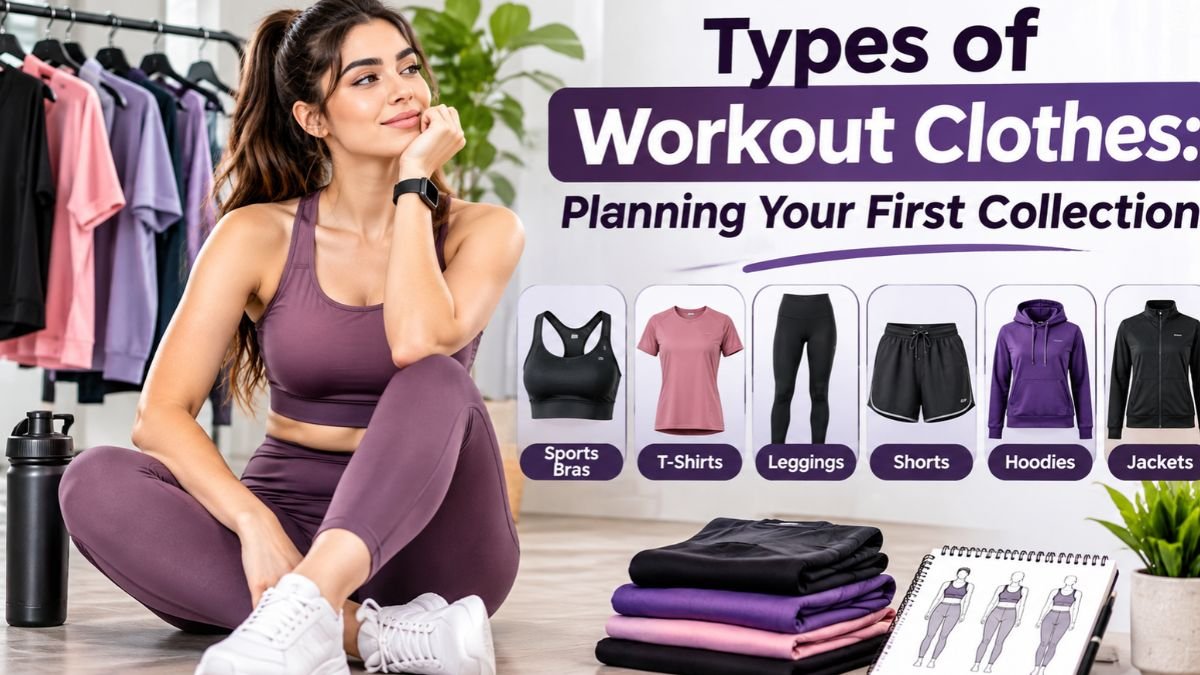
- Gym T-shirts and tank tops
- Sports bras
- Leggings and yoga pants
- Gym shorts
- Joggers and sweatpants
- Tracksuits
- Compression clothing
- Running jackets
- Hoodies and sweatshirts
- Cycling clothing
Each category serves a different purpose. For example, leggings provide coverage and flexibility, while running shorts allow greater airflow. A sports bra offers support, and a lightweight jacket can provide protection during outdoor exercise.
Understanding these differences makes it easier to build a practical workout wardrobe.
Main Types of Workout Clothes
There are many types of workout clothes available for men, women, and children. The best choice depends on the activity, weather, comfort needs, and personal style.
1. Gym T-Shirts
Gym T-shirts are among the most common pieces of fitness clothing. They are suitable for weightlifting, general gym sessions, walking, and many other activities.
A good gym T-shirt should allow comfortable movement without feeling too tight or too loose.
Popular fabric options include:
- Polyester
- Cotton-polyester blends
- Recycled polyester
- Lightweight performance fabrics
- Cotton blends for casual training
Polyester is commonly used in performance clothing because it is lightweight and dries relatively quickly. Cotton offers a soft, familiar feel, although it can hold moisture during intense workouts.
Gym T-shirts are available in regular, slim, oversized, and athletic fits. The right fit depends on the wearer’s preference and training style.
2. Tank Tops
Tank tops are sleeveless workout garments designed to provide freedom around the shoulders and arms.
They are useful for weightlifting, bodybuilding, indoor training, and warm-weather exercise.
Common features include:
- Sleeveless construction
- Lightweight fabric
- Breathable design
- Flexible arm openings
- Comfortable necklines
Some tank tops have a relaxed fit, while others use a fitted athletic shape.
For brands, tank tops can be developed in different fabric weights and styles. Logo printing, embroidery, and custom colours can help create a consistent fitness collection.
3. Sports Bras
Sports bras are designed to provide support during physical activity. They are available in different support levels depending on the intensity of exercise and the wearer’s needs.
Common categories include:
Low-support sports bras: Often suitable for walking, stretching, and gentle yoga.
Medium-support sports bras: Can suit activities such as cycling, strength training, and moderate exercise.
High-support sports bras: Designed for activities involving more movement, such as running and high-impact training.
Important design features include adjustable straps, elastic bands, breathable panels, and suitable fabric stretch.
The correct size and fit are essential. A sports bra should provide support without causing discomfort or restricting breathing.
4. Leggings and Yoga Pants
Leggings are fitted workout garments commonly worn for yoga, Pilates, gym training, and everyday activities.
They are popular because they provide flexibility and allow a wide range of movement.
Common features include:
- Stretch fabric
- Flexible waistbands
- Body-contouring fit
- Flat or smooth seams
- Different lengths and rises
Many leggings use polyester, nylon, and elastane blends. These materials can provide stretch, shape retention, and a close fit.
Yoga pants may have a wider leg or a more relaxed silhouette. The choice depends on personal comfort and the type of exercise.
When evaluating leggings, check opacity, waistband stability, fabric recovery, and seam strength.
5. Gym Shorts
Gym shorts are designed for activities that require comfortable leg movement. They are commonly worn for running, weightlifting, cycling, and general fitness training.
Popular styles include:
- Running shorts
- Training shorts
- Compression shorts
- Basketball shorts
- Lightweight athletic shorts
Running shorts often have a lightweight design. Training shorts may provide more coverage and durability for different exercises.
The waistband should remain secure without feeling restrictive. Pockets can also improve convenience during everyday workouts.
6. Joggers and Sweatpants
Joggers and sweatpants are comfortable options for warm-ups, casual workouts, travel, and relaxed activities.
Joggers usually have a tapered shape with elastic cuffs around the ankles. Sweatpants may have a straighter or looser fit.
Common fabric options include cotton fleece, French terry, polyester blends, and other knit fabrics.
Important details include:
- Elastic waistbands
- Adjustable drawstrings
- Side pockets
- Comfortable cuffs
- Durable seams
Lightweight joggers can work well for warm-ups and casual training. Heavier sweatpants are more suitable for cooler conditions and relaxed wear.
7. Tracksuits
Tracksuits usually include a matching top and bottom. The top may be a jacket, sweatshirt, or zip-up hoodie, while the bottom is commonly made as joggers or athletic trousers.
Tracksuits are suitable for warm-ups, outdoor activities, travel, and everyday sportswear.
They are available in several styles:
- Lightweight training tracksuits
- Cotton tracksuits
- Fleece tracksuits
- Running tracksuits
- Oversized streetwear tracksuits
- Performance tracksuits
Fabric choice affects the weight, warmth, flexibility, and appearance of the set.
Brands can also customise tracksuits with colour combinations, panels, embroidery, printed logos, zippers, and branded labels.
8. Compression Clothing
Compression clothing is designed to fit closely around the body. It commonly includes compression shirts, leggings, shorts, and sleeves.
These garments use stretch fabrics that create a snug fit.
Common materials include polyester, nylon, and elastane blends.
Compression clothing is often used for:
- Gym training
- Running
- Cycling
- Sports practice
- Layering under other clothing
Fit is especially important. The garment should feel secure without causing discomfort or limiting movement.
9. Running Jackets and Windbreakers
Running jackets and windbreakers are useful for outdoor exercise. They can provide a layer of protection against wind and light weather conditions.
Common features include:
- Lightweight construction
- Full-length zippers
- Adjustable hoods
- Elastic cuffs
- Secure pockets
- Breathable fabric panels
Some jackets include water-resistant finishes. However, buyers should distinguish water resistance from full waterproof protection.
A running jacket should allow comfortable arm movement and should not feel excessively heavy during exercise.
10. Workout Hoodies and Sweatshirts
Workout hoodies and sweatshirts are popular for warm-ups, outdoor exercise, and casual fitness clothing.
They are often made from cotton fleece, French terry, or polyester blends.
Common styles include pullover hoodies, zip-up hoodies, cropped sweatshirts, and oversized athletic tops.
A workout hoodie should provide suitable warmth without making movement difficult. Fabric weight and construction should match the intended climate and activity.
11. Cycling Clothing
Cycling clothing is designed around the riding position and movement involved in cycling.
Common garments include cycling jerseys, padded shorts, cycling tights, and lightweight jackets.
Important features may include:
- Stretch fabric
- Close-fitting construction
- Breathable panels
- Comfortable seams
- Pockets for small essentials
- Suitable padding in cycling shorts
Cycling clothing should reduce discomfort during longer rides. The design must account for the rider’s position and the garment’s contact points.
12. Outdoor Training Clothing
Outdoor workout clothing is designed for activities such as hiking, jogging, walking, and general outdoor fitness.
The required garments depend on the weather and environment.
A basic outdoor fitness wardrobe may include:
- Moisture-managing T-shirts
- Stretch trousers
- Lightweight jackets
- Windbreakers
- Sweatshirts
- Comfortable training shorts
Layering can help people adjust their clothing as temperatures change.
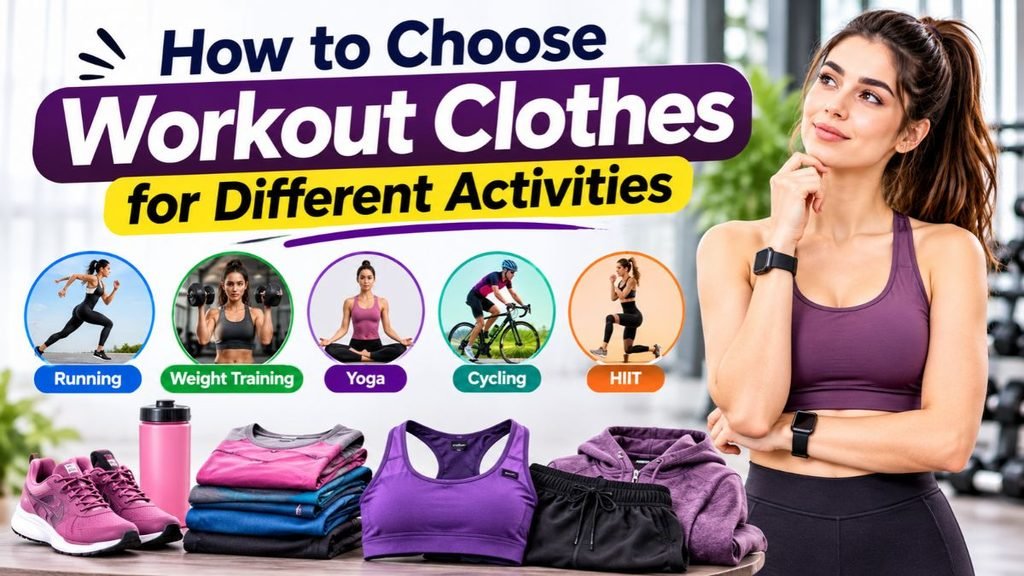
How to Choose Workout Clothes for Different Activities
Not every garment works equally well for every exercise. The best clothing choice depends on movement, intensity, weather, and comfort.
Workout Clothes for Weightlifting
Weightlifting requires clothing that allows the shoulders, arms, hips, and legs to move freely.
Suitable options include:
- Gym T-shirts
- Tank tops
- Training shorts
- Stretch leggings
- Joggers
Choose fabrics that feel comfortable and construction that does not restrict movement during squats, presses, and other exercises.
Workout Clothes for Running
Running creates repeated movement and can increase body temperature.
Useful garments include lightweight shirts, running shorts, leggings, and running jackets.
Look for moisture-managing fabrics, comfortable seams, and a fit that does not cause unnecessary friction.
Workout Clothes for Yoga
Yoga involves stretching, bending, and holding different positions.
Leggings, fitted tops, and flexible sports bras are common choices.
Stretch and fabric recovery are important. Clothing should remain comfortable without constantly slipping or requiring adjustment.
Workout Clothes for Cycling
Cycling clothing should suit the riding position and duration of the activity.
Cycling shorts, fitted jerseys, and suitable outer layers can improve comfort.
Seam placement, fabric stretch, and padding are important considerations for longer rides.
Workout Clothes for Gym Classes
Group fitness classes may include jumping, stretching, cardio, and strength exercises.
A practical outfit may include a breathable T-shirt, sports bra, leggings, or training shorts.
Choose clothing that stays comfortable through different movements.
Best Fabrics for Workout Clothes
Fabric plays a major role in the comfort and performance of fitness apparel. It affects breathability, stretch, drying time, durability, and overall feel.
Polyester
Polyester is widely used in sportswear because it is lightweight, durable, and suitable for many performance fabric constructions.
Benefits include:
- Quick drying compared with many cotton fabrics
- Good shape retention
- Lightweight feel
- Suitability for sportswear
- Compatibility with different printing methods
Polyester is commonly used in gym shirts, shorts, tracksuits, and running clothing.
Recycled polyester is another option for brands seeking to use recycled fibre content. Buyers should request documentation to verify the material composition.
Cotton
Cotton is valued for its soft and comfortable feel. It is commonly used in casual workout clothing, sweatshirts, hoodies, and joggers.
Advantages include:
- Soft hand feel
- Comfortable everyday wear
- Breathability
- Suitability for casual fitness apparel
Cotton can absorb moisture and may take longer to dry than many synthetic performance fabrics. For intense workouts, a suitable blend may be more practical.
Nylon
Nylon is a strong and flexible synthetic fibre. It is commonly used in leggings, sports bras, and fitted performance garments.
Its useful properties include:
- Smooth texture
- Good strength
- Lightweight construction
- Suitability for stretch fabric blends
Nylon is often combined with elastane to create flexible sportswear.
Spandex or Elastane
Spandex, also known as elastane, is added to fabrics to provide stretch and recovery.
It is commonly used in leggings, compression clothing, sports bras, and fitted training garments.
It helps clothing move with the body. The amount used should match the garment’s design and performance requirements.
French Terry
French terry is a knitted fabric with a smooth outer surface and looped inner construction.
It is often used in sweatshirts, joggers, hoodies, and tracksuits.
It can provide a comfortable balance between softness and fabric weight. The exact feel depends on fibre content and construction.
Fleece
Fleece fabrics are often used for warmer workout clothing.
They are suitable for hoodies, sweatpants, jackets, and tracksuits designed for cooler conditions.
Brands should select the correct fleece weight and construction based on the intended product.
Important Features of Quality Workout Clothes
Good fitness clothing should be comfortable, functional, and suitable for regular use.
Breathability
Breathable fabrics allow heat and moisture to move away from the body more effectively. This can improve comfort during physical activity.
Mesh panels and suitable fabric constructions may also improve airflow.
Stretch and Flexibility
Stretch fabrics support movement during exercises such as squats, lunges, yoga, and stretching.
Four-way stretch fabrics can stretch in both lengthwise and crosswise directions. This may be useful for fitted leggings and other flexible garments.
Moisture Management
Moisture-wicking fabrics are designed to move sweat away from the skin toward the fabric surface, where it can spread and dry.
This feature is common in performance T-shirts, running apparel, and gym clothing.
Comfortable Seams
Poorly placed seams can cause irritation during repeated movement.
Flat seams, suitable thread, and careful construction can improve comfort.
Durability
Workout clothing should withstand regular movement and washing.
Check stitching, fabric strength, colourfastness, and shape retention. Quality construction helps garments maintain their appearance over time.
Suitable Fit
Clothing that is too tight may restrict movement, while clothing that is too loose may interfere with certain activities.
The best fit depends on the exercise and personal preference.
How to Find the Best Brand for Gym Clothes
Finding the best brand for gym clothes depends on what you need from your fitness apparel. A brand that offers suitable running clothing may not provide the ideal products for weightlifting or yoga.
Rather than choosing a brand based only on popularity, compare its products using practical criteria.
1. Check Fabric Quality
Look for clear fabric information. A product description should explain the material composition and important features.
For example, a running shirt may use polyester, while leggings may use nylon and elastane.
2. Consider Your Workout Type
Choose a brand that offers clothing suited to your activity.
If you mainly lift weights, look for comfortable shirts, shorts, and flexible joggers. If you practise yoga, prioritise stretch and fit.
3. Review Fit and Sizing
Check the brand’s size guide before purchasing.
Look at garment measurements, fit descriptions, and product images. Sizing can differ between brands and clothing categories.
4. Look at Construction Quality
Inspect stitching, waistbands, zippers, seams, and finishing.
For online purchases, product details and customer feedback may help you understand how a garment performs after regular use.
5. Compare Product Range
A useful gym clothing brand may offer coordinated products such as T-shirts, shorts, leggings, sports bras, hoodies, and tracksuits.
A consistent range makes it easier to build matching outfits.
6. Check Care Instructions
Workout clothing should be practical to maintain.
Read washing instructions and follow the garment’s care label. Proper care can help preserve fabric performance and appearance.
7. Look for Honest Product Information
A reliable brand should describe its products accurately. Avoid assuming that every item is sustainable, antibacterial, or performance-tested without evidence.
Compare the actual product specifications before making a decision.
How Clothing Brands Can Develop Their Own Workout Apparel
The growing interest in fitness clothing gives fashion businesses an opportunity to create their own activewear collections.
However, developing workout clothing requires careful planning. Brands must consider fabric performance, fit, construction, product testing, and customer expectations.
Choose a Target Customer
Start by deciding who will wear the collection.
Possible audiences include:
- Gym and weightlifting enthusiasts
- Runners
- Yoga and Pilates customers
- Cycling enthusiasts
- Outdoor fitness users
- Casual activewear shoppers
A clear audience helps guide fabric and design choices.
Select the Product Categories
Decide which garments will be part of the collection.
A small launch may include gym T-shirts, shorts, leggings, and hoodies. A larger collection may include sports bras, tracksuits, running jackets, and compression garments.
Prepare Design Specifications
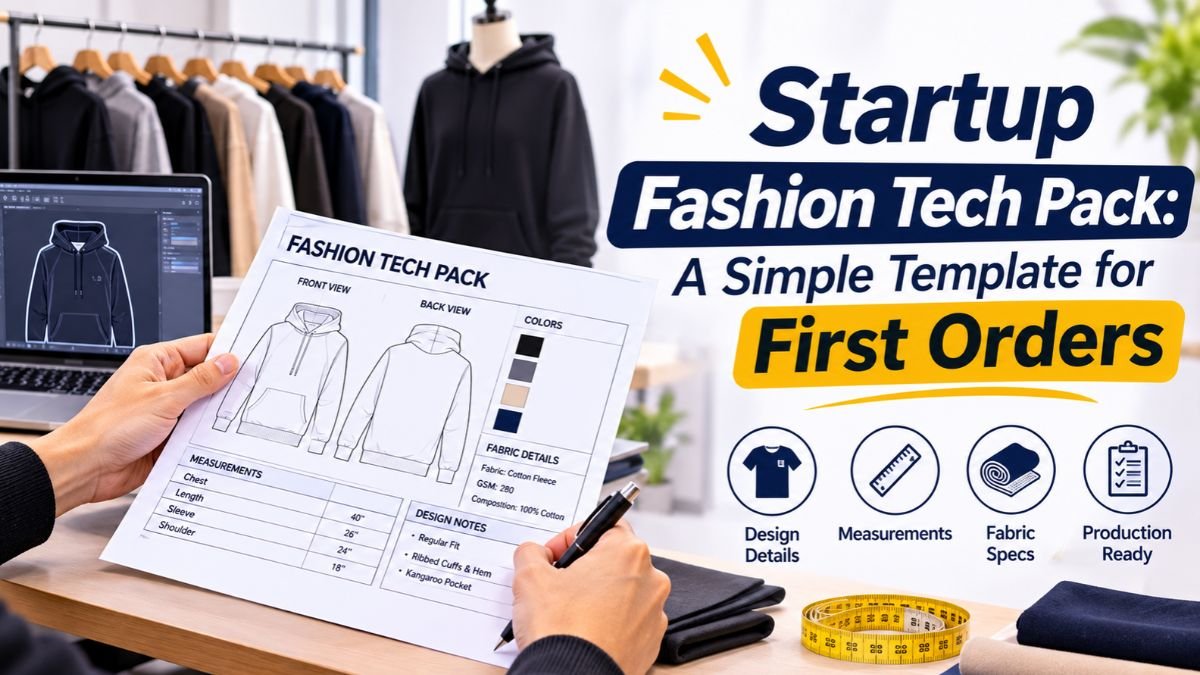
Create a design brief or tech pack with the details needed for production.
Include measurements, fabric composition, GSM, colours, stitching, logos, labels, and packaging requirements.
Clear specifications reduce confusion during sampling.
Select Fabrics and Trims
Choose fabrics based on the garment’s purpose.
For example, leggings may require stretch fabric, while a casual hoodie may use French terry or fleece.
Also consider zippers, drawstrings, elastic, labels, and other trims.
Develop and Approve Samples
A physical sample allows the brand to check the garment before bulk production.
Review measurements, fit, fabric feel, movement, stitching, print quality, and overall construction.
Make required changes and approve the final pre-production sample before bulk manufacturing.
Workout Clothes Manufacturing at Fashion Soul International
Fashion Soul International is a factory-owned custom clothing manufacturer based in Sialkot, Pakistan. The company provides private-label, OEM, ODM, white-label, cut-and-sew, and full-package apparel manufacturing for international brands.
Its product categories include activewear, sportswear, tracksuits, hoodies, T-shirts, and other custom garments.
Brands planning a workout clothing collection can discuss product requirements such as:
- Custom fabric and fibre composition
- Fabric weight and GSM
- Fit and sizing
- Colour options
- Stitching and construction
- Printing and embroidery
- Custom labels and hang tags
- Packaging requirements
Product Development and Fabric Sourcing
The process starts with a design brief, reference images, sketches, or a technical pack.
The manufacturer can support product development and fabric sourcing based on the agreed requirements. Buyers should specify the performance features they need, such as stretch, moisture management, or lightweight construction.
Sampling and Approval
Sampling allows the brand to review the actual garment before bulk production.
Fashion Soul International states that bulk production begins after physical pre-production sample approval. This gives buyers an opportunity to confirm fit, measurements, fabric, and construction.
Bulk Production and Quality Control
After approval, the manufacturer proceeds with bulk production.
The company’s stated quality process includes inline inspections and pre-shipment inspection. For workout clothing, agreed checks can cover measurements, seams, fabric defects, print placement, and trim attachment.
Custom Branding and Packaging
Brands can customise their workout apparel with labels, logos, embroidery, printing, and packaging.
The company supports private-label and other custom manufacturing arrangements.
Minimum Order Quantity
Fashion Soul International publishes a standard MOQ starting at 100 pieces per style. Actual quantities can vary depending on the garment, fabric, colour, and construction.
Brands should confirm project-specific requirements during quotation.
Common Mistakes to Avoid When Buying Workout Clothes
Choosing workout apparel only by appearance can lead to discomfort or poor product performance.
Avoid these common mistakes:
Ignoring the activity: Running clothing and weightlifting clothing may need different features. Choose garments according to your exercise routine.
Choosing the wrong size: Incorrect sizing can restrict movement or cause clothing to shift during exercise.
Overlooking fabric composition: Check whether the fabric is cotton, polyester, nylon, elastane, or a blend.
Ignoring seam quality: Weak stitching can affect durability, especially in areas that experience repeated movement.
Buying without checking care instructions: Some performance fabrics require specific washing and drying methods.
Focusing only on price: A lower price does not always mean better value. Compare fabric, fit, construction, and expected durability.
Frequently Asked Questions About Types of Workout Clothes
What Are the Main Types of Workout Clothes?
The main types include gym T-shirts, tank tops, sports bras, leggings, gym shorts, joggers, tracksuits, compression clothing, running jackets, and workout hoodies. Each category supports different activities and comfort needs.
Which Clothes Are Best for Gym Workouts?
Comfortable T-shirts, tank tops, leggings, gym shorts, and joggers are common gym choices. Select breathable or moisture-managing fabrics and a fit that allows free movement.
What Fabric Is Best for Workout Clothes?
Polyester, nylon, cotton blends, and elastane fabrics are commonly used. The best option depends on the activity. Polyester is popular for performance clothing, while cotton is often preferred for casual comfort.
What Should I Wear for Weightlifting?
A comfortable gym T-shirt or tank top with training shorts, leggings, or joggers is suitable for many weightlifting sessions. Choose clothing that does not restrict movement.
Are Cotton Clothes Good for Working Out?
Cotton can be comfortable for light exercise and casual training. However, it absorbs moisture and may remain wet longer than many synthetic performance fabrics. A suitable blend may be more practical for intense workouts.
How Do I Choose the Best Brand for Gym Clothes?
Compare fabric quality, fit, sizing, construction, product range, care instructions, and customer feedback. The best brand is the one that meets your activity and comfort requirements.
What Is the Difference Between Activewear and Sportswear?
Activewear is a broad term for clothing designed for exercise and active lifestyles. Sportswear often refers to clothing designed for particular sports or athletic activities. The terms can overlap.
Can I Start My Own Workout Clothing Brand?
Yes. You can begin by selecting a target customer, planning a product range, choosing suitable fabrics, preparing design specifications, and finding a manufacturer. Sampling and quality checks are important before launching bulk production.
Conclusion
Understanding the different types of workout clothes helps consumers choose garments that match their fitness activities. Gym T-shirts, tank tops, leggings, shorts, sports bras, joggers, tracksuits, and compression clothing each serve different purposes.
Fabric, fit, breathability, stretch, moisture management, and construction all influence comfort and product quality. The right choice depends on the activity and the wearer’s preferences.
For clothing brands, fitness apparel offers opportunities to develop products for different customer needs. Careful fabric selection, clear design specifications, sample approval, and quality control can support a more reliable collection.
Whether you are buying gym clothing or developing your own range, focus on function and quality rather than appearance alone.