Types of Compression Clothing: A Complete Guide to Compression Wear
Compression clothing has become a common part of sportswear, fitness apparel, and everyday active clothing. Athletes, gym users, runners, and fitness enthusiasts wear it for its close fit, supportive feel, and practical design. However, not all compression garments serve the same purpose. Different styles cover different body areas and suit different activities.
Understanding the types of compression clothing can help you choose the right garments for training, running, recovery, or daily use. Some options include compression shirts, leggings, shorts, socks, sleeves, and full-body suits. Each type has different coverage, fabric requirements, and design features.
Whether you are buying compression wear or planning to develop an activewear collection, it is important to understand how these garments fit and function. This guide explains what compression clothes are, the main types available, their materials, and what to consider when selecting or manufacturing them.
What Are Compression Clothes?
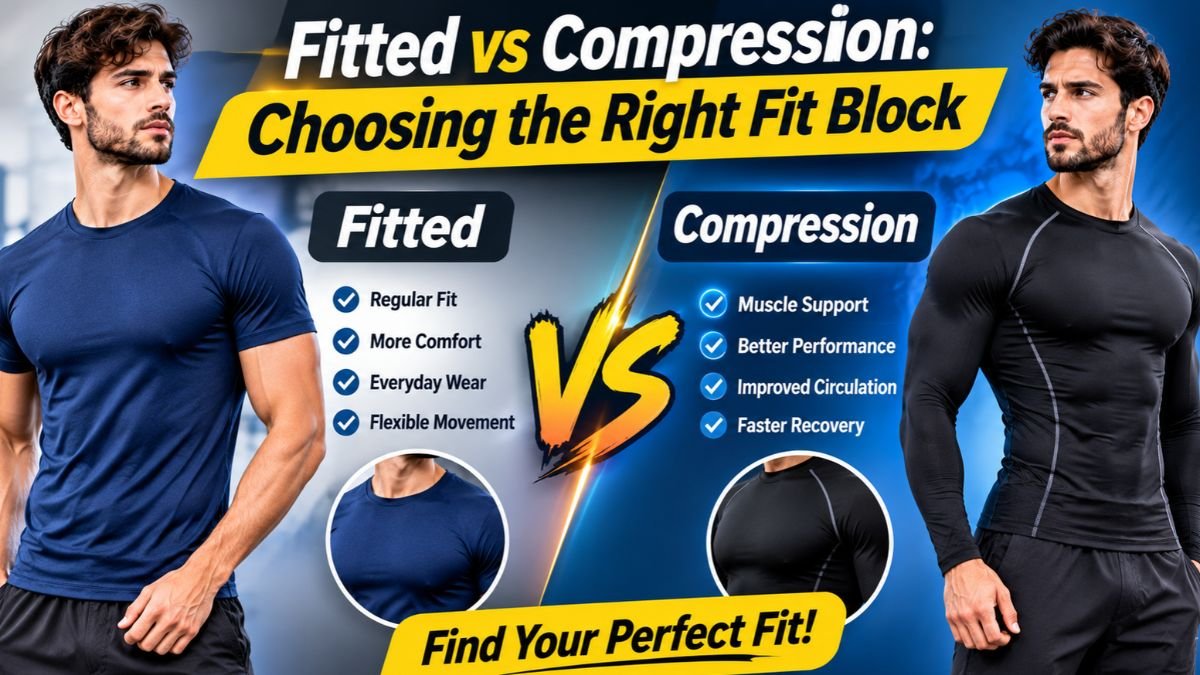
Compression clothes are close-fitting garments designed to apply gentle, controlled pressure to specific areas of the body. They are commonly made from stretch fabrics that fit closely without restricting normal movement.
Unlike loose sportswear, compression garments follow the body’s shape. Their fabric usually contains elastic fibres, such as elastane or spandex, blended with materials like polyester or nylon.
People wear compression clothing for several reasons, including:
- A close-fitting feel during exercise
- Reduced fabric movement while training
- Supportive coverage around muscles and joints
- Moisture management, depending on the fabric
- Comfortable layering under other clothing
- A streamlined appearance for sportswear outfits
Compression garments are available in different pressure levels and designs. Ordinary athletic compression clothing should not be confused with medical compression garments. Medical products may require specific pressure ratings and professional guidance.
How Does Compression Clothing Work?
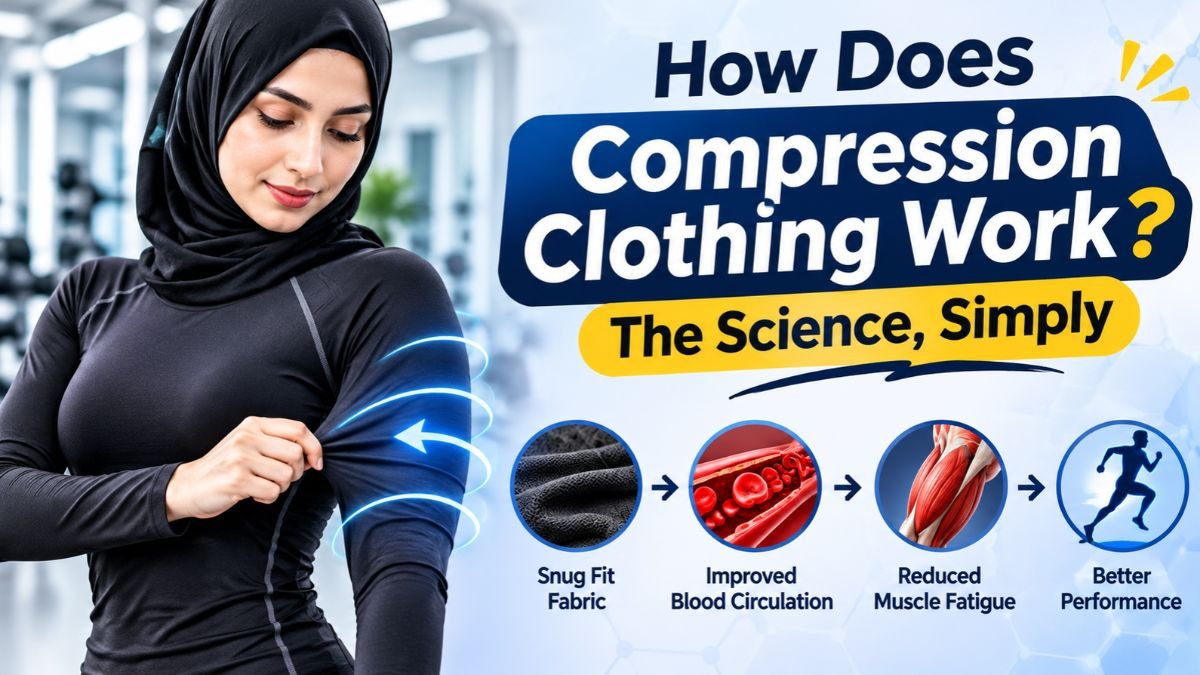
Compression clothing uses stretch fabric to create a close fit around the body. The fabric stretches when worn and applies pressure according to its construction, elasticity, and sizing.
The amount of compression depends on several factors:
Fabric composition: Polyester and nylon provide different performance properties, while elastane or spandex adds stretch and recovery.
Fabric construction: Knitted structures influence flexibility, coverage, and how the garment feels against the skin.
Garment pattern: Panel placement, seams, and garment dimensions affect how pressure is distributed.
Sizing: A correctly sized garment should feel secure without causing pain, numbness, or restricted movement.
Design purpose: A running shirt, compression legging, and medical compression stocking may have very different construction requirements.
Compression clothing should not be excessively tight. If a garment causes discomfort, tingling, skin irritation, or restricted circulation, stop wearing it and check the fit.
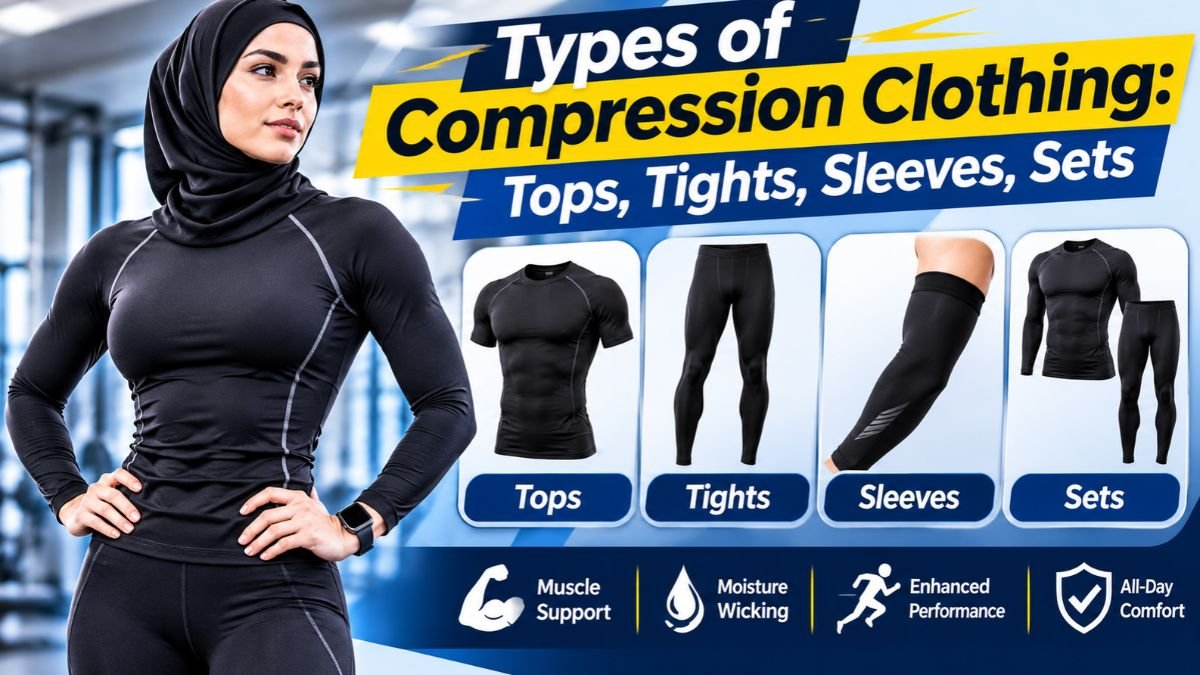
Main Types of Compression Clothing
Compression wear comes in several styles. Some garments cover the upper body, while others support the legs or specific areas such as the arms and calves.
1. Compression Shirts
Compression shirts are close-fitting tops designed to cover the upper body. They are commonly worn during gym workouts, running, weight training, and team sports.
These shirts usually have short sleeves, long sleeves, or sleeveless designs. Their stretch construction allows them to fit closely around the chest, shoulders, arms, and torso.
Common features include:
- Stretchable fabric
- Close-fitting body construction
- Flat or low-profile seams
- Moisture-managing materials
- Lightweight designs
- Different sleeve lengths
A compression shirt can be worn alone or underneath a sports jersey or training top. Some people prefer it because it reduces loose fabric during movement.
When selecting one, consider the fabric weight, sleeve length, fit, and intended activity. A lightweight option may suit running, while a more substantial fabric may be preferred for gym training.
2. Compression Pants
Compression pants cover the legs and usually extend from the waist to the ankles. They are also known as compression tights or full-length compression leggings.
These garments are popular among runners, cyclists, gym users, and athletes who want close-fitting lower-body coverage.
Compression pants may include:
- Stretch waistbands
- Reinforced seams
- Flexible knee construction
- Flatlock stitching
- Moisture-managing fabric
- Ankle-length legs
They can be worn as standalone training garments or underneath shorts and sports uniforms.
Fit is particularly important. The waistband should stay in place without digging into the skin. The fabric should also allow comfortable bending, squatting, and stretching.
3. Compression Shorts
Compression shorts are shorter garments that cover the waist, hips, and upper legs. They are commonly used for running, gym training, cycling, and team sports.
They offer more coverage than underwear but less coverage than full-length tights.
Popular design features include:
- Elastic or supportive waistbands
- Stretch fabric
- Flat seams
- Lightweight construction
- Different inseam lengths
Some athletes wear compression shorts under loose sports shorts. Others use them as their main lower-body training garment.
When designing compression shorts, manufacturers need to consider fabric recovery, waistband stability, seam placement, and freedom of movement.
4. Compression Leggings
Compression leggings are full-length or near-full-length garments that fit closely around the legs. They are often used for yoga, running, gym sessions, cycling, and general fitness.
Although the terms compression pants and compression leggings are sometimes used interchangeably, brands may use them to describe different product styles.
Compression leggings can include:
- High-rise waistbands
- Full-length or cropped designs
- Stretch panels
- Gusset construction
- Flatlock seams
- Supportive fabric blends
The fabric should stretch comfortably and return to its original shape. Good opacity is also important, especially when the leggings are worn during squats or other movements.
5. Compression Socks
Compression socks cover the feet and part or all of the lower legs. Some designs extend to the knee, while others cover the calf or ankle.
They are used in sports, travel, and medical settings, but these applications should not be treated as identical.
Sports compression socks are often designed with features such as:
- Stretchable yarns
- Reinforced heels and toes
- Breathable zones
- Arch support construction
- Cushioned foot areas
- Different lengths
Medical compression stockings are different from ordinary sports socks. They may use specified pressure levels and should be selected with appropriate medical advice, especially for people with circulation-related conditions.
6. Compression Sleeves
Compression sleeves cover a particular area without covering the entire body part. Common styles include arm sleeves, calf sleeves, and knee sleeves.
They are popular in running, basketball, cycling, and other sports.
Arm sleeves cover the upper or lower arm, depending on their design. Some offer additional sun coverage during outdoor activities.
Calf sleeves cover the lower leg but leave the foot uncovered. They are often worn by runners and athletes.
Knee sleeves fit around the knee area. They are commonly used in gym training and weightlifting.
The correct sleeve size matters. A sleeve that is too loose may move during exercise, while one that is too tight can cause discomfort.
7. Compression Tops
Compression tops include different upper-body styles beyond basic shirts. These may include long-sleeve tops, sleeveless tops, fitted training vests, and performance base layers.
They are designed for activities where a close fit is preferred.
Compression tops may feature:
- Stretch panels
- Mesh sections
- Flat seams
- Raglan sleeves
- High-neck or crew-neck designs
- Lightweight fabric construction
Brands can develop these products for gym training, team sports, outdoor activities, or layered sportswear collections.
8. Full-Body Compression Suits
Full-body compression suits cover large areas of the body, sometimes including both the upper and lower body.
They are used in certain sports and specialist activities. Some designs resemble a fitted one-piece base layer, while others are developed for specific athletic requirements.
A full-body suit requires careful pattern development because it must fit several body areas at once.
Important design considerations include:
- Body measurements
- Fabric stretch and recovery
- Seam placement
- Zipper construction, if included
- Comfort during movement
- Ease of putting on and removing the garment
These suits are more specialised than standard compression shirts or leggings.
9. Compression Base Layers
Compression base layers are close-fitting garments worn underneath other clothing. They can include tops, leggings, shorts, and full-body layers.
Athletes often use them under uniforms, jackets, or training clothes.
Base layers may be designed for warm or cold conditions. Lightweight versions can support layering in warmer weather, while thermal versions use fabric structures intended to retain warmth.
Buyers should check whether a base layer is designed primarily for compression, insulation, moisture management, or a combination of these features.
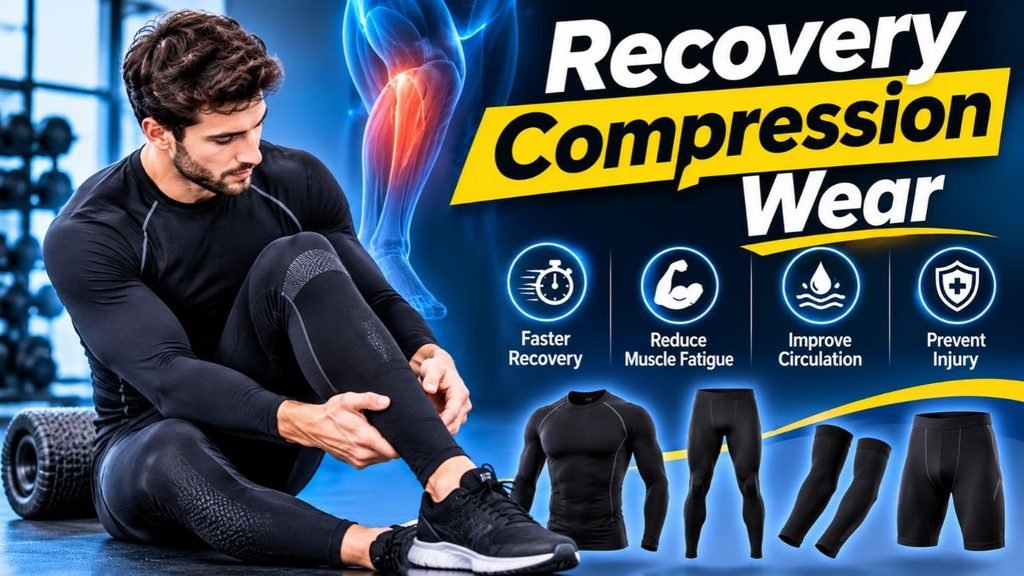
10. Recovery Compression Wear
Recovery compression clothing includes garments marketed for use after exercise. Common examples include compression socks, tights, and leggings.
Some people use these products because they like the supportive feel. However, the effects of compression clothing can vary by garment, activity, and individual.
Brands should avoid promising that ordinary recovery clothing prevents injuries or guarantees faster muscle recovery. Such claims require reliable evidence and should be presented carefully.
Compression Shirt and Pants: What Is the Difference?
A compression shirt and pants set covers both the upper and lower body. It creates a coordinated outfit for training, sports, and fitness activities.
The main difference between these garments is their coverage and construction.
| Feature | Compression Shirt | Compression Pants |
|---|---|---|
| Coverage | Chest, shoulders, arms, and torso | Waist, hips, and legs |
| Common use | Gym, running, team sports | Running, gym, cycling |
| Main design focus | Upper-body fit and movement | Leg fit and flexibility |
| Common styles | Short sleeve, long sleeve, sleeveless | Full length, cropped |
| Important details | Shoulder seams, sleeve fit, chest fit | Waistband, knee fit, leg seams |
A matching set can be useful for athletes who prefer consistent fabric and styling. It can also create a coordinated product for sportswear brands.
When buying a set, check the sizing of both pieces separately. Your ideal shirt size may not be the same as your ideal pants size.
What Fabrics Are Used in Compression Clothing?
Fabric selection plays a major role in compression garment performance. The material must stretch, recover, feel comfortable, and maintain its shape during use.
Polyester and Elastane
Polyester blended with elastane is a common choice for sports compression garments.
Polyester offers useful durability and moisture-management options. Elastane provides stretch and helps the garment return towards its original shape.
This combination is used in shirts, shorts, leggings, and many other activewear products.
Nylon and Spandex
Nylon and spandex blends are also popular in fitted sportswear.
Nylon can provide a smooth feel and good abrasion resistance. Spandex adds flexibility and stretch.
This combination may suit compression leggings, cycling shorts, and fitted training tops.
Recycled Polyester
Some brands choose recycled polyester for sportswear collections. It is made from recovered polyester materials and can be used in suitable performance fabric constructions.
Brands should check the recycled content and request supporting documentation. The percentage of recycled material should be clearly stated when making product claims.
Moisture-Managing Fabrics
Some compression garments use fabrics designed to move moisture away from the skin. These materials can help the wearer feel more comfortable during exercise.
Performance depends on the fibre, yarn, knit structure, finishing, and garment construction.
Seamless and Knitted Fabrics
Some compression products use specialised knitting methods to create different levels of stretch across the garment.
Seamless construction can reduce the number of sewn seams. However, the final comfort and performance still depend on fit, fabric quality, and manufacturing accuracy.
Benefits and Practical Uses of Compression Clothing
Compression garments are popular because they combine a close fit with practical sportswear features. Their benefits depend on the garment type and how it is used.
A Secure Fit During Exercise
Close-fitting clothing can reduce loose fabric movement during running, training, and other activities.
This can be useful for people who prefer streamlined sportswear.
Comfortable Layering
Compression shirts and leggings can be worn under uniforms, shorts, tracksuits, or other sportswear.
Their close fit makes layering easier than wearing several loose garments.
Moisture Management
Many compression garments use synthetic performance fabrics designed to manage sweat.
The effectiveness depends on the material and construction. Not every compression garment offers the same moisture-management performance.
Flexibility
Stretch fabrics allow garments to move with the body. This makes them suitable for activities involving bending, stretching, and repeated movement.
Coverage and Personal Preference
Some athletes prefer compression garments because they provide consistent coverage. Others choose them for their appearance or the feel of the fabric.
The best choice depends on individual comfort and activity requirements.
How to Choose the Right Type of Compression Clothing
Choosing compression wear starts with understanding what you need it for.
Consider Your Activity
Different activities may require different garment designs.
- Running: Compression shorts, leggings, shirts, or socks may suit personal preferences.
- Gym training: Compression tops, shorts, and leggings are common options.
- Cycling: Close-fitting shorts and suitable base layers can reduce loose fabric.
- Team sports: Compression shirts and shorts can be worn under uniforms.
- Everyday wear: Lightweight compression leggings or fitted tops may suit casual outfits.
The activity should guide the fabric, coverage, and design.
Select the Correct Size
Compression clothing should fit closely but should not cause pain or restrict movement.
Check the manufacturer’s size chart and compare your body measurements with the recommended range.
Pay attention to waist, hip, chest, thigh, and inseam measurements where relevant.
Check Fabric Stretch and Recovery
A fabric should stretch enough for movement and recover after use.
Poor recovery can cause garments to become loose or lose their shape. Buyers should request fabric information and assess samples before placing larger orders.
Look at Stitching and Construction
Seams can affect comfort and durability. Flatlock stitching is commonly used in activewear because it can create a low-profile seam.
Check areas that experience repeated movement, such as the shoulders, underarms, crotch, knees, and waistband.
Review Care Instructions
Compression garments often contain elastic fibres that need appropriate care.
Follow the garment label. Avoid care methods that may damage elasticity, such as excessive heat, unless the care instructions specifically allow them.
How Is Compression Clothing Manufactured?
Manufacturing compression wear requires careful attention to fabric stretch, pattern measurements, seam construction, and garment recovery.
1. Product Design
The process begins with a product idea. A brand selects the garment type, target customer, activity, fit, and appearance.
A clear design brief should include sketches, measurements, fabric preferences, colour choices, and branding details.
2. Fabric Selection
The manufacturer sources a suitable stretch fabric based on the product requirements.
The buyer should confirm fibre composition, GSM, stretch, recovery, opacity, and colour options.
A fabric that works for a loose T-shirt may not be suitable for a close-fitting compression garment.
3. Pattern Making
Patterns are developed according to the garment measurements and intended fit.
Compression products need accurate dimensions because small changes can affect how closely the garment fits.
The pattern should also account for stretch direction and fabric behaviour.
4. Sampling
A sample is produced so the buyer can evaluate the garment.
Important checks include:
- Fit and body coverage
- Fabric stretch
- Recovery after stretching
- Seam comfort
- Opacity
- Waistband stability
- Colour and branding
The buyer should request adjustments before approving the final sample.
5. Cutting and Sewing
Fabric is cut according to the approved patterns. The pieces are then assembled using suitable stitching methods.
Workers must handle stretch fabric carefully to avoid distortion. Stitch type, thread, seam allowance, and machine settings should match the material.
6. Quality Control
Quality checks help identify measurement differences, stitching defects, fabric problems, and branding issues.
For compression garments, the inspection plan should also consider stretch, recovery, seam strength, and opacity where relevant.
7. Finishing and Packaging
After inspection, garments are finished, labelled, folded, and packed according to the order requirements.
Brands can specify care labels, size labels, hang tags, and custom packaging during product development.
Compression Clothing for Clothing Brands
Compression wear offers opportunities for activewear and sportswear businesses. Brands can develop products for gyms, running clubs, team sports, fitness retailers, and e-commerce stores.
However, product planning should start with the target customer rather than simply following trends.
Choose a Focused Product Range
A new brand may begin with a small collection instead of developing every type of compression garment.
For example, a starter range could include:
- Short-sleeve compression shirts
- Long-sleeve compression tops
- Compression shorts
- Full-length compression leggings
This approach can make product development and inventory planning easier.
Create Clear Technical Specifications
A technical pack helps the manufacturer understand the required garment.
Include measurements, fabric composition, GSM, stretch requirements, colour references, seam details, labels, and logo placement.
If you have a reference garment, photographs and physical samples can also help explain the desired fit.
Plan Sizes and Colours
Compression wear needs careful sizing because fit is central to the product.
Brands should create a size chart based on the intended customer and review sample measurements before production.
Colour selection should also consider fabric availability and colour consistency between different garments in a matching set.
Confirm Minimum Order Quantities
Minimum order quantity, or MOQ, is the smallest order a manufacturer accepts.
MOQ can vary according to the fabric, colour, style, trims, and production requirements. Ask whether the minimum applies per style, colour, or size run.
Approve Samples Before Bulk Production
A sample should be checked before a bulk order begins. This is especially important for compression clothing because fit and fabric behaviour are central to product quality.
Provide written approval after the final sample meets the agreed specifications.
Custom Compression Clothing Manufacturing at Fashion Soul International
Fashion Soul International is a factory-owned custom clothing manufacturer based in Sialkot, Pakistan. The company provides private-label, OEM, ODM, white-label, cut-and-sew, and full-package apparel manufacturing services.
Its product categories include sportswear, activewear, tracksuits, and other custom garments. Brands interested in developing compression-style apparel can discuss their product requirements with the company and confirm material and construction capabilities for the specific design.
The development process can involve product specifications, fabric sourcing, sampling, bulk production, quality control, custom branding, packaging, and international shipping.
Fabric and Design Requirements
Buyers should share the required fibre composition, stretch characteristics, GSM, colour, and intended use.
For compression garments, it is especially important to explain the desired fit and level of stretch. The manufacturer should confirm whether the selected fabric and construction are suitable for the product.
Sampling and Approval
A physical sample allows the buyer to assess fit, fabric feel, measurements, stitching, and overall construction.
Any changes should be discussed before the final pre-production sample is approved. Bulk production should follow the approved specifications.
MOQ and Production Planning
Fashion Soul International publishes a standard MOQ starting at 100 pieces. Actual requirements may vary depending on the garment style, fabric, colour, and construction.
Buyers should confirm the MOQ and production timeline during quotation.
Quality Inspection
Quality control is important for all activewear products. Compression garments may require additional attention to measurements, seams, fabric stretch, recovery, and opacity.
The inspection requirements should be agreed upon before production begins.
Branding and International Shipping
Custom branding can include labels, logos, hang tags, and packaging details.
Fashion Soul International also supports international shipping arrangements. Buyers should confirm destination, shipping method, delivery terms, and documentation for each order.
Frequently Asked Questions About Types of Compression Clothing
What Are the Main Types of Compression Clothing?
The main types include compression shirts, pants, shorts, leggings, socks, arm sleeves, calf sleeves, knee sleeves, base layers, and full-body compression suits. Each type provides different body coverage and suits different activities.
What Are Compression Clothes Used For?
Compression clothes are commonly worn during exercise, sports, and everyday activities. People choose them for their close fit, supportive feel, stretch, and layering convenience. Their effects vary by garment and individual.
What Is the Difference Between Compression Shirts and Regular Shirts?
Compression shirts fit closely around the upper body and usually contain stretch fibres. Regular shirts generally have a looser fit and may use fabrics with less elasticity.
Are Compression Shirts and Pants Good for the Gym?
Compression shirts and pants are common gym clothing options. Their stretch fabric allows movement, while the close fit reduces loose material. Choose a comfortable size that does not restrict movement.
Can I Wear Compression Clothing Every Day?
Some people wear compression-style sportswear for everyday activities. Comfort depends on the fit, material, and garment design. Medical compression products should be used according to appropriate professional guidance.
Should Compression Clothing Be Very Tight?
No. Compression clothing should fit closely without causing pain, numbness, tingling, or restricted movement. If these symptoms occur, remove the garment and check its size and suitability.
What Fabric Is Best for Compression Clothing?
Polyester-spandex and nylon-spandex blends are common choices. The best fabric depends on the garment’s purpose, stretch, recovery, breathability, durability, and comfort requirements.
Are Compression Leggings the Same as Compression Pants?
The terms are often used interchangeably. Some brands use compression pants for general full-length styles and compression leggings for fashion or fitness-focused designs. Product specifications are more useful than the name alone.
Can Clothing Brands Make Custom Compression Wear?
Yes, brands can develop custom compression-style products with selected fabrics, colours, fits, labels, and logos. They should confirm fabric suitability, construction capabilities, sampling, MOQ, and quality requirements with the manufacturer.
Final Thoughts
Understanding the types of compression clothing makes it easier to choose suitable sportswear for different activities. Compression shirts, pants, shorts, leggings, socks, and sleeves each offer different coverage and design features.
The right garment depends on fit, fabric, stretch, recovery, comfort, and intended use. For clothing brands, successful product development also requires accurate patterns, suitable materials, careful sampling, and consistent quality checks.
Whether you are buying compression wear or creating a new activewear collection, focus on practical product requirements rather than marketing claims. A well-designed garment should fit comfortably, support natural movement, and meet the needs of the person wearing it.