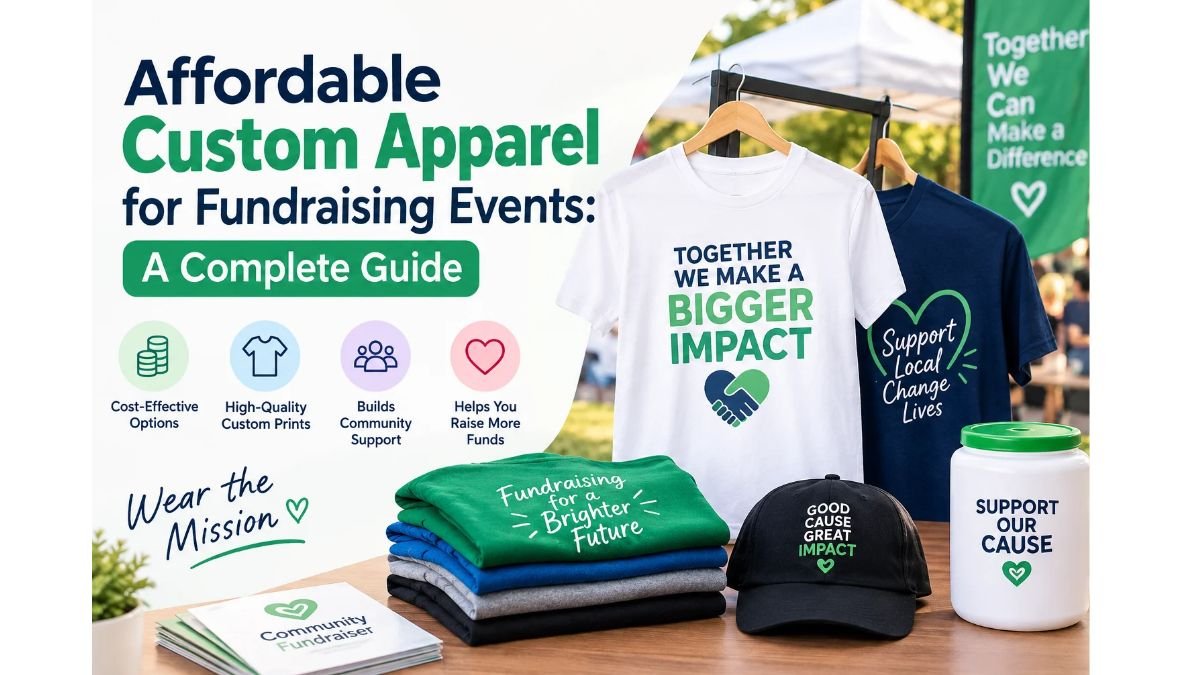
Affordable Custom Apparel for Fundraising Events: A Complete Guide
Fundraising events bring people together to support schools, charities, sports teams, nonprofits, community projects, and important causes. Custom apparel can help these events raise money while giving supporters something useful to wear. However, organizers must balance design, quality, order quantities, and production costs to make their campaigns successful.
Finding affordable custom apparel for fundraising events starts with choosing the right products, understanding your audience, and working with a supplier that fits your budget. T-shirts, hoodies, sweatshirts, tote bags, and team apparel can all support fundraising campaigns. The best choice depends on your event, fundraising target, expected demand, and preferred selling price.
This guide explains how to plan a custom apparel fundraiser, select suitable products, reduce costs, compare manufacturers, and organize production. Whether you are planning a school fundraiser, charity walk, sports tournament, or community event, these steps can help you make informed decisions.
What Is Custom Apparel for Fundraising Events?
Custom apparel for fundraising events refers to clothing designed with a campaign logo, event name, slogan, artwork, or message. Organizers sell or distribute these products to support a cause, promote participation, and create a shared identity among supporters.
For example, a school may sell custom T-shirts to fund classroom equipment. A nonprofit might create hoodies for a charity campaign. A sports club could sell branded jerseys to support travel expenses or equipment purchases.
Custom apparel can serve several purposes:
- Raise funds: Sell products at a price above their total cost.
- Promote awareness: Display a cause, organization, or campaign message.
- Build community: Give supporters a visible way to show participation.
- Reward donors: Offer apparel as a thank-you gift for contributions.
- Create lasting visibility: Encourage people to wear campaign clothing after the event.
The most effective fundraising apparel combines a clear message, practical design, suitable quality, and a price that supporters are willing to pay.
1. Choose the Right Apparel for Your Fundraising Campaign
Product selection affects both production costs and fundraising potential. Consider your audience, the event location, the season, and how supporters will use the apparel.
Custom T-Shirts
T-shirts are a popular choice because they are easy to wear at school events, charity walks, community gatherings, awareness campaigns, and sports activities.
They can feature event artwork, organization logos, campaign slogans, or sponsor branding. A simple design can also help control printing costs.
T-shirts may be suitable for large groups because organizers can offer different sizes and colors without making the product too complicated.
Best for: Charity runs, school fundraisers, awareness events, community festivals, and volunteer teams.
Custom Hoodies
Hoodies are useful for colder weather, outdoor events, student organizations, and sports teams. They offer more space for branding and may appeal to supporters who want apparel they can wear regularly.
However, hoodies generally use more fabric than T-shirts, so their production costs may be higher. Compare fabric weight, construction, and decoration options before setting a selling price.
Best for: School clubs, university groups, winter campaigns, and sports fundraising.
Custom Sweatshirts
Sweatshirts provide another option for campaigns that need warm, casual apparel. They can feature embroidered logos, printed artwork, or a simple event message.
A straightforward design can help keep costs manageable while producing a useful item that supporters may continue wearing.
Best for: Community organizations, seasonal fundraisers, and school merchandise campaigns.
Custom Sportswear
Sportswear can support tournaments, team fundraisers, athletic clubs, and charity fitness events. Depending on the activity, organizers might choose performance T-shirts, training tops, tracksuits, or team jerseys.
When selecting sportswear, consider breathability, stretch, moisture management, and durability. The fabric should suit the activity rather than focusing only on appearance.
Best for: Sports teams, charity races, fitness challenges, and athletic organizations.
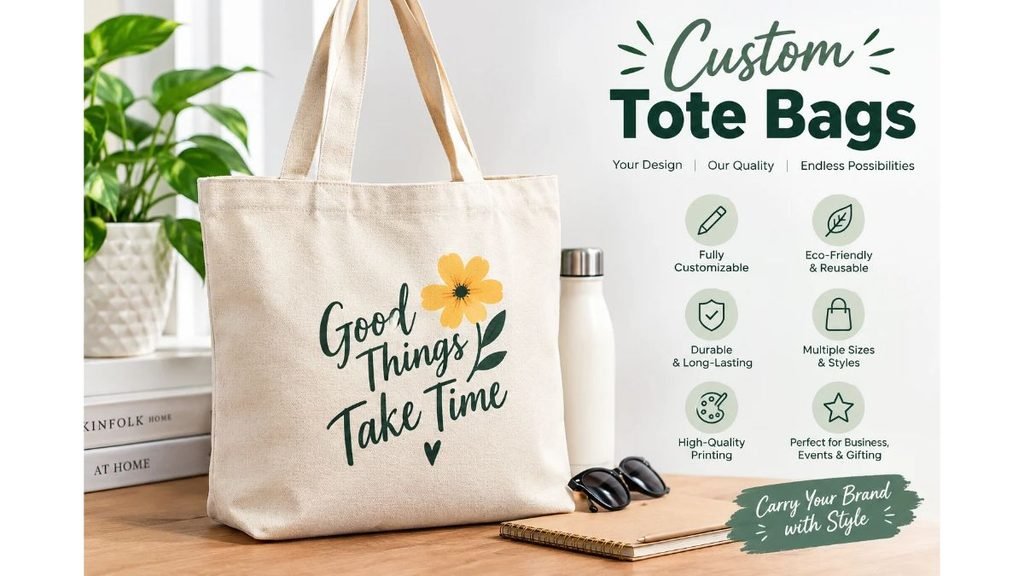
Custom Tote Bags
Although tote bags are not clothing, they can complement a fundraising apparel collection. They may cost less to ship than bulky garments and can provide another product for supporters who do not want to purchase clothing.
Tote bags can carry campaign artwork, organization logos, or sponsor messages.
Best for: School events, community campaigns, charity markets, and awareness activities.
2. Set a Clear Fundraising Goal and Budget
Before contacting suppliers, calculate how much money your campaign needs to raise. A clear target helps you choose the right quantity, product type, and selling price.
Start by listing your expected expenses:
- Garment manufacturing or purchase costs
- Printing, embroidery, and branding
- Sample development
- Packaging and labels
- Shipping and delivery
- Taxes, duties, or other applicable charges
- Payment processing and selling fees
- Contingency funds for unexpected expenses
Next, estimate how much revenue your campaign could generate.
Use this basic formula:
Fundraising profit = Total sales revenue − Total campaign costs
For example, suppose an organization plans to sell 200 custom T-shirts at $20 each. If the total cost of producing, delivering, and selling those shirts is $2,400, the estimated amount remaining for the cause is $1,600.
| Example calculation | Amount |
|---|---|
| Shirts sold | 200 |
| Selling price per shirt | $20 |
| Total sales revenue | $4,000 |
| Total campaign costs | $2,400 |
| Estimated fundraising profit | $1,600 |
These figures are illustrative, not supplier quotations. Actual costs depend on garment specifications, order quantity, decoration, shipping, and other expenses.
Always calculate profit using the full cost of delivering the products. A low manufacturing price does not automatically mean a more profitable fundraiser.
3. How to Find Affordable Custom Apparel for Fundraising Events
Finding a suitable supplier requires more than searching for the lowest price. You need a manufacturer or apparel provider that understands your product requirements, delivery schedule, budget, and expected quantity.
Search for Specialized Apparel Suppliers
Begin with targeted searches such as:
- Custom T-shirt manufacturers for fundraising
- Affordable bulk custom apparel
- Custom clothing manufacturers for nonprofits
- Wholesale event T-shirts
- Low-MOQ custom hoodie manufacturers
- Custom sportswear suppliers
- Private-label apparel manufacturers
- Custom screen printing for charity events
Add your preferred country or delivery market when location matters. Compare several suppliers rather than relying on a single search result.
Compare Local and International Suppliers
Local suppliers may offer easier communication, simpler sample delivery, and shorter domestic shipping routes. International manufacturers may provide a wider range of production options, but you should consider freight costs, customs requirements, and longer coordination times.
Evaluate the complete delivered cost for both options. A supplier with a lower garment price may become more expensive after shipping and import charges.
Ask for Written Quotations
Send each potential supplier the same specifications. Include the garment type, quantity, colors, size range, artwork, decoration method, packaging, and destination.
Ask suppliers to separate the major costs where possible. This makes it easier to compare quotes fairly.
Review Their Relevant Experience
Look for suppliers that can demonstrate experience with similar garments and decoration methods. Ask for product photographs, samples, or examples of comparable work.
Confirm whether the supplier manufactures the garments, decorates ready-made apparel, or outsources part of the process. Each arrangement can work, but you should understand who is responsible for quality and delivery.
4. Choose the Best Printing or Decoration Method
The decoration method affects the appearance, durability, and cost of fundraising apparel. The best choice depends on your artwork, order quantity, fabric, and design complexity.
Screen Printing
Screen printing transfers ink through a prepared screen onto a garment. It is often suitable for larger orders with simple artwork and a limited number of colors.
Setup costs can make it less economical for very small orders. However, spreading those costs across more garments may reduce the decoration cost per piece.
Consider it for: Large charity T-shirt orders, school events, and simple campaign designs.
Direct-to-Garment Printing
Direct-to-garment (DTG) printing applies ink directly to suitable garments. It can reproduce detailed artwork and multiple colors without the same screen setup used in traditional screen printing.
The price depends on garment color, print size, artwork, and the supplier’s equipment.
Consider it for: Detailed illustrations, small runs, and designs with multiple colors.
Heat Transfer Printing
Heat transfer methods apply a printed or cut design to a garment using heat and pressure. Depending on the transfer type, this method can support names, numbers, logos, and detailed graphics.
Ask about the transfer’s feel, durability, fabric compatibility, and care requirements.
Consider it for: Small event orders, personalized apparel, and designs with individual names or numbers.
Embroidery
Embroidery stitches a design directly onto fabric. It can provide a textured appearance and works well for many logos on hoodies, sweatshirts, caps, and team apparel.
Embroidery costs depend on design size, stitch count, placement, and garment construction.
Consider it for: Premium-looking volunteer apparel, team clothing, and reusable branded garments.
Sublimation
Sublimation transfers dye into suitable materials, commonly polyester-based fabrics. It can work well for full-color designs on compatible garments.
It is not suitable for every fabric or garment color. Confirm material requirements before selecting this process.
Consider it for: Certain performance garments, sportswear, and full-color designs.
Before choosing a method, request recommendations based on your artwork and fabric. The cheapest method is not always the best if it fails to reproduce the design clearly or meet durability expectations.
5. Keep Your Apparel Design Simple and Recognizable
A fundraising garment should communicate the cause clearly. A complicated design may increase decoration costs and make the message harder to read.
Start with a clear design brief that includes:
- Event or organization name
- Main fundraising message
- Logo or campaign artwork
- Preferred garment color
- Print or embroidery placement
- Required sponsor logos
- Size and color requirements
Use readable text and artwork that remains clear at the intended print size. Make sure you have permission to use logos, photographs, and other copyrighted material.
Consider printing the main design on the front and using the back for sponsor names or event details only when needed. Extra print locations may increase the price.
Request a digital mockup before approving a sample. A mockup helps you check placement, proportions, and colors, but it cannot replace a physical sample when fabric quality and fit matter.
6. Understand Minimum Order Quantities
Minimum order quantity (MOQ) is the smallest order a supplier accepts under its stated terms. Understanding MOQ is especially important when planning affordable custom apparel for fundraising events.
Some providers can decorate small quantities of existing garments. Custom manufacturers may have different minimums depending on fabric sourcing, garment construction, colors, and production requirements.
Ask whether the MOQ applies to the whole order or separately to each style, color, or size run.
To make smaller campaigns more practical, consider these options:
- Choose one garment style.
- Limit the number of colors.
- Use readily available fabrics.
- Reduce unnecessary design variations.
- Collect preorders before confirming quantities.
- Ask whether the supplier offers a smaller pilot order.
If you need several hundred garments, request quotations at different quantity levels. The unit price may decrease as order size increases, but ordering more than you can sell can reduce your final profit.
Choose a quantity based on realistic demand rather than assuming that a larger order will always save money.
7. Order Samples Before Bulk Production
A sample lets you check the product before committing to a larger order. It is particularly valuable when the campaign has a fixed event date or the apparel will be sold to donors and supporters.
Review the sample for:
- Fabric feel and weight
- Garment measurements
- Fit and comfort
- Stitching and seam quality
- Print clarity and placement
- Embroidery quality
- Color consistency
- Labels and finishing
If the apparel will be worn during physical activities, check whether the fabric and construction suit the intended use.
Share any required corrections with the supplier in writing. Confirm the final artwork, garment measurements, and decoration details before approving bulk production.
Ask about sample fees, shipping costs, revisions, and estimated development time. These expenses should be included in your fundraising budget.
Never assume that a digital preview proves the final garment will look or feel exactly as expected.
8. Select the Right Fabric and Garment Quality
Affordable apparel should still be comfortable and appropriate for its purpose. Supporters are more likely to value a product that fits well and remains wearable after the event.
Cotton
Cotton is commonly used for casual T-shirts and sweatshirts. It can provide a soft feel and works with several decoration methods. The exact performance depends on the fabric construction, weight, and finishing.
Polyester
Polyester is often used for performance apparel because it can suit activewear and sportswear applications. Check breathability, texture, and compatibility with the chosen printing method.
Cotton-Polyester Blends
Blended fabrics combine different fiber properties. They may be suitable for event T-shirts, sweatshirts, and other everyday garments.
Fleece and French Terry
These fabrics are common choices for hoodies and sweatshirts. Their warmth and surface characteristics vary, so confirm the material specification before approving the product.
When comparing fabrics, ask for composition, fabric weight, and care instructions. GSM means grams per square meter and describes fabric weight. A higher GSM does not automatically guarantee better quality; the right weight depends on the product and intended use.
9. Plan Sizes, Colors, and Order Quantities
Size planning can prevent excess stock and last-minute shortages. If your fundraiser uses preorders, collect sizes before confirming the bulk order.
If you are ordering inventory in advance, use previous sales data or reasonable estimates based on your audience. Avoid ordering equal quantities of every size unless you have evidence that this distribution fits your customers.
For color selection, consider your campaign identity, design contrast, and garment availability. A small color range can simplify production and help control costs.
Before submitting the order, confirm:
- Available size range
- Measurement chart
- Garment color references
- Quantity per size and color
- Artwork placement
- Label and packaging requirements
For international orders, ask the supplier to explain its size chart. Size labels can differ across markets, so use actual garment measurements rather than relying only on labels such as S, M, or L.
10. Manage Production and Event Deadlines
Fundraising events often have fixed dates. Apparel delays can affect sales, volunteer uniforms, and event preparation, so production planning is essential.
Create a schedule that includes design approval, sample development, revisions, bulk production, inspection, shipping, and delivery.
Do not plan around the production estimate alone. International freight, customs processing, public holidays, and unexpected corrections may add time.
Ask the supplier to confirm the expected schedule in writing. Establish when artwork and samples must be approved to keep the order moving.
For international shipments, confirm the shipping method, destination, responsibilities for import charges, and delivery terms. Ask whether the quotation includes duties and taxes or whether these are payable separately.
Place orders early enough to leave time for problems to be resolved. If your event date is close, ask the supplier whether the full order can realistically be completed and delivered before committing.
11. Choose a Reliable Custom Apparel Manufacturer
A suitable manufacturer should be able to explain its production process, answer questions clearly, and provide terms that match your project.
Consider asking the following questions:
- Can you produce the garment style we need?
- What is the minimum order quantity?
- Which printing or embroidery methods do you offer?
- Can we review a physical sample?
- What fabric options are available?
- What is included in the quotation?
- How do you inspect garments before shipment?
- What is the estimated production timeline?
- Which shipping options are available?
- How do you handle defective or incorrect products?
Verify business details and review relevant work examples. For large or time-sensitive orders, consider independent inspection arrangements and a written agreement.
Fashion Soul International is a factory-owned custom clothing manufacturer based in Sialkot, Pakistan. Its stated services include private-label, OEM, ODM, white-label, cut-and-sew, and full-package apparel production. The company supports product development, fabric sourcing, sampling, bulk manufacturing, quality control, custom branding, packaging, and international shipping.
Its product categories include T-shirts, hoodies, sportswear, activewear, workwear, tracksuits, and other custom garments. The company publishes a standard MOQ starting at 100 pieces, with the final quantity confirmed according to project requirements.
For fundraising organizers considering custom-manufactured apparel, the important step is to share the garment type, quantity, artwork, budget, and delivery destination to determine whether the supplier is suitable.
You can review its services at Fashion Soul International.
12. Use Preorders to Reduce Inventory Risk
Preorders can help fundraising organizers estimate demand before purchasing a large quantity of apparel. Supporters place orders in advance, allowing organizers to plan production around confirmed interest.
A preorder campaign may work well for schools, community groups, sports clubs, and nonprofit organizations with an engaged audience.
To manage preorders effectively:
- Show clear product mockups.
- Publish available sizes and colors.
- Set a clear order deadline.
- Explain the expected delivery date.
- Communicate whether orders are refundable.
- Confirm the final quantities with your supplier.
- Keep buyers informed if the schedule changes.
Remember that preorders do not eliminate risk. You still need a reliable supplier, accurate specifications, and a realistic delivery schedule. Do not promise delivery before you have confirmed that the production and shipping timeline is achievable.
13. Increase Fundraising Profit Without Sacrificing Quality
There are several ways to make a custom apparel fundraiser more financially efficient.
Focus on Products Supporters Will Use
Choose items that match your audience. Students may prefer T-shirts or hoodies, while sports teams may need performance apparel. A product that supporters actually want is easier to promote.
Simplify the Design
Use a clear message and a manageable number of print locations. This can reduce decoration complexity while making the campaign identity easier to recognize.
Compare Total Costs
Request comparable quotations and include samples, packaging, shipping, and applicable taxes. Evaluate the full cost rather than selecting the lowest quoted garment price.
Use Preorders When Appropriate
Preorders can help you avoid purchasing more inventory than your audience needs. They also provide a clearer demand estimate.
Set a Realistic Selling Price
Your selling price should cover the complete cost and leave a reasonable contribution toward your fundraising goal. Consider your audience’s budget and the perceived value of the garment.
Coordinate Sponsors
Where appropriate, sponsors may help cover some campaign costs in exchange for agreed recognition. Document the arrangement and confirm any logo or branding permissions before production.
Avoid reducing quality to the point that the apparel becomes uncomfortable or difficult to wear. A balanced product can support both fundraising goals and long-term visibility for the cause.
14. Common Mistakes to Avoid
Choosing a Supplier Based Only on Price
A low quotation may exclude important costs or involve a product that does not meet your requirements. Compare samples, specifications, and total costs before deciding.
Ordering Too Many Garments
Excess inventory can reduce the money available for your cause. Estimate demand carefully and consider preorders where practical.
Ignoring Artwork Permissions
Using copyrighted characters, photographs, logos, or other protected artwork without permission can create legal and production problems. Confirm that your organization has the right to use every design element.
Leaving Sampling Until the Last Minute
A sample may reveal issues that require revisions. Schedule enough time for approval and corrections before bulk production.
Failing to Confirm Delivery Terms
Clarify shipping methods, costs, duties, taxes, and responsibilities. Confirm whether the supplier’s estimate covers delivery to your actual destination.
Forgetting Size Planning
Incorrect size estimates can leave you with unwanted stock or disappointed supporters. Collect size information when possible and review the supplier’s measurement chart.
Frequently Asked Questions
What is the most affordable apparel for fundraising events?
T-shirts are often a practical starting point because they are versatile and can be ordered in different quantities and decoration styles. However, actual affordability depends on fabric, design, order size, printing, shipping, and selling price.
How can I get custom fundraising shirts at a low cost?
Keep the design simple, compare multiple written quotations, choose suitable readily available garments, and evaluate quantity-based pricing. Include shipping, packaging, and decoration when calculating the total cost.
What is the best printing method for fundraising apparel?
Screen printing may suit larger orders with simple artwork. DTG can be useful for detailed designs, while embroidery may suit selected logos on hoodies and sweatshirts. The best option depends on the garment, artwork, quantity, and budget.
What is the minimum order quantity for custom apparel?
There is no universal MOQ. It depends on the supplier, product, fabric, customization, and production method. Ask whether minimums apply per design, color, or size run before confirming your budget.
Should a nonprofit use preorders for fundraising apparel?
Preorders can help nonprofits estimate demand and reduce the risk of excess inventory. Organizers should communicate order deadlines, expected delivery dates, and refund terms clearly.
How far in advance should I order fundraising apparel?
Start planning as early as possible, especially for international production. Allow time for samples, revisions, bulk manufacturing, inspection, shipping, and possible delays. Confirm the schedule with your supplier before announcing a delivery promise.
Can custom hoodies and sportswear be used for fundraisers?
Yes. Hoodies, sweatshirts, jerseys, tracksuits, and performance tops can work well for school groups, athletic clubs, community organizations, and seasonal campaigns. Choose products that fit your audience and the event’s purpose.
Conclusion
Affordable custom apparel for fundraising events can help organizations raise money, promote important causes, and create a shared identity among supporters. The key is to match your product choice with your audience, budget, fundraising target, and event schedule.
Start with a clear plan, compare suppliers, review samples, and confirm all production and shipping costs. Use a suitable decoration method, choose practical fabrics, and estimate demand carefully before placing your order.
By making informed sourcing decisions and keeping communication clear, your organization can create custom apparel that supporters value while keeping the campaign focused on its fundraising goal.