Company Apparel Store for Employees: A Complete Guide
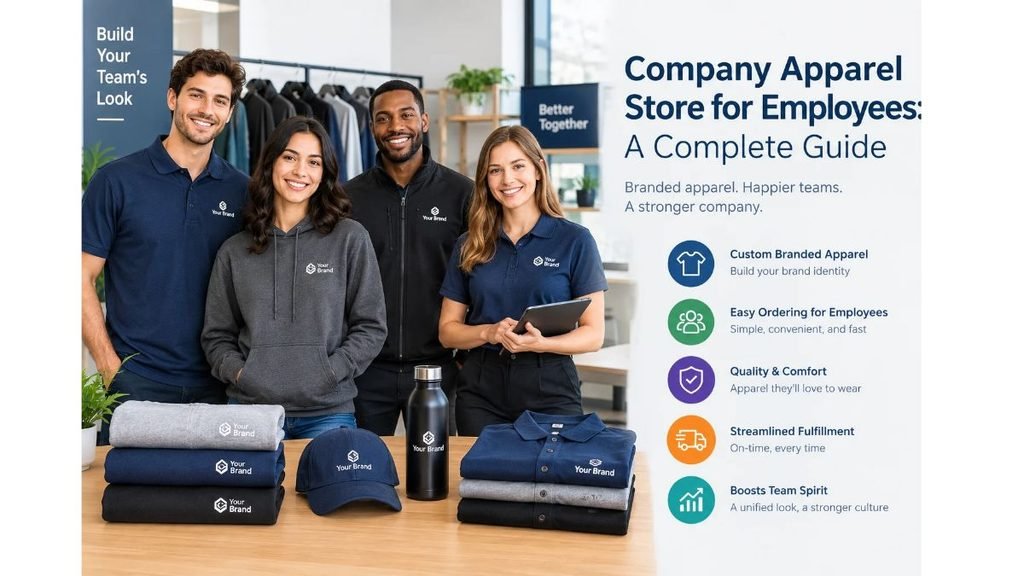
A company apparel store for employees gives businesses a simple way to provide branded clothing, uniforms, and workwear to their teams. It can serve as a central place where employees browse approved products, select their sizes, and order clothing that represents the company. Depending on the business, the store may be managed internally, operated through an online platform, or supported by an apparel supplier.
Employee apparel programs can help companies maintain a consistent brand image, simplify clothing orders, and give staff access to suitable workwear. However, an effective program requires more than adding a logo to a shirt. Businesses must consider fabric quality, comfort, sizing, branding, inventory, budget, and employee needs.
This guide explains how a company apparel store works, which products to include, how to organize an employee clothing program, and how to choose a suitable apparel manufacturer.
What Is a Company Apparel Store for Employees?
A company apparel store for employees is a dedicated place where staff can access clothing approved by their employer. It may offer branded T-shirts, polo shirts, hoodies, jackets, uniforms, and other garments suitable for work or company events.
Some stores operate online, while others use a physical showroom, an internal ordering system, or a third-party apparel provider. The right setup depends on the organization’s size, workforce, budget, and clothing requirements.
For example, a retail business might offer branded polo shirts and lightweight jackets. A construction company may need durable workwear, while a technology company might provide casual T-shirts and hoodies for employees.
A well-organized store helps employees find suitable products without making every department manage clothing orders separately.
How Does an Employee Apparel Store Work?
The process usually begins when a company decides which garments employees can order. The business then selects designs, colors, fabrics, sizes, and branding options.
After these decisions, the apparel store displays the approved products. Employees can review the available items and place orders according to company policies.
A typical process includes:
- Product selection: The company chooses suitable garments for its workforce.
- Design approval: Brand colors, logos, artwork, and garment details are finalized.
- Supplier selection: The business chooses a manufacturer or apparel provider.
- Sampling: Physical samples are reviewed before a larger order.
- Ordering: Employees or authorized departments submit clothing requests.
- Production and fulfillment: The supplier produces or supplies the garments.
- Distribution: Orders are delivered to employees or a central company location.
Companies can adjust this process to suit their needs. A small business may use a simple order form, while a larger organization may need a dedicated online store and structured inventory management.
Benefits of a Company Apparel Store for Employees
An employee apparel program can support branding, improve ordering efficiency, and make it easier to provide suitable clothing across departments. Its benefits depend on how well the company plans and manages the program.
1. Build a Consistent Brand Identity
Branded clothing helps employees present a recognizable image when they interact with customers, attend events, or represent the company outside the workplace.
Consistent colors, logos, and garment styles can reinforce brand recognition. For example, matching polo shirts may suit customer-facing employees, while branded hoodies may work well for internal teams and company events.
Consistency does not mean every employee must wear the same garment. A company can offer several approved styles while maintaining a unified visual identity.
2. Simplify Clothing Orders
Without a central system, departments may order different garments from different suppliers. This can lead to inconsistent colors, varying logo placement, and unnecessary administrative work.
A company apparel store creates a more organized process. Employees can select from approved products, and managers can monitor orders more easily.
A centralized approach can also help businesses maintain standard product specifications across repeat orders.
3. Support Employee Engagement
Company clothing can help employees feel connected to their workplace, especially during team activities, conferences, volunteer events, and company celebrations.
However, branded clothing should not be treated as a substitute for fair workplace policies or a positive working environment. Employees are more likely to appreciate apparel when it is comfortable, useful, and appropriate for their roles.
Offering a choice of garments can make the program more practical for different preferences and working conditions.
4. Improve Uniform and Workwear Management
Some industries require specific clothing for daily operations. Retail, hospitality, manufacturing, logistics, and field services may need garments that are easy to identify and suitable for regular use.
A company apparel store can organize these products by department, role, or work environment. This makes it easier to distinguish everyday branded clothing from required uniforms or protective workwear.
Where safety equipment is necessary, branded apparel must not replace certified protective equipment or relevant workplace safety requirements.
5. Make Repeat Orders Easier
Employees join, leave, and change roles. Existing garments also wear out and need replacement.
A central store can help companies reorder established designs without restarting the entire product development process. Keeping approved specifications, measurements, color references, and artwork on record can make repeat production more consistent.
What Products Should an Employee Apparel Store Include?
The product range should reflect the company’s identity and the practical needs of its employees. A store does not need hundreds of products to be useful. A focused collection with appropriate styles, sizes, and fabrics may be easier to manage.
T-Shirts and Polo Shirts
T-shirts and polo shirts are common choices for everyday company apparel.
T-shirts can work for casual offices, events, promotional activities, and internal team programs. Polo shirts offer a slightly more structured appearance for retail staff, sales teams, reception areas, and customer-facing roles.
When selecting these garments, consider fabric weight, softness, shrinkage, color consistency, stitching, and logo placement.
Hoodies and Sweatshirts
Hoodies and sweatshirts are useful options for casual workplaces, outdoor activities, employee gifts, and cooler conditions.
Common fabric choices include cotton, cotton blends, French terry, and fleece. The best option depends on the required warmth, garment weight, comfort, and intended use.
Businesses should also decide whether they want a simple embroidered logo, a printed design, or more detailed branding.
Jackets and Outerwear
Jackets can suit field teams, outdoor staff, event crews, and employees who work in changing weather conditions.
The selection may include lightweight jackets, zip-up styles, softshell garments, or heavier outerwear. Companies should match the garment to the working environment rather than choosing based on appearance alone.
If the clothing needs weather resistance, high visibility, or protective features, the required performance specifications should be confirmed before production.
Workwear and Uniforms
Workwear may be necessary for employees in manufacturing, warehousing, maintenance, hospitality, and other operational roles.
Depending on the job, businesses may need durable trousers, work shirts, coveralls, aprons, or specialized uniforms.
Important considerations include fabric strength, seam construction, ease of movement, wash performance, and compatibility with workplace requirements.
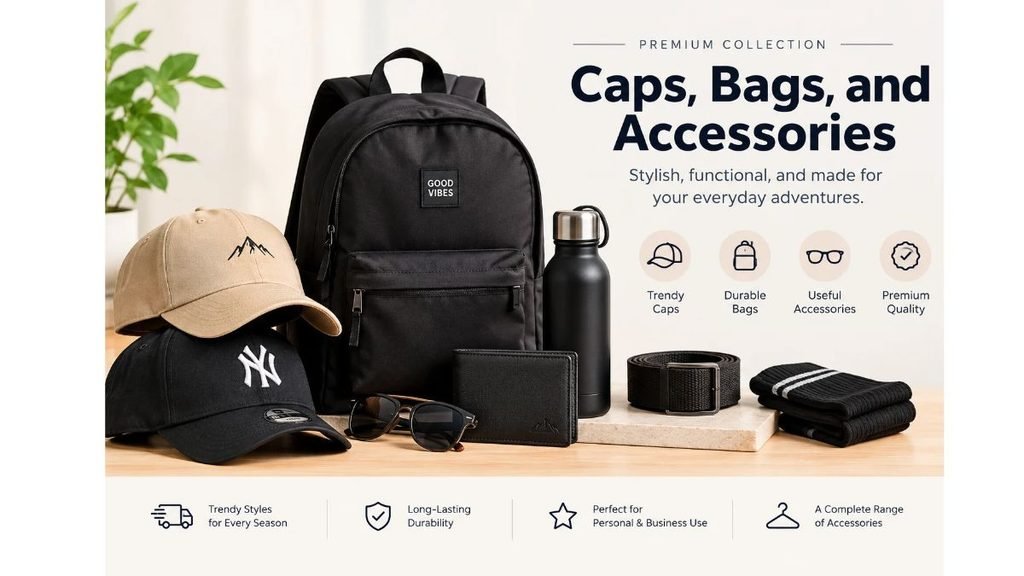
Caps, Bags, and Accessories
A company apparel store can also offer accessories such as caps, tote bags, backpacks, and other branded items.
These products can complement an employee clothing collection and may be useful for onboarding kits, company events, or staff appreciation programs.
Accessories should support the main program rather than create unnecessary complexity.
How to Design Branded Clothing for Employees
Good employee apparel combines brand identity with practical garment design. A product that looks attractive but feels uncomfortable or wears out quickly may not serve the company well.
Choose Suitable Colors and Logo Placement
Start with the company’s brand guidelines. Identify approved colors, logo versions, typography, and any rules about how the brand should appear.
Next, decide where the logo should go. Common placements include the left chest, sleeve, back, or front center.
A small embroidered logo may suit a polo shirt, while a larger printed graphic may work better for an event T-shirt. The decision should account for the garment, logo complexity, intended appearance, and production budget.
Always review a digital mockup before sampling. This helps confirm the logo’s size, placement, and relationship to the garment design.
Select the Right Fabric
Fabric influences comfort, durability, appearance, and care requirements.
Cotton is often chosen for its natural feel and everyday comfort. Polyester can be useful for garments that need particular performance characteristics. Blended fabrics may combine different properties, depending on their composition and construction.
For active or outdoor roles, moisture management, stretch, and drying performance may matter. For frequent washing, color retention, seam durability, and shrinkage should be considered.
GSM means grams per square meter. It describes fabric weight and can help buyers compare materials. However, a higher GSM does not automatically mean better quality. Fiber type, construction, finishing, and intended use also matter.
Select Appropriate Decoration Methods
The main decoration options include embroidery, screen printing, direct-to-garment printing, heat transfer, and other specialty methods.
- Embroidery: Creates a stitched logo and often suits polos, jackets, and selected workwear.
- Screen printing: Can work well for repeat orders and suitable graphic designs.
- Direct-to-garment printing: May suit detailed artwork on appropriate garments.
- Heat transfer: Can support certain logos, names, and graphic applications.
There is no single best method for every product. The choice depends on the fabric, artwork, order quantity, required durability, and budget.
How to Set Up a Company Apparel Store for Employees
A successful store needs clear policies, suitable products, and an ordering process employees can understand.
Step 1: Identify Employee Needs
Start by determining who will use the apparel store and why.
A company may need uniforms for specific roles, optional branded clothing for office staff, or merchandise for company events. These are different requirements and may need separate product categories.
Ask departments about their daily tasks, working conditions, preferred garments, and replacement needs. This information helps prevent unsuitable purchases.
Step 2: Establish a Budget
Decide how the program will be funded.
Some companies pay for all required uniforms. Others provide an annual clothing allowance or offer optional branded merchandise that employees purchase themselves. A mixed approach may be suitable for organizations with different roles.
The budget should account for more than the garment price. Include samples, branding, packaging, shipping, storage, order administration, and possible replacement garments.
Step 3: Select Approved Products
Choose a manageable collection of garments that meets the company’s requirements.
For each product, define the fabric, colors, available sizes, branding method, logo position, and other important specifications. Keep these details consistent across product listings and supplier orders.
If employees need different garments for different roles, organize the store by department or product type.
Step 4: Choose an Ordering Method
The store can be simple or advanced depending on the company’s needs.
A smaller business may use a shared form or internal ordering page. A growing company may prefer an online store with product images, size information, order tracking, and payment or allowance options.
A larger organization may need approval workflows, department budgets, inventory controls, and integration with existing business systems.
The most useful system is one that employees can use easily and administrators can maintain without excessive effort.
Step 5: Create Clear Policies
Employees should know which products are available, who pays for them, and when orders can be placed.
Explain whether clothing is mandatory or optional, how size exchanges work, and how replacements are handled. If employees pay for optional products, make prices and any additional charges clear before checkout.
Policies should also explain how employee information and order records are managed.
Step 6: Test the Program Before Expanding
Begin with a small group or limited product selection when practical.
Collect feedback about sizing, comfort, fabric, garment quality, and ordering convenience. Use this information to improve the collection before expanding it across the organization.
How to Choose a Company Apparel Supplier
The supplier plays a major role in product quality, consistency, and the overall employee experience. Businesses should compare suppliers based on their actual requirements instead of choosing only by price.
Review Manufacturing Capabilities
Ask whether the supplier can produce the required garment types and handle the desired customization.
For custom apparel, relevant capabilities may include fabric sourcing, pattern development, sampling, cutting, sewing, embroidery, printing, labeling, and packaging.
If your company needs several types of garments, confirm whether the supplier can manage the full range or whether multiple suppliers will be necessary.
Confirm Minimum Order Quantities
Minimum order quantity, or MOQ, is the smallest quantity a supplier will accept for a particular production order.
Some suppliers have different minimums depending on the garment, fabric, color, construction, and decoration method. This matters when a company has a small workforce or needs frequent replacements rather than large annual orders.
Ask for written confirmation of the MOQ for each product. Also check whether repeat orders can use the same specifications and whether the supplier has any requirements for color or size quantities.
Request Physical Samples
A physical sample helps buyers evaluate the garment before committing to bulk production.
Review the sample for:
- Fabric feel and weight
- Measurements and fit
- Stitching and seam construction
- Color and finishing
- Logo size and placement
- Print or embroidery quality
- Labels and other trims
A sample should represent the intended production specifications as closely as possible. Approve the final sample and record any changes before bulk production begins.
Evaluate Quality Control
Ask how the supplier checks garments during and after production.
Useful inspection points include garment measurements, stitch quality, branding accuracy, color consistency, trim attachment, and finishing. The appropriate inspection process depends on the product and the company’s quality requirements.
For repeat orders, keep a record of approved samples and specifications. This provides a reference for comparing future production.
Understand Production and Shipping Timelines
Ask for estimated sample development, bulk production, and shipping timelines separately.
The total delivery period may include material sourcing, sample approval, production, inspection, packaging, export processing, and transit. Delays can occur if artwork, measurements, fabric choices, or approvals are incomplete.
International buyers should also confirm shipping terms, delivery responsibilities, customs documentation, and any applicable duties before placing an order.
Managing Sizes, Inventory, and Repeat Orders
An apparel store can become difficult to manage if product information and stock records are inaccurate. A clear inventory plan helps reduce shortages, excess stock, and avoidable exchanges.
Provide Clear Size Information
Different manufacturers may use different size specifications. A medium from one supplier may not fit like a medium from another.
Provide garment measurements where possible, including chest width, body length, sleeve length, and other relevant dimensions. Explain how employees should measure themselves or compare the size chart with a garment they already own.
For large or diverse workforces, consider whether the range needs extended sizes or different fits.
Track Inventory Carefully
Record available quantities by product, color, and size. Monitor which items are ordered frequently and which remain unused.
This information helps businesses make more informed replenishment decisions. It can also identify products that should be discontinued or adjusted.
For custom manufacturing, plan orders around realistic employee demand, storage capacity, and lead times.
Keep Product Specifications on File
Repeat orders are easier when the company retains approved artwork, fabric details, measurements, decoration instructions, labels, and packaging requirements.
Changes should be documented rather than communicated informally. Even small adjustments to fabric, color, or logo placement can affect the final garment.
Common Mistakes to Avoid
Several issues can reduce the effectiveness of an employee apparel program.
Choosing price over quality: A lower initial price may not provide the best value if garments wear out quickly or require frequent replacement.
Offering too many products: A large collection can increase purchasing and inventory complexity. Begin with products that meet clear employee needs.
Ignoring comfort and fit: Employees may avoid clothing that feels uncomfortable or restricts movement. Consider the job, climate, fabric, and sizing requirements.
Skipping sample approval: Digital images cannot fully demonstrate fabric feel, fit, or construction. Review physical samples before committing to bulk production.
Changing specifications without documentation: Unrecorded changes can lead to inconsistent repeat orders. Maintain clear, approved product specifications.
Making ordering confusing: Employees should understand how to select a size, submit an order, and request a replacement. Keep the process straightforward.
Ignoring employee feedback: Feedback can reveal problems with garment fit, fabric, durability, or the ordering system. Review it regularly and make practical improvements.
How Fashion Soul International Can Support Custom Employee Apparel
Companies that need custom branded clothing may choose to work directly with an apparel manufacturer rather than relying entirely on ready-made products.
Fashion Soul International is a factory-owned custom clothing manufacturer based in Sialkot, Pakistan. Its services include private-label, OEM, ODM, white-label, cut-and-sew, and full-package apparel production.
For a company apparel program, relevant services can include product development, fabric and trim sourcing, sampling, bulk manufacturing, quality control, custom branding, packaging, and international shipping.
Potential products include T-shirts, polo-style garments, hoodies, jackets, workwear, sportswear, and other custom clothing, depending on the required specifications.
What to Prepare Before Requesting a Quote
Businesses can make the quotation process more efficient by preparing a clear brief. Useful information includes:
- Types of garments required
- Estimated quantity for each product
- Preferred fabrics and colors
- Logo artwork and placement
- Available size range
- Required labels and packaging
- Target delivery date
- Shipping destination
A completed tech pack can help communicate specifications, but a business can begin an inquiry with reference images, sketches, or a design brief. Finalized technical information or a suitable reference sample is needed for accurate sample development.
Minimum Order Quantity and Sampling
Fashion Soul International publishes a standard minimum order quantity starting at 100 pieces. The applicable MOQ should be confirmed for the specific garment, color, and production requirements.
The company’s published sample development timeline is generally 7–14 business days, while bulk production is generally 20–35 business days after sample approval. Actual timing depends on the project, and shipping transit time is separate unless a quotation states otherwise.
Physical sample approval before bulk production helps the buyer review the garment and confirm the specifications.
Quality Control and International Shipping
Fashion Soul International describes a workflow that includes inline quality checks and pre-shipment inspection. The company also offers custom branding, packaging, export documentation, and international shipping options.
For an employee apparel program, the buyer should confirm the inspection requirements, order quantities, approved specifications, delivery terms, and replacement arrangements before production begins.
To discuss a custom apparel project, visit the official website at https://fashionsoulintl.com/ and share the product details, estimated quantities, and branding requirements.
Frequently Asked Questions
What is a company apparel store for employees?
It is a dedicated store or ordering system where employees can access company-approved clothing, such as uniforms, branded T-shirts, hoodies, jackets, and accessories. It may operate online or through an internal ordering process.
Should a company apparel store be online or physical?
An online store can simplify ordering for employees across multiple offices or locations. A physical store may help when employees need to try garments on before ordering. Some businesses use a combination of both approaches.
Which clothing items should companies offer employees?
Common options include T-shirts, polo shirts, hoodies, sweatshirts, jackets, uniforms, workwear, caps, and bags. The right collection depends on the workplace, employee preferences, branding requirements, and budget.
How much does employee company apparel cost?
The cost depends on garment type, fabric, quantity, decoration, labels, packaging, and shipping. Custom manufacturing quotes should specify which services are included so companies can compare suppliers fairly.
Can companies order custom-branded employee clothing?
Yes. Businesses can request custom colors, logos, embroidery, printing, labels, and other garment details. The available options depend on the supplier’s capabilities and the product specifications.
What is the minimum order quantity for custom employee apparel?
MOQ varies by manufacturer and product. Some suppliers accept smaller orders, while others require larger quantities based on fabric sourcing, construction, or decoration. Ask for a product-specific quotation before finalizing the order.
How can a company maintain consistent clothing quality?
Use approved samples, documented measurements, clear material specifications, consistent branding instructions, and defined quality checks. Keep these records for future orders and review any proposed changes before production.
How often should companies replace employee clothing?
There is no universal replacement schedule. It depends on garment quality, frequency of use, working conditions, washing practices, and company policy. Businesses can establish replacement guidelines and monitor employee feedback to identify when new garments are needed.
Conclusion
A company apparel store for employees can make branded clothing easier to organize, order, and maintain. The strongest programs begin with employee needs, practical product choices, clear policies, and reliable supplier processes.
Businesses should pay close attention to fabric quality, sizing, customization, minimum order quantities, sample approval, quality control, and delivery timelines. A simple store with well-selected garments can be more effective than a large collection that is difficult to manage.
Whether you need everyday branded T-shirts, employee hoodies, professional uniforms, or custom workwear, plan the program around your workforce and brand requirements. With clear specifications and a suitable apparel manufacturing partner, your company can build a clothing program that is practical, consistent, and easier to maintain as the business grows.