How Does Compression Clothing Work? The Science, Benefits, and Uses
Compression clothing has become a popular choice for athletes, runners, gym users, and people who enjoy comfortable activewear. From compression shirts and leggings to sleeves and socks, these garments are designed to fit closely against the body. They apply controlled pressure to selected areas while allowing the wearer to move.
But how does compression clothing work, and does it actually improve athletic performance? The answer depends on the type of garment, how it fits, and what the wearer expects from it.
Compression clothing uses elastic fabrics to apply pressure to muscles and surrounding tissues. This pressure may help manage muscle movement, support circulation in certain situations, and improve comfort during or after exercise. However, not every claimed benefit has strong scientific support.
Understanding the science behind compression clothing can help athletes choose suitable garments. It can also help clothing brands develop better sportswear products that meet customer needs.
What Is Compression Clothing?
Compression clothing is a type of close-fitting apparel designed to apply gentle, controlled pressure to specific body areas. It is commonly used during exercise, sports, recovery routines, and some medical treatments.
Unlike loose sportswear, compression garments fit closely around the body. Their stretch fabrics create pressure when worn. The amount and distribution of pressure depend on the garment’s design, material, size, and construction.
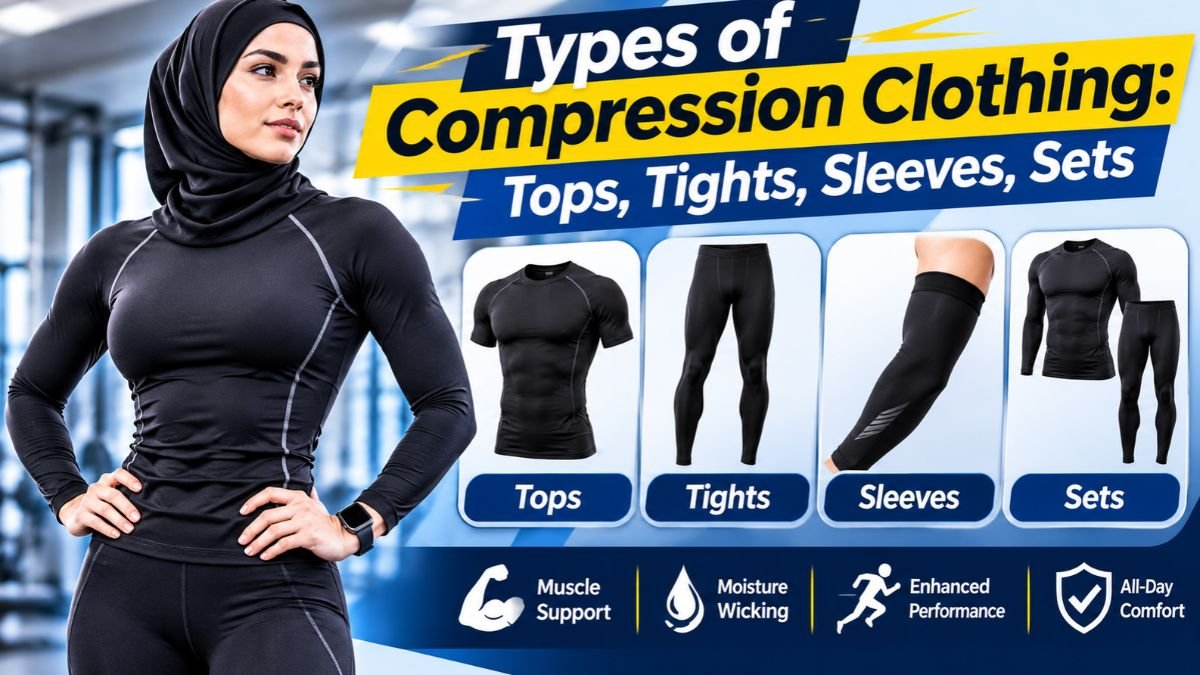
Common compression clothing products include:
- Compression shirts and T-shirts
- Compression leggings and tights
- Compression shorts
- Compression sleeves for arms and legs
- Compression socks
- Compression tops for athletic training
- Full-body compression suits
Athletes may wear these garments during running, cycling, weight training, football, basketball, and other activities.
It is important to understand that sports compression clothing is not the same as medical compression garments. Medical products are designed for specific health needs and may require professional guidance. Athletic compression clothing is generally designed for comfort, fit, and sports-related use.
How Does Compression Clothing Work?
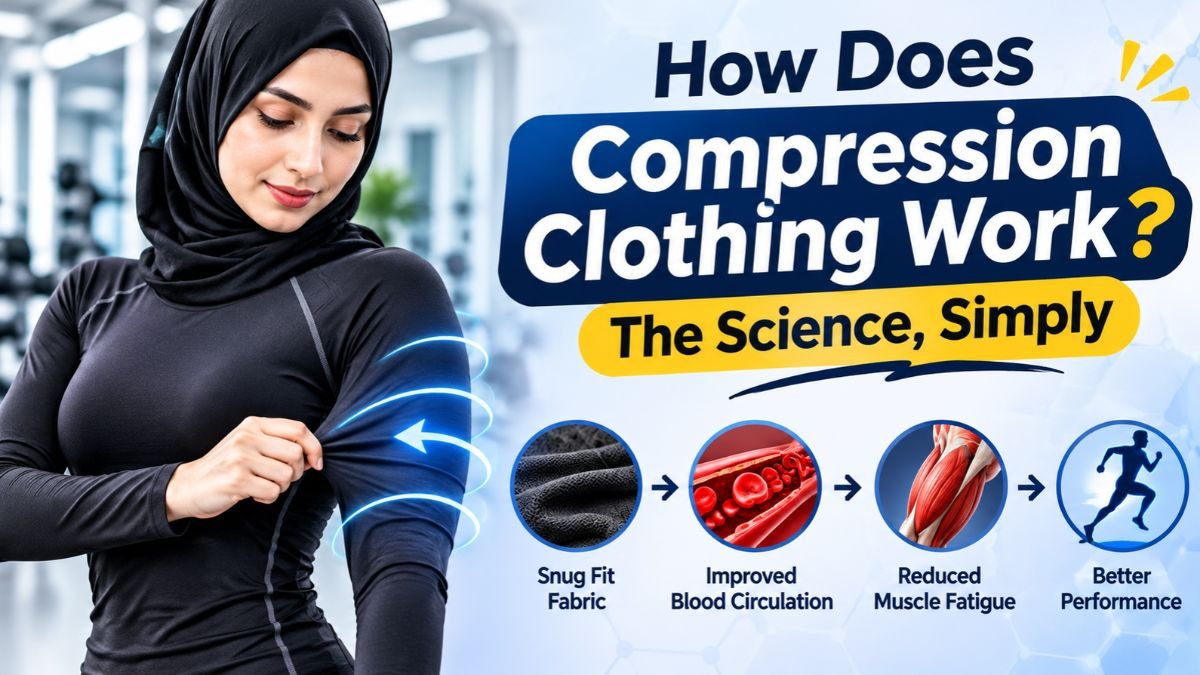
Compression clothing works by applying external pressure to the body through elastic fabric. This pressure creates a close fit around the muscles and surrounding tissues.
The garment stretches when the wearer moves. It then provides a controlled level of resistance against the body. This pressure may influence how muscles and soft tissues move during physical activity.
There are several ways compression clothing may affect the wearer.
1. It Applies Pressure to Muscles
Compression garments fit closely around selected muscle groups. The fabric applies pressure to the skin and underlying soft tissues.
This close fit may help reduce excessive movement of soft tissues during activities such as running and jumping. Some athletes find this supportive feeling comfortable.
However, compression clothing does not physically strengthen muscles. It also does not replace strength training, proper technique, or physical conditioning.
2. It May Support Blood Circulation
One of the most discussed features of compression clothing is its possible effect on circulation.
External pressure can influence blood flow through veins. Medical compression garments are designed to apply specific pressure levels and, in some cases, graduated compression. Graduated compression means pressure is stronger in one area, usually farther from the heart, and gradually decreases along the limb.
This design can help support venous blood return in appropriate medical settings.
Sports compression clothing may also create pressure around the limbs. However, its pressure distribution and medical effects are not necessarily the same as those of professionally fitted medical garments.
The effect on circulation depends on garment design, pressure, fit, and the wearer.
3. It May Reduce Muscle Movement
During running, jumping, and other high-impact activities, muscles and surrounding tissues naturally move.
Compression garments hold close to the body. This may reduce some soft-tissue movement and create a more stable feeling.
Some athletes prefer this sensation because it makes their clothing feel supportive. However, research has not established that reduced muscle movement consistently produces better athletic performance.
4. It Provides a Close and Supportive Fit
Compression clothing creates a secure fit without the loose fabric found in many traditional sportswear products.
This can help athletes feel comfortable during repeated movements. It may also reduce fabric movement and unwanted bunching.
The garment should still allow normal breathing, stretching, and joint movement. Excessive tightness can cause discomfort and may make exercise harder.
The Science Behind Compression Clothing
The science behind compression clothing involves pressure, circulation, soft-tissue movement, and the body’s response to exercise.
Researchers have studied compression garments to understand whether they improve athletic performance, reduce muscle soreness, or support recovery.
Results vary depending on the activity, garment type, compression level, and research method.
Understanding External Pressure
Compression fabrics stretch around the body and apply pressure to the covered area.
This pressure depends on several factors:
- Fabric elasticity
- Fabric thickness
- Garment size
- Pattern and construction
- Body shape
- Amount of stretch
- Pressure distribution
A garment that is too loose may not provide the intended compression. One that is too tight may restrict movement or cause discomfort.
For this reason, accurate sizing is important.
Understanding Venous Return
Venous return refers to the movement of blood through veins back toward the heart.
Muscle contractions help push blood through the veins, especially in the legs. External compression can also influence this process.
Medical compression garments use carefully controlled pressure for certain circulation-related conditions. Sports compression garments may provide a supportive fit, but their effects on circulation are less predictable.
It is therefore inaccurate to claim that every compression shirt or pair of leggings automatically improves blood circulation.
Understanding Muscle Oscillation
Muscle oscillation refers to the movement or vibration of soft tissues during physical activity.
Activities such as running and jumping create repeated impacts. Compression clothing may reduce some of this movement by holding tissues close to the body.
Researchers have explored whether this effect can influence muscle fatigue and soreness. Some studies report small benefits in certain situations, but results are not consistent across all activities.
Understanding Proprioception
Proprioception is the body’s ability to sense the position and movement of its parts.
Close-fitting clothing provides contact with the skin. This sensation may help some wearers feel more aware of their body position.
However, compression garments should not be treated as a replacement for balance training, movement practice, or injury rehabilitation.
Does Compression Improve Oxygen Delivery?
Compression clothing is sometimes advertised as a way to deliver more oxygen to muscles.
This claim needs careful explanation.
Oxygen reaches muscles through the cardiovascular and respiratory systems. Compression garments do not directly increase the body’s oxygen production or guarantee better oxygen delivery during exercise.
Their possible effects on circulation and comfort should not be confused with a proven increase in athletic oxygen supply.
Does Compression Clothing Really Work?
Yes, compression clothing can provide practical benefits, but the results depend on the purpose and the individual.
Some athletes report improved comfort, reduced muscle soreness, or a feeling of support. Research has also found possible benefits for certain recovery outcomes.
However, evidence for improved speed, strength, endurance, or overall athletic performance is mixed.
Compression clothing should be viewed as an optional sportswear tool rather than a performance guarantee.
What Research Suggests
Research on compression garments has examined several areas:
- Exercise performance
- Muscle soreness after exercise
- Perceived fatigue
- Recovery between training sessions
- Swelling and circulation
- Comfort and perceived support
Some research suggests that compression garments may slightly reduce perceived muscle soreness or support recovery after strenuous exercise.
Other studies find little or no meaningful improvement in performance.
Differences in garment pressure, fabric, exercise type, participant fitness, and study design make results difficult to compare.
The most reasonable conclusion is that compression clothing may help with comfort and some recovery measures, but it does not produce the same results for everyone.
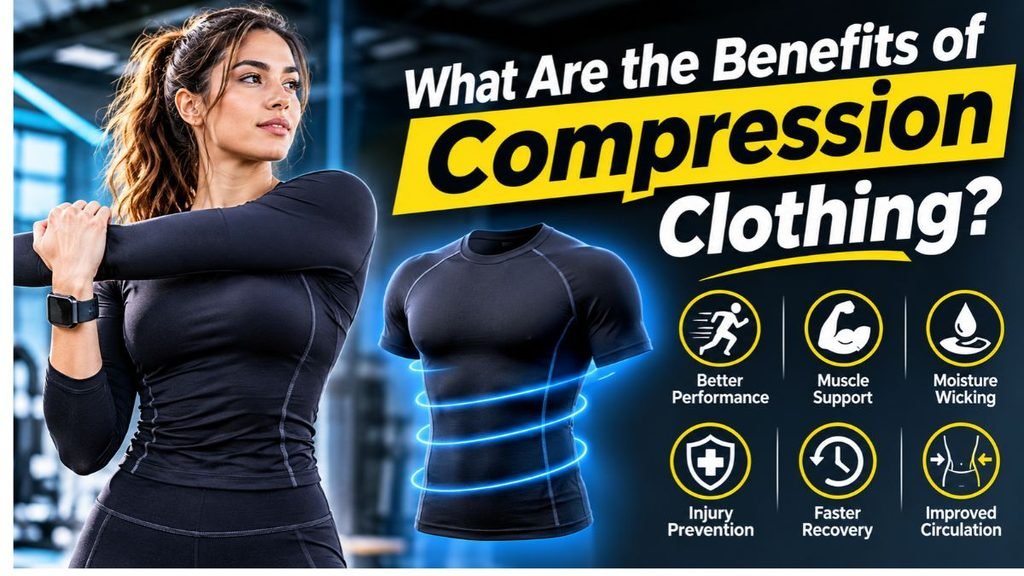
What Are the Benefits of Compression Clothing?
The benefits of compression clothing depend on the garment and the activity. Here are some commonly discussed advantages.
1. A Supportive Feeling During Exercise
Compression clothing fits closely around the body. Many athletes enjoy the secure feeling it provides during training.
This may be useful during running, gym sessions, cycling, and other activities involving repeated movement.
The support is mainly related to fit and fabric pressure. It should not be confused with a medical brace or guaranteed injury protection.
2. Possible Reduction in Muscle Soreness
Some research suggests that wearing compression garments after strenuous exercise may help reduce perceived muscle soreness.
This benefit is not guaranteed. Results differ between individuals and activities.
Compression clothing also does not eliminate the need for rest, appropriate training, hydration, and recovery.
3. Potential Recovery Support
Athletes often use compression leggings, tights, and socks after intense workouts.
The pressure may influence fluid movement and provide a comfortable feeling during recovery. Some studies have reported improvements in certain recovery measures.
However, compression garments do not remove the need for proper recovery habits. Sleep, nutrition, hydration, and sensible training loads remain important.
4. Comfortable Movement
Stretch fabrics allow compression garments to move with the body.
A well-designed garment can provide a close fit without unnecessary fabric movement. This can make activities such as running, stretching, and weight training more comfortable.
5. Moisture Management
Many compression garments use synthetic performance fabrics such as polyester and elastane blends.
These materials can be designed to move moisture away from the skin and dry relatively quickly.
Moisture management depends on the fabric construction and finishing, not compression alone.
6. Reduced Fabric Bunching
Loose clothing can move around during exercise. It may bunch up around the waist, knees, or arms.
Compression garments stay close to the body, which can reduce unwanted fabric movement.
This is particularly useful for activities involving frequent changes in direction or repeated movements.
7. Versatile Sportswear Options
Compression clothing is available in different styles and designs.
Athletes can choose compression shorts, shirts, leggings, sleeves, or socks depending on their preferences.
Some people wear compression garments as a base layer under other sportswear. Others use them as standalone training apparel.
Different Types of Compression Clothing
Compression garments are available for different body areas and sports activities.
Compression Shirts
Compression shirts fit closely around the chest, shoulders, and arms.
They are commonly worn during gym training, running, cycling, and team sports. Some athletes use them as base layers under jerseys or training tops.
A good compression shirt should provide stretch while allowing comfortable shoulder and arm movement.
Compression Leggings
Compression leggings cover the legs and provide a close fit around the thighs, knees, and lower legs.
They are popular for gym training, running, cycling, and general fitness.
Fabric stretch, waistband construction, opacity, and seam placement are important design considerations.
Compression Shorts
Compression shorts are often worn during running, gym workouts, and team sports.
They provide a close fit around the hips and thighs. Some athletes wear them underneath loose sports shorts.
A suitable pair should stay in place without restricting hip movement.
Compression Sleeves
Compression sleeves cover a specific area of the arm or leg.
They are available in different lengths and materials. Athletes may use them for comfort, warmth, or a supportive feeling.
The correct size is important because an excessively tight sleeve can cause discomfort.
Compression Socks
Compression socks apply pressure around the feet and lower legs.
Some are designed for athletic use, while medical compression socks are made for specific health needs.
Medical compression socks should be selected according to professional guidance when used to manage a medical condition.
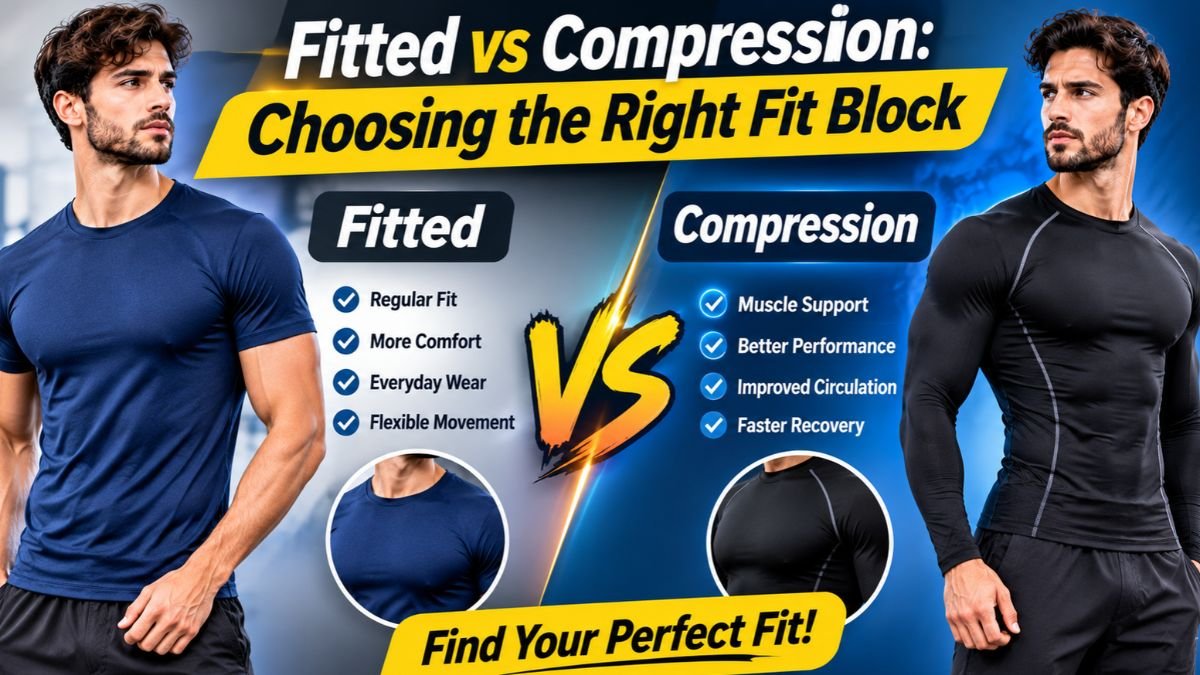
Compression Clothing vs Regular Sportswear
Compression clothing and regular sportswear both serve useful purposes. The main difference is their fit and pressure.
| Feature | Compression Clothing | Regular Sportswear |
|---|---|---|
| Fit | Close and body-hugging | Relaxed or fitted |
| Pressure | Applies external pressure | Usually applies little pressure |
| Fabric | Often uses elastic stretch blends | Uses different fabric types |
| Movement | Designed to stay close to the body | May allow more fabric movement |
| Common use | Training, layering, and recovery | Exercise and everyday activities |
| Feel | Secure and supportive | Loose or comfortable depending on design |
Neither option is automatically better.
Some athletes prefer compression garments for running and training. Others find regular sportswear more comfortable.
The best choice depends on personal preference, activity, fit, and fabric performance.
What Materials Are Used in Compression Clothing?
Fabric selection is essential when developing compression apparel. The material must stretch, recover its shape, and remain comfortable during movement.
Polyester
Polyester is widely used in sportswear because it is lightweight, durable, and suitable for moisture-management fabric constructions.
It is commonly blended with elastane to create stretch garments.
Elastane or Spandex
Elastane, also known as spandex, provides significant stretch and recovery.
It allows compression garments to stretch around the body and return toward their original shape.
The percentage of elastane affects the fabric’s stretch, feel, and fit.
Nylon
Nylon is another common material in performance apparel.
It can provide a smooth feel, strength, and abrasion resistance. Nylon and elastane blends are often used for fitted sportswear and leggings.
Recycled Polyester
Some brands use recycled polyester in sportswear collections.
It can offer performance features similar to conventional polyester, depending on the yarn and fabric construction.
Brands should verify recycled content through appropriate supplier documentation before making recycled-material claims.
Fabric Blends
Manufacturers often combine different fibres to balance stretch, durability, comfort, and moisture management.
For example, polyester and elastane blends are common in athletic compression garments.
The correct blend depends on the intended activity, target fit, and product specifications.
How Is Compression Clothing Manufactured?
Producing compression apparel requires careful material selection, pattern development, and quality control.
A garment must provide the intended close fit without becoming uncomfortable or restricting movement.
1. Design and Technical Specifications
The process starts with a design brief.
The brand identifies the garment type, target customer, fit, fabric composition, colour, and intended use.
A tech pack may include:
- Garment sketches
- Measurement charts
- Fabric composition
- Stretch and recovery requirements
- Stitching details
- Seam placement
- Waistband specifications
- Logo and branding placement
- Label and packaging instructions
Clear specifications help the manufacturer understand the product.
2. Fabric Selection
The manufacturer sources a fabric suitable for the required level of stretch and recovery.
The buyer should consider weight, thickness, softness, opacity, moisture management, and durability.
Fabric swatches help brands compare available options before sampling.
3. Pattern Development
Compression garments require careful pattern development because they fit closely against the body.
The pattern must account for body measurements, fabric stretch, and the intended amount of negative ease.
Negative ease means the garment’s measurements are smaller than the body’s measurements so the fabric stretches when worn.
The correct amount depends on the fabric and product design. Too much negative ease can make a garment uncomfortable or difficult to wear.
4. Sampling and Fit Testing
A sample helps the brand evaluate fit and comfort.
The garment should be tested through normal movements such as bending, stretching, walking, and exercising.
The buyer should check whether the fabric remains comfortable and whether the garment stays in place.
5. Cutting and Sewing
Once the sample is approved, fabric is prepared for bulk cutting.
The cut panels are assembled using suitable stitching methods. Stretch seams are important because the garment must move with the body.
The manufacturer should check seam strength, stitch consistency, and measurements during production.
6. Quality Control
Quality inspections help identify defects before shipment.
For compression clothing, important checks include:
- Measurement accuracy
- Fabric stretch and recovery
- Seam strength
- Stitch quality
- Colour consistency
- Fabric defects
- Waistband performance
- Print and logo placement
The garment should meet the approved specifications before packing.
How Should Compression Clothing Fit?
Fit is one of the most important factors when choosing compression clothing.
A suitable garment should feel snug without causing pain, numbness, tingling, or restricted movement.
Here are some basic fit considerations:
Check the size chart: Follow the manufacturer’s measurements rather than choosing a size based only on your usual clothing size.
Test movement: Walk, bend, stretch, and move your arms and legs to check comfort.
Avoid excessive tightness: Compression should not make breathing difficult or create painful pressure.
Check the fabric recovery: The material should return toward its original shape after stretching.
Choose the correct garment: Compression leggings, shirts, sleeves, and socks have different sizing requirements.
People with circulation problems or certain medical conditions should seek professional advice before using tight compression garments.
Who Can Wear Compression Clothing?
Compression clothing is used by many people, but it is not necessary for every athlete.
Runners
Runners may wear compression shorts, leggings, or socks for a close fit during training.
Some prefer the secure feeling, while others use compression garments after longer sessions.
Gym Users
Compression shirts and leggings are common in gyms.
They allow close-fitting movement and can be worn during strength training, stretching, and fitness workouts.
Cyclists
Cyclists may use fitted compression-style clothing as part of their sportswear.
A close fit can reduce loose fabric movement and support comfort during long rides.
Team Sports Players
Football, basketball, and other team sports involve running, jumping, and quick changes of direction.
Some players wear compression garments under their uniforms.
Everyday Activewear Users
Compression leggings and tops are also worn for casual activities.
People who enjoy fitted sportswear may choose these garments for comfort and style, even when they are not exercising.
Are There Any Risks or Disadvantages?
Compression clothing is generally designed for a snug fit, but it should not create excessive pressure.
Potential problems include:
- Skin irritation from fabric or seams
- Discomfort caused by incorrect sizing
- Restricted movement when garments are too tight
- Excessive warmth during hot conditions
- Difficulty putting on or removing very tight garments
People with circulation disorders, reduced sensation, skin conditions, or other relevant medical concerns should seek medical advice before using compression products.
Stop wearing a garment if it causes pain, numbness, tingling, skin colour changes, or unusual discomfort.
Sports compression clothing should not be used as a substitute for prescribed medical compression garments.
How to Choose the Right Compression Clothing
Choosing the right garment requires more than selecting an attractive design.
Consider the following points before buying:
- Identify your activity: Running, gym training, cycling, and recovery may require different garment styles.
- Check the fabric: Look for suitable stretch, recovery, breathability, and moisture management.
- Choose the correct size: Use the brand’s measurement chart.
- Review the seams: Flat or well-constructed seams may improve comfort during movement.
- Check durability: The garment should maintain its fit after regular use and care.
- Read care instructions: Follow the washing and drying guidance to protect fabric performance.
- Consider comfort first: A garment should never feel painfully tight.
The best compression garment is one that suits your body, activity, and comfort preferences.
Developing Custom Compression Clothing for Your Brand
Clothing brands planning to launch compression apparel need to consider both design and technical performance.
A successful product should have suitable fabric stretch, reliable recovery, accurate sizing, and durable construction.
Fashion Soul International is a factory-owned custom clothing manufacturer based in Sialkot, Pakistan. The company provides private-label, OEM, ODM, white-label, cut-and-sew, and full-package apparel manufacturing.
Brands developing compression shirts, leggings, shorts, or other activewear can prepare a product brief with the following information:
- Desired fabric composition
- Stretch and recovery requirements
- Fabric weight
- Size range
- Fit and measurements
- Stitching and seam details
- Colours and design features
- Printing or embroidery requirements
- Custom labels and packaging
- Estimated order quantity
The company supports product development, fabric sourcing, sampling, bulk production, quality control, branding, packaging, and international shipping.
Its published standard MOQ starts at 100 pieces, although the actual requirement depends on the product, fabric, colour, and construction. Buyers should confirm project-specific requirements before placing an order.
For compression apparel, sample approval is particularly important. Brands should evaluate the garment’s fit, movement, stretch recovery, seams, and comfort before approving bulk production.
Frequently Asked Questions
How Does Compression Clothing Work During Exercise?
Compression clothing uses elastic fabric to apply pressure around selected body areas. It creates a close fit that may reduce some soft-tissue movement and provide a supportive feeling during exercise. Its effects on athletic performance vary.
Does Compression Clothing Really Work?
Compression clothing can provide comfort and may help with certain recovery outcomes, including perceived muscle soreness. However, research does not show consistent improvements in strength, speed, or endurance for every athlete.
What Are the Benefits of Compression Clothing?
Potential benefits include a supportive fit, reduced fabric movement, moisture management, and possible improvements in perceived recovery or muscle soreness. Results depend on the garment and individual.
Does Compression Clothing Improve Blood Circulation?
External pressure can influence venous blood flow. Medical compression garments are designed for specific circulation-related purposes. Ordinary sports compression clothing does not automatically provide the same medical effects.
Can Compression Clothing Reduce Muscle Soreness?
Some studies suggest compression garments may slightly reduce perceived soreness after strenuous exercise. The effect is not guaranteed and should be combined with appropriate rest and recovery habits.
Should Compression Clothing Feel Tight?
Yes, compression clothing should feel snug and close to the body. However, it should not cause pain, numbness, tingling, or restricted movement. Incorrect sizing can make the garment uncomfortable.
Can I Wear Compression Clothing Every Day?
Many people wear fitted sportswear regularly. However, the garment should be comfortable and appropriate for its intended use. Avoid wearing anything that causes unusual pressure or irritation.
What Fabric Is Best for Compression Clothing?
Polyester, nylon, and elastane blends are commonly used because they can provide stretch, recovery, and durability. The best fabric depends on the garment’s purpose and required performance.
Is Compression Clothing Good for Recovery?
Compression garments may help some people feel more comfortable after exercise, and research suggests possible benefits for certain recovery measures. They do not replace sleep, nutrition, hydration, or proper rest.
Final Thoughts
Understanding how does compression clothing work helps athletes and clothing brands make better decisions. These garments use elastic fabrics to apply external pressure, create a close fit, and support comfortable movement.
The science behind compression clothing includes possible effects on soft-tissue movement, circulation, and perceived recovery. Some benefits are supported by research, while claims about major performance improvements remain uncertain.
For athletes, the most important factors are correct sizing, fabric quality, comfort, and the intended activity. For clothing brands, careful material selection, pattern development, sampling, and quality control are essential.
Compression clothing can be a useful part of an activewear collection when it is designed around real customer needs and supported by appropriate product testing.