Compression Athletic Wear: Benefits, Fabrics, Features, and Manufacturing Guide
Compression athletic wear has become an important part of modern sportswear. Athletes, gym members, runners, and fitness enthusiasts wear compression garments for their close fit, flexibility, and supportive feel. These garments are designed to fit closely against the body while allowing comfortable movement during physical activities.
From compression leggings and sports tops to fitted shorts and full-body training suits, this clothing category offers many options for different sports and fitness needs. However, choosing the right product involves more than selecting a tight-fitting design. Fabric quality, stretch, breathability, stitching, sizing, and construction all affect the final garment.
For clothing brands, understanding these details is essential when developing a successful sportswear collection. This guide explains what compression athletic wear is, how it works, which fabrics are commonly used, what features matter, and how compression garments are manufactured.
What Is Compression Athletic Wear?
Compression athletic wear is close-fitting sports clothing made to apply a level of pressure to the body. It is commonly used during exercise, training, running, cycling, and other physical activities.
Unlike loose sportswear, compression garments follow the body’s shape. Their stretch construction helps them stay in place while the wearer moves.
Common examples include:
- Compression shirts and training tops
- Compression leggings and tights
- Compression shorts
- Long-sleeve compression shirts
- Compression base layers
- Sports bras with compression features
- Full-length athletic compression suits
- Compression sleeves and other fitted accessories
The pressure provided by a garment depends on its fabric, construction, size, and design. Sports compression clothing should not automatically be treated as medical compression clothing. Medical garments are designed for specific health needs and may require professional guidance.
Athletic compression clothing is mainly developed for sports, comfort, and performance-related use. Its purpose and pressure level should be clearly explained in product descriptions.
Why Is Compression Active Wear Popular?
Compression active wear is popular because it combines a close fit with the flexibility needed for physical activities. It is used by people who prefer fitted clothing for workouts and training sessions.
Several factors contribute to its growing use.
1. A Close and Secure Fit
Loose clothing can move around during certain exercises. Compression garments fit closely against the body, which can make them feel more secure during running, cycling, weight training, and other activities.
A well-designed garment should provide a close fit without feeling painfully tight. Correct sizing is important because excessive pressure can make movement uncomfortable.
2. Flexibility During Exercise
Most compression garments use stretch fabrics. These materials allow the clothing to move with the body during squats, lunges, stretching, and other movements.
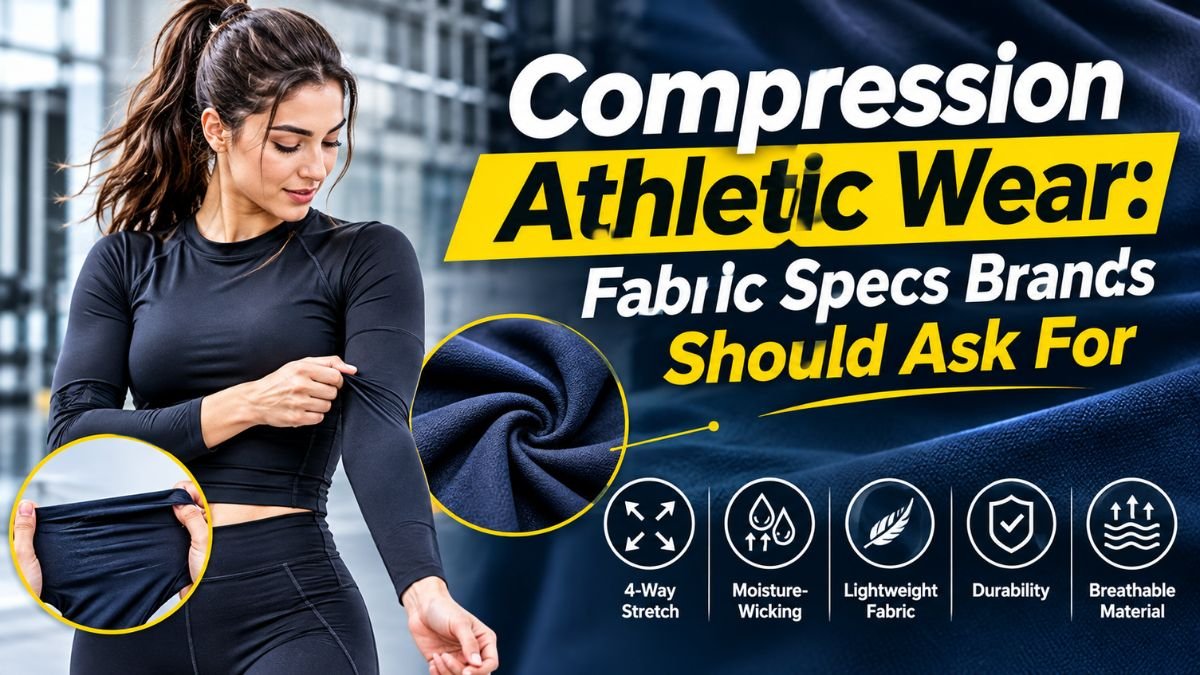
Four-way stretch fabrics are commonly considered for products that need flexibility in multiple directions.
The fabric should also recover after stretching. Good recovery helps the garment maintain its shape after repeated use.
3. Moisture Management
Exercise can produce sweat, especially during intense workouts. Some compression fabrics are designed to move moisture away from the skin and dry quickly.
Polyester and polyester-spandex blends are common options for this type of sportswear.
Moisture management depends on the fibre, yarn, fabric structure, and finishing. Not every synthetic fabric offers the same performance, so brands should test materials before selecting them for production.
4. Lightweight Construction
Many compression garments use lightweight fabrics that fit closely without adding unnecessary bulk.
This makes them suitable for layering under sports uniforms, training shorts, tracksuits, and other athletic clothing.
However, fabric weight should match the intended use. A lightweight running top may require a different material from compression leggings designed for strength training.
5. Versatile Sportswear Design
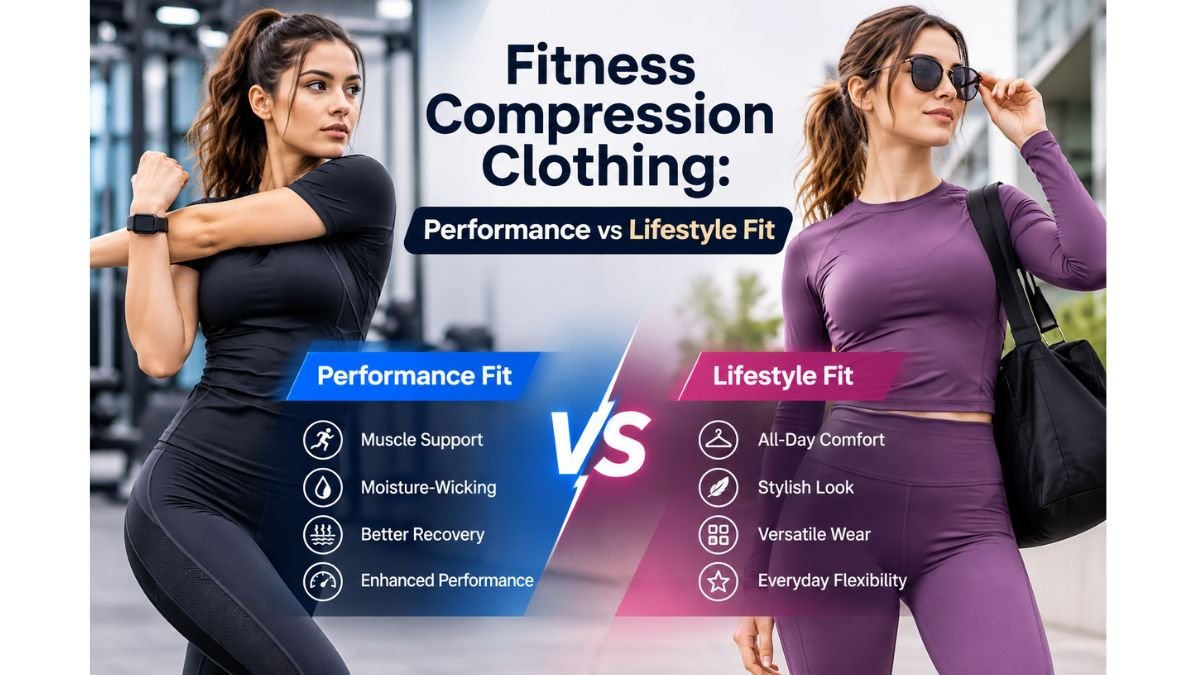
Compression clothing is available in many styles. Customers can choose garments for gym training, running, cycling, team sports, and general fitness.
Brands can also create coordinated collections with matching tops, shorts, leggings, and jackets.
Types of Athletic Compression Clothing
Different sports and activities require different garment designs. Understanding these product types can help customers choose suitable clothing and help brands plan their collections.
Compression Shirts
Compression shirts are fitted tops designed for training and exercise. They are available in short-sleeve, long-sleeve, and sleeveless styles.
Common features include:
- Stretch fabric construction
- Close-fitting body panels
- Flat or reinforced seams
- Moisture-management properties
- Flexible sleeves and shoulders
- Crew neck or other custom necklines
Compression shirts can be worn alone or as a base layer under other sportswear.
Compression Leggings
Compression leggings are popular for gym training, running, yoga, and other fitness activities.
They usually feature a stretch waistband and fitted leg construction. Some designs include gussets, flat seams, and supportive waist panels.
Important details include squat coverage, fabric opacity, waistband stability, and stretch recovery.
Brands should test leggings during movement to check whether the fabric becomes transparent when stretched.
Compression Shorts
Compression shorts are commonly worn for running, gym workouts, cycling, and team sports.
They can be designed with different inseam lengths, waistbands, and fabric weights.
Some customers wear them alone, while others use them underneath loose sports shorts.
Long-Sleeve Compression Tops
Long-sleeve compression tops provide fitted coverage for the upper body. They are suitable for indoor training, outdoor exercise, and layering.
Their fabric should allow comfortable arm movement. Sleeve length, cuff construction, shoulder seams, and body fit all need attention.
Compression Base Layers
Base layers are worn underneath other garments. They can help create a close-fitting clothing system for training or outdoor activities.
Brands may develop lightweight, medium-weight, or warmer base layers depending on the season and target market.
Compression Sports Bras
Compression-style sports bras use a close-fitting construction to provide support during exercise.
Their design should consider the activity level, coverage, strap construction, fabric stretch, and customer sizing requirements.
Product testing is important because support needs vary between individuals.
Best Fabrics for Compression Athletic Wear
Fabric selection has a major effect on the fit, comfort, and performance of compression garments.
Most products use stretch materials that combine flexibility with shape recovery. The correct fabric depends on the garment type, intended activity, and target price.
1. Polyester and Spandex
Polyester-spandex blends are widely used in sportswear because they combine polyester’s durability with spandex’s stretch.
Potential benefits include:
- Flexible movement
- Shape recovery
- Lightweight options
- Quick-drying fabric constructions
- Suitability for fitted athletic garments
- Compatibility with different printing methods
The percentage of each fibre affects the fabric’s feel and performance. Brands should request samples and confirm the composition before approving bulk production.
2. Nylon and Spandex
Nylon-spandex blends are another option for compression leggings, shorts, and fitted tops.
Nylon can provide a smooth feel and good strength. Spandex adds stretch and helps the garment recover its shape.
These fabrics may suit products that need a soft hand feel and close body fit.
Important checks include abrasion resistance, pilling, colourfastness, and stretch recovery.
3. Recycled Polyester Blends
Some brands choose recycled polyester when developing collections with recycled material content.
Recycled polyester can be combined with elastane to create stretch sportswear fabrics.
However, brands should confirm the recycled content through suitable supplier documentation. They should also consider the product’s full lifecycle, including fibre shedding and end-of-life recycling options.
4. Cotton-Spandex Blends
Cotton-spandex blends may be suitable for certain fitted training or casual sportswear products.
Cotton offers a familiar soft feel, while spandex provides stretch. However, these blends may not offer the same moisture-management performance as fabrics specifically developed for intensive athletic use.
The choice should depend on the product’s intended activity and customer expectations.
5. Four-Way Stretch Fabrics
Four-way stretch fabric can stretch across both the length and width of the material.
This is useful for garments that need movement in several directions, such as leggings, compression shorts, and fitted training tops.
Brands should evaluate stretch, recovery, opacity, and comfort rather than choosing a fabric based on stretch alone.
Important Features of High-Quality Compression Clothing
A good compression garment should combine a suitable fit with durable construction and comfortable fabric.
The following features deserve attention during product development.
Proper Compression Fit
The garment should fit closely without restricting normal movement.
If it is too loose, it may not provide the intended fitted feel. If it is too tight, it can cause discomfort and make exercise difficult.
Brands should develop a clear size chart and test garments on suitable fit models.
Stretch and Recovery
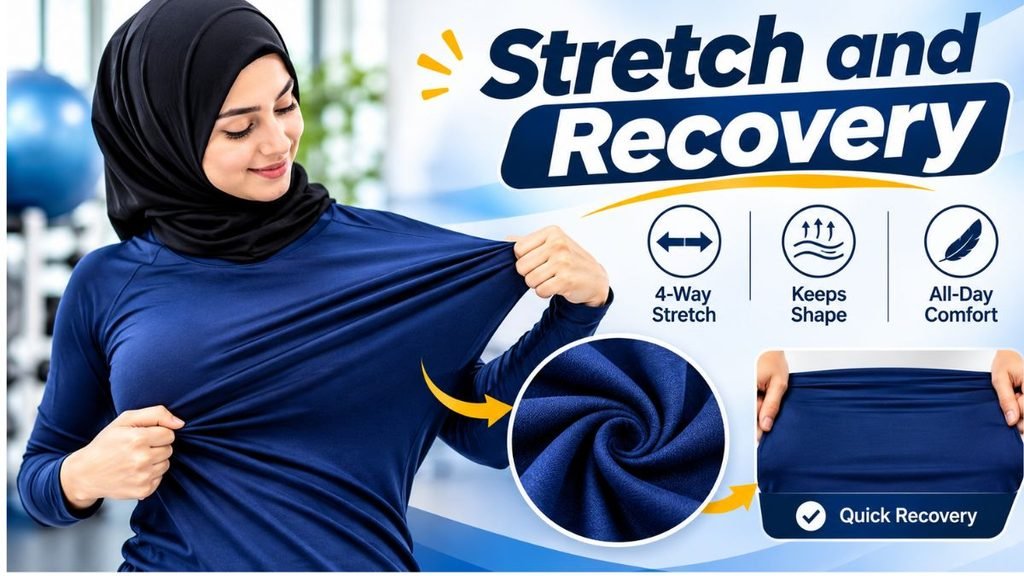
Stretch allows the wearer to move comfortably. Recovery helps the garment return to its original shape.
A fabric that stretches well but does not recover may become loose after repeated wear.
Testing should include repeated stretching and recovery checks.
Breathability
Breathability affects how comfortable a garment feels during exercise.
Fabric structure, fibre type, thickness, and finishing can all influence airflow and moisture behaviour.
The ideal material depends on whether the product is intended for indoor gym use, outdoor running, or another activity.
Seam Construction
Seams are important because compression garments remain close to the skin.
Poorly placed or bulky seams may cause rubbing during movement.
Common construction options include flatlock stitching, coverstitching, and suitable stretch seams. The best choice depends on fabric thickness, garment design, and production requirements.
Waistband Stability
Compression leggings and shorts need waistbands that remain comfortable during movement.
A waistband should stay in place without digging into the body. Its width, elastic type, fabric layers, and stitching all affect performance.
Fabric Opacity
Opacity is particularly important for leggings and fitted shorts.
The fabric should provide suitable coverage when stretched. Brands should test the garment in different positions, including squats and lunges.
Durable Finishing
Finishing details can affect the garment’s appearance and lifespan.
These include thread trimming, seam inspection, label attachment, print quality, and careful pressing where suitable.
How Is Compression Athletic Wear Manufactured?
The manufacturing process involves several stages. Each stage helps turn a design concept into a finished garment.
1. Product Design and Planning
The first step is defining the product.
A brand should decide whether it needs compression shirts, leggings, shorts, or a complete activewear collection.
The design brief should include:
- Garment style and intended use
- Target customer
- Fit and sizing
- Fabric composition
- Fabric weight
- Colour requirements
- Stitching details
- Logo placement
- Label requirements
- Packaging specifications
A clear brief helps the manufacturer understand the product before sampling begins.
2. Technical Package Development
A tech pack provides detailed instructions for manufacturing.
It may include sketches, measurement charts, fabric specifications, colour references, construction details, and branding instructions.
For compression garments, it is especially important to specify stretch direction, seam placement, fit measurements, and fabric composition.
Clear technical information reduces the risk of misunderstandings during production.
3. Fabric Sourcing
The manufacturer sources fabric according to the approved requirements.
For compression clothing, buyers may request polyester-spandex, nylon-spandex, recycled polyester blends, or other suitable materials.
The fabric should be checked for:
- Fibre composition
- GSM
- Stretch percentage
- Recovery
- Colour consistency
- Shrinkage
- Opacity
- Pilling resistance
- Moisture-management performance, where required
A fabric swatch helps the brand review the material before approving a sample.
4. Pattern Making
Pattern making converts the design into individual garment pieces.
The pattern must account for the close fit and stretch behaviour of the fabric.
Compression garments often require careful consideration of negative ease. This means the garment measurements may be smaller than body measurements so the fabric fits closely.
However, negative ease must be calculated carefully. Too much can create excessive pressure, while too little can produce a loose fit.
5. Sample Development
A sample is produced to evaluate the design before bulk manufacturing.
The brand should review fit, comfort, fabric feel, measurements, seams, colour, and overall appearance.
For compression leggings, movement testing can help identify waistband slipping, fabric transparency, or seam discomfort.
For compression tops, check shoulder movement, sleeve length, and body fit.
Any changes should be recorded before the final sample is approved.
6. Fabric Cutting
After approval, the fabric is prepared for cutting.
The cutting team follows the approved patterns and size specifications.
Accurate cutting is important because small measurement differences can affect the fit of a close-fitting garment.
Careful fabric planning can also help reduce unnecessary material waste.
7. Sewing and Assembly
The cut fabric pieces are assembled according to the approved construction details.
The manufacturer selects suitable machines, stitches, threads, and seam methods.
Stretch garments require careful sewing because the seams must move with the fabric.
During production, the team should check seam consistency, stitch tension, measurements, and garment appearance.
8. Printing and Branding
Compression clothing can include printed logos, graphics, or brand names.
Common decoration methods include screen printing, heat transfer, sublimation, and suitable embroidery applications.
The decoration method should be selected according to the fabric and design.
For example, sublimation is commonly considered for suitable polyester-based fabrics, while other materials may require different printing methods.
The brand should approve the logo size, placement, colour, and finish before bulk production.
9. Quality Control
Quality inspection helps identify manufacturing defects.
For compression garments, checks may include:
- Measurement accuracy
- Fabric defects
- Seam strength
- Stitch consistency
- Stretch and recovery
- Waistband construction
- Print placement
- Colour consistency
- Overall appearance
A documented inspection plan helps maintain consistent quality across the order.
10. Packaging and Shipping
After inspection, the garments are folded, labelled, and packed according to the buyer’s requirements.
Brands should confirm packaging materials, carton details, product labels, and shipping arrangements before production is completed.
How to Choose the Right Compression Active Wear
Customers should select compression active wear based on their activity, fit preference, and comfort needs.
Choose According to Your Activity
Different activities may require different garments.
- Running: Lightweight tops, fitted shorts, and leggings may suit regular running.
- Gym training: Stretch tops and leggings can support a wide range of movements.
- Cycling: Fitted shorts and suitable tops can reduce loose fabric movement.
- Team sports: Compression base layers can be worn under sports uniforms.
- General fitness: Comfortable, flexible garments may suit different workout routines.
Check the Size Chart
Compression clothing should not be selected by guessing.
Check the manufacturer’s size chart and compare the listed measurements with your body measurements.
Sizing varies between brands, so the same labelled size may fit differently across products.
Review Fabric Details
Read the fibre composition and care instructions.
Look for information about stretch, drying, fabric weight, and garment construction.
If you have sensitive skin, consider the fabric feel and any relevant product information before buying.
Check Stitching and Finishing
Look for smooth seams, secure waistbands, and consistent stitching.
Loose threads, uneven seams, and weak elastic can affect the product’s performance and durability.
Consider the Weather
Lightweight fabrics may be suitable for warmer conditions. Heavier or layered products may be better for cooler weather.
Choose the fabric and garment construction according to the environment and intended activity.
Compression Athletic Wear for Clothing Brands
The demand for sportswear creates opportunities for clothing businesses to develop specialised product collections.
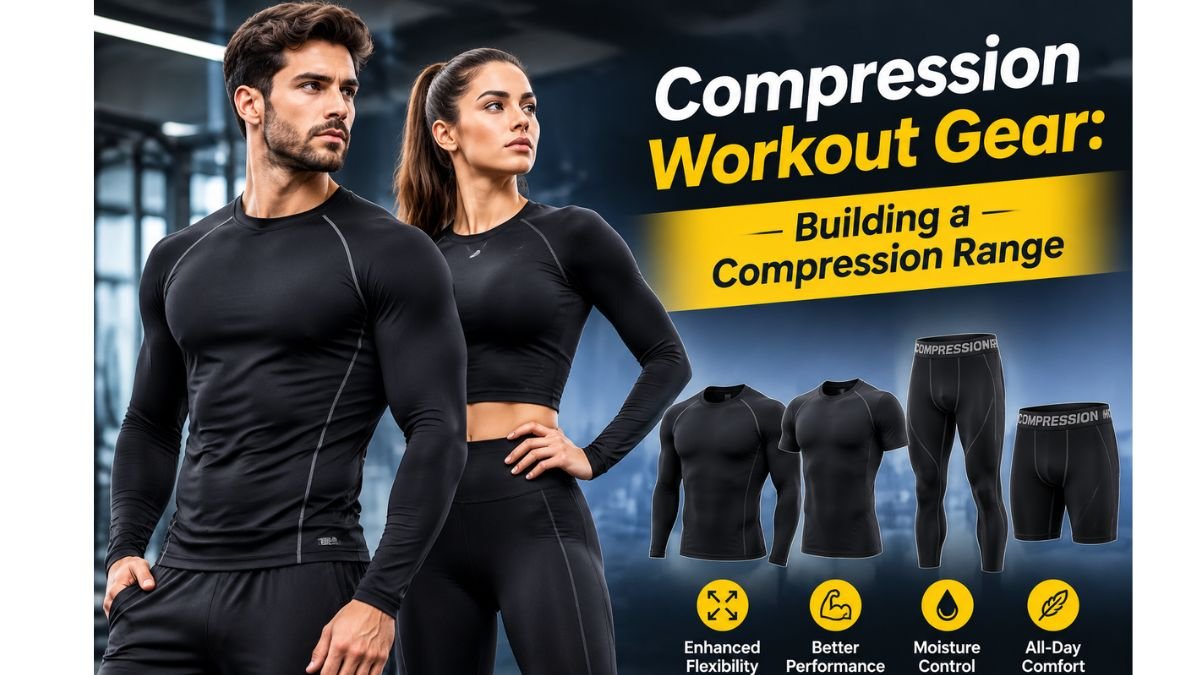
Brands can build a range around compression tops, leggings, shorts, base layers, and coordinated training sets.
However, product development requires planning.
Define Your Target Market
Start by understanding your customers.
Are they runners, gym members, professional athletes, team sports players, or everyday fitness enthusiasts?
Their needs will influence product design, fabric selection, pricing, and sizing.
Build a Clear Product Range
A new collection does not need to include every type of compression garment.
A brand may begin with a few core products, such as a short-sleeve compression top, leggings, and training shorts.
A focused range can make sampling and product management easier.
Select the Right Materials
Choose fabrics based on the product’s purpose.
For example, a running top may require lightweight moisture-management fabric, while leggings may need better opacity and stretch recovery.
Request samples and compare different fabric options before making a decision.
Develop Consistent Branding
Brand identity can be created through logos, colours, labels, packaging, and product details.
Keep branding consistent across the collection.
Make sure the chosen printing or decoration method is suitable for the selected fabric.
Plan Production Quantities
Discuss minimum order quantities with the manufacturer before confirming the collection.
MOQ may vary according to fabric availability, colours, sizes, and construction details.
A clear production plan can help brands manage inventory and costs.
Compression Athletic Wear Manufacturing at Fashion Soul International
Fashion Soul International is a factory-owned custom clothing manufacturer based in Sialkot, Pakistan. The company provides private-label, OEM, ODM, white-label, cut-and-sew, and full-package apparel manufacturing for international brands.
Its product categories include sportswear, activewear, tracksuits, and other custom garments.
For brands planning a compression athletic wear collection, product development begins with clear specifications. Buyers should share their designs, fabric requirements, measurements, colour references, branding details, and expected order quantities.
Fashion Soul International supports product development, fabric sourcing, sampling, bulk production, quality control, custom branding, packaging, and international shipping.
Custom Product Development
Brands can discuss different styles, fabric options, fits, and construction requirements.
For compression products, buyers should provide clear details about stretch, recovery, fabric weight, garment measurements, and intended use.
A tech pack or detailed design brief can help the manufacturer understand these requirements.
Sampling and Approval
Sampling gives buyers an opportunity to review the actual garment before bulk production.
The sample should be checked for fit, stretch, comfort, stitching, fabric quality, and branding.
Any required changes should be agreed upon before the final pre-production sample is approved.
Minimum Order Quantity
Fashion Soul International publishes a standard MOQ starting at 100 pieces. The actual requirement can vary depending on the product, fabric, colour, and construction.
Brands should confirm the MOQ for their specific compression clothing design during quotation.
Quality Control and Production
Quality checks are important for fitted sportswear because small construction problems can affect comfort and fit.
Buyers can discuss measurement checks, seam quality, fabric inspection, print placement, and other agreed quality requirements.
Bulk production should follow the approved sample and specifications.
Custom Branding and International Shipping
Brands can discuss custom labels, logos, packaging, and other product details.
International shipping arrangements should be confirmed according to the destination, delivery terms, and order requirements.
By preparing clear specifications and reviewing samples, clothing brands can develop compression products with more predictable production expectations.
Common Mistakes to Avoid When Buying or Manufacturing Compression Clothing
A few common mistakes can affect the comfort, fit, and quality of compression garments.
Choosing the wrong size: A garment that is too tight can restrict movement. A loose garment may not provide the intended close fit.
Ignoring fabric recovery: Stretch alone is not enough. The fabric should return toward its original shape after stretching.
Using unsuitable seams: Bulky or poorly positioned seams may cause rubbing during exercise.
Skipping movement tests: A garment should be checked during the movements it is designed for.
Ignoring opacity: Leggings and shorts should be tested under stretch to check coverage.
Overlooking fabric care: Incorrect washing and drying can affect elasticity, colour, and garment life.
Making unsupported performance claims: Avoid promising improved circulation, injury prevention, or guaranteed athletic performance without appropriate evidence.
Frequently Asked Questions About Compression Athletic Wear
What Is the Difference Between Compression Clothing and Regular Sportswear?
Compression clothing fits closely against the body and is usually made from stretch fabrics. Regular sportswear may have a relaxed or loose fit. The best option depends on the activity and the wearer’s comfort preference.
Is Compression Athletic Wear Good for Gym Workouts?
Compression athletic wear can be suitable for gym workouts because its stretch construction allows movement. The garment should have a comfortable fit, suitable fabric, and seams that do not cause irritation.
Which Fabric Is Best for Compression Active Wear?
Polyester-spandex and nylon-spandex blends are common options. They can provide stretch, recovery, and a close fit. The best material depends on the garment’s purpose, fabric weight, and performance requirements.
Can Compression Clothing Be Worn Every Day?
Many people wear fitted athletic clothing for everyday activities. However, comfort and sizing are important. Garments should not cause pain, numbness, or restricted movement.
Does Compression Clothing Improve Athletic Performance?
Compression garments may feel supportive and comfortable for some users. Research findings on performance and recovery benefits vary. They should not be marketed as guaranteeing better performance or preventing injuries.
How Should Compression Clothing Fit?
It should fit close to the body without causing discomfort or restricting normal movement. Follow the brand’s size chart and check the garment during activity.
How Do You Wash Compression Sportswear?
Follow the care label. In general, gentle washing and avoiding excessive heat can help protect stretch fabrics. Avoid harsh washing practices that may damage elastic fibres.
Can Small Clothing Brands Manufacture Custom Compression Wear?
Yes, custom compression garments can be developed through suitable sportswear manufacturers. Brands should confirm fabric availability, sampling requirements, MOQ, construction capabilities, and quality inspection procedures before ordering.
Final Thoughts
Compression athletic wear is an important category in modern sportswear. Its close fit, flexible fabrics, and versatile designs make it suitable for different activities, including gym training, running, cycling, and general fitness.
However, good compression clothing requires more than a tight silhouette. Fabric selection, stretch recovery, breathability, seam construction, sizing, and quality control all contribute to the finished product.
For clothing brands, successful development starts with a clear product brief and suitable material selection. Working with a custom clothing manufacturer can help turn a design concept into a finished collection through sampling, production planning, branding, and inspection.
By focusing on fit, comfort, construction, and accurate product information, brands can develop athletic compression clothing that meets the needs of their target customers.