Activewear Trend Forecasting: How to Predict Future Fitness Fashion
Activewear trends change as customer lifestyles, fitness habits, technology, and fashion preferences evolve. A color, fabric, or silhouette that attracts attention today may not remain popular in the next collection. Therefore, clothing brands need to understand what customers may want before developing new products.
Activewear trend forecasting helps brands identify these changes and make informed decisions about future collections. It involves studying consumer behavior, fashion movements, market research, fabric innovations, sportswear designs, and lifestyle developments. Instead of simply following popular products, brands use forecasting to understand why certain styles may become relevant.
Another important area is fit trend forecasting. It focuses on how garment shapes, proportions, comfort, and sizing preferences may change. For example, customers may move from very tight leggings toward more relaxed training trousers. Similarly, demand for supportive sports bras, seamless designs, or oversized training tops may influence future product development.
For fitness clothing brands, designers, buyers, and manufacturers, understanding these areas can make collection planning more effective. This guide explains how activewear forecasting works, which factors influence it, how to study fit trends, and how to turn research into practical clothing products.
What Is Activewear Trend Forecasting?
Activewear trend forecasting is the process of predicting future developments in fitness clothing and sportswear. It helps brands understand which colors, fabrics, designs, garment fits, and product categories may attract customers in upcoming seasons.
Forecasting does not mean guessing which products will become popular. Instead, it combines research, observation, and analysis to identify patterns that may influence buying decisions.
For example, a brand may notice growing interest in outdoor workouts, comfortable everyday clothing, and versatile gym outfits. These signals could influence its next collection through lightweight jackets, relaxed-fit joggers, and performance T-shirts.
Trend forecasting can cover several areas:
- Colors: Future interest in earthy neutrals, pastels, bright shades, or classic colors.
- Fabrics: Developments in stretch materials, recycled fibres, moisture management, and lightweight textiles.
- Silhouettes: Changes in leggings, shorts, tops, jackets, and tracksuit shapes.
- Fit preferences: Customer expectations around tight, relaxed, oversized, and supportive garments.
- Functionality: Demand for comfort, breathability, flexibility, and practical design details.
- Lifestyle influences: The relationship between fitness, travel, work, and everyday fashion.
These areas work together. A new fabric may support a different garment shape, while a lifestyle change may increase interest in versatile activewear.
Why Activewear Trend Forecasting Matters for Clothing Brands
Activewear brands operate in a competitive market. Customers can compare many products, styles, and prices before making a purchase. As a result, brands need collections that offer both practical value and a clear design direction.
Forecasting helps businesses make decisions before production begins.
1. It Supports Better Collection Planning
A clothing collection usually includes several products that need to work together. Forecasting helps brands decide which categories, colors, and designs deserve attention.
For example, a brand preparing a new fitness collection may identify strong interest in matching sets, relaxed training tops, and versatile outerwear. It can use these findings to build a more coordinated range.
2. It Helps Reduce Unnecessary Product Development
Developing a garment requires design work, fabric sourcing, sampling, and production planning. Creating products without understanding the target customer can lead to poor decisions.
Trend research helps brands assess product ideas before investing in full production. Although forecasting cannot eliminate business risk, it can provide a more informed starting point.
3. It Strengthens Brand Identity
Not every trend suits every brand. A performance-focused label may prioritize technical fabrics and athletic silhouettes. In comparison, a lifestyle activewear brand may focus on comfort, neutral colors, and versatile clothing.
Forecasting helps brands select trends that fit their identity instead of copying every popular design.
4. It Improves Product Development Decisions
Trend insights can influence fabric weight, garment construction, fit, and finishing. For example, growing interest in outdoor fitness may encourage brands to investigate lightweight layers and functional pockets.
These decisions are easier to manage when they are considered early in the development process.
5. It Helps Brands Understand Changing Customers
Customer expectations change over time. Some shoppers prioritize performance, while others want activewear that works for exercise and everyday activities.
Forecasting helps brands observe these preferences and consider how their products can respond.
Key Factors That Influence Activewear Trends
Several forces shape the direction of fitness fashion. Brands should examine these factors together rather than relying on one source of inspiration.
1. Changes in Fitness and Exercise Habits
New workout preferences can influence clothing demand. Yoga, strength training, running, cycling, Pilates, and outdoor fitness each have different clothing requirements.
For example, yoga customers may value stretch, softness, and freedom of movement. Runners may prioritize lightweight materials, secure storage, and moisture management.
When a fitness activity attracts more attention, brands can study whether it creates opportunities for new product categories.
2. Lifestyle and Everyday Fashion
Activewear is often worn beyond gyms and sports facilities. Customers may use joggers, hoodies, leggings, and performance tops for travel, shopping, or casual activities.
This connection between sportswear and everyday fashion influences design choices. Relaxed fits, coordinated sets, neutral colors, and versatile layers can appeal to customers who want clothing for different situations.
3. Fabric and Textile Innovation
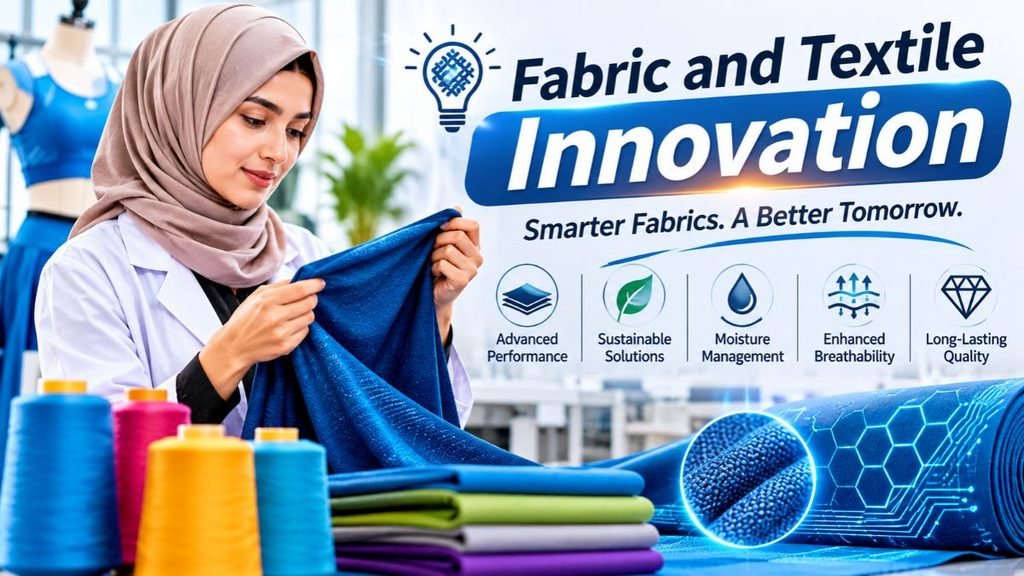
Fabric development plays an important role in activewear forecasting. New materials and improved textile treatments can influence product performance and appearance.
Brands may monitor developments in:
- Four-way stretch fabrics
- Moisture-wicking polyester
- Recycled polyester
- Lightweight nylon blends
- Breathable mesh
- Soft-touch performance fabrics
- Temperature-regulating textiles
- Durable stretch materials
However, a new material should not be selected only because it appears innovative. Brands should assess its performance, cost, availability, and suitability for the intended garment.
4. Social Media and Digital Culture
Social media platforms can reveal how customers respond to colors, outfits, creators, and fitness lifestyles.
Repeated interest in matching sets, oversized gym shirts, or particular color combinations may provide useful signals. However, high engagement does not always mean strong purchasing demand.
Brands should compare social media activity with customer feedback, product sales, and broader market research.
5. Sustainability and Material Awareness
Some customers pay closer attention to fabric composition, durability, and environmental claims. This can influence interest in recycled fibres, longer-lasting garments, and responsible material sourcing.
Brands should research these preferences carefully. A garment should not be described as sustainable simply because it uses an earthy color or recycled material. Environmental claims need appropriate evidence.
Understanding Fit Trend Forecasting in Activewear
Fit trend forecasting examines how garment shapes, proportions, and wearing preferences may develop. It is an important part of activewear trend forecasting because fit affects comfort, movement, appearance, and customer satisfaction.
A product can use an attractive color and fabric but still disappoint customers if its fit does not meet their expectations.
Fit forecasting considers several design elements:
- Garment length
- Waistband height
- Leg shape
- Body proportions
- Sleeve construction
- Compression level
- Ease of movement
- Size grading
- Support and coverage
For example, customers may prefer different fits for yoga, running, strength training, and casual wear. A single fit strategy may not work across every category.
1. Leggings Fit Trends
Leggings remain an important product category in many activewear collections. Fit forecasting helps brands evaluate changes in waistband design, leg shape, length, and compression.
Possible design directions include:
High-waisted leggings: These offer a supportive-feeling waistband and are commonly used in yoga and training collections.
Flared leggings: A wider lower leg creates a different silhouette from traditional fitted leggings. Brands may explore them for studio wear and lifestyle collections.
Straight-leg active trousers: These provide a more relaxed shape while maintaining an athletic appearance.
Seamless-look leggings: These focus on a smooth visual finish and reduced visible seam details.
Compression-style leggings: These use a closer fit and require careful material and construction choices.
Brands should test each design during movement. Squatting, stretching, running, and sitting can reveal fit issues that may not be visible during a static fitting.
2. Sports Bra Fit Trends
Sports bras require careful attention because fit and support directly affect the wearing experience.
Forecasting may examine:
- Low-, medium-, and high-support designs
- Adjustable straps
- Racerback construction
- Wider underbands
- Removable cups
- Longline sports bras
- Different neckline shapes
The right design depends on the intended activity and customer needs. A low-impact yoga bra may have different requirements from a high-support running bra.
Brands should also test strap stability, coverage, elastic recovery, and comfort before production.
3. Oversized and Relaxed-Fit Tops
Relaxed-fit clothing is an important area for brands exploring the connection between activewear and everyday fashion.
Oversized T-shirts, loose training tops, relaxed sweatshirts, and lightweight hoodies can be included in collections designed for gym-to-casual use.
However, oversized clothing still needs thoughtful proportions. Shoulder width, body length, sleeve opening, and neckline construction affect the final appearance.
4. Shorts and Training Bottoms
Shorts are designed for different activities and customer preferences. Fit forecasting can help brands compare inseam lengths, waistband construction, compression, and leg openings.
For example, running shorts may need lightweight construction and freedom of movement. Training shorts may require durable fabric and practical pocket placement.
Cycling shorts, gym shorts, and casual athletic shorts should not automatically share the same fit specifications.
5. Inclusive Sizing and Body Diversity
Fit forecasting should also consider different body shapes and sizing needs. A design that works well in one sample size may not fit correctly across a complete size range.
Brands should review:
- Size measurements
- Body proportions
- Grading rules
- Waist-to-hip measurements
- Garment length
- Coverage requirements
- Customer fit feedback
Testing garments on a broader range of body types can help identify problems before bulk production.
How to Research Future Activewear Trends
Useful forecasting begins with reliable research. Brands can combine several methods to build a clearer understanding of the market.
1. Study Fashion Forecasting Reports
Professional forecasting reports can provide information about future colors, materials, silhouettes, and consumer behavior.
Brands may study seasonal reports from textile fairs, fashion research organizations, trend agencies, and industry publications.
However, reports should be treated as research inputs rather than guaranteed predictions. A trend may be relevant in one market but less important in another.
2. Monitor Competitor Collections
Reviewing competitor products can help brands understand the current market.
Study details such as:
- Product categories
- Color palettes
- Fabric descriptions
- Garment fits
- Price ranges
- Product photography
- Customer reviews
- New collection launches
Look for repeated patterns rather than copying individual designs. The goal is to identify market direction and opportunities for differentiation.
3. Analyze Customer Reviews
Customer reviews can reveal practical problems that trend reports may overlook.
For example, shoppers may mention waistbands rolling down, leggings becoming transparent, uncomfortable seams, or sports bras lacking support.
These comments provide useful product development insights. They can help brands understand what customers value and what they want manufacturers to improve.
4. Use Social Listening
Social listening involves observing conversations and reactions across digital platforms.
Brands can monitor fitness creators, workout communities, fashion discussions, and customer comments. Repeated conversations may reveal growing interest in particular styles or product features.
However, social media trends can move quickly. Businesses should verify whether a popular design has wider customer demand.
5. Study Retail and Search Behavior
Search trends, product availability, customer questions, and retail performance can provide additional signals.
For example, a rise in interest around running jackets may encourage a brand to investigate lightweight outerwear. However, search interest alone does not prove that a product will sell.
Combining search data with customer feedback and competitor research creates a stronger picture.
How to Turn Forecasting Research Into an Activewear Collection
Research becomes valuable when brands use it to make practical product decisions. A clear development process helps connect market insights with finished garments.
Step 1: Define Your Target Customer
Start by identifying the people your collection is designed for.
Consider their age range, fitness activities, lifestyle, preferred price range, and clothing expectations.
A brand targeting professional athletes may prioritize technical performance. Meanwhile, a lifestyle-focused label may give more attention to comfort and versatile styling.
Step 2: Select the Most Relevant Trends
Do not include every trend in one collection. Choose the directions that fit your brand and customer.
For example, a collection could focus on three ideas:
- Nature-inspired colors
- Comfortable matching sets
- Lightweight performance fabrics
This creates a clear design direction without making the collection feel disconnected.
Step 3: Create a Product Range Plan
Decide which products will be included.
A basic activewear range may contain leggings, sports bras, T-shirts, shorts, joggers, and lightweight jackets.
The final range should reflect the brand’s budget, customer needs, and production capabilities.
Step 4: Develop Technical Specifications
Once the product direction is clear, prepare design details for each garment.
A tech pack may include:
- Technical sketches
- Fabric composition
- GSM requirements
- Color references
- Measurement charts
- Stitching details
- Trims and accessories
- Print or embroidery placement
- Label and packaging requirements
Clear specifications help designers and manufacturers understand the intended product.
Step 5: Develop and Review Samples
Sampling allows brands to evaluate the design before bulk production.
Review the fabric, fit, construction, comfort, color, and finishing. For fitted garments, test movement and stretch recovery.
If adjustments are needed, update the specifications and request another sample where appropriate.
Step 6: Approve the Final Product
Bulk production should begin only after the brand has reviewed and approved the required pre-production sample.
The approved sample becomes an important reference for production quality and design consistency.
How Fabric Forecasting Supports Better Activewear Design
Fabric selection can determine whether a trend is practical to manufacture. A design may look attractive in a sketch but require a material that is difficult to source or unsuitable for the intended activity.
For this reason, brands should connect fabric research with garment design.
Polyester and Performance Blends
Polyester is widely used in sportswear because it can support lightweight and performance-focused garments.
Depending on its construction and finishing, it may be suitable for training shirts, running tops, and other activewear products.
Nylon and Spandex
Nylon and spandex blends are commonly used for fitted garments that need stretch and recovery.
They can be considered for leggings, sports bras, and compression-style products. The exact blend should be selected according to the product’s performance requirements.
Cotton Blends
Cotton blends can suit casual activewear, relaxed T-shirts, and sweatshirts.
They may offer a soft hand feel, although their suitability depends on the fabric construction and intended use.
Mesh and Lightweight Fabrics
Mesh can support ventilation in selected sportswear designs. It may be used in panels, linings, or other garment details.
Brands should evaluate durability, comfort, transparency, and placement before approving a mesh design.
Common Mistakes in Activewear Trend Forecasting
Forecasting is useful, but poor research can lead to unsuitable product decisions.
Following Every Viral Trend
A design may become popular online without matching your customers or brand identity. Select trends based on relevance rather than short-term attention.
Ignoring Product Function
Activewear must support the activity it is designed for. A fashionable silhouette should not restrict movement or reduce comfort.
Confusing Trend Popularity With Customer Demand
High engagement does not guarantee sales. Review customer feedback, market behavior, and product performance before committing to production.
Neglecting Fit Testing
A garment may look good on a mannequin but perform poorly during exercise. Test it through realistic movement and across relevant sizes.
Choosing Fabric Too Late
Fabric affects fit, drape, comfort, cost, and construction. Consider material requirements during the early design stage.
Copying Competitors
Competitor research should help identify opportunities, not encourage duplication. Develop a recognizable design language that suits your brand.
Skipping Sample Approval
Starting bulk production without reviewing a physical sample increases the risk of avoidable problems. Confirm important details before authorizing production.
How Fashion Soul International Supports Activewear Product Development
Turning trend research into finished clothing requires coordination between design, fabric sourcing, sampling, and manufacturing.
Fashion Soul International is a factory-owned custom clothing manufacturer based in Sialkot, Pakistan. It supports clothing brands with product development, fabric sourcing, sampling, bulk production, quality control, custom branding, and packaging.
Its production options include private-label, OEM, ODM, white-label, cut-and-sew, and full-package manufacturing.
For activewear collections, brands can discuss requirements such as:
- Custom leggings and sports bras
- T-shirts, joggers, and tracksuits
- Fabric composition and GSM
- Stretch and recovery
- Custom colors and design details
- Printing and embroidery
- Labels and packaging
- Sample development and approval
The standard MOQ starts at 100 pieces, although actual requirements vary by product, fabric, color, and construction.
A physical pre-production sample allows the brand to review fit, fabric, construction, and finishing before bulk manufacturing. Fashion Soul also describes inline quality checks and pre-shipment AQL 2.5 inspection as part of its quality process.
For brands using trend forecasting, sharing clear product references and technical specifications can help manufacturers understand the intended collection.
Frequently Asked Questions
What is activewear trend forecasting?
Activewear trend forecasting is the process of studying market signals, consumer preferences, fashion movements, and fabric developments to anticipate future fitness clothing trends.
Why is trend forecasting important for activewear brands?
It helps brands plan collections, select suitable products, understand customer preferences, and make better decisions about colors, fabrics, and garment designs.
What is fit trend forecasting?
Fit trend forecasting studies possible changes in garment shapes, proportions, sizing, and comfort preferences. It helps brands plan clothing that matches customer expectations and intended activities.
What are the main factors affecting activewear trends?
Important factors include fitness habits, lifestyle changes, fabric innovation, social media, customer feedback, retail activity, and changing expectations around comfort and performance.
How can small brands research activewear trends?
Small brands can study competitor collections, customer reviews, social media discussions, fashion reports, search behavior, and feedback from their own customers.
How often should brands review activewear trends?
Brands should review market signals regularly and plan seasonal collections in advance. The appropriate schedule depends on product development time, sourcing requirements, and the markets they serve.
How does fabric affect activewear trends?
Fabric influences comfort, stretch, breathability, durability, appearance, and garment construction. New material developments can create opportunities for different product designs.
Why is fit testing important before activewear production?
Fit testing helps identify issues with measurements, movement, coverage, support, and comfort. It also helps brands check whether the garment works across the intended size range.
Conclusion
Activewear trend forecasting helps clothing brands make informed decisions about future fitness collections. By studying consumer behavior, fabric developments, colors, silhouettes, and lifestyle changes, businesses can identify product directions that suit their target customers.
Fit trend forecasting is equally important because garment proportions, comfort, support, and sizing affect the customer experience. Brands should connect fit research with fabric selection, technical specifications, and physical sample testing.
Most importantly, forecasting should guide decisions rather than replace product testing or customer research. A successful collection combines relevant trends with practical design, suitable materials, and reliable manufacturing processes.
With a clear research strategy and careful product development, activewear brands can create collections that reflect changing customer needs while maintaining a consistent brand identity.