Employee Clothing: A Complete Guide to Workwear, Uniforms, and Custom Apparel
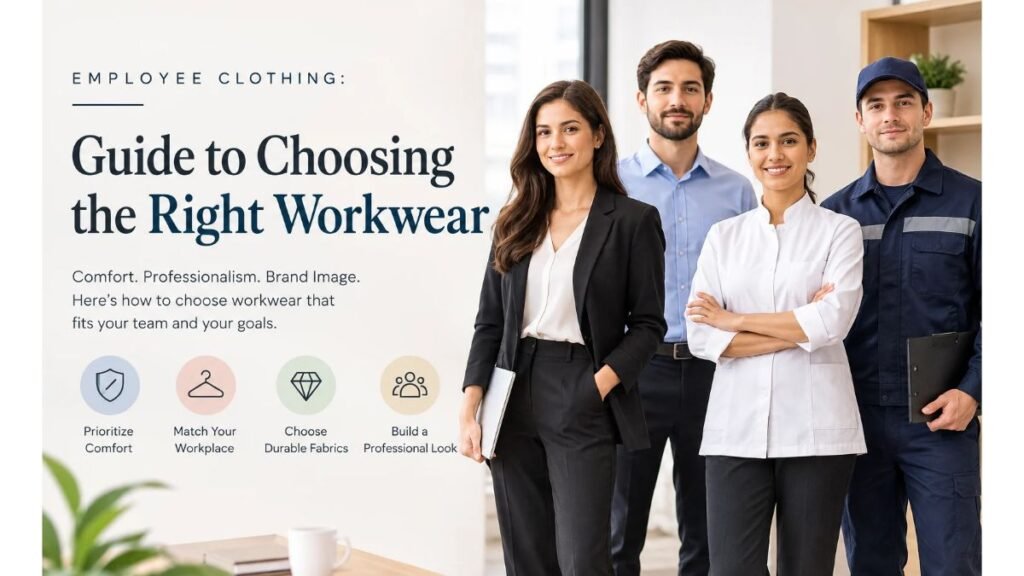
Employee clothing plays an important role in how a business presents itself, supports its workforce, and maintains a consistent professional image. From branded T-shirts and office uniforms to protective workwear and industry-specific garments, the right clothing can help employees perform their duties comfortably while representing the company.
Businesses need to consider more than appearance when choosing employee clothing. Fabric quality, fit, durability, workplace requirements, branding, and cost all affect the value of a uniform program. The right choices can also simplify purchasing and help maintain a consistent look across different teams and locations.
Whether you manage a small business, run a retail store, operate a manufacturing facility, or manage a growing company, understanding your options can help you make better purchasing decisions.
This guide explains the types of employee clothing, how to choose suitable fabrics, what to consider when ordering custom uniforms, and how to work with a clothing manufacturer.
What Is Employee Clothing?
Employee clothing refers to garments that businesses provide, recommend, or require employees to wear while working. It may include uniforms, branded apparel, professional workwear, protective garments, and clothing designed for specific job responsibilities.
Some companies use matching uniforms to create a consistent brand image. Others choose practical garments that support movement, comfort, and workplace safety.
Employee clothing can include:
- Branded T-shirts and polo shirts
- Office shirts and trousers
- Retail uniforms
- Hospitality uniforms
- Work jackets and outerwear
- Warehouse and industrial workwear
- Sports and fitness staff apparel
- Medical and care-related uniforms
- Custom hoodies and sweatshirts
- Event and promotional clothing
The right clothing depends on the work environment, employee responsibilities, company identity, and any applicable safety requirements.
For example, a retail team may wear branded polo shirts, while warehouse employees may need durable trousers and high-visibility garments. Office employees may require a more formal dress code.
A successful clothing program balances appearance, comfort, functionality, and cost.
Why Is Employee Clothing Important for Businesses?
Employee clothing can support several business goals. Its value depends on how well the garments match the workplace and the needs of employees.
1. Creates a Consistent Brand Image
Uniforms can make employees easier to identify and help a business maintain a consistent appearance. Matching colors, logos, and garment styles can reinforce the company’s visual identity.
For example, a retail business may use branded polo shirts, while a delivery company may choose logo-printed jackets. These garments help customers recognize staff members.
Consistency matters when employees work across different departments or locations. Using the same approved colors and branding guidelines can create a more organized appearance.
2. Helps Customers Identify Employees
In customer-facing environments, recognizable clothing helps visitors distinguish staff from customers. This can make it easier to find assistance in shops, hotels, events, and service locations.
A simple uniform with a visible logo or name badge may be enough. The design should remain easy to recognize without making the garment uncomfortable or difficult to maintain.
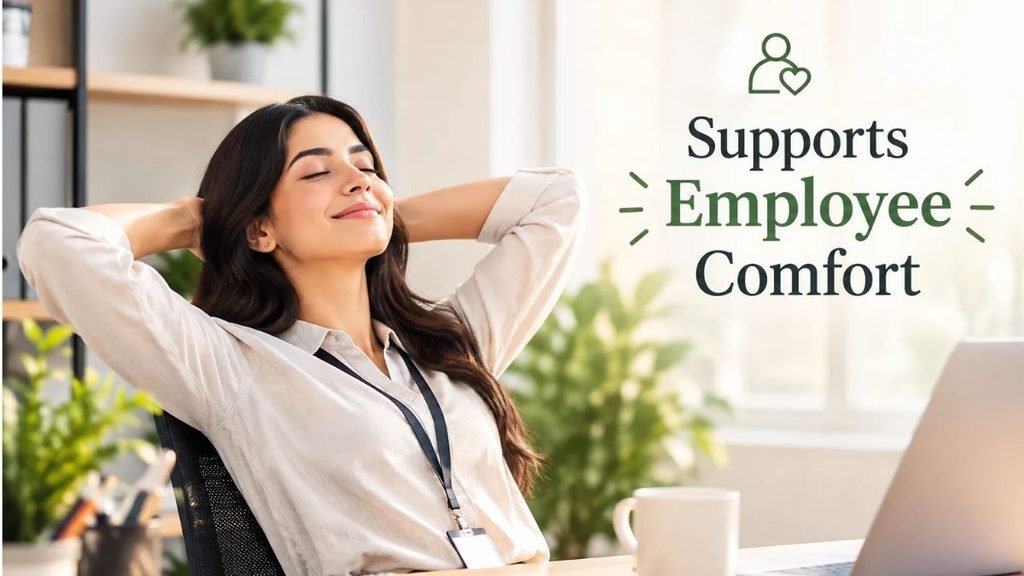
3. Supports Employee Comfort
Employees may wear their uniforms for many hours. Poor fabric choices, restrictive cuts, and uncomfortable seams can affect their working experience.
Comfortable employee clothing should suit the workplace temperature, physical activity, and length of each shift.
Breathable fabrics may work well for warm environments. Stretch materials can support movement, while suitable outerwear can help employees working outdoors.
4. Helps Establish Workplace Standards
A clear clothing policy can help employees understand what to wear for different tasks. It may specify colors, garment types, branding, footwear, or protective equipment.
However, uniforms should not replace task-specific safety equipment. Businesses should assess workplace hazards and follow applicable safety requirements.
5. Can Simplify Purchasing
A standardized uniform program gives businesses a clearer way to order garments, manage sizes, and replace worn items.
Instead of allowing every department to purchase unrelated clothing, a company can establish approved styles, materials, colors, and suppliers.
This can make repeat orders easier to organize, particularly when employee numbers change.
Types of Employee Clothing
Different workplaces need different garments. Understanding the main categories helps businesses choose suitable options.
Corporate and Office Clothing
Corporate employee clothing often includes shirts, trousers, blouses, jackets, knitwear, and other professional garments.
Some companies prefer formal clothing, while others choose smart-casual apparel. The best option depends on customer expectations, job responsibilities, and company culture.
For a consistent appearance, businesses can standardize colors and garment styles without requiring every employee to wear identical outfits.
Retail Employee Uniforms
Retail uniforms help staff remain recognizable while supporting the store’s brand identity.
Common options include:
- Polo shirts
- Branded T-shirts
- Button-down shirts
- Lightweight jackets
- Aprons
- Sweatshirts for casual environments
Retail garments should be comfortable during long shifts. Fabric durability is also important because uniforms may require frequent washing.
Hospitality and Restaurant Clothing
Hotels, restaurants, cafés, and catering businesses often need garments that suit their roles and working environments.
Options may include shirts, aprons, chef jackets, trousers, and branded outerwear. Different departments may require different styles.
When selecting these garments, consider heat exposure, stain management, frequent laundering, and the movement required for each job.
Any clothing used near heat, machinery, or other hazards must be suitable for the specific task and workplace conditions.
Industrial and Warehouse Workwear
Industrial and warehouse clothing may need to withstand repeated movement, abrasion, dust, or demanding working conditions.
Depending on the job, suitable garments may include work trousers, durable shirts, jackets, coveralls, or high-visibility clothing.
Businesses should assess the actual hazards before choosing these products. Standard branded clothing is not automatically protective clothing.
Where protection is required, garments must meet the relevant workplace and product standards for the intended use.
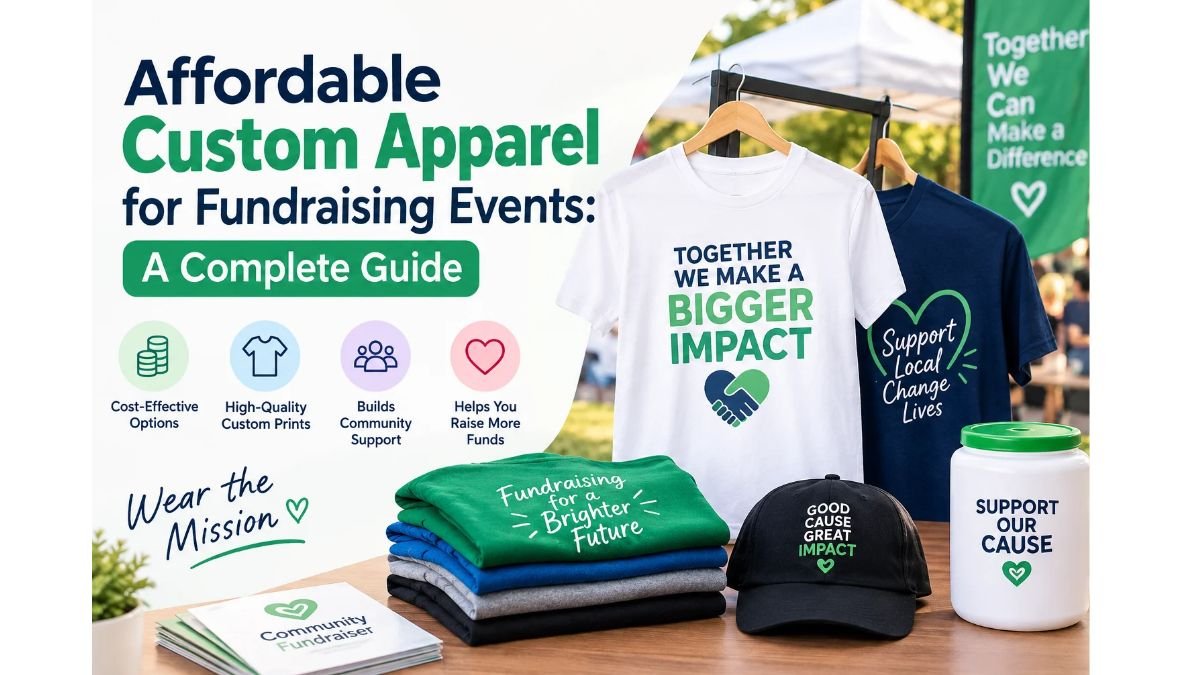
Branded T-Shirts, Hoodies, and Sweatshirts
Branded casual apparel is useful for businesses with relaxed dress codes, field teams, events, or promotional activities.
T-shirts are generally lightweight and easy to distribute. Hoodies and sweatshirts may be suitable for cooler environments or outdoor work.
Businesses can customize these garments with company logos, department names, colors, and other approved design elements.
Outdoor Employee Clothing
Employees who work outdoors may need clothing that suits changing temperatures and weather conditions.
Options can include jackets, lightweight layers, rainwear, and other garments appropriate to the work.
Choose fabrics and construction features based on actual exposure. If the work involves rain, cold, visibility hazards, or other risks, select clothing designed and rated for those conditions.
How to Choose the Right Employee Clothing
Choosing suitable garments requires a clear understanding of how employees will use them.
Consider Job Responsibilities
Start by identifying the tasks employees perform each day. Office staff, warehouse teams, delivery workers, and hospitality employees may need very different clothing.
Ask whether employees sit for long periods, walk frequently, lift objects, work outdoors, or operate equipment.
These details affect the required fit, fabric, construction, and garment features.
Match the Clothing to the Work Environment
Temperature, humidity, workplace cleanliness, and exposure to hazards all affect garment selection.
Lightweight materials may suit warm indoor environments. Layered clothing may work better where temperatures change throughout the day.
For industrial or hazardous workplaces, conduct an appropriate risk assessment before choosing protective garments.
Choose Practical Designs
Employee clothing should look appropriate while allowing employees to complete their tasks.
Consider pocket placement, closures, sleeve length, garment length, ease of movement, and ease of maintenance.
Avoid unnecessary decorative details that may interfere with the work or increase costs without adding useful value.
Include Employees in the Process
Employee feedback can help identify problems before a large order is placed.
Ask staff about fit, comfort, fabric feel, sizing, and practical garment features. If possible, arrange fitting samples or size sets before finalizing the order.
Inclusive sizing and suitable garment options can help accommodate different body types and job needs.
Best Fabrics for Employee Clothing
Fabric selection affects comfort, durability, appearance, maintenance, and cost. The best material depends on the garment and its intended use.
Cotton
Cotton is commonly used for T-shirts, casual shirts, and many everyday garments. It is soft and breathable, making it a practical choice for a range of workplaces.
However, cotton can shrink if not properly processed or cared for. Its performance depends on fabric construction, finishing, and the garment’s washing requirements.
Polyester
Polyester is often used in uniforms, sportswear, and garments that need to dry relatively quickly. It can offer useful durability and shape retention.
Its comfort depends on fabric structure, weight, and ventilation. Not every polyester fabric is suitable for every workplace.
Cotton-Polyester Blends
Blended fabrics combine properties of different fibers. A cotton-polyester blend may balance softness, durability, and ease of care.
The right blend depends on the intended garment and the performance requirements. Businesses should evaluate the actual fabric rather than assuming all blends behave the same way.
French Terry and Fleece
French terry and fleece are commonly used for sweatshirts, hoodies, and casual outer layers.
French terry often has a looped inner structure, while fleece may have a brushed or soft interior. Both can be useful for employee apparel in cooler conditions.
Fabric weight and construction influence warmth, drape, and durability.
Stretch Fabrics
Stretch fabrics can support movement in uniforms worn by active employees. They may be used in trousers, performance garments, and selected workwear.
The level of stretch, recovery, fit, and intended use should be evaluated before selecting the material.
How to Compare Fabric Quality
When comparing fabrics, consider:
- Fiber composition
- Fabric weight, often expressed as GSM
- Breathability and comfort
- Shrinkage and colorfastness
- Pilling resistance
- Stretch and recovery
- Durability after washing
- Care instructions
GSM means grams per square meter. It describes fabric weight, but a higher GSM does not automatically mean better quality. Fabric construction and intended use matter just as much.
Whenever possible, evaluate fabric swatches and finished garment samples before approving a bulk order.
Custom Employee Clothing and Branding
Custom employee clothing allows a business to align uniforms with its brand identity. Customization can be simple or highly detailed, depending on the garment and budget.
Logo Printing
Printing can be suitable for logos, text, and larger graphics. The appropriate printing method depends on the fabric, artwork, design complexity, and expected use.
Common options include screen printing, heat transfer, and other specialized printing processes.
Ask the supplier which method suits your garment and how the design is expected to perform after repeated washing.
Embroidery
Embroidery creates a stitched logo or design on the garment. It is often used on polo shirts, jackets, caps, and selected workwear.
It can provide a textured appearance, but small details may need to be simplified. The fabric must also support the embroidery without excessive puckering or distortion.
Woven Labels and Hang Tags
Custom labels can include a company name, logo, size information, or care details, depending on the label type and applicable requirements.
Hang tags can provide additional branding or product information. Businesses should confirm the artwork, placement, attachment method, and quantity before production.
Custom Colors and Garment Details
A company may choose garments in its brand colors or request specific design features. Depending on the supplier, customization may include trims, zipper colors, pocket styles, ribbing, stitching, and packaging.
More customization can increase development time, cost, and minimum order requirements. Confirm the options available before approving the design.
How to Order Employee Clothing in Bulk
Bulk ordering can help businesses standardize uniforms and organize repeat purchasing. However, the process should be planned carefully.
Step 1: Estimate the Required Quantity
Calculate how many employees need garments and how many pieces each person requires.
Consider replacement stock, new hires, seasonal staff, and different work schedules. The correct quantity depends on how frequently garments are washed and how often employees need a clean uniform.
Avoid ordering solely from current headcount if you expect staffing changes.
Step 2: Prepare Product Specifications
Create a clear specification sheet for each garment.
Include the garment type, fabric, color, size range, measurements, branding, trims, and packaging requirements.
Reference photographs or a tech pack can help communicate the intended design. If a manufacturer is developing the product, clarify which details are final and which still need approval.
Step 3: Request Quotes From Suitable Suppliers
Send the same specifications to each shortlisted supplier. This makes quotations easier to compare.
Ask about unit price, minimum order quantity, sampling, customization charges, production timelines, packaging, shipping, and payment terms.
Confirm whether quoted prices include all requested branding and materials.
Step 4: Review Samples
Inspect samples for fabric quality, fit, stitching, logo placement, and finishing.
Try the garments under realistic working conditions where practical. Employees should be able to move comfortably and complete their tasks.
Document requested changes and obtain written confirmation of the final approved sample.
Step 5: Confirm Production and Quality Requirements
Before bulk production begins, confirm the specifications, order quantity, delivery expectations, and quality standards.
Agree on how measurements, workmanship, branding, and other critical features will be checked. Confirm the process for reporting and resolving defects.
Step 6: Plan Delivery and Reordering
Discuss packaging, shipment method, destination, and required documentation.
For international orders, confirm who is responsible for freight, import duties, taxes, and customs clearance. Delivery estimates should be agreed for the specific order.
Keep a record of the final garment specifications so future orders can be compared with the original production.
What Businesses Should Know About MOQ and Production Timelines
MOQ stands for minimum order quantity. It is the smallest order a supplier accepts under its stated terms.
For employee clothing, MOQ may vary by garment type, color, fabric, branding method, and level of customization. A supplier may accept a smaller order for an existing garment but require a higher quantity for a fully custom design.
Ask whether the MOQ applies per style, color, or size run. This is especially important if your workforce needs several garment types or color options.
Production timelines also vary. Sampling, material sourcing, artwork approval, bulk production, quality inspection, and shipping may each require separate time.
Do not assume that a quoted production period includes delivery to your destination. Ask for a timeline covering each stage and confirm when the schedule begins.
For repeat orders, retain approved specifications and ask the supplier whether the same materials and design details will be available.
How to Choose an Employee Clothing Manufacturer
A suitable manufacturer should understand your product requirements and explain its production process clearly.
Evaluate potential suppliers using the following criteria:
Relevant Product Experience
Look for experience with the types of garments you need. A supplier that produces custom T-shirts may not have the same expertise in technical workwear or specialized protective clothing.
Ask for relevant product examples and details about its manufacturing capabilities.
Quality Control
Ask how the supplier checks fabric, measurements, stitching, branding, and finished garments.
Find out whether it conducts inspections during production and before shipment. For larger orders, consider whether independent inspection is appropriate.
Customization Options
Confirm whether the supplier can provide your required fabric, colors, labels, printing, embroidery, and packaging.
Ask which features are included in the quotation and which may require additional fees.
Communication
A reliable business partner should respond clearly and explain any limitations. It should ask questions when your specifications are in complete rather than making assumptions about the product.
Keep important approvals and commercial agreements in writing.
Pricing and Commercial Terms
Compare the total cost, not just the price per garment. Sampling, customization, packaging, freight, and import charges can affect the final budget.
Review payment terms and confirm how problems or changes will be handled.
Employee Clothing Manufacturing With Fashion Soul International
Businesses seeking custom employee apparel may benefit from working with a manufacturer that supports product development, branding, and bulk production.
Fashion Soul International is a factory-owned custom clothing manufacturer based in Sialkot, Pakistan. Its stated services include private-label, OEM, ODM, white-label, cut-and-sew, and full-package apparel production.
The company supports fabric sourcing, sampling, bulk manufacturing, quality control, custom branding, packaging, and international shipping. Its product categories include workwear, T-shirts, hoodies, jackets, sportswear, activewear, casual clothing, and other custom garments.
Fashion Soul International publishes a standard manufacturing MOQ starting at 100 pieces. Actual minimums depend on the product and project requirements, so businesses should confirm the terms during quotation.
For employee clothing projects, buyers can prepare the garment type, estimated quantity, fabric preferences, color requirements, logo files, size range, and destination country before requesting a quote.
The company can then assess the project requirements and clarify the available manufacturing options, sampling process, and production terms.
Learn more about the company’s services at Fashion Soul International.
Common Mistakes to Avoid When Ordering Employee Clothing
Choosing Style Over Function
An attractive uniform may still be unsuitable if it restricts movement, feels uncomfortable, or is difficult to maintain. Consider how employees will use the garment during a normal shift.
Ignoring Size Requirements
Ordering the same size mix for every team can result in garments that do not fit employees properly. Collect sizing information carefully and confirm the supplier’s measurement chart.
Skipping Sample Approval
A logo may look different when printed or embroidered on fabric. Samples help reveal issues with color, placement, fit, and construction before bulk production.
Forgetting Replacement Stock
Businesses may need extra garments for new employees, damaged items, or regular replacement. Plan inventory according to staff numbers and garment use.
Overlooking Care Requirements
Uniforms that require complicated cleaning may create additional work. Review care instructions and consider how frequently garments will be washed.
Failing to Confirm Safety Requirements
Ordinary branded clothing is not a substitute for certified protective equipment. Businesses should identify workplace hazards and choose appropriate garments for the specific task.
Leaving Delivery Details Unclear
Confirm the expected production schedule, shipment method, destination, and responsibility for customs-related charges. Written terms reduce the risk of misunderstandings.
Frequently Asked Questions About Employee Clothing
What is the purpose of employee clothing?
Employee clothing can create a consistent brand image, help customers identify staff, and provide garments suited to workplace tasks. Its purpose depends on the company’s environment and uniform policy.
What types of clothing are commonly used for employees?
Common options include T-shirts, polo shirts, office shirts, trousers, hoodies, jackets, aprons, and workwear. Some jobs require specialized protective garments based on workplace hazards.
Which fabric is best for employee uniforms?
There is no single best fabric for every uniform. Cotton may suit everyday shirts, polyester may be useful for selected performance garments, and blended fabrics may balance different properties. Choose according to comfort, durability, care requirements, and working conditions.
Can employee clothing include a company logo?
Yes. Depending on the garment and supplier, logos can be added through printing, embroidery, woven labels, or other decoration methods. Confirm the artwork, placement, and expected durability before production.
How do businesses order employee clothing in bulk?
Businesses should estimate quantities, prepare specifications, request quotations, review samples, confirm quality standards, and agree on delivery and payment terms. A documented approval process helps reduce mistakes.
What is the difference between uniforms and workwear?
Uniforms primarily identify employees or create a consistent appearance. Workwear describes clothing selected for the practical demands of a job. Some garments serve both purposes, while protective workwear may need to meet specific safety standards.
Can small businesses order custom employee clothing?
Yes, depending on the supplier’s MOQ and available customization options. Small businesses can ask about smaller production runs, available fabrics, and simpler branding to manage their initial costs.
How often should employee clothing be replaced?
Replacement frequency depends on wear, washing, job conditions, garment quality, and company policy. Inspect uniforms regularly and replace items that are damaged, worn out, or no longer suitable for their intended use.
Conclusion
Employee clothing is more than a matching outfit. It can help businesses present a consistent image, make staff recognizable, and provide garments that suit daily work.
Choosing the right clothing requires careful attention to garment type, fabric, fit, branding, durability, and workplace conditions. Businesses should also compare supplier quotations, review samples, confirm minimum order quantities, and establish quality standards before bulk production.
For custom uniforms and branded workwear, working with a manufacturer that understands your specifications can simplify the process from product development to delivery.
Start by defining your team’s needs, setting a realistic budget, and preparing clear garment specifications. With a structured approach, your business can build an employee clothing program that supports its brand and the people who represent it.