Create Clothes Online: A Complete Guide to Designing Your Own Clothing
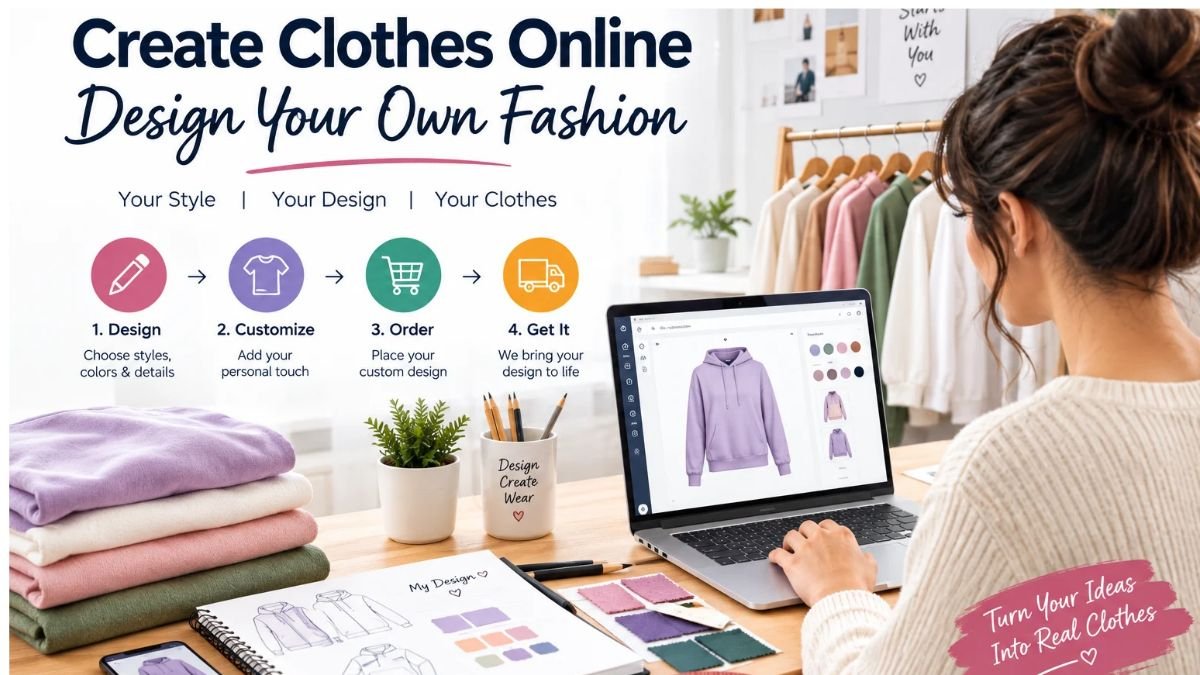
Learning how to create clothes online gives you the freedom to turn your fashion ideas into digital designs before making real garments. Whether you want to design a T-shirt, create a hoodie, build a clothing brand, or experiment with new outfits, online clothing design tools make the process easier to understand.
You do not always need professional drawing skills or expensive design software to get started. Many platforms offer ready-made templates, customizable colors, text, graphics, and product previews. Some tools also help you prepare designs for printing or connect with clothing production services.
However, designing a garment digitally is only the first step. If you want to sell your designs or launch a clothing line, you must also consider fabric, fit, sizing, construction, printing, and manufacturing.
This guide explains how to design clothing online, which features to look for in design platforms, how to turn digital concepts into physical garments, and what beginners should know before starting a clothing business.
What Does It Mean to Create Clothes Online?
To create clothes online means using a website or digital design tool to develop clothing concepts without making every design manually on paper. These tools allow you to customize garments, experiment with visual details, and preview how a finished product might look.
Depending on the platform, you may be able to:
- Select a garment, such as a T-shirt, hoodie, jacket, or sweatshirt.
- Change colors and add text or graphics.
- Upload your own artwork or logo.
- Preview the design on a digital garment or model.
- Create mockups for an online store or marketing campaign.
- Order printed products or explore manufacturing options.
Some platforms focus on simple customization, while others support technical fashion design, digital pattern development, and professional product visualization.
The best option depends on your goal. Someone designing a single personalized shirt needs different features from a business preparing a complete clothing collection.
How to Create Clothes Online Step by Step
You can start designing clothes online by following a structured process. This helps you develop a clear idea before spending money on samples or production.
1. Decide What You Want to Design
Start by choosing the type of clothing you want to create. Your product choice determines which design tools and garment templates will be most useful.
For example, you might want to design:
- Basic T-shirts and graphic tees
- Oversized hoodies and sweatshirts
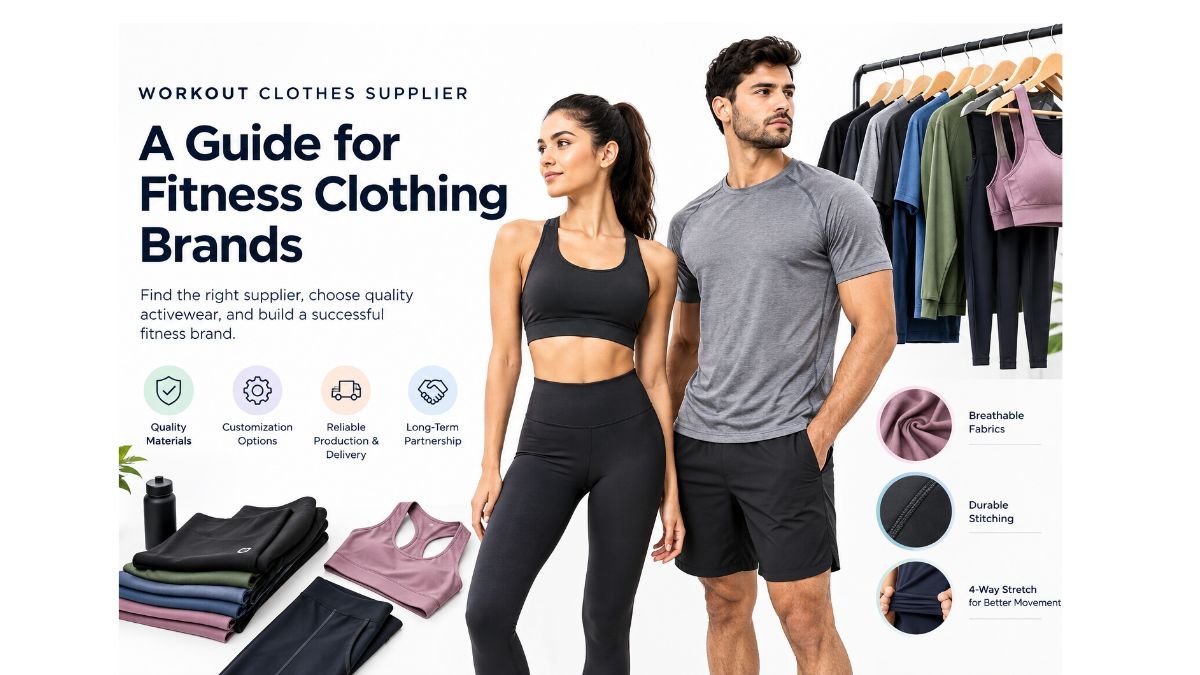
- Sportswear and activewear
- Streetwear collections
- Jackets and outerwear
- Casual clothing and tracksuits
- Uniforms or promotional apparel
Think about who will wear the garment, where they will wear it, and what makes your design different.
If you are creating clothing for a brand, establish a consistent visual identity. Consider your preferred colors, target customers, price range, and overall style before moving to the design stage.
2. Choose an Online Clothing Design Tool
Look for a platform that matches your experience level and project requirements. Beginners may prefer simple drag-and-drop editors, while professional designers may need detailed garment templates and technical specifications.
Check whether the tool supports your desired garment types, artwork uploads, color options, and export formats.
If you intend to manufacture the design, make sure the platform allows you to create useful reference files. A visual mockup alone may not provide enough information for a factory to reproduce the garment accurately.
3. Select a Garment Template
Many clothing design tools provide basic garment templates that you can customize.
Choose a template that resembles your intended product. Pay attention to the neckline, sleeves, silhouette, pocket placement, and overall proportions.
For example, a regular-fit T-shirt and an oversized streetwear T-shirt have different proportions. If your design depends on a loose silhouette, a standard-fit template may not communicate your concept accurately.
For more complex garments, you may need separate front, back, and side views.
4. Customize Colors, Graphics, and Text
Once you select a template, begin adding the visual elements.
You can experiment with:
- Main garment colors
- Contrasting panels and color blocking
- Brand names and logos
- Typography and slogans
- Illustrations and graphic prints
- Sleeve details and decorative elements
- Placement of artwork on the front, back, or sides
Keep the design balanced. Too many graphics, colors, or decorative details can make a garment difficult to produce or less appealing to your intended customers.
Use high-resolution artwork where possible. Before finalizing a design, check the spelling, logo proportions, image quality, and placement.
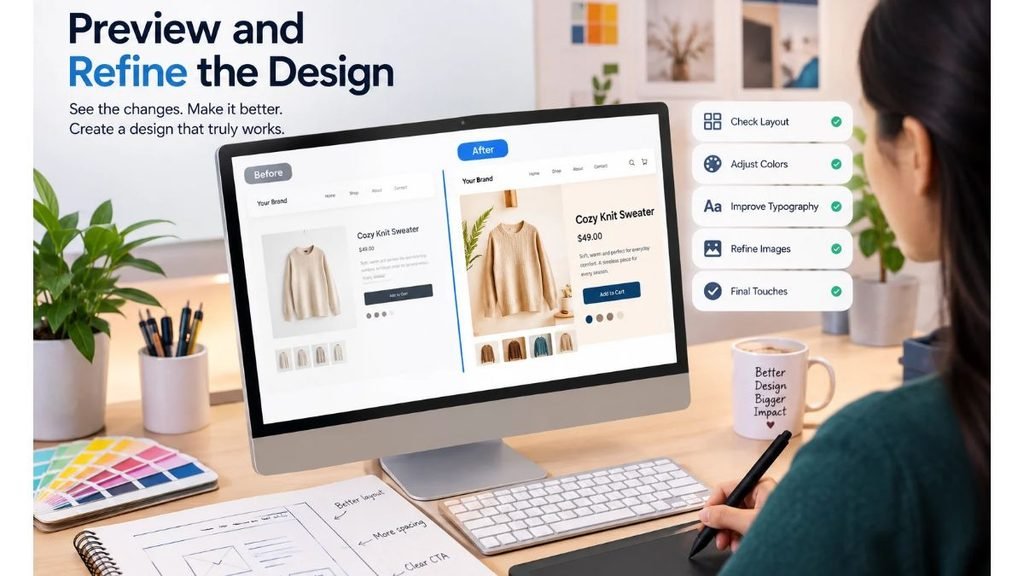
5. Preview and Refine the Design
A digital preview helps you identify visual problems before production.
Examine the garment from different angles if the platform supports them. Check whether the artwork is centered, the colors work together, and the design looks consistent across different views.
Remember that a digital mockup is not a physical sample. Screen colors can differ from actual fabric colors, and a flat image cannot fully demonstrate how a garment fits or moves.
6. Prepare the Design for Production
If you want to manufacture the garment, document the details that cannot be understood from the image alone.
These may include fabric composition, measurements, garment fit, stitching requirements, labels, trims, printing methods, and finishing details.
A professional tech pack can bring these specifications together. It helps the manufacturer understand what you want and reduces the risk of misunderstandings.
Once the design is sufficiently detailed, you can request a sample before approving bulk production.
Best Features to Look for in Clothing Design Sites
Not all clothing design platforms serve the same purpose. Some are ideal for customizing individual products, while others support more advanced fashion development.
When comparing clothing design sites, consider the following features.
Easy-to-Use Design Interface
A simple interface allows beginners to experiment with layouts, colors, and graphics without learning complex software.
Look for clear controls, useful templates, and an easy way to undo changes. Tutorials can also help you understand the available tools.
Garment Templates and Product Variety
Check whether the platform offers the clothing types you want to design. A website with T-shirt templates may not support jackets, technical sportswear, or detailed garment construction.
If you are planning a collection, choose a tool that supports several related product types.
Artwork and Logo Uploads
Uploading your own artwork is important when you want to build a recognizable brand.
Check supported file formats, image quality requirements, transparent backgrounds, and available placement options. For professional printing, ask the production provider about the artwork specifications it accepts.
Realistic Product Previews
Mockups help you see how a design might look on a garment. Some tools provide multiple views, while others offer digital models or three-dimensional previews.
These previews are useful for concept development and marketing. However, they should not replace physical samples when fit, fabric, and construction matter.
Download and Export Options
If you plan to work with a manufacturer, you may need to download artwork, measurement charts, reference images, or technical documents.
Check which features are included in the free version and which require payment. Also confirm whether you can use the exported designs commercially.
Printing or Manufacturing Support
Some services let you order a finished printed product. Others focus on digital design and do not manufacture anything.
Before choosing a platform, understand what happens after you finish designing. This is especially important if you want custom fabrics, unique cuts, private labels, or a complete clothing collection.
Where Can I Design My Own Clothes?
If you are wondering where can I design my own clothes, start by identifying the level of customization you need.
There are several types of online tools to consider.
Online Product Customizers
These tools are useful for creating personalized garments. You typically choose a ready-made product, add text or artwork, select colors, and preview the result.
They are suitable for custom T-shirts, promotional apparel, team clothing, gifts, and simple merchandise.
However, customization options may be limited to the garment styles and printing areas offered by the provider.
Digital Fashion Design Software
Fashion design software is more appropriate for people who want to develop detailed clothing concepts.
Depending on the software, features may include garment sketches, pattern development, fabric visualization, technical drawings, and three-dimensional garment previews.
These tools can require more time to learn, but they offer greater control over the design process.
Graphic Design Platforms
Graphic design tools can help you prepare logos, illustrations, typography, and artwork for clothing.
They are particularly useful for graphic tees, sweatshirts, and streetwear concepts. You can create artwork separately and then place it on a garment mockup.
However, graphic design software does not automatically determine garment measurements, stitching, fit, or construction.
Custom Clothing and Print-on-Demand Services
Some services combine design customization with product ordering. You create your artwork, select a product, and order individual items or sell products through an online store.
These services can be useful for testing a design without managing bulk inventory. Their limitations may include restricted garment options, decoration methods, and control over materials.
Clothing Manufacturers
If you want a garment with a unique fit, custom construction, specific fabric, or your own branding, a clothing manufacturer may be a better choice than a basic design website.
A manufacturer can help translate your concept into a physical product through sampling and production planning. You will usually need to provide design references and clarify your requirements.
How to Design Fashion Clothes Online for a Clothing Brand
Designing for a clothing brand requires more planning than creating a single personalized garment. Your designs must be attractive, practical to manufacture, and suitable for your target customers.
Define Your Brand Identity
Begin by deciding what your brand represents. You might focus on minimal everyday clothing, premium streetwear, fitness apparel, modest fashion, or sustainable design.
Your visual choices should support this identity. For example, a minimalist collection may use simple graphics and neutral colors, while a sportswear collection may prioritize performance features and bold color combinations.
A clear identity makes it easier to develop products that belong together.
Research Your Target Market
Study the types of clothing your intended customers buy. Look at common fits, preferred colors, garment features, and expected price points.
Customer research can help you decide whether to develop oversized T-shirts, fitted tops, technical leggings, heavyweight hoodies, or another product.
Avoid copying another brand’s designs. Use market research to identify opportunities and develop your own visual direction.
Create a Consistent Collection
Instead of designing unrelated products, develop a collection with a common theme.
For example, a small streetwear collection might include two T-shirts, a hoodie, and a pair of sweatpants. Consistent colors, graphics, and branding can make the products feel connected.
Consider how each garment will look alongside the others and whether the collection offers enough variety for your audience.
Plan Materials and Construction
A design is not complete until you understand how it could be made.
For example, a heavyweight hoodie may require a suitable fleece fabric, a defined fit, appropriate ribbing, and strong seams. An activewear top may require stretch, moisture management, and construction that supports movement.
The fabric and construction should match the garment’s intended use. These details also influence cost, comfort, durability, and production feasibility.
Develop a Sample Before Bulk Production
A physical sample helps you evaluate the garment beyond its digital appearance.
Check measurements, fabric feel, fit, stitching, artwork placement, labels, and finishing. If adjustments are necessary, communicate them before approving the final sample.
For brands planning bulk production, written sample approval helps establish the version that the manufacturer should follow.
Clothing Making Websites: What Can They Actually Do?
The phrase clothing making websites can refer to several different services, so it is important to understand their capabilities.
| Website type | What it helps you do | Main limitation |
|---|---|---|
| Online clothing editor | Customize ready-made garments | Limited control over garment construction |
| Graphic design platform | Create logos and clothing artwork | Does not manufacture the garment |
| Fashion design software | Develop detailed garment concepts | May require technical knowledge |
| Print-on-demand service | Order or sell printed products | Product and material options may be restricted |
| Custom clothing manufacturer | Develop and produce custom garments | Requires specifications, sampling, and production planning |
The right choice depends on your final objective.
If you only need a personalized shirt, a product editor may be sufficient. If you want to create a new garment silhouette for a clothing brand, you may need professional design tools and a manufacturing partner.
Before paying for a service, confirm what it includes, whether you own or can commercially use your artwork, and whether additional production costs apply.
How to Turn an Online Clothing Design Into a Real Garment
Creating a digital design is exciting, but producing a physical garment requires several additional steps.
Prepare a Tech Pack
A tech pack is a document that communicates how a garment should be made. It commonly includes technical drawings, measurements, fabric details, construction instructions, colors, trims, and branding specifications.
It may also include a bill of materials, size grading, artwork placement, and finishing requirements.
A clear tech pack helps the manufacturer identify missing information before sampling begins. If you do not have one, organize your sketches, reference images, measurements, and product requirements so the development team can assess the project.
Choose the Right Fabric
Fabric affects the appearance, weight, comfort, durability, and cost of a garment.
For example, cotton jersey is commonly used for T-shirts, while French terry and fleece are popular choices for sweatshirts and hoodies. Polyester blends and stretch fabrics may suit particular activewear applications.
GSM means grams per square metre and describes fabric weight. Higher GSM usually indicates heavier fabric, but it does not automatically mean better quality.
Ask for fabric options or swatches when the exact material matters.
Select a Suitable Decoration Method
Your artwork and fabric influence which decoration method is appropriate.
- Screen printing: Often suitable for repeated designs and larger production runs.
- Embroidery: Creates stitched designs, commonly used for logos and decorative details.
- Direct-to-garment printing: Prints detailed artwork directly onto suitable garments.
- Heat transfer: Applies designs using a transfer process, depending on the material and method.
- Sublimation: Commonly used for compatible polyester-based materials and all-over designs.
Discuss the expected appearance, durability, fabric compatibility, and order quantity with the production provider.
Confirm Measurements and Fit
Digital images do not provide enough information to reproduce a garment accurately.
Specify measurements such as body length, chest width, sleeve length, shoulder width, and waistband dimensions where relevant. Also explain whether the garment should be slim, regular, relaxed, or oversized.
For collections with multiple sizes, ask how the measurements will be graded across the size range.
Approve a Physical Sample
Review the sample before authorizing bulk production. Compare it with your approved specifications and note any corrections clearly.
Check the fit, fabric, stitching, colors, print quality, labels, and finishing. If the sample requires changes, request a revised version and review it again.
This step helps reduce avoidable problems during manufacturing.
Can You Create Your Own Clothes Online for Free?
Yes, some platforms offer free design tools or limited free plans. These can be useful for learning the basics, testing concepts, and preparing simple mockups.
However, free design access does not mean the finished clothing is free.
You may still need to pay for premium features, artwork downloads, printed products, physical samples, manufacturing, packaging, and shipping.
Before using a free platform commercially, check its licensing terms. Confirm whether your designs can be used for products you sell and whether the platform places restrictions on downloaded artwork.
A sensible approach is to begin with a free tool, refine your concept, and invest in paid features only when they provide clear value.
Where Can I Create My Own Clothes for an Online Store?
If your goal is to sell clothing online, you can choose between selling customized existing products and developing your own garments.
Option 1: Start With Print-on-Demand
Print-on-demand can be useful for testing graphic designs without purchasing large quantities of inventory upfront.
You upload artwork, select available products, and arrange for items to be printed when orders are placed. This model can reduce the need to store finished products yourself.
However, you have less control over garment construction, material selection, and product specifications than you would with custom manufacturing.
Option 2: Develop a Custom Clothing Line
Custom manufacturing is more suitable when your brand needs specific silhouettes, fabrics, construction details, labels, or packaging.
You develop the design, define the product specifications, review samples, and agree on production requirements with a manufacturer.
This approach generally requires more planning and an upfront budget. You should confirm minimum order quantities, sample costs, production timelines, and shipping terms before placing an order.
Option 3: Combine Both Approaches
Some businesses use print-on-demand to test artwork while developing selected products through custom manufacturing.
This allows you to explore customer interest before committing to a broader collection. However, the two methods may produce different garment quality, fits, and decoration results, so communicate those differences clearly to customers.
How to Choose a Clothing Manufacturer for Your Designs
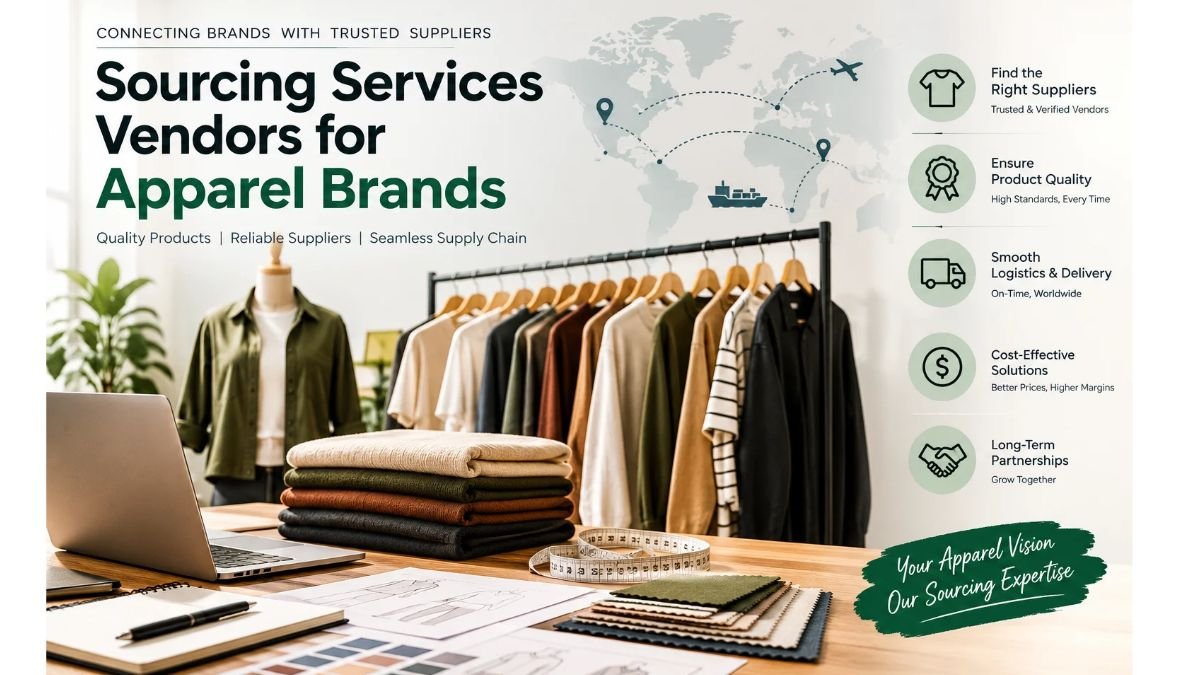
If you want to turn digital concepts into a commercial clothing line, choosing a suitable manufacturing partner is an important decision.
Consider these factors before requesting a quotation.
Minimum order quantity: Ask how many pieces are required per style, color, or size run. Make sure the minimum suits your budget and sales expectations.
Sampling process: Find out whether the manufacturer creates physical samples and how revisions are handled before bulk production.
Customization options: Confirm the available fabrics, colors, patterns, trims, printing, embroidery, labels, and packaging options.
Quality control: Ask how measurements, stitching, decoration, and finishing are checked during production and before shipment.
Communication: The manufacturer should be able to understand your specifications, clarify missing details, and explain the next steps.
Production and shipping: Confirm estimated timelines, shipping options, destination requirements, and any applicable duties or additional costs.
Working With Fashion Soul International
Fashion Soul International is a custom clothing manufacturer based in Sialkot, Pakistan. The company offers services for brands seeking custom garment development and production.
Depending on the product and project requirements, services include private-label clothing, OEM and ODM manufacturing, white-label production, cut-and-sew manufacturing, and full-package production.
The process can include fabric sourcing, sampling, bulk production, quality control, custom branding, packaging, and international shipping.
If you have created a design online, prepare your sketches, reference images, artwork, measurements, and preferred fabric details before contacting a manufacturer. These materials help the production team understand your concept and identify the information needed for sampling.
Fashion Soul International publishes a standard minimum order quantity starting at 100 pieces, although the actual MOQ depends on the garment, fabric, color, construction, and customization requirements. Confirm the current MOQ, quotation, and production schedule directly for your specific project.
You can visit the official website at https://fashionsoulintl.com/ to explore the company’s manufacturing services and discuss your clothing requirements.
Common Mistakes to Avoid When Designing Clothes Online
A few common mistakes can make the transition from digital design to physical production more difficult.
Relying Only on a Mockup
A mockup shows the visual concept, but it does not fully communicate fit, construction, fabric behavior, or exact measurements.
Solution: Prepare technical details and request a physical sample when you need a reproducible product.
Choosing Fabric Too Late
A design may look attractive digitally but be unsuitable for the fabric you select later.
Solution: Consider fabric weight, stretch, drape, durability, and intended use during the design stage.
Ignoring Production Costs
The cost of a finished garment includes more than the basic fabric and sewing.
Solution: Budget for sampling, trims, decoration, labels, packaging, shipping, and other project-specific expenses.
Using Low-Quality Artwork
Blurry graphics or poorly prepared logos can affect the final print.
Solution: Use suitable artwork files and ask the printing provider about resolution, dimensions, and file requirements.
Ordering Too Much Too Early
Producing a large quantity before validating the design can leave you with unsold stock.
Solution: Test your concept, understand your customers, review a sample, and choose an order quantity that fits your business plan.
Frequently Asked Questions
1. How can I create clothes online as a beginner?
Start with a simple clothing design tool. Choose a garment template, customize its colors and graphics, and preview the result. If you want to manufacture the design, prepare measurements and material details before requesting a sample.
2. Where can I design my own clothes online?
You can use online product customizers, graphic design platforms, digital fashion software, and custom clothing services. Choose according to whether you need a simple graphic, a digital garment concept, or a product ready for manufacturing.
3. Are clothing design sites suitable for starting a clothing brand?
Yes. They can help you explore designs, create mockups, and prepare artwork. However, a commercial clothing brand may also need technical specifications, physical samples, reliable manufacturing, and a plan for quality control and shipping.
4. Can I create clothes online for free?
Some platforms provide free design features. However, printing, premium exports, physical samples, manufacturing, and delivery may involve additional charges.
5. Can I sell clothing that I design online?
Yes, provided you have the necessary rights to use the artwork and comply with the platform’s terms. You should also check applicable business, product labeling, and consumer protection requirements for your target market.
6. Do I need a tech pack to manufacture custom clothing?
A tech pack is highly useful because it organizes measurements, materials, construction, and branding requirements. For simpler projects, a manufacturer may begin with sketches and reference images, but additional specifications will usually be needed before production.
7. How much does it cost to manufacture my own clothing design?
The cost depends on the garment type, fabric, order quantity, construction, printing or embroidery, labels, packaging, and shipping. Request a project-specific quotation after defining your requirements and confirming the sampling process.
8. Can a clothing manufacturer help turn my online design into a real product?
Yes. A suitable manufacturer can assess your concept, discuss materials and construction, develop a sample, and arrange production after approval. The available services and minimum order quantity depend on the manufacturer and product.
Final Thoughts
Learning how to create clothes online is a practical starting point for anyone interested in fashion design, personalized apparel, or building a clothing brand. Online tools make it easier to experiment with colors, graphics, garment styles, and product concepts before committing to production.
The most important step is choosing the right approach for your goal. Simple customization tools work well for basic designs, while technical design software and professional manufacturing support are more suitable for original garments and complete collections.
If you plan to sell your designs, look beyond the digital preview. Consider fabric, fit, measurements, construction, decoration, quality control, production costs, and shipping. With a clear concept and well-prepared specifications, you can move from an online design to a physical garment that better matches your expectations.