
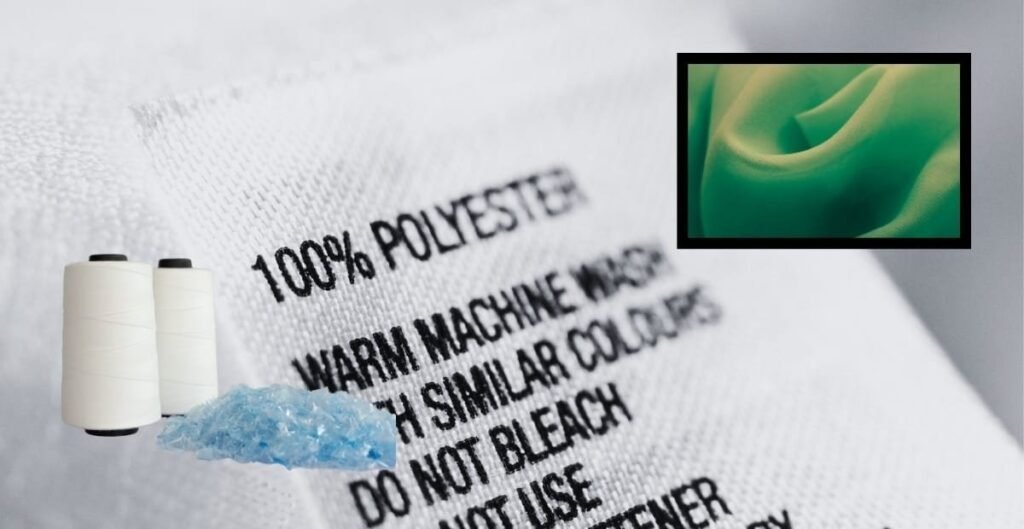
1. PET (Polyethylene Terephthalate) Polyester
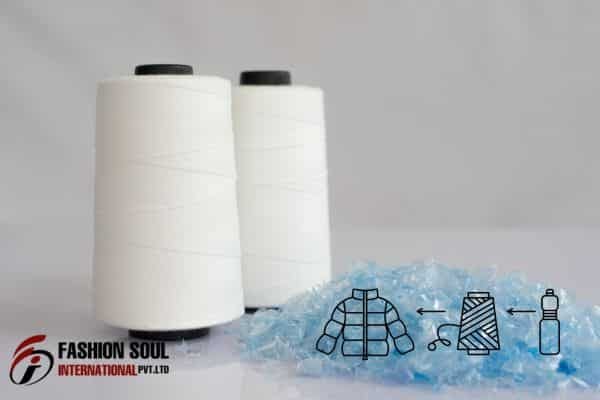
PET polyester is the most common and versatile type of polyester fabric. It is widely recognized for its durability, lightweight nature, and exceptional resistance to wear and tear. PET polyester is created through a polymerization process that combines ethylene glycol and terephthalic acid, resulting in a fabric that is both cost-effective and high-performing.
Key Features:
- High tensile strength: PET polyester is incredibly strong, making it suitable for both apparel and industrial applications.
- Resistant to wrinkles and shrinking: The fibers retain their shape and resist deformation, ensuring long-lasting garments and products.
- Lightweight and easy to care for: PET polyester is lightweight and dries quickly, making it ideal for travel-friendly clothing.
- Moisture-resistant: The fabric repels water and dries quickly, making it suitable for humid or wet environments.
- Recyclable: PET polyester can be recycled, making it an eco-friendlier choice in comparison to other synthetic fibers.
Uses:
PET polyester is extensively used in:
- Clothing: It is a staple in sportswear, outdoor clothing, and everyday wear due to its durability and ease of maintenance.
- Home textiles: Bedding, curtains, and upholstery often feature PET polyester for its stain resistance and long lifespan.
- Packaging materials: PET is a popular material for making bottles and food-grade containers because of its non-reactive and sturdy nature.
- Industrial applications: Due to its strength, PET is used in conveyor belts, tire cords, and other heavy-duty equipment.
2. PCDT (Poly-1, 4-Cyclohexylene-Dimethylene Terephthalate) Polyester
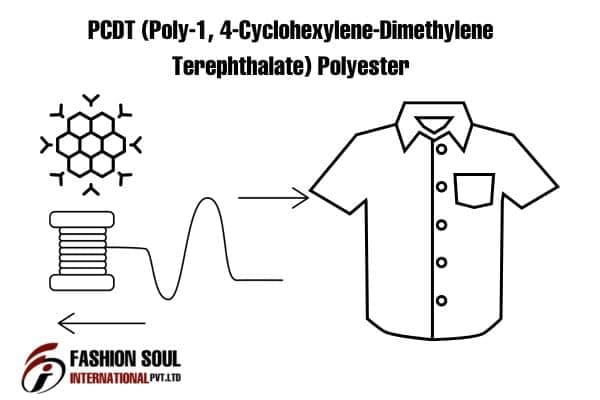
PCDT polyester, although less common than PET, offers unique properties that make it indispensable in certain applications. It is made using a chemical composition that includes cyclohexylene, giving it enhanced elasticity and resilience. This fabric stands out for its ability to stretch and recover, making it suitable for dynamic and heavy-use environments.
Key Features:
- Excellent elasticity: PCDT fibers can stretch and recover without losing their shape, offering a high degree of flexibility.
- Strong and durable: Despite its elasticity, PCDT retains exceptional strength, making it perfect for heavy-duty applications.
- Smooth texture: The fabric’s structure provides a sleek and soft finish, enhancing its aesthetic appeal.
- High resistance to abrasion: PCDT polyester performs well under repeated stress, ensuring longevity.
- Better draping ability: Its elasticity and weight allow for improved flow and fit, making it suitable for curtains and stretchable garments.
Uses:
PCDT polyester is commonly used in:
- Heavy-duty upholstery fabrics: Its strength and resilience make it ideal for furniture and automobile interiors.
- Curtains and drapes: PCDT’s weight and flexibility ensure that curtains hang beautifully while withstanding daily use.
- Industrial textiles: This includes conveyor belts, safety harnesses, and other materials requiring elasticity and toughness.
- Stretchable clothing: While less common, its flexibility makes it a good choice for sportswear and garments requiring elasticity.
- Decorative fabrics: PCDT’s smooth texture and durability also lend themselves to creating high-end decorative textiles.