


Bamboo viscose fabric has gained strong attention in modern fashion. Many brands now promote it as soft, breathable, and stylish. At the same time, buyers want to know how it truly performs in daily use. This guide explains everything in a clear and practical way.
You will learn what bamboo viscose is, how it feels, and how it works in real life. In addition, you will understand its strengths and its limits. This helps you make better choices when buying clothing or textiles.
Table of contents
- what is bamboo viscose fabric and how it performs in simple terms
- what is bamboo viscose fabric and how it performs during production
- what is bamboo viscose fabric and how it performs on skin
- what is bamboo viscose fabric and how it performs in hot weather
- what is bamboo viscose fabric and how it performs in durability
- what is bamboo viscose fabric and how it performs compared to cotton
- what is bamboo viscose fabric and how it performs in sustainability
- what is bamboo viscose fabric and how it performs in moisture control
- what is bamboo viscose fabric and how it performs in breathability
- How Bamboo performs in care and washing
- what is bamboo viscose fabric and how it performs in fashion use
- what is bamboo viscose fabric and how it performs in long term use
- How Bamboo viscose performs in common myths
- How Bamboo viscose performs in real life use cases
- Benefits of bamboo viscose fabric
- Key considerations before buying
- Conclusion
- FAQ’s
what is bamboo viscose fabric and how it performs in simple terms
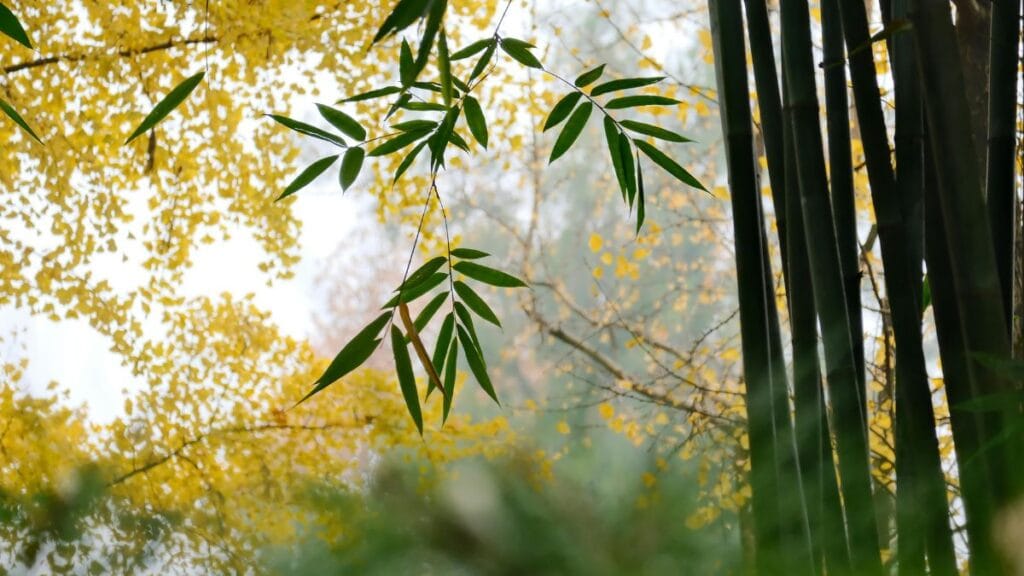
Bamboo viscose is a semi-synthetic fabric made from bamboo pulp. Manufacturers take bamboo plants and break them down into a soft fiber. Then they spin that fiber into yarn and create fabric.
Although bamboo is natural, the process uses chemical treatment. Because of this, bamboo viscose is not fully natural. Instead, it sits between natural and synthetic fabrics.
In simple words, it is a soft, smooth fabric made from bamboo through a processed method. If you want more information about viscose read our article : What Is Viscose Material Eco Friendly Or Not Explained?
what is bamboo viscose fabric and how it performs during production
The production process plays a big role in how the fabric behaves. It follows several steps:
- Bamboo stalks get crushed into pulp
- The pulp dissolves using chemicals
- The liquid passes through fine holes
- Fibers form and harden into threads
- Threads get spun into fabric
This method gives the fabric a silky feel. At the same time, it improves flexibility and softness.
However, the chemical process also raises environmental concerns. Responsible factories now use safer methods to reduce harm.
what is bamboo viscose fabric and how it performs on skin
Comfort is one of the main reasons people choose bamboo viscose. The fabric feels very smooth and light.
It performs well on skin because:
- It feels soft like silk
- It does not irritate sensitive skin
- It stays cool in warm weather
- It absorbs moisture quickly
Because of these qualities, many people prefer it for daily wear. It works well for t-shirts, underwear, and sleepwear.
what is bamboo viscose fabric and how it performs in hot weather
Bamboo viscose performs best in warm climates. It allows air to pass through easily. This keeps the body cool and fresh.
The fabric also absorbs sweat faster than many materials. As a result, it reduces stickiness during hot days.
This makes it a good choice for:
- Summer clothing
- Activewear
- Casual outfits
However, it may not provide enough warmth in cold conditions. So it works better for summer than winter.
what is bamboo viscose fabric and how it performs in durability
Durability is an important factor when choosing fabric. Bamboo viscose feels delicate, but it offers moderate strength.
Here is how it performs:
- It stretches slightly but not too much
- It can lose shape if washed roughly
- It lasts longer with proper care
Compared to cotton, it may wear out faster if handled poorly. However, gentle washing can extend its life.
what is bamboo viscose fabric and how it performs compared to cotton
Many buyers compare bamboo viscose with cotton. Both fabrics are popular, but they perform differently.
Bamboo viscose vs cotton:
- Bamboo feels softer than cotton
- Cotton is more durable in rough use
- Bamboo absorbs more moisture
- Cotton works better for long-term wear
- Bamboo gives a more premium feel
Because of this, bamboo viscose suits comfort-focused clothing. Cotton suits everyday durability.
what is bamboo viscose fabric and how it performs in sustainability
Sustainability is a major topic in textiles today. Bamboo grows fast and needs less water. This gives it an eco-friendly image.
However, the processing stage changes the picture.
Key points to understand:
- Bamboo farming is sustainable
- Chemical processing reduces eco benefits
- Closed-loop systems improve safety
- Certified production ensures better practices
So bamboo viscose can be eco-friendly if produced responsibly. Always check brand transparency before buying.
what is bamboo viscose fabric and how it performs in moisture control

Moisture control is one of its strongest features. The fabric pulls sweat away from the skin quickly.
This helps in:
- Keeping the body dry
- Reducing odor buildup
- Improving comfort during movement
Because of this, it works well for active lifestyles. Many brands use it in sportswear and innerwear. Read our article Is Viscose A Natural Fiber Viscose Biodegradable Or Not to know that viscose is natural or not.
what is bamboo viscose fabric and how it performs in breathability
Breathability means how well air moves through fabric. Bamboo viscose scores high in this area.
It performs well because:
- The fiber structure allows airflow
- It prevents heat buildup
- It feels light on the body
This makes it suitable for humid climates. It also helps reduce discomfort during long wear.
How Bamboo performs in care and washing
Proper care improves fabric performance over time. Bamboo viscose needs gentle handling.
Follow these tips:
- Wash in cold water
- Use mild detergent
- Avoid high heat drying
- Air dry when possible
- Do not twist or wring
These steps help maintain softness and shape. Poor care can damage the fibers quickly.
what is bamboo viscose fabric and how it performs in fashion use
Fashion brands use bamboo viscose in many products. Its soft texture and smooth finish create a premium look.
Common uses include:
- T-shirts and tops
- Dresses
- Loungewear
- Undergarments
- Baby clothing
Designers prefer it for its drape and comfort. It also blends well with other fabrics. If you want to know more about viscose read our article : What Material Is Viscose and How It Shapes the Fashion Industry
what is bamboo viscose fabric and how it performs in long term use
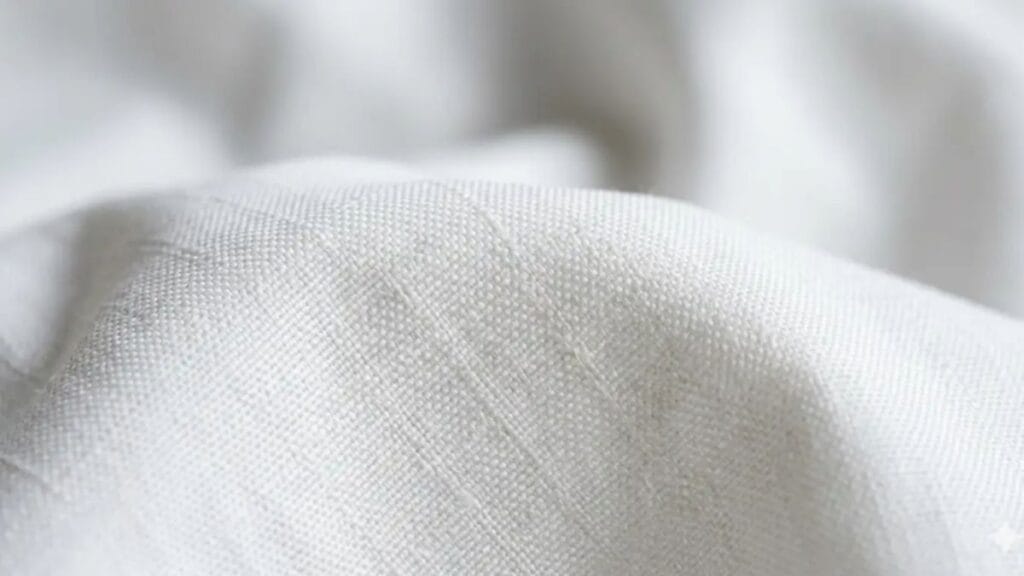
Long-term performance depends on care and usage. With proper maintenance, the fabric stays soft and comfortable.
However, over time:
- It may lose strength
- It may shrink slightly
- It may fade with harsh washing
So it requires more care than tougher fabrics. Still, many users accept this trade-off for comfort. Want to know about how viscose is made visit our blog : What Is Viscose Made From and Why It’s a Sustainable Choice
How Bamboo viscose performs in common myths
Several myths about bamboo viscose can mislead buyers. Understanding the truth helps you shop with confidence.
Myth 1: It is 100% natural
Since it’s processed with chemicals, this fabric is classed as semi-synthetic.
Myth 2: It is always eco-friendly
Sustainability actually depends on production methods. Closed-loop systems reduce harm.
Myth 3: It lasts forever
Gentle care is essential because the material may not be highly durable under rough use.
Clearing these myths helps buyers make informed choices.
How Bamboo viscose performs in real life use cases
Real-Life Use Cases for Bamboo Viscose:
Real-world use shows how the fabric behaves daily. Its comfort-focused qualities make it popular across different products.
- Summer clothing
- Many people choose it for heat comfort and softness during hot days.
- Gym wear
- The fabric pulls sweat away from the skin and reduces odor during workouts.
- Sleepwear
- A smooth texture helps the body relax and improves sleep quality.
These examples show its strength in comfort-based use.
Benefits of bamboo viscose fabric
Bamboo viscose offers several advantages:
- Very soft and smooth feel
- Good breathability
- Strong moisture absorption
- Lightweight and flexible
- Suitable for sensitive skin
These benefits make it a popular choice in modern fashion.
Key considerations before buying
Before choosing bamboo viscose, consider these points:
- Check brand sustainability claims
- Understand care requirements
- Compare with cotton or blends
- Look for quality stitching
- Avoid cheap low-grade versions
These steps ensure better value and performance.
Conclusion
Bamboo viscose fabric offers a balance of comfort and style. It feels soft, breathable, and light on the skin. At the same time, it requires proper care and responsible sourcing.
It performs best in warm weather and comfort-focused clothing. However, it may not match the durability of stronger fabrics like cotton.
If you value softness and a premium feel, it is a strong option. Just make sure you choose quality products and follow proper care methods
FAQ’s
It feels soft and breathable. It works well for casual and comfort clothing.
It depends on production methods. Sustainable processes improve its impact.
It is softer but less durable. Cotton lasts longer in rough use.
Yes, it is gentle and smooth. Many people find it non-irritating.
It can shrink if washed in hot water. Cold washing prevents this.