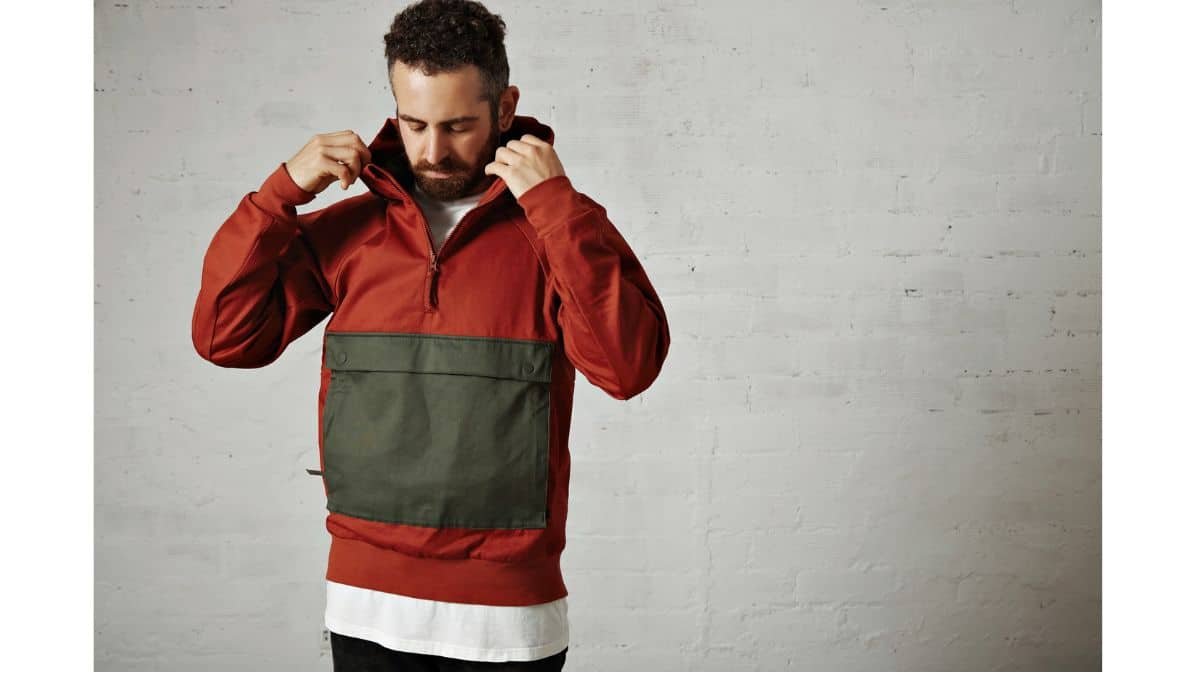
Streetwear is one of the most competitive categories in apparel manufacturing. It is also where the difference between an average factory and a skilled manufacturer becomes clear. A boxy hoodie should keep its shape after washing. An oversized T-shirt needs a proper drop-shoulder pattern. Puff prints should stay durable and resist cracking. These details affect quality and customer satisfaction. They also determine whether customers buy again or only once.
In short, streetwear manufacturing is the production of trend-driven and culture-inspired apparel. It includes oversized T-shirts, heavyweight hoodies, graphic pieces, and technical outerwear. These garments use custom patterns for drop shoulders, boxy fits, and other streetwear silhouettes. Brands can choose fully custom manufacturing, private label production, or wholesale blank garments for their own decoration.
This guide explains what makes a true custom streetwear manufacturer different from a general clothing factory. It covers private label streetwear, fabric selection, and garment construction. You will also learn about realistic MOQs and how to choose the right factory before your first production run. Fashion Soul International has over 10 years of manufacturing experience. We have produced streetwear for more than 2,500 brands. This guide is based on our real production expertise.
What Is Streetwear Manufacturing?
Streetwear manufacturing covers the design, fabric sourcing, pattern development, cut-and-sew production, and decoration of apparel built for streetwear-specific silhouettes and cultural positioning rather than standard retail apparel cuts. This includes:
- Oversized and boxy silhouettes — drop-shoulder tees, boxy hoodies, and relaxed-fit joggers that require dedicated pattern development, not simply a larger size of a standard-fit garment
- Heavyweight fabrics — 240–400 GSM cotton and fleece, chosen for the substantial drape and premium hand-feel associated with high-end streetwear
- Graphic-forward decoration — bold prints, embroidery, puff print, and distressed or washed finishes that carry as much brand identity as the garment silhouette itself
- Category range — t-shirts, hoodies, sweatshirts, joggers, denim jackets, and outerwear, often produced as a coordinated capsule collection rather than single standalone pieces
What makes streetwear manufacturing different is the pattern-making process. An oversized drop-shoulder T-shirt is not just a larger version of a regular fit. It needs a different shoulder seam, sleeve drop, and body width ratio. These details create the correct oversized look. A factory without streetwear pattern expertise often produces garments that look like oversized regular-fit shirts. The result feels generic instead of intentional. Fashion Soul International offers OEM and ODM manufacturing for streetwear and casual wear. These are core product categories in our apparel manufacturing program.
Streetwear Manufacturer vs. Custom Streetwear Manufacturer vs. Private Label Streetwear: What’s the Difference?
These terms get used loosely across the industry, but they represent genuinely different working relationships with a factory:
| Term | What It Means | Best Fit For |
|---|---|---|
| Streetwear manufacturer | General category term — can operate custom, private label, or wholesale/blank | Any brand starting a sourcing search |
| Custom streetwear manufacturer | Builds garments from your original pattern, fabric spec, and branding, developed from scratch | Brands with a defined silhouette and fabric identity wanting genuine differentiation |
| Private label streetwear | Uses a factory’s existing base pattern and blank garment, with your branding, labels, and packaging applied | Fast launch, testing a design before investing in custom pattern development |
| Streetwear clothing production | Broader operational term covering the full manufacturing process — sourcing, cutting, sewing, finishing — regardless of custom or private label model | Used interchangeably with the above; context (custom vs. private label) determines what’s actually being offered |
The practical distinction that matters most: a private label order can move to sampling quickly using a factory’s existing oversized tee or hoodie block, while a genuinely custom program means the factory develops your specific drop-shoulder ratio, body length, and sleeve drop from your own reference or tech pack — a longer process, but the only path to a silhouette that’s actually distinct from what a competitor sourcing from the same factory could also order. For a deeper breakdown of this exact distinction as it applies to streetwear specifically, see our guide on private label vs. white label streetwear.
Fabric Choices That Define Streetwear
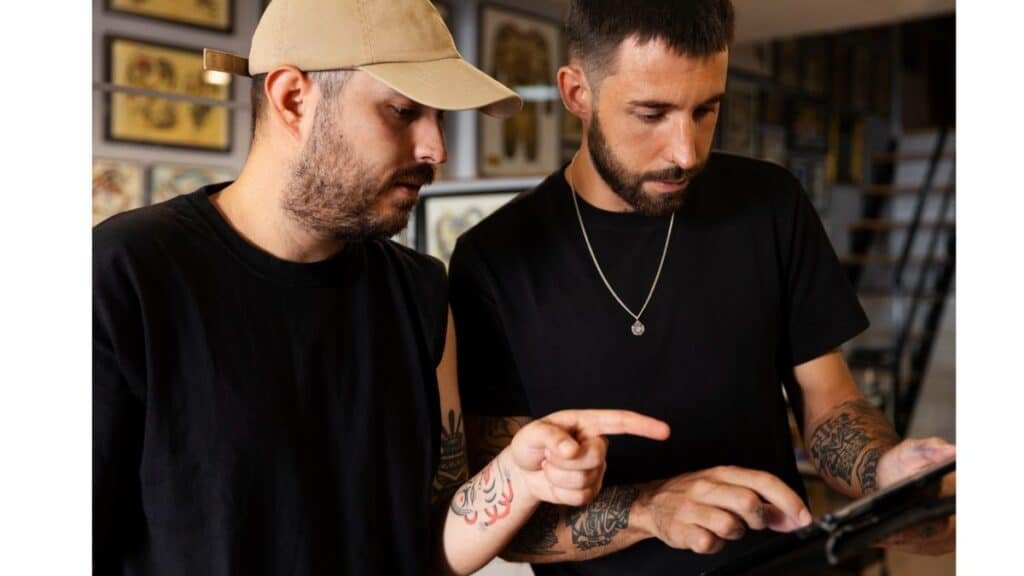
Fabric selection is where most of a streetwear garment’s perceived value and durability comes from — arguably more than the graphic or logo itself.
| Fabric | Key Property | Best For |
|---|---|---|
| Heavyweight cotton (240–400 GSM) | Substantial drape, premium hand-feel, structured boxy silhouette | High-end streetwear tees and hoodies |
| French terry | Looped interior texture, breathable, mid-weight | Sweatshirts and joggers with a slightly lighter feel than fleece |
| Brushed fleece | Soft interior, warm, strong exterior finish | Hoodies and sweatpants worn year-round |
| Washed cotton blends | Pre-softened, vintage hand-feel | Fashion-forward tees and washed-effect streetwear pieces |
| Polyester and poly-blends | Lightweight, durable, moisture-wicking | Performance-leaning streetwear and technical outerwear |
| Denim | Durable, ages well, strong pop-culture association | Jackets, jeans, and oversized denim silhouettes |
| Jersey | Breathable, smooth, lightweight | Basics and layering pieces |
| Nylon | Strong, stain-resistant, weather-protective | Outerwear, windbreakers, and technical streetwear pieces |
Cotton is the most popular fabric for streetwear collections. It holds graphic prints very well. It also provides the natural comfort customers expect. This makes it ideal for design-focused garments where the graphic is the main feature. To learn more about fabric types and sourcing, read our guide to the best fabrics for streetwear and our general fabric selection page.
Oversized and Boxy Pattern Development: Why It’s Not Just “Sizing Up”
This is the single most commonly overlooked technical detail in streetwear sourcing, and it’s worth understanding before briefing any factory.
A drop-shoulder or oversized silhouette requires dedicated pattern work across several specific measurements:
- Shoulder seam drop — how far the shoulder seam sits below the natural shoulder point, which defines the relaxed, dropped-shoulder look central to most streetwear silhouettes
- Body width-to-length ratio — an oversized tee isn’t simply wider; the length-to-width proportion needs to be deliberately calculated so the garment reads as intentionally oversized rather than just large
- Sleeve drop and taper — the sleeve needs a specific drop and taper ratio to hang correctly on a dropped shoulder seam rather than pulling or bunching
- Hem and cuff finishing — boxy silhouettes often use straight hems rather than curved, and ribbed cuffs need to be sized to the intentionally wider sleeve opening
A factory should not create oversized garments by simply increasing the size of a standard-fit pattern. A true oversized fit needs a dedicated pattern block. Otherwise, the garment only looks larger, not intentionally oversized. Brands should ask manufacturers if they use dedicated oversized or boxy pattern blocks. This helps identify factories with real streetwear expertise instead of general apparel production experience.
The Streetwear Manufacturing Process
- Design brief or tech pack submission — including silhouette references, fabric weight preference, and graphic/decoration concepts
- Fabric sourcing and lab dips — color-matched swatches submitted for approval, particularly important for the muted, tonal palettes common in current streetwear positioning
- Pattern making — built from a dedicated oversized/boxy block for custom programs, or selected from an existing base pattern for private label
- Sample production — a physical sample sewn and shipped for silhouette, fabric, and construction review
- Revisions — fit adjustments, particularly around shoulder drop and body proportion for oversized styles
- Bulk fabric cutting — computerized cutting for consistency across the full size run
- Sewing and assembly — including any garment washing or distressing effects applied at this stage
- Decoration — screen printing, embroidery, puff print, or specialty finishes applied per your branding spec
- Finishing and labeling — woven labels, neck prints, care tags, hang tags, and packaging
- Quality inspection — checking silhouette consistency across the size run, print/embroidery placement, and fabric weight consistency between batches
- Export and shipping
Full detail on how each stage runs is available on our manufacturing process and quality inspection pages.
MOQ for Streetwear: What the Market Actually Looks Like
Streetwear MOQ practices are some of the most aggressively low in all of apparel manufacturing — multiple suppliers in this space advertise 20-piece-per-design minimums specifically to attract new, independent labels, and some print-on-demand-style operations offer no minimum at all on select items.
A few things drive where a specific factory actually sets its floor:
- “No minimum” and low-MOQ suppliers are useful for testing new designs. They are a good choice for small orders or sample collections. However, they usually use standard blank garments instead of custom oversized patterns. They are also less suitable for consistent fabric sourcing and large reorder volumes as a brand grows.
- Custom pattern development raises the practical floor — a genuinely custom oversized block requires more setup investment than using an existing base pattern, which factories typically offset with a higher minimum
- Decoration complexity — multi-color puff print or heavy embroidery sometimes carries its own separate minimum distinct from the garment MOQ itself
Fashion Soul International’s 100-piece MOQ per style sits above the 20–50 piece minimums common among suppliers built primarily for single-design testing, while remaining accessible for an independent label — positioned for a brand that wants a genuinely dedicated oversized pattern block and consistent fabric batching across a real production run, rather than a one-off test piece using a generic base pattern.
Branding and Decoration Options for Streetwear
- Screen printing — the standard for bold, graphic-forward streetwear designs, cost-effective at volume for simple to moderate color counts
- Puff print — a specialty screen printing technique using foaming ink that rises when heat-cured, adding a raised, 3D texture strongly associated with current streetwear positioning
- Embroidery — flat, 3D puff, or chenille, used for logos and patches on hoodies, caps, and jacket chest panels
- Distressed and washed effects — acid wash, stone wash, or garment dyeing applied after construction to create a vintage, worn-in aesthetic popular across streetwear collections
- Woven neck labels and neck prints — placed for brand presence at a highly visible garment point
- Custom packaging — branded poly bags, boxes, or stickers, since unboxing presentation carries real weight in streetwear brand positioning specifically
See our best printing methods guide and custom embroidery design page for a deeper comparison, plus custom hang tags for apparel for packaging and tagging options. For more on choosing a manufacturer specifically suited to streetwear’s design and finishing demands, see our guide on how to find a streetwear manufacturer that fits you.
Building a Coordinated Capsule Instead of Single Pieces
One pattern worth knowing before placing a first streetwear order: brands that launch with a small, coordinated capsule — a tee, a hoodie, and a jogger sharing the same fabric family, color palette, and graphic language — tend to read as more established and intentional than brands that launch with a single standalone item, even when the total unit count is similar.
A few practical considerations for planning a capsule rather than a single SKU:
- Shared fabric sourcing across styles reduces per-unit cost and simplifies quality control, since the factory is managing one fabric batch rather than several unrelated ones
- A consistent graphic or branding language across pieces — a repeated logo placement, a shared color story, or a recurring motif — builds visual brand recognition faster than disconnected individual designs
- Sequencing styles by complexity — launching with a simpler screen-printed tee alongside a more involved embroidered hoodie spreads production risk, since the simpler piece is faster to correct if a first sample round needs revision
- MOQ efficiency — some manufacturers offer more flexible per-style minimums when a brand commits to a multi-style capsule in a single production run, since the total order volume across styles offsets the setup cost of any individual piece
A manufacturer experienced specifically in streetwear can often advise on capsule sequencing during the initial brief — worth asking about directly rather than assuming a factory only fulfills exactly what’s specified without offering input on launch strategy.
Certifications and Quality Standards for Streetwear Manufacturing
Because streetwear relies so heavily on fabric weight consistency and print/embroidery placement precision, documented quality control is a meaningful signal here — a factory without consistent QC is more likely to ship a bulk order with fabric weight or print placement that drifts from the approved sample.
Certifications worth verifying:
- ISO 9001 (Quality Management System) — confirms documented, repeatable quality control rather than informal inspection
- ISO 14001 (Environmental Management System) — relevant for brands sourcing organic cotton or sustainably positioned streetwear
- REX (Registered Exporter) certification — enables preferential tariff treatment for qualifying exports into the EU under the Generalized Scheme of Preferences
- SECP verification — confirms the manufacturer is a legally registered company rather than an unregistered trading intermediary
Fashion Soul International holds ISO 9001 and ISO 14001 certification, is a REX certified exporter, and is fully SECP-verified, operating out of Sialkot, Pakistan. These standards back 10+ years of manufacturing experience across 2,500+ brands served, produced by a 250+ person skilled workforce with capacity exceeding 100,000 garments per month.
What Drives Streetwear Pricing
- Fabric weight and composition — heavyweight cotton (300+ GSM) costs meaningfully more per yard than standard-weight fabric
- Pattern development — a genuinely custom oversized block costs more in setup than using an existing base pattern
- Decoration method — puff print and multi-color embroidery cost more per unit than standard single-color screen printing
- Washing and distressing — acid wash, stone wash, and garment dye treatments add a processing step and cost beyond standard construction
- Order volume — per-unit cost drops meaningfully as volume increases, as with all apparel categories
A quote dramatically below market for an equivalent spec (same GSM, same decoration method) is the clearest early signal that a supplier may be using a lighter fabric weight than advertised or grading from a standard pattern rather than a genuine oversized block — both of which won’t show up until the bulk goods arrive.
Shipping and Compliance for International Streetwear Brands
- USA — standard customs and fiber-content/country-of-origin labeling requirements apply
- UK and EU — REX certification enables preferential tariff treatment under GSP for qualifying exporters
- Canada — bilingual (English/French) fiber content and care labeling required under the Textile Labelling Act
- Australia — Australian Consumer Law requires accurate fiber content and care labeling disclosure
Fashion Soul International exports to the USA, UK, Australia, Canada, and Europe as core markets, with export documentation and REX-based tariff paperwork handled as part of the standard order process.
How to Choose a Streetwear Manufacturer: A Practical Checklist
- Confirms dedicated oversized/boxy pattern blocks, not just grading a standard-fit pattern up in size
- Physical fabric swatches, since GSM and hand-feel are difficult to judge from a spec sheet alone
- Sample approval before bulk production, with fit reviewed specifically for shoulder drop and body proportion on oversized styles
- Verifiable certifications — ISO, REX, or local business registration
- Decoration capability matched to your design — confirm puff print or specialty embroidery capability if your designs require it, rather than defaulting to basic screen printing
- Realistic MOQ for your stage — extremely low or no-minimum offers are useful for single-design testing but often built around standardized blanks rather than genuine custom pattern development
- Documented QC process — ask specifically how fabric weight consistency and print/embroidery placement are checked across a bulk run
Why Brands Choose Fashion Soul International for Streetwear Manufacturing
Fashion Soul International is a Sialkot, Pakistan-based manufacturer with 10+ years of manufacturing experience, having served 2,500+ brands across the USA, UK, Australia, Canada, and Europe. Our 250+ person skilled workforce and 100,000+ garment per month production capacity are backed by ISO 9001 and ISO 14001 certification, REX certified exporter status, and full SECP verification.
We support independent streetwear labels with a 100-piece MOQ per style, dedicated oversized and boxy pattern development, and decoration capability spanning screen printing, puff print, embroidery, and washed finishes. For more on how streetwear culture continues shaping demand across the US market, see our overview of current streetwear trends, and for our broader apparel range, visit our clothing manufacturer in USA page.
FAQs
A streetwear manufacturer is a general category term covering any factory producing streetwear-style apparel, which can operate custom, private label, or blank/wholesale. A custom streetwear manufacturer specifically builds garments from your original pattern, fabric spec, and branding, developed from scratch rather than using an existing base pattern.
It ranges from 20-piece or no-minimum offers at suppliers focused on single-design testing up to higher volumes at established wholesale-focused factories. Fashion Soul International’s MOQ is 100 pieces per style, positioned for brands wanting genuine custom pattern development and fabric consistency across a real production run.
An oversized or drop-shoulder silhouette requires a specifically calculated shoulder seam drop, body width-to-length ratio, and sleeve taper — simply grading a regular-fit pattern up in size produces a garment that looks large rather than deliberately, proportionally oversized.
Heavyweight cotton in the 240–400 GSM range is standard for high-end streetwear tees and hoodies, delivering the substantial drape and structured hand-feel associated with premium positioning in the category.
Private label production uses a manufacturer to build goods to your specifications, which are then branded as your own. White label uses pre-created, generic goods to which your brand is simply applied, offering less differentiation but faster, lower-cost entry.
Typically 4–6 weeks from tech pack approval to shipment, including fabric sourcing, sampling, fit revisions on oversized silhouettes, bulk production, decoration, and quality inspection. Private label orders using existing base patterns can move faster, often 2–4 weeks.
Yes — acid wash, stone wash, and garment dye treatments are applied after construction and are common finishing techniques in current streetwear collections, though they add a processing step and cost beyond standard construction.
Fashion Soul International offers a 100-piece MOQ, dedicated oversized pattern development, full custom and private label streetwear manufacturing, and export experience across the USA, UK, Australia, Canada, and Europe. Contact our team to request a quote or begin sample development.