Most businesses sourcing uniforms make the same mistake: they optimize for the first order and forget about the fifth. A uniform program isn’t a single purchase — it’s an ongoing relationship where new hires need matching pieces, sizes need restocking, and colors need to match exactly two years after the original order. A manufacturer that nails the first 200-piece batch but can’t reproduce it precisely on reorder six months later isn’t actually solving the problem a business needs solved.
In short, corporate uniform manufacturing is the production of branded apparel for businesses and organizations. It includes office uniforms, hospitality wear, and industrial workwear. These garments are made for consistent branding, all-day comfort, and reliable quality across every reorder.
This guide explains the differences between corporate uniform, custom uniform, and workwear manufacturing. It covers fabric selection, branding methods, reorder consistency, and safety requirements for industrial workwear. Fashion Soul International shares insights from over 10 years of manufacturing experience, serving more than 2,500 brands and businesses.
What Is Corporate Uniform Manufacturing?
Corporate uniform manufacturing covers the design, fabric sourcing, production, and branding of standardized apparel for a business’s employees, spanning several distinct use cases:
- Corporate and office attire — polos, dress shirts, blazers, and business-casual pieces for professional environments
- Hospitality and retail uniforms — front-of-house apparel for hotels, restaurants, and retail staff, balancing brand presentation with comfort across long shifts
- Healthcare uniforms — scrubs and medical apparel built for hygiene, durability, and frequent industrial washing
- Industrial and safety workwear — coveralls, high-visibility garments, and flame-resistant apparel for construction, logistics, manufacturing, and utility roles, often subject to specific safety standards
- Company uniform production at scale — the operational side of fulfilling and reordering a uniform program consistently as a business grows or staff turns over
A reliable uniform manufacturer supports long-term programs, not just the first order. They keep dye colors consistent across reorders and store logo files to maintain the same branding. They can also handle unusual size runs, such as mostly XL and 2XL, without treating every reorder as a new custom project.
Corporate Uniform Manufacturer vs. Custom Uniform Manufacturer vs. Workwear Manufacturer
| Term | What It Typically Covers | Best Fit For |
|---|---|---|
| Corporate uniform manufacturer | Office, hospitality, and business-facing apparel — polos, dress shirts, blazers | Corporate offices, hotels, restaurants, retail businesses |
| Custom uniform manufacturer | Fully bespoke design, fabric, and branding built from a company’s own specifications | Businesses wanting a genuinely distinct uniform identity beyond stock options |
| Workwear manufacturer | Industrial, safety-focused apparel — coveralls, hi-vis garments, FR (flame-resistant) clothing | Construction, logistics, manufacturing, utility, and other physically demanding roles |
| Company uniform production | Operational term covering the ongoing manufacturing and fulfillment of a uniform program, including reorders | Applies across all the above once a program moves from initial launch into ongoing operation |
A business needing office polos has different needs than one needing flame-resistant coveralls. Both are uniforms but serve different purposes. A manufacturer offering both corporate uniforms and industrial workwear is ideal for companies with office and warehouse staff. Businesses with one specific need should choose a manufacturer with strong expertise in that category. Fashion Soul International provides both dedicated workwear manufacturing and custom workwear solutions.
Industry-Specific Uniform Considerations
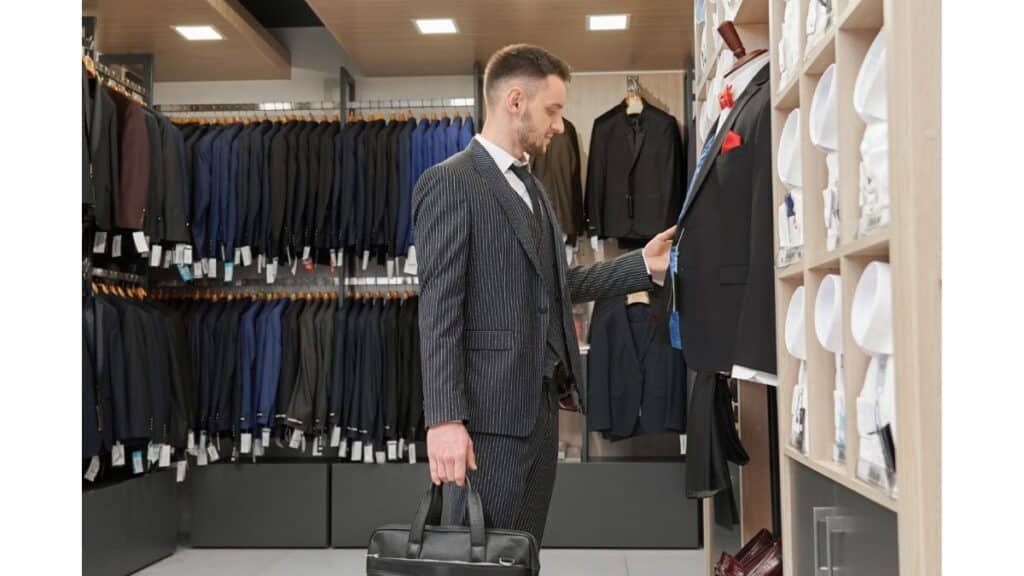
Different industries prioritize genuinely different things in a uniform program, and briefing a manufacturer without accounting for this is a common sourcing mistake:
- Corporate offices — professional appearance and brand consistency matter most; comfort for all-day wear in climate-controlled environments is a secondary but real factor
- Hospitality (hotels, restaurants) — uniforms need to withstand spills, frequent washing, and long shifts on foot, while still projecting the brand’s aesthetic to guests
- Healthcare — scrubs prioritize hygiene (stain and fluid resistance), ease of movement, and frequent, high-temperature industrial laundering that standard retail fabric often can’t withstand long-term
- Retail — a balance between brand-forward styling (uniforms customers see and associate with the store) and practical comfort for staff on their feet for full shifts
- Industrial and construction — safety compliance (flame resistance, high visibility) often isn’t optional; comfort and mobility for physically demanding work matter as much as durability
- Logistics and warehousing — hi-vis visibility requirements are common, alongside durability for repetitive physical tasks and exposure to varied indoor/outdoor conditions
A manufacturer that asks about the specific industry and daily use case before recommending a fabric or construction approach is generally a stronger signal of genuine uniform-program experience than one that quotes a generic polo shirt spec regardless of the intended role.
Fabric Choices for Corporate Uniforms and Workwear
| Fabric | Key Property | Best For |
|---|---|---|
| Cotton-poly blends (65/35) | Shrink and wrinkle resistance, reasonable comfort | Uniforms requiring frequent washing — the most common all-purpose uniform fabric |
| Moisture-wicking treated blends | Breathability, comfort across long shifts | Hospitality, retail, and logistics roles involving significant movement |
| Flame-resistant (FR) fabric | Certified fire and heat protection | Industrial, utility, oil and gas, and electrical work roles under safety regulation |
| High-visibility fabric with retroreflective material | Compliance with visibility safety standards | Construction, roadway, and logistics roles with vehicle or equipment exposure |
| Antimicrobial-treated fabric | Odor and bacteria resistance | Healthcare uniforms and roles involving extended wear between washes |
| Canvas and heavy cotton twill | Durability, abrasion resistance | Heavy-duty industrial and outdoor workwear |
| Stain-resistant treated cotton | Resistance to spills and staining | Hospitality, food service, and healthcare uniforms |
If a uniform program falls under a safety regulation — electrical work or certain manufacturing environments, for example — the manufacturer needs documented experience sourcing compliant fabric specifically; this isn’t a category where a standard fabric can be substituted without real safety consequences. See our fabric selection page for a broader breakdown of composition and sourcing.
Branding for Uniforms: Why Embroidery Usually Wins
Uniform branding faces a durability test that most other apparel categories don’t: industrial-strength, high-frequency washing over the life of the garment. This changes which decoration method actually makes sense compared to fashion or retail apparel.
- Embroidery is the preferred branding method for uniforms. It lasts longer through frequent washing because the design is stitched into the fabric. Unlike screen printing, it does not crack or fade after repeated wash cycles.
- Screen printing is a cost-effective option for large designs and promotional uniforms. It works well for garments that are not washed often. However, it is less durable than embroidery for uniforms that require frequent weekly washing.
- Heat transfer — useful for smaller runs or designs with fine detail that embroidery can’t replicate cleanly, though it shares screen printing’s durability limitations under frequent washing
- Woven labels — often paired with embroidered branding for a cohesive, premium finish on collars or inside garments
For uniform programs, embroidery costs more upfront but lasts much longer. It stays sharp after a year of weekly washing. Printed logos often fade sooner and may need replacement before the garment wears out. Explore our custom embroidery options for durable branding. Visit our custom hang tags for apparel page if your uniforms need retail-ready packaging.
The Corporate Uniform Manufacturing Process
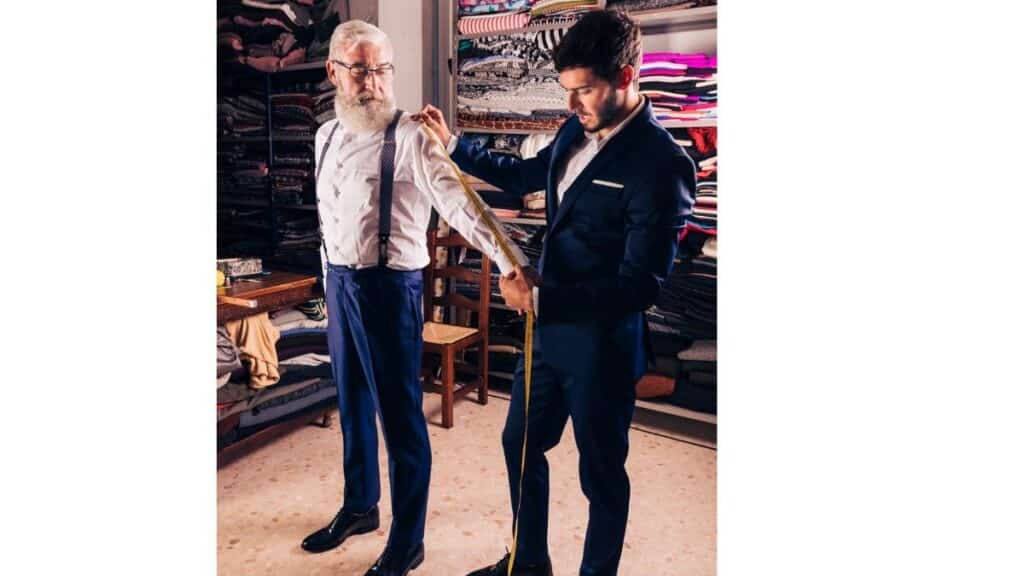
- Consultation and requirements gathering — understanding the specific industry, daily use case, and any applicable safety regulations before recommending fabric or construction
- Fabric selection — matched to washing frequency, safety requirements, and comfort needs for the specific role
- Design and mockup development — including logo placement and any name/title customization
- Sample production — a physical sample sewn for fit, fabric feel, and branding placement review
- Bulk fabric sourcing and cutting — with fabric batching planned to support future reorder color-matching
- Sewing and assembly — including reinforced construction for physically demanding roles where relevant
- Branding application — embroidery, screen printing, or heat transfer, chosen for durability appropriate to the garment’s wash frequency
- Quality inspection — checking construction, sizing consistency, and branding placement accuracy
- Labeling and packaging — including any required safety compliance labels for FR or hi-vis garments
- Export and shipping — with documentation supporting reorder logistics for ongoing programs
- Fabric and logo file retention — maintaining records to support accurate, consistent reorders months or years later
Full detail on our general manufacturing sequence is available on our manufacturing process and quality inspection pages.
MOQ for Corporate Uniforms: What’s Realistic
MOQ requirements vary between uniform manufacturers. Some accept orders as low as 20 pieces to support small businesses and startups. Larger manufacturers often require around 200 pieces per style, making them better suited for small- to mid-sized uniform programs.
Fashion Soul International offers a 100-piece MOQ per style. This suits growing businesses while supporting consistent fabric quality and dye lots. It also helps ensure reliable reorders, which are especially important for long-term uniform programs.
Why Reorder Consistency Matters More Than Initial MOQ
This is the single most important sourcing consideration for a uniform program that most brands underweight when evaluating a manufacturer, and it’s worth its own section.
Most corporate uniform programs need regular reorders as businesses grow, staff change, or sizes need replacing. Choose a manufacturer that can match the original order every time. This is often more important than the initial price or MOQ. Before selecting a supplier, ask these questions:
- Reorder lead time — Ask how quickly the manufacturer can deliver a small reorder, such as 20 pieces, months after the original order. A reliable supplier should handle repeat orders without starting the process from scratch each time.
- Fabric and dye lot retention — Ask if the manufacturer keeps fabric records or dye lot information for future orders. This helps match colors accurately and avoids visible shade differences between batches.
- Digitized logo file retention — is the embroidery or print file kept on file so branding placement and sizing stay identical across every reorder, rather than being re-digitized (and potentially altered) each time?
- Size run flexibility — Ask if the manufacturer can handle custom size distributions, such as mostly XL and 2XL. A reliable supplier should fulfill these orders without extra delays or additional setup costs.
A manufacturer that answers these questions clearly is a better long-term partner than one offering the lowest price. Over time, smooth and consistent reorders save more money than a cheaper first order.
Certifications and Quality Standards for Uniform Manufacturing
- ISO 9001 (Quality Management System) — confirms documented, repeatable quality control processes, directly relevant to the batch-to-batch consistency uniform reordering depends on
- ISO 14001 (Environmental Management System) — relevant for businesses with sustainability commitments in their own procurement standards
- REX (Registered Exporter) certification — enables preferential tariff treatment for qualifying exports into the EU under the Generalized Scheme of Preferences
- SECP verification — confirms the manufacturer is a legally registered company rather than an unregistered trading intermediary
Fashion Soul International is ISO 9001 and ISO 14001 certified, a REX-certified exporter, and SECP verified. Based in Sialkot, Pakistan, the company has over 10 years of experience serving 2,500+ brands and businesses. Its 250+ skilled workforce produces more than 100,000 garments per month.
Safety Compliance for Industrial Workwear
Industrial and safety-focused uniform programs carry compliance requirements that corporate and hospitality uniforms don’t, and it’s worth understanding the basics before sourcing:
- High-visibility apparel — in the US, ANSI/ISEA 107 governs high-visibility safety apparel, defining three performance Classes (1, 2, and 3, based on the amount of fluorescent background and retroreflective material required) and three Types (O for off-road, R for roadway, and P for public safety use). OSHA references this standard for workers exposed to vehicular traffic, and the specific Class required depends on the work environment and a site-specific risk assessment
- Flame-resistant (FR) clothing — required for electrical work, oil and gas, and certain manufacturing environments, with compliance verified through specific fabric certification rather than a general durability claim
- International equivalents — the EU and other markets maintain their own high-visibility and protective clothing standards (such as EN ISO 20471 for high-visibility apparel in the EU), which may differ in specific requirements from US ANSI/ISEA standards
A uniform manufacturer supplying safety-regulated workwear should be able to confirm the specific certification standard a garment meets, not just describe it as “safety compliant” in general terms — this is functionally the same distinction that applies to any other safety-critical apparel category.
What Drives Corporate Uniform Pricing
- Fabric type — FR and hi-vis certified fabrics cost meaningfully more than standard cotton-poly blends given the compliance and testing behind them
- Branding method — embroidery costs more upfront than screen printing but reduces long-term replacement costs given its durability under frequent washing
- Construction complexity — reinforced industrial workwear requires more labor than a standard corporate polo
- Order volume — per-unit cost drops as volume increases, as with all apparel categories
- Program complexity — businesses with multiple roles requiring different garment types (office staff plus warehouse staff, for example) may see better overall value consolidating with one manufacturer capable of both, rather than sourcing separately
Shipping and Compliance for International Uniform Programs
Fashion Soul International exports to the USA, UK, Australia, Canada, and Europe as core markets, with REX-based export documentation handled as part of the standard order process. Businesses sourcing safety-regulated workwear specifically should confirm which market’s safety standard (ANSI/ISEA 107 for the US, EN ISO 20471 for the EU, or other regional equivalents) applies to their program, since compliance labeling requirements differ by destination market.
How to Choose a Corporate Uniform Manufacturer: A Checklist
- Asks about your specific industry and daily use case before recommending fabric or construction
- Confirms reorder lead time and process for smaller, ongoing reorders — not just the initial bulk order
- Retains fabric/dye lot records and digitized logo files to support consistent reorders over time
- Recommends embroidery for frequently washed uniforms, or can explain clearly why an alternative method fits your specific case
- Names specific safety certifications (ANSI/ISEA 107, FR fabric certification) if sourcing industrial or safety-regulated workwear
- Verifiable facility certifications — ISO, REX, or local business registration
- Realistic MOQ for your program size, with clarity on how reorders below that minimum are handled
Why Businesses Choose Fashion Soul International for Uniform Manufacturing
Fashion Soul International is a Sialkot, Pakistan-based manufacturer with 10+ years of manufacturing experience, having served 2,500+ brands and businesses across the USA, UK, Australia, Canada, and Europe. Our 250+ person skilled workforce and 100,000+ garment per month production capacity are backed by ISO 9001 and ISO 14001 certification, REX certified exporter status, and full SECP verification.
Our workwear manufacturer and custom workwear manufacturer programs support corporate, hospitality, healthcare, and industrial uniform needs at a 100-piece MOQ per style, with fabric and branding file retention built into our process to support accurate, consistent reorders as your program grows. For polo-specific corporate uniform programs, see our custom polo shirt manufacturing, and read more on the value of bulk uniform sourcing for growing businesses. Brands sourcing across a wider apparel range alongside uniforms may also want to review our clothing manufacturer in USA page.
FAQs
A corporate uniform manufacturer typically focuses on office, hospitality, and business-facing apparel like polos and dress shirts. A workwear manufacturer focuses on industrial, safety-focused apparel like coveralls, hi-vis garments, and flame-resistant clothing. Many manufacturers, including Fashion Soul International, cover both categories under one program.
It ranges from around 20 pieces per design at suppliers focused on small businesses up to 200 units per style at larger vertically integrated manufacturers. Fashion Soul International’s MOQ is 100 pieces per style, positioned between these extremes to support both accessibility and reorder consistency.
Embroidery withstands frequent, industrial-grade washing significantly better than screen printing, which can crack or fade after repeated wash cycles. Since uniforms are typically washed far more often than standard retail apparel, embroidery’s durability usually outweighs its higher upfront cost over the life of the garment.
Ask specifically about reorder lead time for small quantities, whether fabric and dye lots are recorded to ensure color consistency, whether digitized logo files are retained for consistent branding, and how unusual size-run requests are handled — these factors affect a uniform program’s long-term success more than the initial order price.
ANSI/ISEA 107 governs high-visibility safety apparel in the US, defining three performance Classes and three Types based on the work environment and level of traffic or equipment exposure. OSHA references this standard for workers exposed to vehicular traffic, with the required Class determined by a site-specific risk assessment.
Yes — manufacturers with broad apparel capability, like Fashion Soul International, can produce both corporate attire and safety-compliant industrial workwear under one program, which is useful for businesses with mixed staff roles needing different garment types from a single, consistent supplier.
Typically 3–6 weeks from consultation to delivery, depending on order size, fabric sourcing needs, and customization complexity, with fabric batching and logo files retained to support faster turnaround on future reorders.