

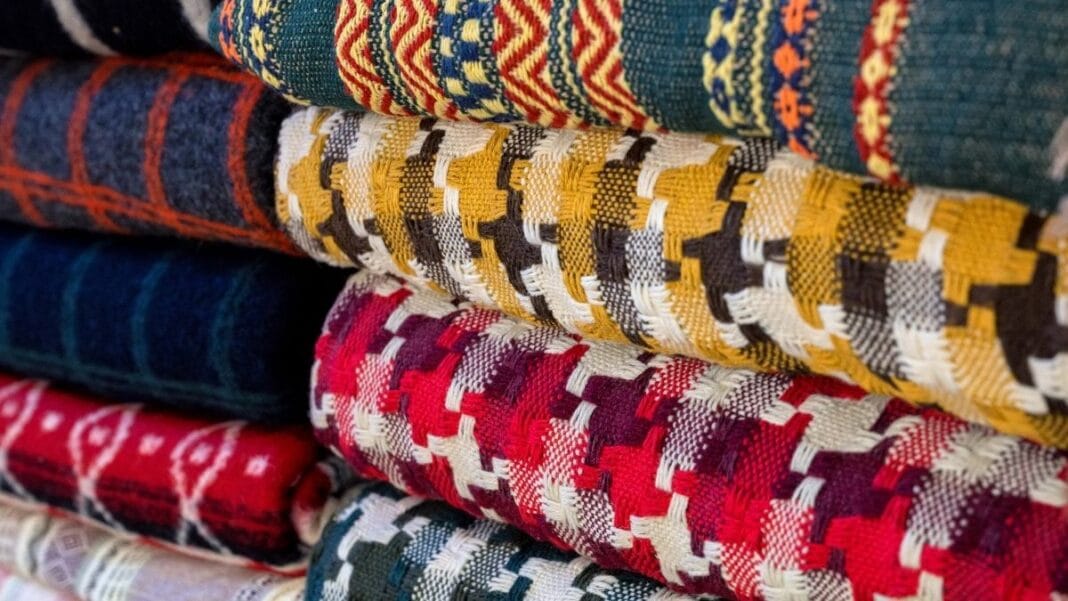
Woven material forms the backbone of the textile world and appears in countless everyday items. In fact, its strength and texture make it versatile and essential across many industries. So, have you ever wondered how people create woven fabrics or how you should care for them properly? In this guide, you will learn everything you need to know about woven materials, from their creation to their maintenance.
Woven material refers to fabrics that manufacturers create by interlacing two or more sets of yarns. Specifically, the threads include the warp (lengthwise threads) and the weft (crosswise threads). As a result, the finished fabric depends on the threads used, their materials, and the weaving method.
Woven materials rank among the most versatile fabrics available. For example, people use them in many everyday products, such as clothing and home items. Additionally, manufacturers rely on woven fabrics for industrial applications. Because of this, their strength and versatility make them indispensable across many sectors.
People use woven fabrics in many ways, and overall, proper care ensures long-lasting performance. Therefore, this guide explains the essential aspects of woven materials in a clear and easy-to-understand way.
Table of contents
What Are Woven Materials?
Woven materials represent one of the oldest fabric production methods, dating back thousands of years. Even today, they remain crucial across many industries. In contrast to knitted or non-woven materials, manufacturers create woven fabrics by interlacing threads, which ultimately gives them a strong and stable structure.
Different Types of Woven Material Fabrics
Woven fabrics serve many purposes, so naturally, people encounter different types in various applications. Below, you’ll find some of the most common types:
Plain Weave
Plain weave represents one of the simplest and most widely used weaving patterns. In this structure, the weft threads alternate over and under the warp threads, creating a smooth and balanced fabric. Because of their durability, manufacturers commonly use plain weave fabrics in bed linens, cotton shirts, and denim.
Twill Weave
Twill weave creates fabrics with a distinctive diagonal pattern. Due to this structure, the fabric gains flexibility, tear resistance, and durability. As a result, manufacturers commonly use twill weave in apparel such as denim jeans, khakis, and workwear.
Satin Weave
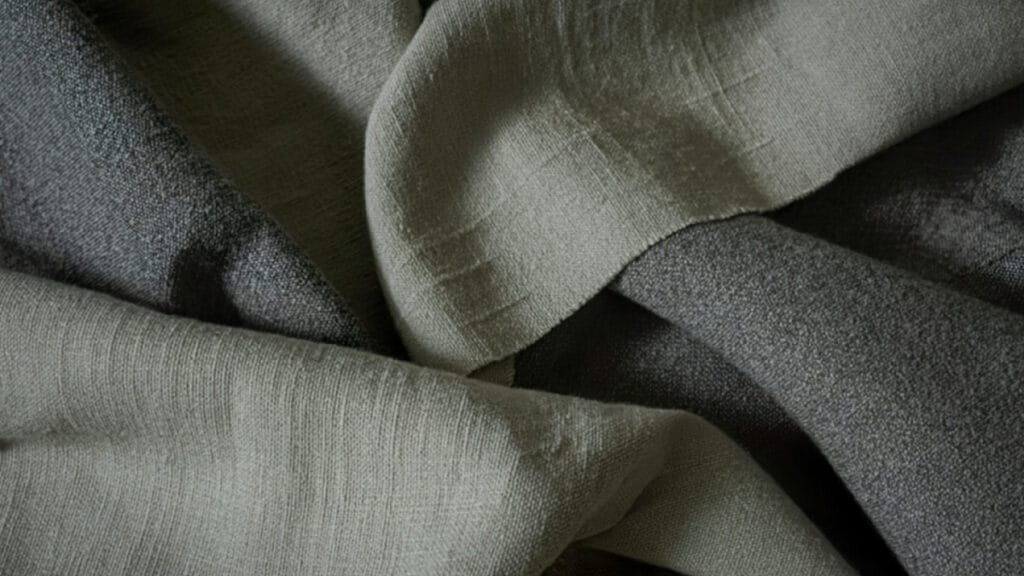
Satin weave creates a smooth and shiny surface. Because of this reflective quality, satin remains popular in high-end fashion, especially for evening gowns. Moreover, manufacturers use satin in luxury home textiles, such as bed linens and decorative cushions.
Jacquard Weave
Jacquard weaving produces intricate designs and patterns directly within the fabric. Although this method requires effort, it results in sophisticated textures. For instance, common examples of Jacquard weave fabrics include brocade and damask.
Basket Weave
Basket weave adapts the plain weave by allowing several weft threads to pass over several warp threads. Consequently, manufacturers commonly use basket weave in upholstery and home décor textiles because of its textured appearance.
Overall, each type of woven fabric meets specific needs across industries, including home décor, fashion, and industrial applications.
Woven Material: Textiles and Their Durability
Woven materials attract popularity primarily because of their exceptional durability. In essence, interlacing threads create a strong structure that withstands heavy use and harsh conditions.
The Strength of Woven Material Fabrics
When warp and weft threads interlace, they create a cohesive structure that distributes stress evenly. Because of this, the fabric resists wear and tear more effectively. For example, denim uses a twill weave and offers outstanding durability. As a result, it withstands rough conditions and remains widely used in workwear and casual clothing.
Furthermore, woven fabrics handle significant pressure and weight. For instance, canvas serves as a durable material for backpacks and tents. In turn, its tight weave adds strength and supports outdoor use.
Longevity and Wear Resistance
Woven fabrics typically last longer than non-woven and knitted fabrics. Unlike knitted materials, woven fabrics retain their shape without stretching. Therefore, this durability makes them ideal for furniture upholstery, work uniforms, and outdoor equipment.
Twill weave fabrics, such as denim, deliver excellent durability. Specifically, the diagonal weave structure increases resilience and allows the fabric to resist visible wear for longer periods.
Weather Resistance
Denim and woven fabrics like canvas perform well in harsh weather conditions. For example, canvas resists water and tolerates exposure to rain and moisture without damage. Because of this, manufacturers use it for outdoor gear such as tents, tarps, and backpacks. Similarly, synthetic woven fabrics like polyester resist fading and UV damage, which makes them suitable for outdoor use.
In addition, woven fabrics support many industrial applications. Heavy-duty woven textiles withstand extreme weather and serve products such as construction tarpaulins and protective coverings.
Textures of Woven Fabrics
Woven materials offer a wide range of textures, depending on the yarn and weave pattern. On one hand, some fabrics feel smooth and luxurious. On the other hand, others feel rough and coarse.
The Luxurious Satin Fabric Woven Material
Satin woven fabric features a smooth texture and high sheen. Because of this, it suits luxury evening gowns and bedding. Additionally, its reflective surface catches light and adds elegance. As a result, designers often use satin in decorative home textiles like cushions and throws.
Rough and Texhe wide range of textures allows woven fabrics to suit fashion, home décor, and many other applications.
Rough and Textured Fabrics Woven Material
Some woven fabrics, such as linen, feel coarser and offer a rustic appearance. However, linen remains lightweight and breathable, which explains why it works well for summer clothing. Likewise, burlap provides another coarse option and suits rustic décor and craft projects.
Altogether, the wide range of textures allows woven fabrics to suit fashion, home décor, and many other applications.
Woven Material Care Tips
Proper care helps woven fabrics last longer. Since different fibers require different care methods, each material needs specific attention. Below, you’ll find helpful maintenance tips.
Washing and Cleaning of Woven Material
People can machine wash woven fabrics such as cotton, linen, and polyester. However, you should always follow the manufacturer’s care instructions. For example, denim and similar woven fabrics may shrink, so washing them in cold water and air drying helps prevent shrinkage.
Delicate woven fabrics like satin and silk require extra care. Therefore, dry cleaning protects these materials from heat and water damage. Additionally, this method prevents color fading and transfer.
Ironing and Pressing
Cotton and linen woven fabrics wrinkle easily. As a result, ironing helps restore their appearance. Before ironing, always check the care label and select the correct temperature.
Moreover, using a pressing cloth protects fabrics from direct heat, especially when ironing heat-sensitive materials.
Storing Woven Material Fabrics
Proper storage preserves woven fabrics’ quality. For instance, folding and storing large items like upholstery in a cool, dry place helps maintain their shape. Meanwhile, hanging lighter items on wide, padded hangers prevents stretching and distortion.
Finally, avoid storing woven fabrics in direct sunlight, as prolonged exposure causes fading and fiber damage.
Sustainable Woven Fabrics
Sustainability plays a growing role in fabric production. For this reason, natural woven materials like wool, cotton, and linen offer eco-friendly alternatives to synthetic materials. In comparison, materials such as polyethylene and nylon take centuries to decompose.
More Sustainable Woven Fabrics
Organic cotton, hemp, and bamboo woven fabrics continue to grow in popularity. Because these fibers require fewer pesticides and fertilizers, they create more environmentally friendly options.
Recycling Woven Fabrics
Manufacturers can recycle many synthetic woven fabrics made from polyester and nylon. Through recycling, old fabrics become new textiles, thereby reducing waste and supporting sustainability.
Common Uses of Woven Material
Woven materials appear in many industries because of their versatility. Below are some common uses:
Fashion
Woven materials form a core part of the fashion industry. In particular, their durability and comfort suit everything from casual wear to luxury garments. Furthermore, designers use woven fabrics to express creativity.
Home Furnishings
Home decor relies heavily on woven fabrics for curtains, upholstery, and bedding. Not only do these fabrics strengthen furniture, but they also improve visual appeal. As a result, they complement many interior styles.
Industrial and Outdoor Gear
Construction and outdoor industries frequently use woven materials. For example, canvas remains a popular choice for tents, tarps, and backpacks. Because of their strength, these fabrics endure harsh environments.
Conclusion
Woven materials deliver durability, versatility, and texture across many industries. With proper care, they provide long-lasting performance and visual appeal.
As environmental awareness grows, demand for sustainable woven fabrics made from natural fibers continues to increase. Ultimately, understanding woven materials helps you choose the best fabrics for your specific needs.
FAQs
1. What is the main difference between woven and knitted fabrics?
Manufacturers create woven fabrics by interlacing two sets of yarns, which results in a rigid and durable structure. In contrast, knitted fabrics form through looping yarns together, making them more flexible and stretchy.
2. How can I prevent woven textiles from getting damaged during washing?
Wash woven textiles like cotton or linen in cold water and allow them to air dry. Additionally, avoid heat, as it damages fibers. Above all, always check the fabric care label.
3. Can woven textiles be recycled?
Yes, manufacturers can recycle many woven textiles, especially synthetic fabrics like polyester. Moreover, natural woven fabrics such as organic cotton and hemp decompose naturally and support sustainability.