


Many people ask why is viscose bad for clothing and daily use even though it feels soft and comfortable. The main issue is its low durability. Viscose weakens when it gets wet, which makes it easy to tear or lose shape after repeated washing. It also shrinks and wrinkles quickly, so clothes made from it require constant care like gentle washing and frequent ironing.
Another reason why is viscose bad is its high maintenance and environmental concerns. It is not suitable for rough or daily use because it does not last long compared to cotton or other natural fabrics. In addition, the production process uses chemicals that can impact the environment. Because of these factors, viscose is
Table of contents
- Why Is Viscose Bad For Clothing And Daily Use?
- Why Is Viscose Bad For Clothing And Daily Use In Simple Terms
- Is Viscose a Poor Choice for Clothing and Daily Wear Due to Durability Issues?
- Does Viscose Perform Poorly in Clothing and Daily Use After Washing?
- Why Is Viscose Bad For Clothing And Daily Use In Moisture Sensitivity
- Is Viscose a Poor Choice for Long-Term Clothing and Daily Use?
- Is Viscose Less Reliable Than Cotton for Clothing and Daily Use?
- Is Viscose Worse Than Polyester for Clothing and Daily Use?
- Why Is Viscose Bad For Clothing And Daily Use In Environmental Impact
- Is Viscose Suitable for Clothing and Daily Use in Hot Weather Conditions?
- Does Viscose Require High Maintenance for Clothing and Daily Use?
- Is Viscose Bad In Real Life Cost Value
- Is Viscose Bad In Real Life Use Cases
- Are Common Myths About Viscose True for Clothing and Daily Use?
- Benefits Of Viscose Fabric
- Key Considerations Before Choosing Viscose
- Conclusion
- FAQ’s
Why Is Viscose Bad For Clothing And Daily Use?
This guide answers that question in a clear way. It explains the real issues with viscose. It also shows where it performs well and where it fails. By the end, you will understand if viscose fits your needs.
Why Is Viscose Bad For Clothing And Daily Use In Simple Terms
Viscose is a semi-synthetic fabric. It comes from natural wood pulp. Manufacturers treat that pulp with chemicals to create fibers.
This process changes the natural material. As a result, viscose does not behave like pure cotton. It becomes softer but weaker.
In simple words, viscose feels good but has performance limits. These limits affect daily wear.
Is Viscose a Poor Choice for Clothing and Daily Wear Due to Durability Issues?

Durability is one of the biggest concerns. rayon is not very strong. It can tear or wear out faster than other fabrics.
The fabric becomes weaker when wet. This makes washing risky if done roughly. Over time, it may lose shape.
Compared to cotton or polyester, rayon does not last as long. This makes it less ideal for heavy daily use.
Does Viscose Perform Poorly in Clothing and Daily Use After Washing?
Washing viscose requires extra care. Many users damage it without knowing.
Common washing problems include:
- Fabric shrinking after hot washing
- Loss of shape after machine drying
- Fibers weakening when soaked
- Wrinkles forming easily
Because of this, it needs gentle handling. This can be inconvenient for daily clothing.
Why Is Viscose Bad For Clothing And Daily Use In Moisture Sensitivity
rayon reacts strongly to water. It absorbs moisture quickly. While this helps in comfort, it also creates problems.
When wet, the fibers lose strength. This makes the fabric fragile during washing or sweating.
It may stretch or sag after use. This affects the overall look of the garment.
Is Viscose a Poor Choice for Long-Term Clothing and Daily Use?
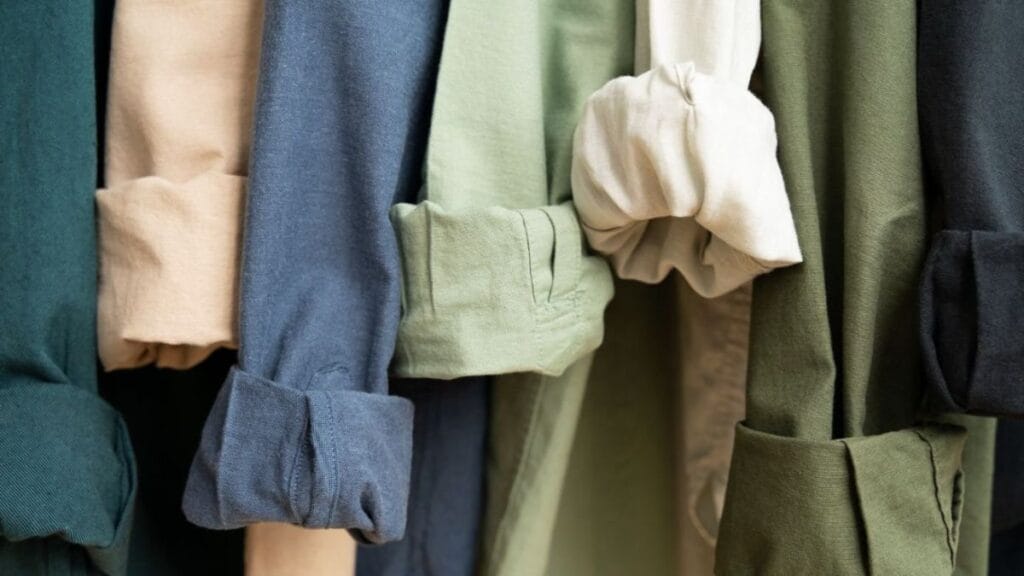
Long-term use shows the weaknesses of rayon. The fabric may look good at first. However, it can lose quality over time.
Frequent washing can cause fading. The fabric may also become thinner. This reduces its lifespan.
Because of this, it may not be the best choice for long-term daily wear.
Is Viscose Less Reliable Than Cotton for Clothing and Daily Use?
Cotton is often seen as a better alternative. It is natural and stronger.
rayon feels softer than cotton. However, cotton performs better in durability. It also handles washing more easily.
Cotton keeps its shape longer. rayon may stretch or shrink.
So while rayon offers comfort, cotton offers reliability.
Is Viscose Worse Than Polyester for Clothing and Daily Use?
Polyester is a synthetic fabric. It is known for strength and durability.
rayon feels more breathable. However, polyester lasts longer. It resists shrinking and damage.
Polyester also handles frequent washing better. rayon needs more care.
For daily wear, polyester often performs better in durability.
Why Is Viscose Bad For Clothing And Daily Use In Environmental Impact

rayon starts from natural sources. However, the production process raises concerns.
Chemical treatment is required to turn pulp into fiber. This process can harm the environment if not controlled.
Some factories use safer methods. However, not all production is responsible.
Because of this, rayon is not always eco-friendly.
Is Viscose Suitable for Clothing and Daily Use in Hot Weather Conditions?
rayon performs well in heat at first. It feels cool and breathable. However, it has limits.
Sweat can weaken the fabric over time. Repeated exposure to moisture can reduce strength.
It may also lose shape in humid conditions. This makes it less reliable in some climates.
Does Viscose Require High Maintenance for Clothing and Daily Use?
Viscose requires more effort to maintain. This can be a problem for daily users.
You must follow careful steps:
- Wash in cold water
- Use mild detergent
- Avoid machine drying
- Iron at low heat
- Store properly
These steps take time. Many people prefer low-maintenance fabrics instead.
Is Viscose Bad In Real Life Cost Value
This Fabric is often priced as a mid-range fabric. However, its lifespan may not match the price.
You may need to replace items sooner. This increases long-term cost.
In comparison, cotton or polyester may offer better value over time.
Is Viscose Bad In Real Life Use Cases
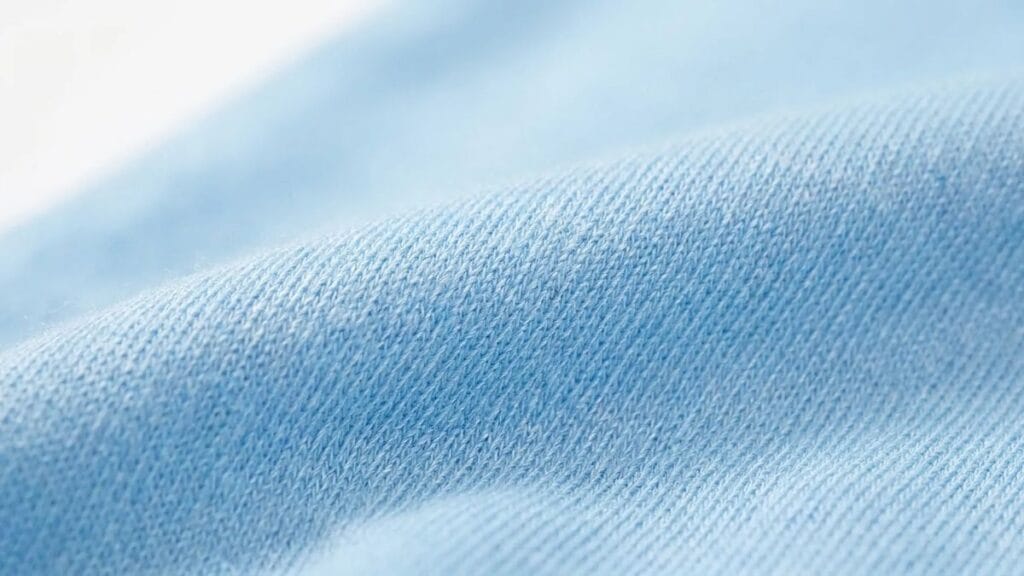
Real-life use shows both strengths and weaknesses.
For example, rayon works well in light summer dresses. It feels soft and comfortable.
However, in everyday work clothing, it may wear out quickly. Frequent washing reduces its quality.
In active use, it may not perform well. It needs gentle handling to stay in good conditio
Are Common Myths About Viscose True for Clothing and Daily Use?
There are many myths about rayon. These can confuse buyers.
Some people believe it is fully natural. In reality, it is processed with chemicals.
Others think it is very durable. However, it requires careful use.
Some also believe it is always eco-friendly. This depends on production methods.
Understanding these myths helps you make better decisions.
Benefits Of Viscose Fabric
Despite its drawbacks, rayon has some benefits:
- Soft and smooth texture
- Lightweight feel
- Good breathability
- Elegant drape
- Comfortable in warm weather
These benefits make it useful for certain types of clothing.
Key Considerations Before Choosing Viscose
Before buying rayon, think about these factors:
- It needs gentle care
- It may not last long
- It can shrink or stretch
- Quality depends on brand
- Sustainable options are better
These points help you choose wisely.
Conclusion
Viscose offers comfort and style, but it has clear limits. It is not the best choice for heavy daily use. It requires careful handling and may not last long.
The main issues include low durability, high maintenance, and environmental concerns. However, it still works well for light and occasional wear.
If you want easy care and long life, consider other fabrics. If you want softness and style, rayon can still be useful.
FAQ’s
It is less durable and needs careful handling. It may not last long.
Yes, it can shrink with heat. Cold washing helps reduce this risk.
It can be used, but it needs care. It is not ideal for rough use.
It becomes weak when wet. This causes stretching or sagging.
Viscose is softer. Cotton is stronger and more durable.