
Elastane is a highly flexible synthetic fabric known for its excellent stretch, comfort, and durability. Commonly used in activewear, leggings, swimwear, jeans, and everyday clothing, elastane helps garments fit better while allowing freedom of movement. This lightweight fiber is often blended with materials like cotton, polyester, and nylon to improve flexibility and shape retention. Also known as spandex or Lycra, elastane has become an essential part of modern fashion thanks to its ability to provide both comfort and performance in a wide range of clothing styles.
What Is Elastane?
Elastane is a synthetic fiber known for its incredible elasticity. It can stretch up to five to eight times its original size and then return to its normal shape without becoming loose or damaged. Because of this unique characteristic, elastane is commonly added to fabrics that require flexibility and comfort.
The term “elastane” is widely used in Europe and many international markets. In North America, the same material is commonly called spandex. Lycra, on the other hand, is a brand name for elastane fibers produced by a specific company.
Elastane was developed to replace natural rubber in clothing production. Unlike rubber, elastane is lightweight, more durable, resistant to body oils, and capable of maintaining its elasticity over long periods.
Today, elastane is found in a wide range of products, including:
- Activewear
- Sportswear
- Swimwear
- Compression garments
- Socks
- Denim jeans
- Underwear
- Yoga pants
- Medical textiles
- Fashion apparel
Even a small percentage of elastane blended into fabric can dramatically improve comfort and flexibility.
How Is Elastane Made?
Elastane is produced using synthetic polymers, primarily polyurethane. The manufacturing process involves chemical reactions that create long-chain polymers with elastic properties.
The production process generally includes the following steps:
1. Polymer Creation
Manufacturers combine chemicals to create polyurethane-based polymers. These polymers form the foundation of elastane fibers.
2. Fiber Spinning
The liquid polymer is pushed through spinnerets, which are tiny holes that form continuous strands of fiber.
3. Solidification
The fibers are hardened using heat or chemical treatments.
4. Winding and Finishing
The finished fibers are wound onto spools and prepared for textile manufacturing.
Most elastane today is produced using dry spinning, which is considered one of the most efficient methods.
After production, elastane fibers are blended with other fabrics rather than used alone. Pure elastane is rarely used because it lacks the texture and appearance required for everyday clothing.
Key Characteristics of Elastane
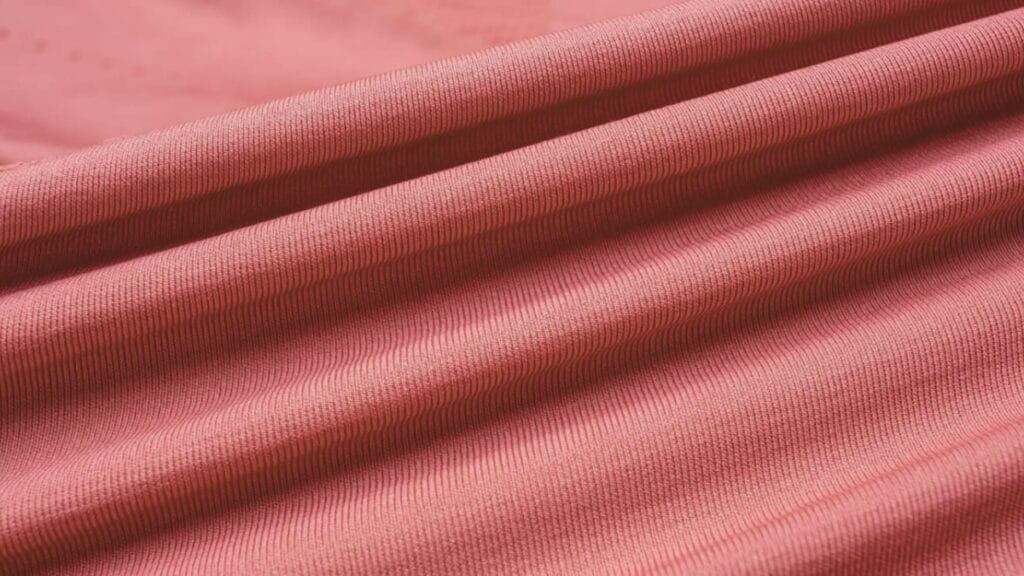
Elastane is highly valued because of its unique properties. These characteristics make it ideal for clothing that requires movement, flexibility, and shape retention.
Exceptional Stretchability
The biggest advantage of elastane is its ability to stretch significantly while maintaining its original shape.
Lightweight Feel
Elastane fibers are extremely lightweight, making garments feel comfortable and less restrictive.
Shape Retention
Clothing containing elastane maintains its fit even after repeated washing and wear.
Wrinkle Resistance
Elastane blends tend to resist wrinkles better than many natural fabrics.
Comfort and Flexibility
Garments with elastane provide a snug yet flexible fit, improving overall comfort.
Durability
Elastane can withstand stretching and movement without easily tearing or losing elasticity.
Resistance to Body Oils and Sweat
Unlike natural rubber, elastane resists degradation caused by body oils, lotions, and perspiration.
These qualities make elastane one of the most versatile materials in the textile industry.
Advantages of Elastane Fabric
Elastane offers many benefits for both consumers and clothing manufacturers.
1. Improved Comfort
Clothing made with elastane feels more comfortable because it moves naturally with the body.
2. Better Fit
Elastane helps garments fit closely without feeling too tight or restrictive.
3. Enhanced Mobility
Athletes and active individuals benefit from elastane because it allows unrestricted movement.
4. Longer Garment Lifespan
Elastane helps clothing maintain its shape over time, reducing sagging and stretching.
5. Stylish Appearance
Stretch fabrics create cleaner silhouettes and more fitted designs.
6. Reduced Wrinkling
Garments blended with elastane often require less ironing.
7. Versatile Applications
Elastane works well in various clothing categories, from fashion to sportswear.
These advantages explain why elastane has become a staple in modern apparel production.
Disadvantages of Elastane
Despite its many benefits, elastane also has some drawbacks.
1. Heat Sensitivity
High temperatures can damage elastane fibers and reduce elasticity.
2. Environmental Concerns
Elastane is synthetic and not biodegradable, raising sustainability concerns.
3. Limited Breathability
Pure elastane is not very breathable, though this issue is minimized when blended with natural fibers.
4. Potential Fabric Wear
Over time, repeated washing and stretching may weaken the fibers.
5. Difficult Recycling Process
Recycling blended fabrics containing elastane can be challenging.
Understanding these limitations helps consumers make informed purchasing decisions.
Common Uses of Elastane
Elastane is used in countless clothing and textile products.
Activewear and Sportswear
One of the most common uses of elastane is in activewear. Gym leggings, sports bras, compression wear, cycling shorts, and workout tops rely on elastane for flexibility and comfort.
Athletic clothing must stretch during movement while maintaining support and durability. Elastane makes this possible.
Swimwear
Swimsuits require elasticity to fit comfortably and maintain shape when wet. Elastane provides flexibility and resistance to body movement in water.
Denim Jeans
Stretch jeans often contain small amounts of elastane to improve mobility and fit.
Underwear and Lingerie
Underwear manufacturers use elastane to create comfortable, body-hugging garments.
Socks
Elastane helps socks stay securely in place without slipping.
Medical Garments
Compression stockings and medical support garments often contain elastane for flexibility and pressure control.
Fashion Clothing
Modern dresses, tops, skirts, and fitted clothing frequently include elastane to improve comfort and appearance.
The widespread use of elastane highlights its importance in both functional and fashionable apparel.
Elastane vs Spandex vs Lycra
Many consumers wonder whether elastane, spandex, and Lycra are different materials.
The answer is simple:
- Elastane is the generic international term.
- Spandex is the common North American term.
- Lycra is a branded version of elastane.
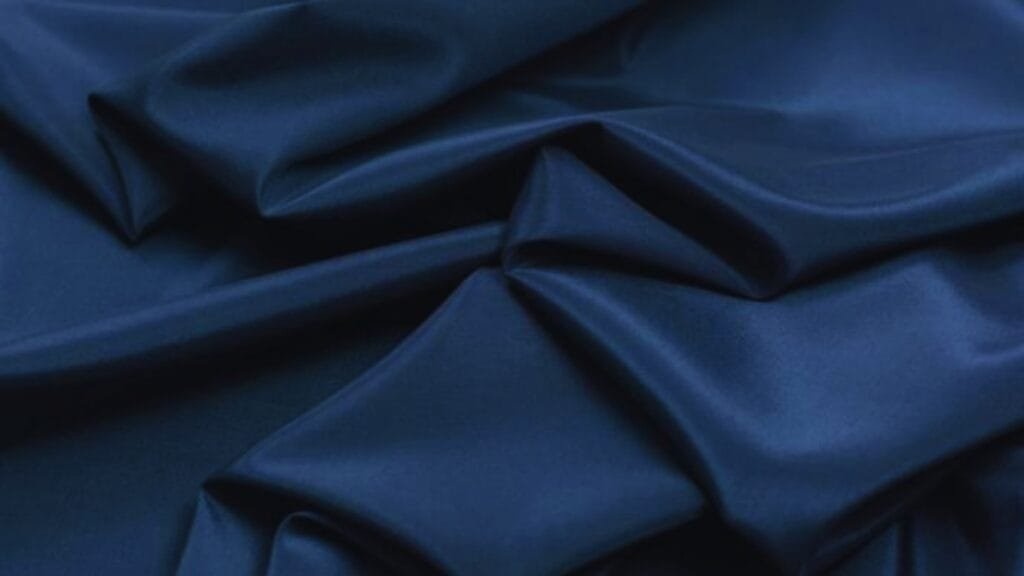
All three terms refer to stretchable synthetic fibers with similar properties.
The word “spandex” is actually an anagram of the word “expands,” reflecting the fiber’s elasticity.
When shopping for clothing, you may see labels mentioning any of these terms depending on the brand and country.
Is Elastane Comfortable to Wear?
Yes, elastane is generally very comfortable to wear when blended with other fabrics.
The material improves flexibility and allows clothing to adapt naturally to body movement. This creates a close-fitting yet comfortable experience.
Elastane is especially beneficial in:
- Workout clothing
- Stretch denim
- Yoga wear
- Performance apparel
- Everyday fashion
Because elastane is usually blended with cotton, polyester, or nylon, it combines softness with elasticity.
However, garments with extremely high elastane content may feel tighter and less breathable.
Is Elastane Breathable?
On its own, elastane is not highly breathable. However, it is rarely used as a standalone fabric.
Instead, manufacturers blend elastane with breathable materials like:
- Cotton
- Bamboo
- Polyester
- Nylon
- Rayon
The overall breathability depends on the fabric blend rather than elastane alone.
For example:
- Cotton-elastane blends provide softness and airflow.
- Polyester-elastane blends offer moisture-wicking performance.
- Nylon-elastane blends provide durability and stretch.
This versatility allows manufacturers to create fabrics for different purposes and climates.
How to Care for Elastane Clothing
Proper care is essential for maintaining the elasticity and durability of elastane garments.
1. Wash in Cold Water
Cold water helps protect the elastic fibers from heat damage.
2. Avoid High Heat Drying
Excessive heat can weaken elastane and reduce stretchability.
3. Use Gentle Detergents
Harsh chemicals may damage the fabric over time.
4. Avoid Bleach
Bleach can break down elastic fibers.
5. Air Dry When Possible
Air drying helps preserve elasticity and garment shape.
6. Do Not Iron at High Temperatures
If ironing is necessary, use a low heat setting.
Following these care tips can significantly extend the lifespan of elastane clothing.
Is Elastane Sustainable?
Sustainability has become an important topic in the fashion industry, and elastane presents both advantages and environmental challenges.
Environmental Concerns
Elastane is petroleum-based and non-biodegradable. Its production involves chemical processing, which contributes to environmental impact.
Additionally, recycling fabrics blended with elastane can be difficult because separating fibers is complex.
Positive Developments
Despite these concerns, some manufacturers are developing more sustainable alternatives, including:
- Recycled elastane fibers
- Eco-friendly textile production methods
- Reduced water consumption processes
- Circular fashion initiatives
Brands are also exploring ways to minimize waste and improve fabric recyclability.
Consumers interested in sustainability can look for clothing made with recycled materials or environmentally responsible manufacturing practices.
Why Elastane Is Important in Modern Fashion
Elastane has completely transformed the clothing industry.
Before elastane became widely available, many garments lacked flexibility and comfort. Traditional fabrics often restricted movement and lost shape over time.
Today, consumers expect clothing to:
- Stretch comfortably
- Retain shape
- Support movement
- Provide all-day comfort
- Fit closely without discomfort
Elastane helps manufacturers meet all of these expectations.
From luxury fashion to athletic wear, elastane has become essential in modern garment design.
Its influence can be seen in:
- Athleisure trends
- Stretch denim popularity
- Compression wear innovation
- Performance sportswear
- Comfortable everyday fashion
As fashion continues evolving, elastane will likely remain a key textile component.
How Elastane Is Used in Sportswear
Sportswear is one of the largest markets for elastane fabrics.
Athletes require clothing that can handle intense physical movement while remaining comfortable and supportive.
Elastane provides:
- Four-way stretch
- Muscle support
- Shape retention
- Sweat-resistant flexibility
- Lightweight comfort
Popular sportswear items containing elastane include:
- Running leggings
- Compression shorts
- Cycling gear
- Training tops
- Yoga pants
- Athletic swimwear
Modern activewear brands rely heavily on elastane blends to improve athletic performance and comfort.
How Much Elastane Is Usually in Clothing?
The percentage of elastane in clothing varies depending on the garment type.
Typical elastane content includes:
- Jeans: 1%–5%
- Leggings: 10%–20%
- Swimwear: 15%–30%
- Sportswear: 5%–20%
- Underwear: 3%–10%
Even a small amount of elastane can dramatically improve flexibility and fit.
Manufacturers carefully balance elastane content to achieve the desired comfort and performance.
Elastane in Everyday Clothing
Many people wear elastane daily without realizing it.
Modern clothing often includes elastane to improve comfort and mobility.
Examples include:
- Office pants
- T-shirts
- Dresses
- Casual wear
- Skinny jeans
- Formal clothing
- Jackets
Consumers increasingly prefer clothing that combines style with comfort, making elastane an essential component in contemporary fashion.
Future Trends of Elastane Fabric
The future of elastane continues to evolve alongside textile innovation.
Key trends include:
Sustainable Stretch Fabrics
Brands are investing in recycled and bio-based stretch fibers.
Smart Textiles
Elastane may play a role in wearable technology and smart fabrics.
Improved Recycling Technology
New textile recycling systems aim to separate elastane from blended fabrics more efficiently.
Performance Innovation
Sportswear companies continue developing advanced elastane blends for enhanced comfort and durability.
As consumer demand for comfort and flexibility grows, elastane will remain highly relevant in the global textile market.
Conclusion
Elastane is one of the most important synthetic fibers in modern clothing production. Known for its exceptional stretch, flexibility, and durability, elastane has revolutionized fashion, sportswear, and everyday apparel.
Whether blended into jeans, leggings, swimsuits, or activewear, elastane improves comfort, mobility, and garment performance. Its ability to maintain shape while allowing unrestricted movement makes it highly valuable in today’s textile industry.
Although elastane presents some environmental challenges, ongoing innovations in sustainable textiles and recycling technology are helping improve its future impact.
As consumers continue prioritizing comfort, flexibility, and performance, elastane will remain a vital material in clothing manufacturing for years to come.
FAQs
Yes, elastane, spandex, and Lycra refer to the same material.
Elastane does not shrink easily, but excessive heat can damage its fibers.
Elastanes alone is not very breathable, but when blended, it allows air circulation.