

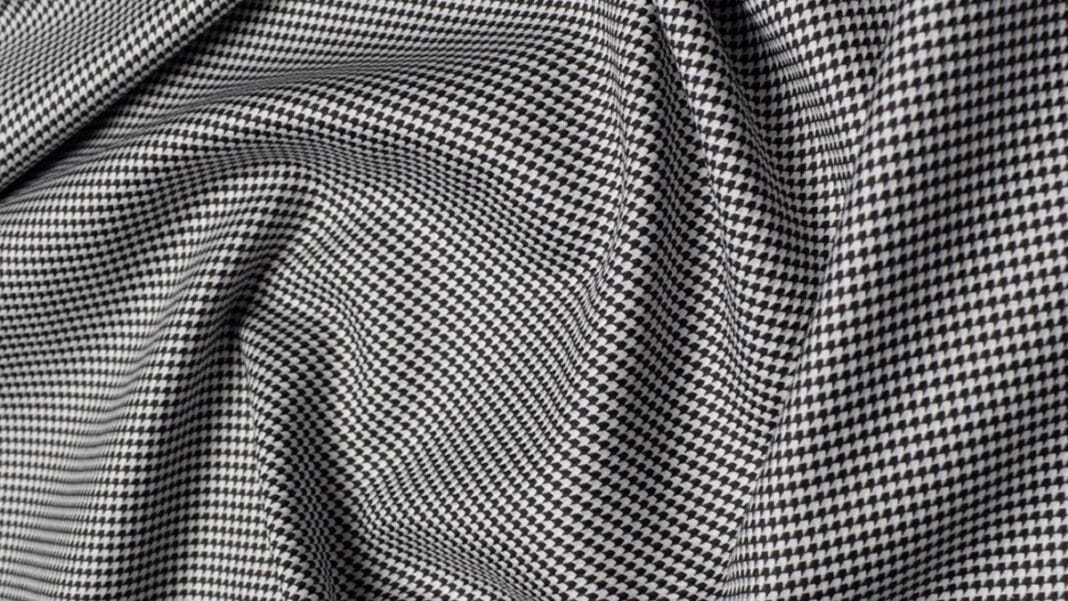
In an ever-evolving world of fashion and textile technology, one groundbreaking development is pushing the boundaries of what’s possible: virtual chassis fabric. This revolutionary material is making waves for its seamless integration into modern design and production processes, offering significant advancements in both performance and sustainability.
In this blog post, we’ll dive deep into the concept of Virtual Textile Matrix, its applications, benefits, and how it’s transforming the textile and fashion industries. By the end of this post, you will have a comprehensive understanding of this cutting-edge innovation and why it’s poised to shape the future of textiles.
Table of contents
What is Virtual Chassis Fabric?
Virtual chassis fabric is a next-generation textile material that integrates advanced technology with traditional fabric design. The term “chassis” refers to the structural foundation or framework, and in the context of textiles, it implies a fabric that provides both structural integrity and flexibility. Unlike conventional fabrics, Virtual Textile Matrix utilizes digital, programmable, and smart technologies that allow it to adapt, respond, and evolve based on its surroundings and purpose.
This innovation merges fiber technologies, smart sensors, and digital interfaces, enabling fabrics to perform in dynamic ways that were once thought to be impossible. Virtual chassis fabric is not only durable but also adaptable, making it a game-changer for industries such as fashion, sportswear, medical textiles, and more.
The Technology Behind Virtual Chassis Fabric
At the core of virtual chassis fabric lies a combination of textile engineering and digital technology. Here’s a breakdown of the key components that make this fabric so unique:
1. Programmable Fibers
Virtual chassis fabrics are made from fibers that can be programmed to respond to specific environmental stimuli. For example, some fibers are capable of adjusting their rigidity in response to temperature changes, while others might alter their color or texture based on the wearer’s movements or the surrounding environment.
2. Embedded Sensors
The integration of sensors into the fabric is one of the key features that set virtual chassis fabrics apart. These sensors collect data such as body temperature, heart rate, moisture levels, and even motion. This data can be processed and used to trigger changes in the fabric’s properties, offering a highly responsive garment.
3. Nanotechnology
Nanotechnology plays a crucial role in virtual chassis fabric. By utilizing nanomaterials, the fabric can become more lightweight, breathable, and resistant to wear and tear. Nanotechnology also enhances the fabric’s ability to repel stains, resist bacteria, and improve its overall durability.
4. Smart Connectivity
Virtual chassis fabrics can communicate with external devices via Bluetooth, Wi-Fi, or other wireless technologies. As a result, this connectivity enables garments made from virtual chassis fabric to interact seamlessly with smartphones, wearables, and even home automation systems, ultimately creating a truly interconnected experience.
Applications of Virtual Chassis Fabric
1. Fashion Industry
The fashion industry is embracing virtual chassis fabric for its potential to revolutionize garment design and functionality. Designers can create smart clothing that adjusts to the wearer’s body, offering both comfort and style. For example, a virtual chassis jacket could adjust its fit based on body temperature, ensuring the wearer stays warm in cold weather and cool in warmer conditions.
Moreover, this fabric allows for entirely new designs, from color-changing dresses to fabrics that monitor the wearer’s health. Designers can incorporate sensors to track movement, enabling smart clothing that provides valuable feedback on posture or athletic performance.
2. Sportswear
In sports, virtual chassis fabric is already being tested in performance-enhancing apparel. Athletes could wear garments that monitor their vital signs, track movements, and even adjust the fabric’s resistance during workouts. These fabrics can be designed to reduce muscle fatigue by providing support or compression where needed. The fabric could also help athletes recover by monitoring their exertion levels and offering real-time insights into their performance.
3. Medical Textiles
Virtual chassis fabric holds immense potential in the medical field, where it can be used to create clothing that supports health monitoring. Garments made from this fabric could track vital signs like heart rate, temperature, and even detect conditions like dehydration or low blood pressure. For patients with chronic conditions, these garments could act as wearable health monitoring devices, alerting caregivers or doctors when intervention is needed.
4. Military and Tactical Gear
Virtual chassis fabric’s durability and adaptability make it an ideal choice for military and tactical gear. Soldiers could wear uniforms made from this fabric that offer environmental adaptability, such as adjusting to varying temperatures or protecting against harmful elements. Moreover, virtual chassis fabrics can be embedded with communication technology, improving coordination in the field.
Benefits of Virtual Chassis Fabric
1. Enhanced Comfort and Performance
One of the primary benefits of virtual chassis fabric is its ability to adjust to the wearer’s needs, ensuring optimal comfort throughout the day. Whether it’s regulating body temperature or adapting to movement, this fabric provides a new level of wearability and performance.
2. Sustainability
Traditional textile manufacturing can be resource-intensive and harmful to the environment. Virtual chassis fabric, however, can be designed to be more sustainable, using materials that are both durable and biodegradable. Furthermore, the fabric’s ability to adapt to different conditions can reduce the need for multiple garments, leading to less waste and a smaller environmental footprint.
3. Durability and Longevity
Unlike traditional fabrics, virtual chassis fabrics are engineered to last longer and withstand greater wear and tear. Thanks to the integration of advanced materials like nanotechnology and embedded sensors, these fabrics are more resistant to damage from friction, weather, and other factors, ensuring that garments made from Virtual Textile Structure retain their quality over time.
4. Personalization
With virtual chassis fabric, manufacturers can create highly personalized garments that meet individual needs. For instance, clothing can adapt to different body shapes, while fabrics can adjust based on the user’s preferences. Consequently, the potential for customization is vast, offering a more tailored and personalized experience for the wearer.
Common Myths About Virtual Chassis Fabric
1. “It’s Only for High-Tech Clothing”
While Virtual Textile Structure is often associated with high-tech and futuristic designs, its potential extends far beyond the fashion industry. The medical, sports, and military sectors are already exploring how this technology can enhance performance and functionality.
2. “It’s Too Expensive”
While the technology behind virtual chassis fabric might seem expensive, advancements in manufacturing processes are making it more accessible. As the technology becomes more widespread, the costs are expected to decrease, making it available to more consumers and industries.
3. “It’s Uncomfortable”
Virtual Textile Matrix is designed for comfort, not just functionality. With the ability to adjust to the wearer’s body temperature and shape, it’s actually more comfortable than many traditional fabrics. Plus, it can be as lightweight or heavy-duty as needed.
Conclusion
Virtual chassis fabric represents the future of textiles, offering groundbreaking solutions that combine advanced technology with traditional fabric design. From enhancing comfort and performance to offering sustainability and durability, this fabric is set to revolutionize not only the fashion industry but also the medical, sports, and military sectors. As technology continues to evolve, Virtual Textile Structure will likely become an integral part of everyday life, shaping the way we think about clothing and its role in our health, comfort, and performance.
By integrating smart features and offering endless customization, Virtual Textile Structure paves the way for a future where textiles are no longer just fabrics, but dynamic, responsive materials that adapt to our needs and environments.
FAQs
Virtual Textile Structure integrates smart technology, allowing it to adapt to its environment. It includes features like temperature regulation, color-changing abilities, and sensors that monitor health and movement.
Yes, virtual chassis fabric is versatile and can be used for everyday clothing, such as jackets, pants, and even underwear. It offers enhanced comfort, adaptability, and performance.
Virtual Textile Matrix can be designed to be highly sustainable, with materials that are both durable and biodegradable. Additionally, its adaptability can reduce the need for multiple garments, leading to less waste.