

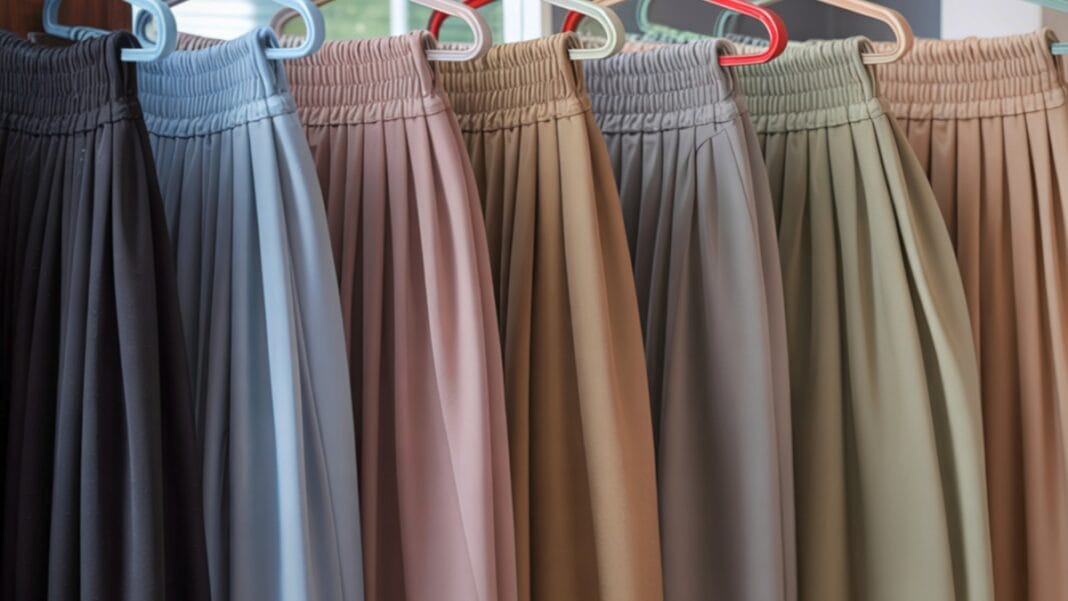
Skirts are a fashion classic and a great addition to any wardrobe. You can dress them up for special occasions or style them casually for an everyday look. Skirt fabrics greatly influence the overall aesthetic and style. In this guide, we explore luxurious yet practical fabrics that elevate skirt designs. From flowing silk to structured tweed, different fabric choices can completely transform the look of your skirt designs.
Table of contents
The Importance of Skirt Fabric
Skirts come in a wide range of materials, and each fabric offers unique advantages and limitations. Some fabrics feel rough and restrict movement, while others flow freely and enhance comfort. Choosing the right skirt fabric, such as chiffon, ensures that the skirt both looks and feels suitable for the occasion.
Beyond comfort, fabric choice also shapes first impressions. Color, texture, and finish often stand out immediately, even before the purpose of the skirt becomes clear.
Skirt Fabric of Luxury
Certain fabrics represent simplicity, while others create a sense of awe. Many of these materials fall into the high-end category and often come with a higher price tag. In this section, we explore luxe fabrics that designers commonly use for elegant skirt styles.
Silk Skirt Fabric: The Ultimate in Chic
For decades, designers have favored silk as a top fabric for luxury skirts. Its natural sheen and smooth texture add a distinct charm to any design. Silk performs beautifully for evening skirts and formal events, offering an elegant drape that moves effortlessly with the wearer.
Because silk is lightweight and breathable, it works especially well in warmer weather. Whether styled as a flowing A-line skirt or a fitted pencil skirt, silk creates a regal appearance. Proper washing, careful storage, and gentle handling help maintain its beauty. Additionally, silk flatters most body types with ease.
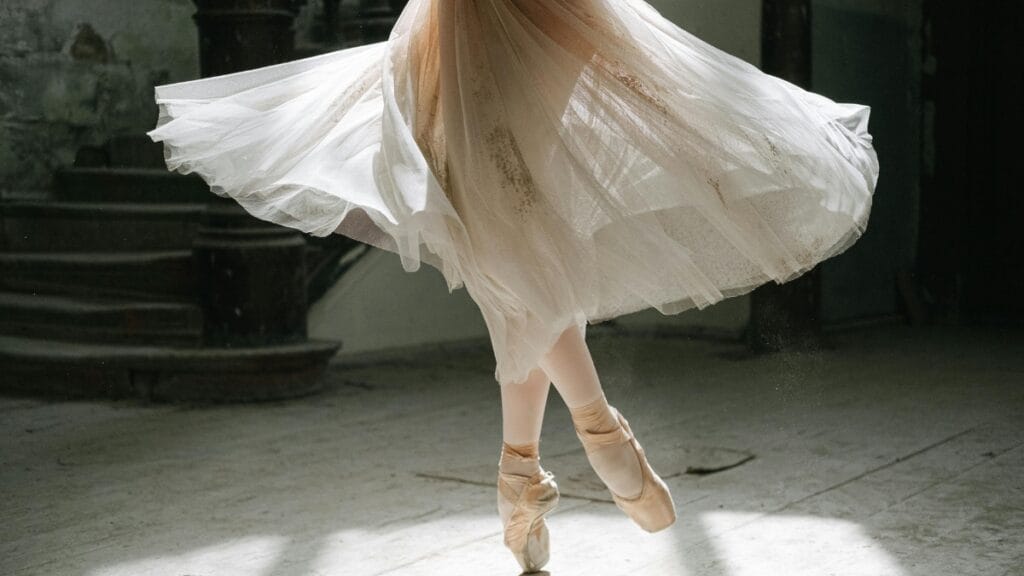
Velvet Skirt Fabric: Rich and Commanding
Velvet stands out as another premium fabric choice for skirts. Designers often select velvet for winter wear or evening occasions because it provides warmth and comfort. Several varieties exist, including silk velvet, cotton velvet, and synthetic velvet, each offering distinct qualities.
Silk velvet feels refined and luxurious, while cotton velvet provides a sturdier and more affordable option. The raised pile of velvet creates depth and texture, making it ideal for statement skirts. Available in jewel tones and classic neutrals, velvet skirts deliver a dramatic and luxurious look.
Tweed Skirt Fabric: Styled and Perennial
Tweed appeals to those who prefer a structured and timeless aesthetic. With deep roots in British fashion heritage, tweed skirts offer a refined and classic look. This thick woven fabric is typically made from wool, with occasional blends of silk or cotton.
A tweed skirt holds its shape exceptionally well, which makes it perfect for pencil and A-line silhouettes. Because tweed provides warmth and durability, it works especially well in cooler seasons. Pairing a tweed skirt with a fitted blouse or sweater creates an effortlessly sophisticated outfit.
Wool Skirt Fabric: Warmth Meets Elegance
Wool remains one of the most adaptable skirt fabrics available. Designers use it for both formal and casual skirt styles. Wool skirts keep the legs warm during colder months while still allowing breathability for comfort.
Available in a variety of weights and patterns, wool ranges from soft merino to heavier options like houndstooth and tweed. Scandinavian wool, known for moisture-wicking properties, performs well during winter activities or long workdays. A wool skirt can be styled as pleated, A-line, or pencil, making it a timeless and sustainable wardrobe investment.
Satin Skirt Fabric: Smooth and Shiny
Satin, whether made from silk or polyester, features a smooth and reflective surface that instantly conveys luxury. These skirts feel soft to the touch and shine beautifully under light, making them suitable for formal events, weddings, or elegant evenings out.
Despite their polished look, satin skirts remain lightweight and comfortable. During warmer months, they pair effortlessly with light tops for a refined yet relaxed appearance.
Linen Skirt Fabric: Light and Breezy
Linen stands out as a summer favorite for midi and maxi skirts due to its breathable and earthy nature. This fabric creates a relaxed aesthetic that works well with light colors and subtle prints.
For an effortless warm-weather outfit, pair a lined linen skirt with a linen or lightweight cotton top. The result feels casual, airy, and comfortable without sacrificing style.
Brocade Skirt Fabric: Rich and Intricate
For bold and extravagant designs, brocade serves as a standout skirt fabric. This richly textured material features jacquard weaves and intricate patterns that exude opulence. Designers often craft brocade skirts from silk blends, which provide structure and visual depth.
Brocade skirts suit formal occasions such as weddings, galas, and holiday celebrations. Their three-dimensional patterns create a regal effect, especially when paired with a simple top that allows the fabric to take center stage.
How to Pick a Skirt Fabric
Several factors influence the selection of the right skirt fabric, including season, occasion, and personal style preferences.
Think About the Event
Formal events call for elegant fabrics like silk, satin, and velvet. These materials deliver a luxurious feel that suits weddings, evening gatherings, and special celebrations. For everyday wear, fabrics such as linen, cotton, and wool provide comfort and practicality.
Consider Seasonal Changes
Season plays a key role in fabric selection. During colder months, satin, twill, and velvet help retain warmth. In contrast, summer calls for breathable materials like linen and cotton that keep the body cool.
Drape and Fit
Each fabric drapes differently on the body. Satin and silk create a soft and flowing silhouette, while brocade and tweed offer structure and stiffness. For a relaxed and fluid look, lightweight fabrics such as chiffon or silk work best.
Caring for Luxe Skirt Fabrics
High-quality fabrics require proper care to maintain their appearance. The following tips help preserve your skirt fabrics.
Silk and Satin Care
Silk and satin require gentle handling due to their delicate nature. Hand washing or professional dry cleaning keeps these fabrics smooth and glossy. Avoid prolonged sun exposure and store skirts in a cool, dry place.
Velvet and Brocade Care
Dry cleaning remains the safest option for velvet and brocade skirts. Hanging these skirts prevents creasing and fabric damage. When wrinkles appear, steaming offers a safer alternative to ironing.
Wool and Linen Care
Wool and linen skirts often tolerate gentle machine washing or hand washing, depending on the garment. Always follow care labels and air dry when possible to help the fabric maintain its shape.
Conclusion
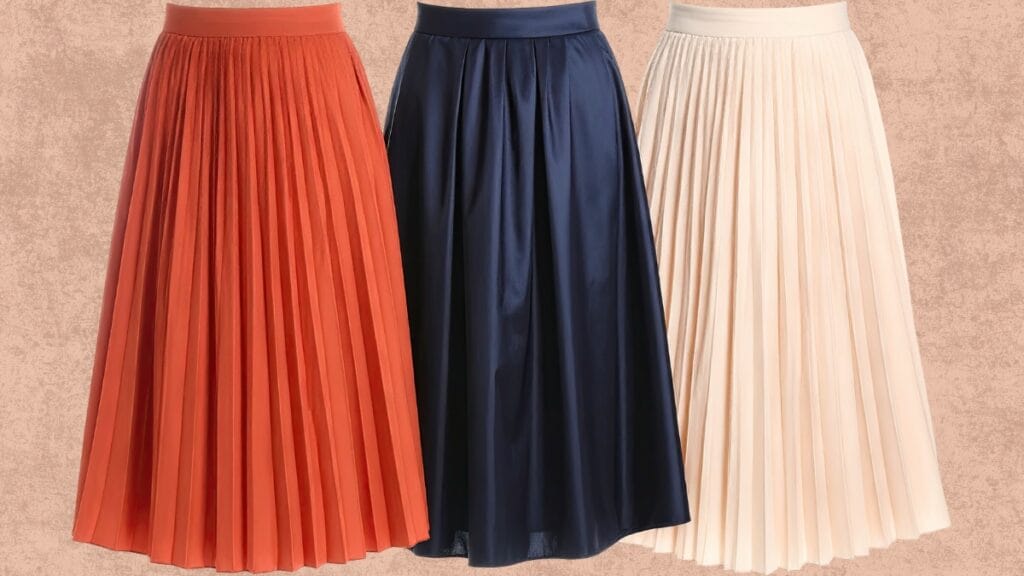
Choosing the right skirt fabric, whether silk, satin, velvet, or brocade, requires thoughtful consideration. Occasion, season, and fit all play essential roles in the decision-making process. With proper care, luxe skirt fabrics remain stylish, durable, and ready to stay in your wardrobe for years.
FAQs
1. What are the best fabrics for skirts in winter?
Winter skirts benefit from fabrics that provide warmth and comfort. Wool, tweed, and velvet offer insulation while maintaining a stylish appearance.
2. How do I care for a silk skirt?
Silk skirts need gentle care through hand washing or professional dry cleaning. Mild detergents and cool storage help preserve the fabric’s natural shine.
3. Can I wear a satin skirt during the day?
Yes, satin skirts work well during the day. Pair one with a simple top and a casual jacket to create a modern and stylish daytime outfit.