

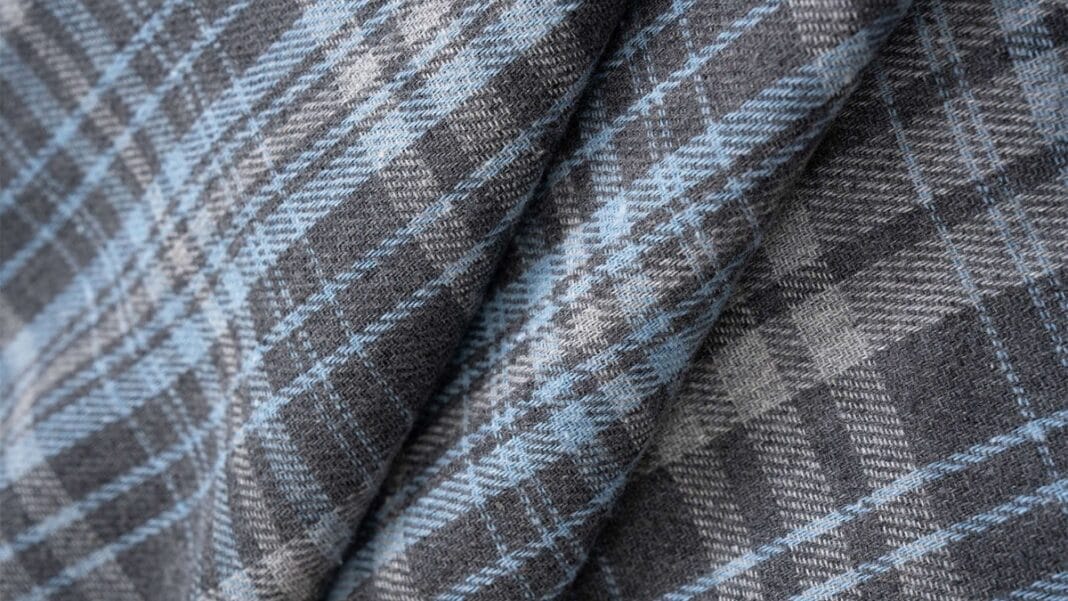
Plaid fabric is a timeless pattern that has stood the test of time, becoming a mainstay in both fashion and home décor. Its versatility and rich history make it an iconic print that continues to evolve, with new interpretations appearing every season. Whether you’re looking to revamp your wardrobe or add some flair to your living space, plaid fabric offers endless possibilities.
In this guide, we’ll take a deep dive into everything you need to know about plaid fabric—how to choose the right pattern, where to use it, and how to style it for different occasions. From classic tartans to contemporary checks, we will explore how this pattern can become a staple in your fashion choices and home decor projects.
Table of contents
The History of Plaid Fabric
Before we dive into the ways you can style plaid fabric, it’s important to understand its historical significance. Plaid has a long, storied history, rooted in the cultures of Scotland, Ireland, and Wales. Initially, the pattern was associated with specific Scottish clans, each clan having its own tartan or plaid pattern.
In the early 18th century, the Scottish Highlands embraced plaid as a symbol of regional identity. However, it wasn’t until the early 19th century that plaid gained widespread popularity in fashion, with the fabric being adopted by both gander across various cultures. Over time, plaid became more than just a symbol of national pride—it evolved into a global pattern recognised for its aesthetic appeal.
Types of Plaid Fabric
There are various types of plaid fabric, each offering its own distinct look and feel. Here are the most common plaid styles you’ll come across:
1. Tartan Plaid
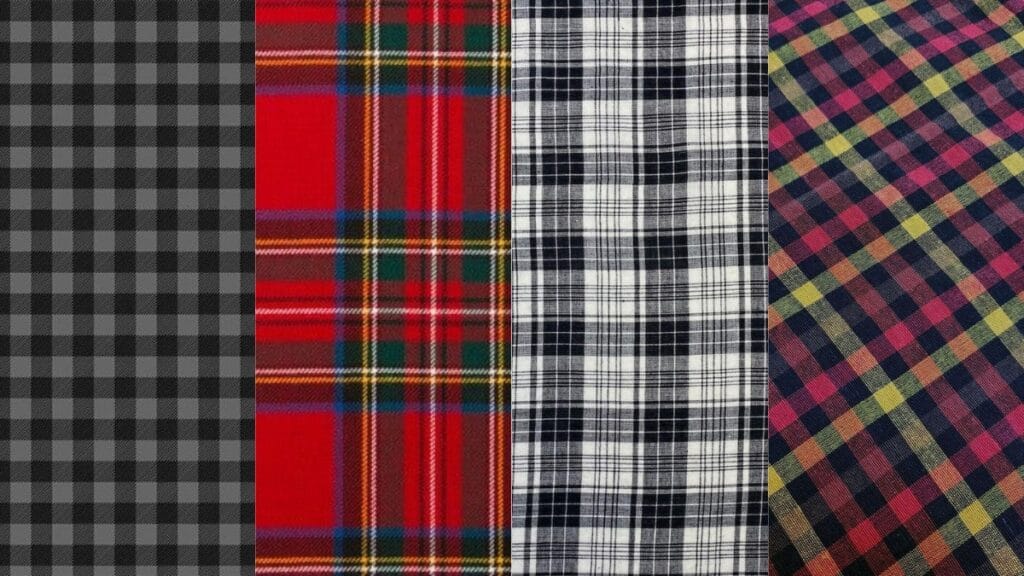
Tartan is perhaps the most iconic form of plaid. It features an intricate, crisscrossed design of horizontal and vertical stripes, typically in multiple colors. Tartan patterns are often associated with Scottish clans, but today they are used in various fashion and textile applications. The most well-known tartan patterns include the classic “Black Watch” and “Royal Stewart.”
2. Gingham Plaid
Gingham is a simpler, two-tone version of plaid that features a checked pattern. Unlike tartan, gingham typically uses a limited color palette—often red and white, blue and white, or green and white. It’s a popular choice for casual wear, especially in spring and summer, due to its light and airy feel.
3. Madras Plaid
Madras plaid is known for its vibrant, multi-colored patterns, often in bright hues like red, yellow, and green. Originally from India, this plaid fabric was introduced to the Western world in the 19th century and quickly became a favorite in preppy fashion. Its light, breathable fabric makes it ideal for warm-weather clothing.
4. Buffalo Plaid
Buffalo plaid features bold, large checks, typically in two colors such as red and black. This pattern became popular in the early 20th century due to its use in outdoor and workwear clothing, especially by lumberjacks. Today, buffalo plaid has become synonymous with cozy, winter fashion.
5. Houndstooth Plaid
Houndstooth is a distinctive check pattern with a jagged, broken shape. It typically uses a black-and-white color scheme, although it can be found in other colors as well. This bold, high-contrast pattern is often used in professional and upscale settings.
Choosing the Perfect Plaid Fabric for Your Project
Now that we’ve covered the basics of plaid patterns, let’s move on to choosing the right plaid fabric for your project. Whether you’re creating a fashion piece or updating your home décor, the fabric choice matters. Below are some key factors to consider:
1. Fabric Weight
Plaid fabric comes in various weights, from lightweight cotton to heavy wool. The weight of the fabric determines its suitability for different projects. For example, lightweight plaid fabrics, such as cotton or linen, are perfect for summer shirts, dresses, and casual home décor. Heavier fabrics like wool or flannel are ideal for colder climates, making them great choices for outerwear and winter scarves.
2. Color Scheme
When selecting plaid fabric, consider the color scheme that will best complement your existing wardrobe or home décor. Bold, high-contrast colors like red and black make a statement, while more muted tones like navy and green can create a more subtle, sophisticated look. Don’t forget to consider your personal style and the atmosphere you want to create in the room or outfit.
3. Pattern Scale
Plaid fabric patterns come in varying scales—some are large and bold, while others are small and subtle. The scale of the pattern can have a major impact on the overall effect. Larger plaids, like buffalo plaid, create a bolder look, while smaller patterns, like gingham, offer a softer, more delicate feel. For fashion, if you’re looking for a statement piece, go for a larger plaid pattern. For something more versatile, choose a smaller-scale design.
4. Fabric Type
The material of the fabric plays a critical role in both the look and feel of the finished product. Cotton, flannel, and linen are lightweight options perfect for shirts, dresses, and summer wear, while wool, tweed, and velvet lend themselves to more formal, cooler-weather apparel. For a more luxurious touch, silk or cashmere plaid fabrics are available but tend to be more expensive.
Styling Plaid Fabric
Once you’ve chosen your ideal plaid fabric, it’s time to figure out how to style it. Below are a few practical tips for incorporating plaid into your fashion choices.
1. Plaid Shirts
Plaid shirts are a classic wardrobe staple. Whether you’re wearing a casual button-down shirt or a flannel shirt for colder months, plaid never goes out of style. For a more polished look, tuck your plaid shirt into trousers or jeans, and pair with leather boots or loafers. For a more laid-back style, simply roll up the sleeves and leave the shirt untucked.
2. Plaid Skirts and Dresses
Plaid skirts and dresses add a touch of femininity to a traditionally masculine pattern. A plaid mini skirt paired with a simple blouse can create a stylish yet casual look. For colder weather, layer a plaid dress with a cardigan or jacket for a chic and cozy outfit.
3. Plaid Accessories
If you’re not quite ready to commit to plaid clothing, start small with plaid accessories. A plaid scarf, bag, or pair of shoes can bring a pop of pattern to a more neutral outfit. For a fashionable fall look, a plaid scarf paired with a simple trench coat or sweater can elevate your style effortlessly.
4. Plaid Home Décor
Plaid fabric isn’t just for clothing—it’s also a great addition to your home décor. Consider using plaid fabric for throw pillows, blankets, and curtains to add texture and warmth to a living room or bedroom. For a more rustic feel, plaid is a natural fit for cabin-style or country-inspired homes.
Common Mistakes to Avoid When Styling Plaid Fabric
While plaid fabric is versatile, there are a few common mistakes people make when styling it. Here are some tips on how to avoid them:
1. Overdoing It
Plaid is a bold pattern, so it’s best not to overdo it. If you’re wearing a plaid shirt, try pairing it with solid-colored items to balance out the look. Similarly, avoid using too much plaid in one room when decorating your home. A few key pieces are enough to make a statement without overwhelming the space.
2. Mixing Too Many Patterns
Plaid already has a lot of visual interest, so it’s essential to be mindful when mixing it with other patterns. If you’re wearing a plaid shirt, for example, avoid pairing it with other busy patterns like stripes or florals. Instead, keep other elements of your outfit simple to let the plaid fabric stand out.
3. Ignoring Proportions
When styling plaid, always consider the proportions of the pattern in relation to your body shape. Larger plaids can work well for people with taller or broader frames, while smaller plaids tend to be better suited for those with a smaller physique.
Conclusion
Plaid fabric is more than just a pattern—it’s a versatile, timeless element that has proven its place in both fashion and home décor. Whether you’re choosing a classic tartan for a winter coat or a soft gingham for a summer dress, plaid can fit every style, occasion, and season. By understanding the different types of plaid, how to select the right fabric, and how to style it effectively, you can make this iconic pattern work for you in endless creative ways.
With the right approach, plaid fabric can become a go-to element in your wardrobe and living space, offering endless possibilities for creativity, comfort, and style.
FAQs
Plaid fabric can be made from a variety of materials, including cotton, wool, flannel, linen, and polyester. The choice of material impacts the texture, weight, and suitability for different seasons.
Caring for plaid fabric depends on the material. For cotton and linen plaids, machine washing on a gentle cycle with cold water is usually safe. For wool or flannel, hand washing or dry cleaning is recommended to maintain the fabric’s quality.
Yes, but it’s best to keep it simple. Pair plaid with solid colours or subtle patterns to create a balanced look. Avoid combining multiple bold patterns, as it can create a chaotic effect.