

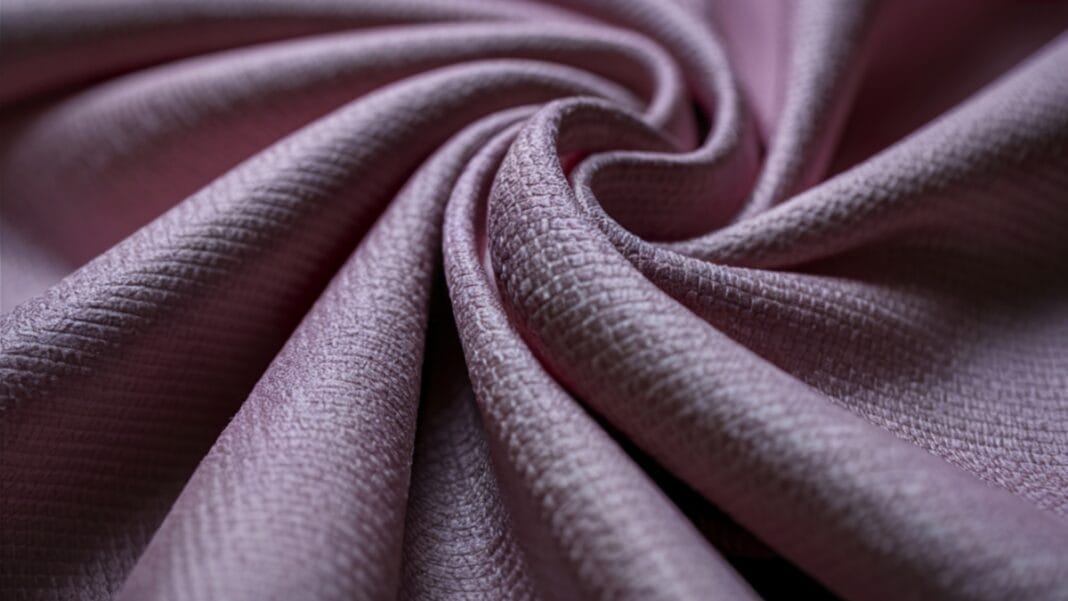
Nylon fabric is a versatile fabric that is known for its strength, flexibility, and comfort. When comparing nylon vs spandex, Nylon provides you with better durability and lightweight functionality and spandex provides you with increased stretch.
Designers often blend these fibers together to make a nylon spandex blend, which will combine the resiliency of nylon with the elasticity of spandex, making it ideal for clothing, sportsware, luggage and upholstery. This combination is done to ensure that the clothes are comfortable, long-lasting, and stylish.
Table of contents
- Understanding the Basics of Nylon Fabric
- History of Nylon Fabric
- Key Properties of Nylon Fabric
- Types of Nylon Fabric
- How Nylon Fabric Is Made
- Common Uses of Nylon Fabric
- Advantages of Nylon Fabric
- Caring for Nylon Fabric
- Nylon Fabric Blends and Combinations
- Sustainability and the Environmental Impact
- Disadvantages of Nylon Fabric
- Styling and Fashion Uses of Nylon Fabric
- Outdoor and Industrial Applications
- Nylon Fabric vs Other Synthetic Fabric
Understanding the Basics of Nylon Fabric
Nylon is an artificial fabric made from polyamide polymers. Invented to replace silk with a more durable and affordable alternative, it combines lightweight strength with resistance to abrasion, moisture, and chemicals. Its synthetic structure ensures consistent quality and reliable performance across applications.
Unlike natural fibers, nylon maintains its elasticity and shape. Therefore, it is ideal for activewear, lingerie, and outdoor gear. Designers worldwide favor its flexibility, which contributes to nylon’s status as a cornerstone of modern textiles.
History of Nylon Fabric
Wallace Carothers at DuPont invented nylon in 1935-as initially a silk substitute for stockings and parachutes in World War II. Over the years, combinations of fabrics, such as the pioneering nylon blend spandex, were investigated by the manufacturers to produce a fabric that provided both durability and stretch.
Understanding the evolution of nylon vs spandex in these blends we can see how designers can increase the comfort, performance and versatility in our current order of apparel and industrial products.
Key Properties of Nylon Fabric
Strength and Durability
Nylon resists wear, tear, and abrasion, which ensures long-lasting performance in garments and gear. Its strong fibers withstand stress without losing shape or structure over the years, making it reliable for many applications.
Elasticity
Nylon stretches easily while retaining its original form. As a result, it allows a comfortable fit and flexibility for activewear and form-fitting clothing. Its elasticity also prevents sagging even after repeated use or washing.
Moisture Resistance
Nylon absorbs minimal water and dries quickly after washing or exposure. These properties make it ideal for rainwear, swimwear, and outdoor equipment. Consequently, moisture resistance prevents shrinkage, color fading, and fabric deformation.
Lightweight
Despite its strength, nylon feels lightweight and soft to the touch. Therefore, manufacturers often use it for jackets, backpacks, and travel gear. Its lightweight nature enhances comfort during prolonged use.
Types of Nylon Fabric
Nylon comes in various forms, each suited to different applications:
- Nylon 6: The first type offers durability, elasticity, and ease of dyeing.
- Nylon 6,6: used mainly for industrial purposes, provides higher strength and heat resistance.
- Textured Nylon: Adds bulk and softness to clothing while enhancing drapery.
- Ripstop Nylon: Tearproof fabric widely used in tents and outdoor gear.
Each type offers unique benefits to designers and manufacturers. Selecting the right variant ensures better product performance and durability. Understanding these types helps optimize nylon applications in fashion and industrial contexts.
How Nylon Fabric Is Made
Manufacturers create nylon by polymerizing petroleum-based compounds. The process melts polymers into long fibers, which form the foundation of the fabric. Stretching these fibers increases strength, elasticity, and uniformity. Finally, weaving or knitting converts fibers into usable nylon fabric.
Advanced production methods control thickness, texture, and durability. Additionally, some fabrics undergo texturing to improve softness, drape, or bulk. These processes make nylon suitable for clothing, industrial applications, and upholstery.
Common Uses of Nylon Fabric
Nylon is found in endless number of products because of its adaptability. While nylon by itself has the benefit of strength and moisture resistance, when it’s paired in a nylon spandex blend, it stands out as the ideal fabric for activewear, leggings and formfitting garments.
Industries rely on nylon for ropes, nets, and seatbelts, where high tensile strength is essential. Additionally, upholstery, curtains, and outdoor furniture benefit from nylon’s durability and low-maintenance qualities. Combining nylon with other fibers enhances softness, stretch, or breathability in garments.
Advantages of Nylon Fabric
- Durable: Withstands long-term use and resists tearing, abrasion, and repeated wear.
- Lightweight and flexible: Provides comfort in clothing, gear, and upholstery.
- Moisture-resistant: Dries quickly, resists shrinkage, and retains color.
- Elasticity: Maintains shape and contours to the body without sagging.
- Easy to clean: Retains performance through multiple washes.
- Versatile application: Suitable for fashion, sports, industrial, and home goods.
These qualities explain why nylon remains in use despite synthetic alternatives. Its blend of strength, comfort, and adaptability makes it highly practical.
Caring for Nylon Fabric
Maintaining nylon is simple when proper care is applied. Wash nylon in cold or lukewarm water with mild detergent. Avoid bleach, which can damage fibers and reduce elasticity. Tumble dry on low heat, or air dry to preserve shape. If necessary, iron on low temperatures to prevent melting or shiny spots.
Nylon resists stains, but immediate cleaning yields the best results. Store fabrics in cool, dry places to prevent mildew and degradation. Consequently, proper care ensures nylon retains both its appearance and comfort over time.
Nylon Fabric Blends and Combinations
The nylon combined with other fibres opens up new possibilities for performance. For example, a nylon and spandex combination provides a good amount of stretch type of the material while also providing resilient properties, making them ideal for sportswear, activewear, and shapewear.
When it comes to nylon vs spandex, nylon is the material that gives long lasting durability to the garment while spandex adds elasticity to the garment, thus maintaining its shape over its lifetime. Designers also blend nylon with cotton, polyester or wool in order to create the ideal balance between comfort, breathability and performance.
Sustainability and the Environmental Impact
Nylon production relies on petrochemicals, consuming significant energy and emitting greenhouse gases. Recycling initiatives such as ECONYL® transform discarded fibers into new products, reducing waste and environmental impact.
Eco-friendly nylon appears in clothing, shoes, and sportswear. Consumers can look for certifications to ensure environmental standards. Manufacturers are also developing methods that lower energy consumption and emissions. Therefore, using sustainable nylon represents an environmentally responsible choice for fashion and industry.
Disadvantages of Nylon Fabric
Nylon has drawbacks that buyers should consider. It can generate static electricity, causing cling. Over time, friction may cause pilling. High heat can melt nylon, so careful ironing is essential.
Some people find nylon less breathable than natural fibers like cotton and linen. Its slippery texture can reduce grip in certain applications. Nevertheless, nylon’s benefits often outweigh minor disadvantages. Selecting the right type and proper care minimizes potential problems.
Styling and Fashion Uses of Nylon Fabric
Nylon thrives in casual and high-performance fashion. Jackets and windbreakers use it for lightweight wind protection. In addition, leggings, swimsuits, and sportswear rely on elasticity and moisture resistance. Bags and backpacks made from nylon combine durability with contemporary designs.
High-fashion designers use nylon for structured dresses and unique silhouettes. Accessories such as hats, belts, and scarves combine style with practicality. Nylon’s versatility adapts to seasonal trends and functional requirements. Choosing the right nylon enhances both style and comfort.
Outdoor and Industrial Applications
Nylon excels in outdoor and industrial environments. Its strength and water resistance make it ideal for tents, sleeping bags, and backpacks. Ropes, parachutes, and safety harnesses rely on nylon’s tensile strength. Additionally, upholstery, tarpaulins, and protective covers benefit from its durability.
Nylon resists UV damage, extending its outdoor lifespan. Lightweight yet strong, it suits military, camping, and adventure gear. Consequently, its reliability ensures safety and comfort in demanding conditions.
Nylon Fabric vs Other Synthetic Fabric
Nylon vs spandex differs from polyester, spandex, and acrylic in key ways. It surpasses polyester in strength and elasticity, making it ideal for stretch garments. Compared to spandex, nylon balances durability, elasticity, and abrasion resistance. Acrylic feels soft but lacks nylon’s durability in high-stress areas.
Nylon absorbs less moisture than cotton, dries faster, and resists shrinkage. Choosing nylon over other synthetics depends on performance, comfort, and application. Its unique properties make it a favorite worldwide.
Conclusion
Nylon vs spandex offers unmatched durability, comfort, and versatility in fashion, outdoor, and industrial uses. Its strength, elasticity, and lightweight nature make it ideal for everyday and high-performance applications. A combination with other fibers adds functionality, while sustainable options reduce environmental impact.
Proper care preserves nylon’s appearance and longevity, ensuring user satisfaction. Whether in clothing, accessories, or industrial products, nylon remains a practical choice. Understanding its properties helps consumers, designers, and manufacturers make informed decisions. Nylon continues to be a cornerstone of modern textiles, combining style, performance, and durability.
FAQs
1: Is nylon fabric breathable?
Nylon breathes fairly well, though less than natural fibers. Additionally, blends enhance ventilation.
2: Is nylon fabric dyed easily?
Yes, nylon accepts dye well, producing vibrant and long-lasting colors.
3: How long does nylon fabric last?
With proper care, nylon can last several years while maintaining strength, elasticity, and appearance.