

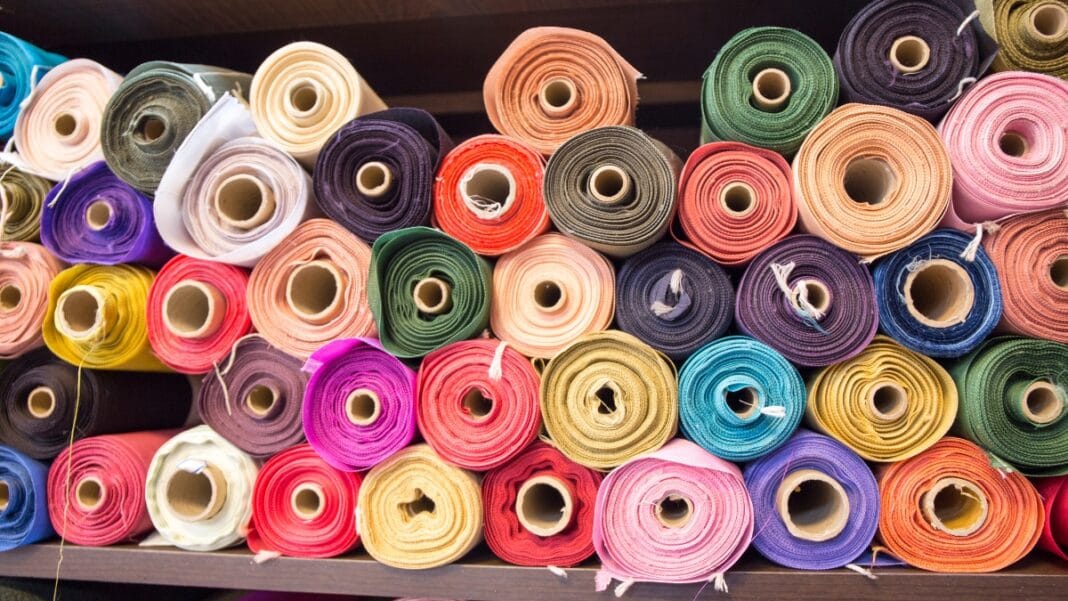
When designing a new outfit, reupholstering furniture, or creating something new, the right fabric can make a big difference. If you’re looking to find this fabric for your project, several important factors can guide you toward the best material. Fabric choice impacts durability, comfort, appearance, and the overall functionality of your project. This guide explains practical strategies for selecting the best fabric.
Table of contents
- Knowing the Importance of Fabric Choice
- Identify the Types of Fabric
- Fabric Weight: How to Find This Fabric with the Right Thickness
- Fabric Texture and Finish: How to Create the Right Look and Feel
- Think About Care and Wear of Your Fabrics
- Matching Fabric with Functionality
- Finances and Fabric Selection to Find This Fabric Within Budget
- Eco-Friendly Options to Find This Fabric Sustainably
- Testing Fabrics Before You Commit
Knowing the Importance of Fabric Choice
When starting a new project, whether it is fashion, home design, or crafting, finding the right fabric becomes the first and most important step. The material affects the overall look, durability, and comfort of the final product. A suitable fabric helps your design perform well and remain reliable over time.
With so many fabric options available, the selection process can feel overwhelming. While finding this fabric, keeping your project requirements in mind helps simplify decisions. Ask yourself whether the fabric needs softness, stretch, or strength, as clear answers will narrow down your choices.
Identify the Types of Fabric
Understanding the different fabric types plays a key role in finding this fabric. Fabrics fall into several categories based on weave, material content, and texture.
1. Natural Fabrics
Manufacturers create natural fabrics using plant or animal sources. These fabrics offer breathability and comfort, making them more wearable than many synthetic options. Common natural fabrics include cotton, silk, linen, and wool.
- Cotton remains popular due to its soft texture and breathability, making it easy to clean and ideal for casual clothing and bedsheets.
- Linen works well for summer clothing because of its lightweight and durable structure.
- Silk provides a smooth, shiny finish that suits formal occasions and luxury wear.
- Wool offers excellent insulation, which makes it suitable for colder seasons.
2. Synthetic Fabrics to Find This Fabric for Durability
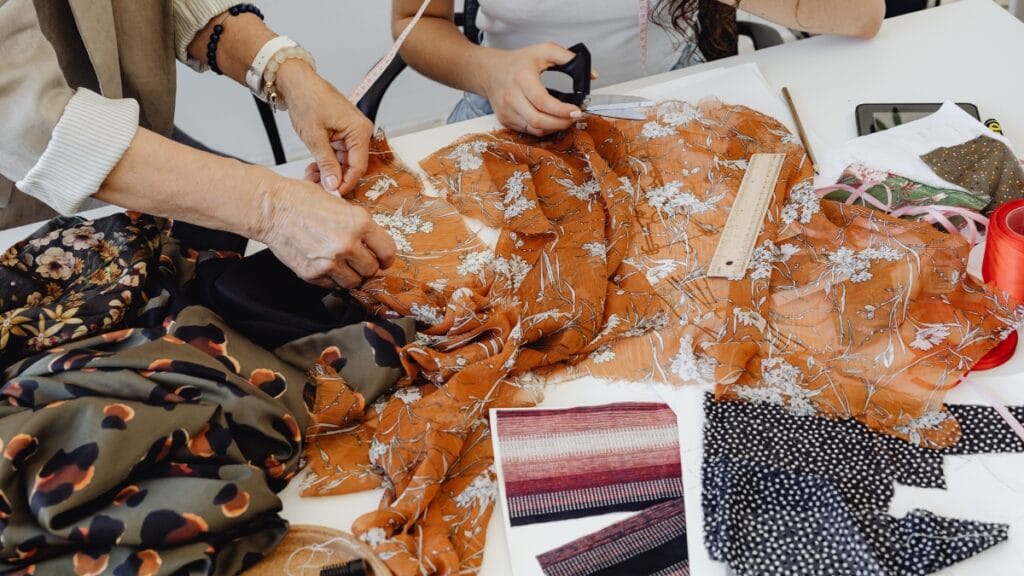
Many clothing items rely on synthetic fabrics made from petroleum-based chemical compounds. These fabrics cost less than natural fibers but often lack breathability, which can cause heat retention and discomfort. Polyester, nylon, and spandex are common synthetic materials.
- Polyester offers durability, resists shrinking and stretching, and requires minimal maintenance.
- Nylon delivers strength, elasticity, and water resistance, making it suitable for active use.
- Spandex adds flexibility and stretch, which explains its popularity in activewear and sports clothing.
3. Blended Fabrics to Help Find This Fabric Easily
Blended fabrics combine natural and synthetic fibers to balance comfort and durability. For instance, cotton-polyester blends provide breathability alongside long-lasting performance. Everyday clothing frequently uses blends due to their practicality and versatility.
Fabric Weight: How to Find This Fabric with the Right Thickness
Choosing this fabric with the correct weight ensures the success of your project. Fabric weight refers to how heavy the material feels, which directly affects its behavior and structure. Manufacturers typically measure weight in ounces per square yard or grams per square meter.
- Lightweight Fabrics
Lightweight fabrics suit soft garments and projects that require fluid draping. Chiffon, georgette, and lightweight cottons work well for summer clothing, scarves, and airy curtains. - Medium-Weight Fabrics
Medium-weight fabrics provide versatility and durability for a wide range of uses. Denim, taffeta, and broadcloth fit well for shirts, dresses, and furniture upholstery. - Heavyweight Fabrics
Heavy fabrics such as wool, canvas, and upholstery-grade cotton deliver strength and structure. These materials work best for coats, jackets, and furniture coverings that demand durability.
Fabric Texture and Finish: How to Create the Right Look and Feel
When choosing your fabrics, consider more than just the material itself by evaluating texture and finish. These characteristics influence both appearance and comfort.
1. Smooth vs. Textured Fabrics
Smooth fabrics like satin and silk create elegant evening wear, while textured materials such as velvet, corduroy, and tweed add depth and visual interest to an outfit.
2. Matte vs. Glossy Fabrics
Some fabrics offer a matte appearance, while others deliver a glossy finish. Casual designs often benefit from matte textures, whereas formal looks shine with satin or silk finishes.
Think About Care and Wear of Your Fabrics
When you find this fabric, consider its long-term performance and maintenance needs. Delicate fabrics require careful handling, while sturdier materials support daily use more effectively.
1. Washability
Cotton and polyester handle regular washing with ease, whereas silk and wool often require dry cleaning. Always review care instructions to ensure the fabric suits your lifestyle.
2. Durability
Denim and canvas withstand heavy use and work well for outdoor furniture and sturdy bags. In contrast, silk and similar fabrics lack the strength needed for demanding projects.
Matching Fabric with Functionality
To find the right fabric for any project, define the fabric’s intended purpose first. Matching functionality with material choice ensures the best results.
1. Clothing Projects to Find This Fabric for Comfort
Comfort and purpose guide fabric selection for clothing. Stretchy materials like spandex or Lycra support activewear, while silk, satin, and velvet elevate formal designs. Cotton, jersey, and denim remain reliable options for casual wear due to comfort and easy maintenance.
2. Home Decor Projects to Find This Fabric for Longevity
Home decor fabrics require both durability and visual appeal. Canvas and microfiber work well for upholstery, while linen and voile suit curtains that need light movement and flow.
3. Craft Projects to Find This Fabric Easily
Craft projects demand convenience and functionality. Quilting and crafting cottons provide ease of use and reliable performance for creative tasks.
Finances and Fabric Selection to Find This Fabric Within Budget
While finding this fabric, budget considerations influence every decision. Premium fabrics like silk and wool increase costs, whereas blends such as cotton and polyester offer affordability.
Set a budget before shopping and estimate the amount of fabric your project requires. Balancing performance with cost ensures a practical purchase, and including necessary tools like needles, thread, and sewing machines prevents unexpected expenses.
Eco-Friendly Options to Find This Fabric Sustainably
When finding this fabric, ethical considerations encourage choosing sustainable options. Organic cotton, bamboo, hemp, and recycled polyester represent eco-friendly alternatives.
Selecting biodegradable and responsibly produced materials reduces environmental impact. Certifications like GOTS and OEKO-TEX® Standard 100 help verify sustainable fabric choices.
Testing Fabrics Before You Commit
Before committing to finding this fabric and beginning construction, testing samples can prevent costly mistakes. Fabric swatches from stores or sample programs allow you to assess quality and performance.
1. Feel the Fabric
Test the fabric against your skin to check for comfort and irritation. Softness and smoothness matter, especially for wearable projects.
2. Test for Durability
Apply pressure to see how the fabric reacts and inspect edges for fraying or early wear.
3. Wash and Shrink Test
Wash washable fabrics before use to observe color retention and shrinkage, ensuring predictable results.
Conclusion
Selecting fabric often becomes an enjoyable and creative process. Understanding fabric characteristics simplifies decision-making across crafting, home projects, and clothing design. Since fabrics vary in style, weight, texture, care requirements, and practicality, taking time to choose wisely prevents regret. Ultimately, the fabric you select forms the foundation of your entire project.
FAQs
1. How do I choose fabric for clothing?
Choosing fabric for clothing requires evaluating fit, drape, and comfort. Lightweight fabrics like cotton suit daily wear, while stretch fabrics such as spandex support sports and active use.
2. What is the best fabric for upholstery?
Durable materials work best for upholstery. Leather, canvas, and similar heavy-duty fabrics provide longevity and easy maintenance for furniture.
3. Are there eco-friendly fabric options?
Organic cotton, bamboo, hemp, and recycled polyester qualify as eco-friendly fabrics because sustainable cultivation and production methods support environmental responsibility.