

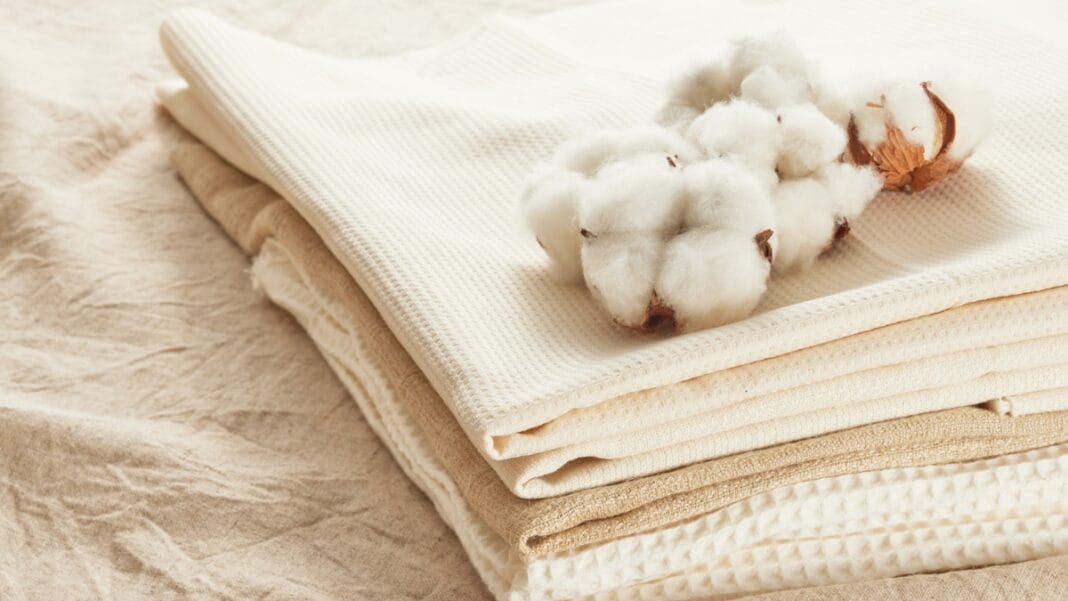
As people grow passionate about fashion, they start exploring sustainable fashion, which has increased the demand for eco-friendly clothing. As a result, cotton has become one of the most popular eco-friendly fabrics because it is breathable, soft, and natural. Moreover, eco-friendly fashion reduces environmental impact and promotes responsible choices. By doing so, exploring soft fiber options moves you closer to making sustainable fashion decisions. This blog post examines sustainable cotton fabric options for eco-friendly and stylish fashion lovers.
Table of contents
- Why Choose Cotton for Sustainable Fashion?
- The Benefits of Organic Cotton
- Fair Trade Cotton: The Ethical Choice
- Recycled Cotton: A New Life for Waste Materials
- Pima Cotton: Premium Quality with a Low Environmental Impact
- Cotton Hemp Blends: Combining Sustainability and Durability
- The Future of Cotton in Eco-Friendly Fashion
Why Choose Cotton for Sustainable Fashion?
Responsibly sourced soft fiber stands out as one of the best options for sustainable fashion. In fact, cotton is a natural fiber that remains biodegradable and renewable. Because of this, it differs from synthetic fabrics made from fossil fuels and oil. Additionally, organic soft fiber grows without synthetic pesticides or fertilizers, which supports a healthier ecosystem and lowers the environmental impact of conventional soft fiber farming.
By choosing soft fiber fabrics for eco-friendly fashion, you support both the planet and the people working on soft fiber farms. With this in mind, the following section explores the top cotton options for sustainable and eco-friendly fashion.
The Benefits of Organic Cotton
What Makes Organic Cotton Stand Out?
Organic soft fiber grows without pesticides, which makes it an eco-friendly cotton option. At the same time, this soft fiber type offers a better processing alternative because it avoids toxic fertilizers that damage soil and deplete nutrients. Consequently, such farming practices promote a diverse ecosystem and a healthier environment. In turn, using organic soft fiber benefits the environment and protects farmers by reducing exposure to harmful chemicals that affect their health.
Why Organic Cotton is the Best Cotton for Eco-Friendly Fashion
Organic soft fiber offers affordability and poses no health risks compared to other soft fiber types. Furthermore, it feels softer on the skin and works best for people with sensitive skin. In addition, this soft fiber type lasts longer, which reduces overall consumption.
As a result, lower consumption helps protect the environment by minimizing soft fiber waste and overproduction. When choosing environmentally friendly fashion, cotton remains a reliable option. From everyday use, t-shirts to bedding, soft fiber delivers comfort, quality, and environmental sustainability.
Fair Trade Cotton: The Ethical Choice
Understanding the Importance of Fair Trade Certification
Fair Trade cotton strengthens sustainability by addressing social and economic challenges in soft fiber production. Through certification, farmers receive fair wages, work in safe conditions, and follow environmentally responsible farming practices.
Buying Fair Trade soft fiber supports environmental protection and promotes ethical labor standards. In particular, Fair Trade initiatives improve farmers’ living conditions and uplift surrounding communities. Ultimately, this approach creates a fabric that remains both socially and environmentally sustainable.
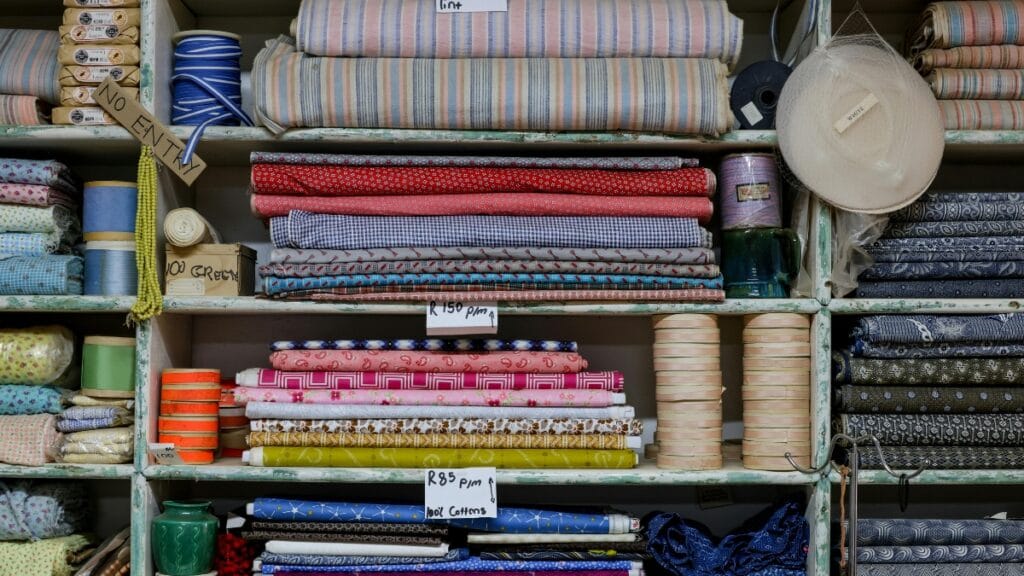
How Fair Trade Soft Fiber Supports Eco-Friendly Fashion
Fair Trade soft fiber often follows organic farming methods, which improves fabric quality and strengthens financial support for farmers. Therefore, choosing Fair Trade certified soft fiber products helps fund an ethical and sustainable soft fiber industry.
Consumers seeking eco-friendly and ethically produced items should consider Fair Trade certified cotton. Not only that, these certifications ensure responsible practices from seed to shelf for clothing, accessories, and home goods.
Recycled Cotton: A New Life for Waste Materials
How Recycled Soft Fiber Contributes to Sustainability
Recycled soft fiber reduces textile waste and limits the overproduction of raw materials. Instead of relying on new crops, manufacturers create recycled soft fiber from repurposed fabrics, used clothing, and post-consumer cotton waste.
This process lowers chemical usage and reduces the need for pesticides and fertilizers required for soft fiber farming. Additionally, recycling soft fiber prevents textiles from ending up in landfills, which helps manage environmentally created waste more effectively.
Best Soft Fiber: Recycled Cotton’s Role in Sustainable Fashion
Recycled soft fiber may lack some characteristics of organic soft fiber, but it still offers multiple eco-friendly benefits. For example, this cotton type remains budget-friendly and, when blended with other sustainable materials, provides good durability and quality.
Choosing recycled soft fiber reduces the demand for new soft fiber farming and conserves natural resources. Because of this, the fabric suits eco-conscious consumers who prefer fashion that avoids contributing to the waste cycle.
Pima Cotton: Premium Quality with a Low Environmental Impact
The Unique Qualities of Pima Soft Fiber
Pima soft fiber ranks among the finest soft fiber types due to its softness, strength, and durability. Typically, farmers grow Pima cotton in the United States, Peru, and Australia using sustainable farming practices.
This soft fiber type feels more luxurious than regular soft fiber and lasts longer, which adds value to eco-friendly wardrobes. Consequently, longer-lasting garments reduce replacement frequency and help lower overall consumption.
Why Pima Soft Fiber Is a Sustainable Choice
Pima soft fiber supports sustainability through its long lifespan. Because it lasts longer, durable garments require fewer replacements, which reduces resource consumption during production.
Eco-conscious fashion lovers often choose Pima cotton as a sustainable alternative to fast fashion. By doing so, selecting Pima soft fiber garments helps reduce landfill waste while offering high-quality and durable clothing.
Cotton Hemp Blends: Combining Sustainability and Durability
What Makes Soft Fiber Hemp Blends a Great Option?
Cotton’s comfort combined with hemp’s strength creates a highly sustainable fabric. Notably, hemp fibers require little water and grow without fertilizers or pesticides, making them one of the most eco-friendly fibers available.
Cotton-hemp blends offer durability, breathability, and resistance to environmental elements. As a result, these qualities extend fabric lifespan and encourage sustainable habits by reducing replacement frequency.
Best Cotton Blends: Cotton Hemp Fabrics in Eco-Friendly Fashion
Cotton and hemp blends create fabric that balances eco-friendliness and functionality. For this reason, designers commonly use these blends for shirts, pants, and jackets. Over time, the fabric ages well while maintaining strength, making it ideal for sustainable fashion enthusiasts.
For those seeking a gentle yet durable fabric, soft fiber-hemp blends make an excellent addition to sustainable wardrobes.
The Future of Cotton in Eco-Friendly Fashion
Innovations in Sustainable Soft Fiber Production
The rising demand for sustainable fashion continues to transform soft fiber farming practices. Currently, regenerative farming, improved water efficiency, and better soil management make soft fiber cultivation more sustainable than before. Meanwhile, ongoing innovations focus on reducing waste and water usage in soft fiber production.
Sustainable agricultural methods across the globe now offer more options for eco-conscious consumers. Together, these efforts ensure a promising and environmentally responsible future for cotton fashion.
A Look Ahead: The Growing Popularity of Sustainable Soft Fiber
Cotton holds strong potential in shaping the future of sustainable fashion. As awareness grows, consumers become more mindful of ethical purchasing, and sustainable soft fiber choices continue to rise. Ultimately, buying sustainable soft fiber products positively influences the fashion industry’s environmental impact.
Conclusion
Sustainable fashion advocates highlight soft fiber for its environmental and social benefits. Overall, organic, Fair Trade, recycled, Pima, and cotton-hemp blends each provide eco-friendly options. By choosing wisely, sustainable soft fiber products add durability and quality to fashion while promoting responsible and ethical practices.
FAQs
1. What is the difference between organic cotton and conventional cotton?
Organic cotton grows without synthetic pesticides or fertilizers, while conventional soft fiber relies on these chemicals. Because of this, avoiding harmful chemicals protects ecosystems, reduces water pollution, and improves farmer safety.
2. How does recycled cotton contribute to sustainability?
Recycled soft fiber uses old fabrics and waste materials to create new textiles. In this way, the process reduces water usage, conserves resources, and limits textile waste. Most importantly, recycled cotton supports a circular fashion economy.
3. Is Pima cotton truly eco-friendly?
Pima cotton supports sustainability through responsible farming and long-lasting fabric quality. As a result, durable garments reduce replacement frequency, helping limit consumption and support eco-friendly fashion practices.