

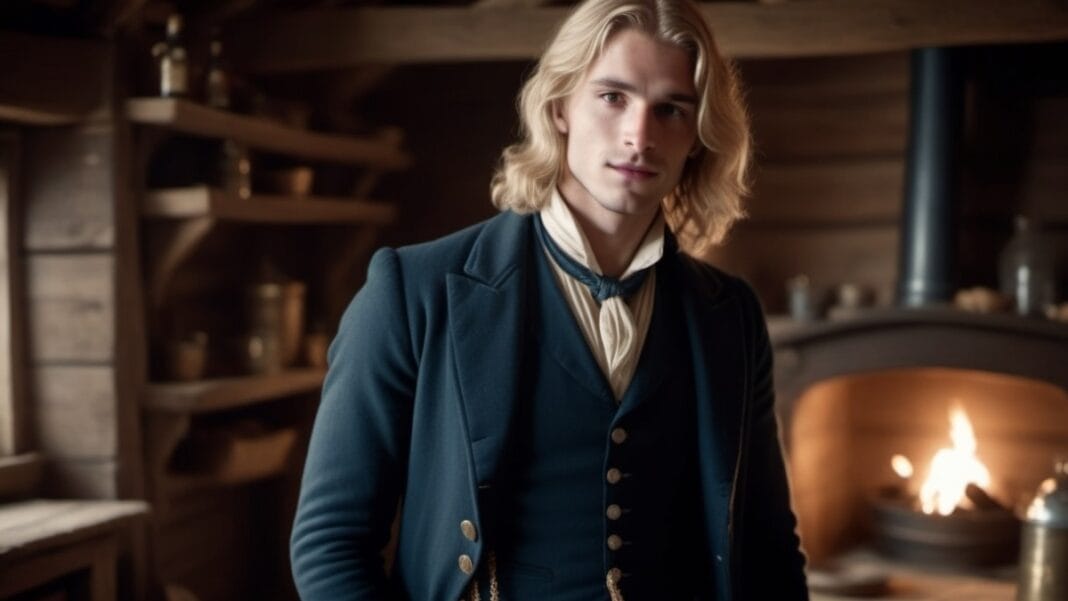
Introduction to 19th century Male French Fashion: Classic Trends
French Fashion of the 19th century influenced modern menswear in more ways than one, from class, to culture and social identiy. Men purposely dressed to convey social status and identity, and each element of an outfit had a specific meaning. This 19th Century French Clothing Male: Classic Trends guide will break down some of these elements that 19th century French fashion timelessly, and help you understand why these styles matter. Fashion is a form of social and political communication. It is not only a reflection of the time and what is going on, but it is also a statement about what you believe. This article is purely educational and focuses on informing individuals in an easily comprehensible way.
Explaining 19th century French Clothing Male: Classic Trends
There is no argument that the 19th century in France had a lot of fashion and social changes. Political revolutions and industrialization influenced fashion. Men shifted from dressing in an aristocratic way to a more modern atistocratic way with less decoration. There was a time of softness and elegance in fashion, and also a time of practicality and rigidity. This section, 19th Century French Clothing Male: Classic Trends, will help you understand the ‘balance’ in French fashion of the 19th century, with each evolution bringing a certain level of sophistication.
Menswear in 19th Century France: Classic Styles
Mens fashion is divided in sections by decades. Beginning in 1800, menswear was already heavily influenced by European classical fashion. These enduring styles included tailcoats, waistcoats and knee length breeches. High cravats and collars provided a timeless formal look. As industrialisation began to affect fabric and garment production, styles began to evolve once again. Darker fabrics and longer garment besoms give rise to an entirely new silhouette. By the late 1800s, mens fashion began to resemble contemporary styles. Suits became structural, styling options broad and garment length varied. Small scale changes with large scale impact.
Core Elements of 19th Century French Garments for Men: Classic Trends
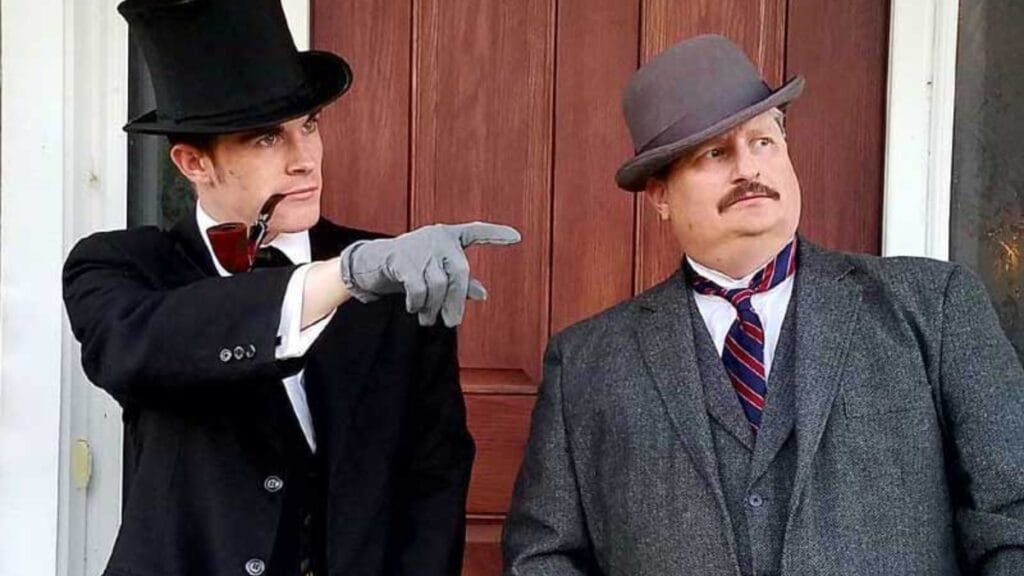
Simplistic tailoring is a defining characteristic of mens fashion. Each constituent part is reliant on each other to create an overall composed balance. Tailcoats remained the sitting preference for formal occasions. Waistcoats and trousers, also modern breeches and period-appropriate shirts, excellent choice for optimal structural support These garments work cohesively to and an refined appearance.
Clothing Fabrics in 19th century french clothing male: Classic Trends
Fabrics served as an indicator of personal comfort and social status. Those who were wealthy opted for fabric of finer quality with smooth and soft finishes. Wool became the most popular fabric for use in clothing because of its structural durability. The use of cotton and silk also became commonplace, as cotton was readily available due to the Industrial Revolution, and silk was an option for formal clothing and accessories making it a fabric of luxury. The use of silk and soft fabrics was also an indicator of a person’s social status. This perspective in the 19th century French clothing male: Classic Trends demonstrates how much fabrics influence style and personal identity.
Colors and Design in 19th century french clothing male: Classic Trends
As the century progressed, color choices were more varied. Early styles faced a stricter approach with the use of lighter tones, while later styles embraced the use of darker tones, i.e. black, navy, and gray. These represented seriousness and responsibility in the workplace. Simple patterns were used, and would not dominate the entire outfit. A 19th century french style clothing male: Classic Trends approach was simple and timeless and clearly to modern-day designers a source of modern-day influences.
19th Century French Male Attire Classic Trends: Formal Wear
Most men’s fashion during this time was dictated by formal wear. Attending an event, conducting business, or simply socializing, men were expected to dress with consideration. The staple choice for formal wear is a tailcoat, to which a waistcoat is applied for additional structure, and balanced by well tailored trousers. The shirt is expected to be crisp and well fitted, and accessories are intended to elevate an outfit, but should not overpower. The formal style in this 19th cent. French clothing male: Classic Trends, speaks to an overall aesthetic of discipline and detail, and an care for appearance.
19th Century French Male Attire Classic Trends: Casual Wear
There was also casual clothing, but it was still a little bit more refined and structured than in other variations. Even for leisure, men kept a polished appearance. Everyday wear replaced formal suits with tailored simple jackets and trousers. The shirt was still well-fitted, and the fabric choice was lighter, but kept the polished appearance. In this 19th cent. French clothing male: Classic Trends, casual wear speaks to an effective practicality, with a touch of elegance.
Men’s accessories were a big part of a man’s outfit, and they used them to show off their sophisticated personality. There were clothes like watches that were decorative and functional, and hats like fedoras and bowler hats that were part of the outfit. Gloves were used more when the outfit was formal, and a cane was used to show that the man was rich, and to show off his elegance. The additions that these outfits used in 19th century french clothing male: Classic Trends were a big part of the outfit.
Footwear in 19th century french clothing male: Classic Trends
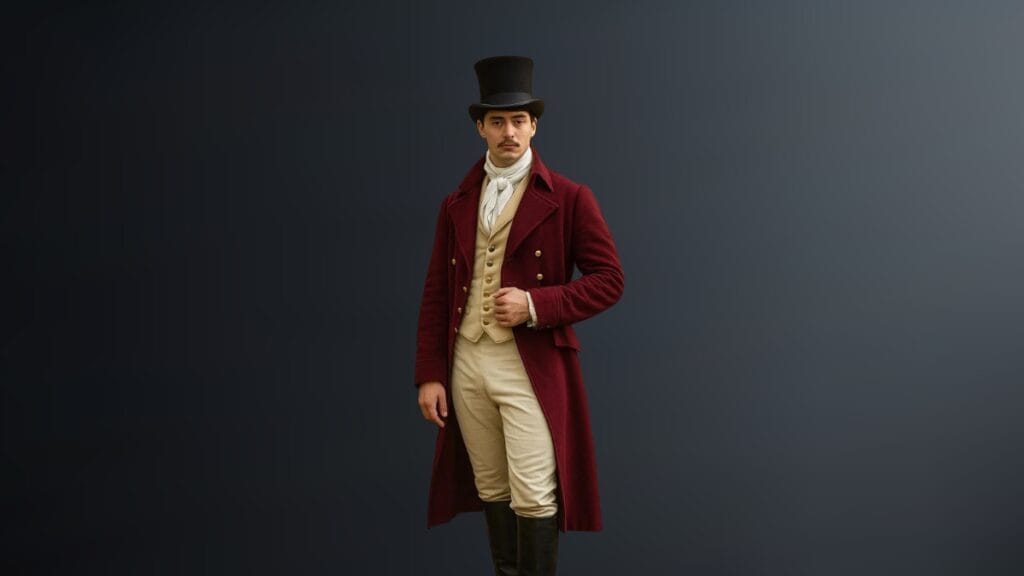
Men’s shoes and boots were something that people were very dedicated to because they wanted to make sure that they were well-polished and well-maintained. This discipline and pride in their appearance reflected the shoes that men chose to wear, and this was a big part of the outfit. This 19th century french clothing male: Classic Trends principle shows how the shoes were a big part of the outfit.
Social Influences on French Men’s Clothing in the 19th Century: Classic Trends
During this period of fashion history, social class dictated style. Wealthy men had the means to buy custom-fitted clothing made of expensive materials, while men of the working class chose clothing that was made for physical labor. Industrialization made clothing easier to obtain, closing the gap in social classes somewhat. However, the social class divides in clothing still made distinctions. This 19th Century French Clothing, Men: Classic Trends perspective illustrates how clothing sat at the intersection of social Identity and everyday life.
Contemporary Influences of 19th Century French Clothing For Men: Classic Trends
The 19th century is the foundation of modern men’s fashion and inspiration. The suit, a staple of men’s clothing today, was developed in the 19th century. French tailoring was the gold standard and still shapes modern designing today. Suit and business attire principles focus on even proportions, clean lines, and understated stylishness. This 19th century French clothing, men: classic trends influence shows how fashion history is important.
How to Recreate 19th-Century French Male Attire: Classic Trends of Today
Attire from the 19th-century French era can seamlessly adapt to the modern-day style of your choice, so long as you maintain a steady look. It is essential to emphasize structure by selecting tailored, neutral pieces to maintain a classic vibe. For added authenticity, consider including layers with your waistcoat. It’s best to eliminate the more decorative, outdated elements, and keep the overall aesthetic clean and refined. The Classic Trends of Today 19th Century French Male Attire method embodies a style that is classic and contemporary.
Advantages of Classic Trends of Today 19th Century French Male Attire
A Classic 19th-century French style, particularly for men, adds timelessness to your wardrobe. The tailoring adds structure and fit to your outfit, boosting your confidence, and makes the look effortless. It’s flexible, providing coverage for casual to formal fittings, and it’s also quick to pair with more modern clothing. Overall, Classic Trends of Today 19th Century French Male Attire is designed to offer men a contemporary style option that is classic, timeless, and reliable.
Most Common Errors in 19th Century French Menswear: Classic Trends
It’s common for people to misunderstand how to replicate historical fashions. While some choose outfits that are too theatrical and dramatic, others may neglect the fit completely, leading to an overall unappealing look. Out of Place elements from assorted time periods can be used as costume. This guide is meant to encourage the user to be accurate in their recreation and to avoid overly elaborate pieces, and to emphasize more minute details.
Conclusion: 19th Century French Clothing Male: Classic Trends
The 19th century laid the foundation for modern-day menswear. The attention to detail, quality materials, and classic styles are still relevant today. This 19th Century French Clothing Male: Classic Trends Guide has gone into detail about every key element. The guide provided information on the types of clothing and fabric, as well as design techniques and the role of society. Use these to create a polished and classic collection of clothes. Prioritize fit and quality to achieve a classic style that will give you confidence.
FAQ’s
It’s a style that embodies the refined and simple side of the elegant identity that comes from the high class and the nobility.
Not every style was the same as others, of course. The style was influenced by hierarchy and social class, and even the work one did.
You can achieve the modern look by combining different styles but making sure they have the same color palette and that the fit is right.
The materials used in making the men’s clothing are wool, cotton and silk. These materials had different functions and roles when used as well.
It’s because of the beginning of modern-day construction and tailoring that is still relevant to today’s styles.