

Jeans are an essential part of any wardrobe. Over the years, denim has evolved into a versatile fabric that suits various occasions, from casual to semi-formal. Among the many types of denim available in the market, unstitched jeans fabric stands out for those who wish to create custom-made jeans or work with fabric that gives them complete control over their designs. Whether you’re an experienced tailor or a fashion enthusiast looking to create your own pair, understanding how to choose the best unstitched jeans fabric is key to ensuring a perfect fit, comfort, and style.
In this article, we will explore the world of unstitched jeans fabric, why it’s a top choice for custom clothing, and how to select the right fabric for your next denim project. We’ll cover the types of denim fabric available, key factors to consider when choosing unstitched denim, and practical tips for making the best jeans that reflect your style.
Table of contents
- Understanding Unstitched Jeans Fabric
- Types of Unstitched Jeans Fabric
- Key Factors to Consider When Choosing Unstitched Jeans Fabric
- How to Choose the Right Unstitched Jeans Fabric for Your Project
- Practical Tips for Working with Unstitched Jeans Fabric
- Common Myths About Unstitched Jeans Fabric
- Conclusion
- FAQs
Understanding Unstitched Jeans Fabric
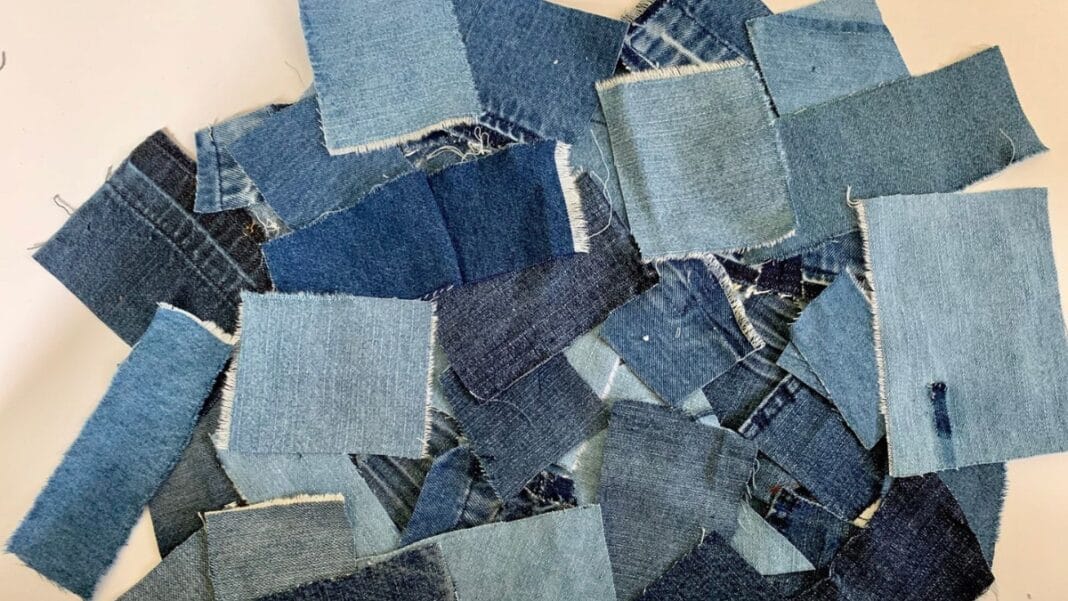
Unstitched jeans fabric refers to raw denim or denim fabric that hasn’t been sewn into a pre-made garment yet. This fabric is sold by the meter or yard, and buyers can use it to create their own jeans, skirts, jackets, and other denim apparel. For fashion enthusiasts and tailors, unstitched denim offers the freedom to customize cuts, styles, fits, and finishes according to individual preferences. The ability to choose the fabric weight, texture, and color means that one can create truly unique denim pieces that are hard to find in ready-made clothing.
Types of Unstitched Jeans Fabric
When it comes to unstitched jeans fabric, not all denim is created equal. There are various types of denim that you can choose from depending on your project’s requirements. Here are some of the most common ones:
1. Raw Denim
Raw denim is unwashed and untreated denim fabric that retains its natural starchiness and rigidity. It is popular for creating durable jeans with a deep, rich color that improves with wear. Over time, raw denim molds to the shape of your body, providing a personalized fit. Raw denim is perfect for those who want to create a pair of jeans that will age beautifully with distinct fade patterns.
2. Pre-washed Denim
Pre-washed denim has undergone a washing process to soften the fabric and reduce the shrinkage that occurs with raw denim. It is softer to the touch and is often easier to work with, making it ideal for beginners or those who prefer not to deal with the stiffness of raw denim. Pre-washed denim comes in a variety of colors and textures, providing options for both casual and semi-formal wear.
3. Stretch Denim
Stretch denim contains a small percentage of elastane or spandex, making the fabric more flexible and stretchy. This type of fabric is perfect for creating jeans with a comfortable fit, as it offers increased mobility and shape retention. Stretch denim is ideal for those who want a more form-fitting, body-hugging look without compromising on comfort.
4. Selvage Denim
Selvage denim refers to a premium type of denim made on traditional shuttle looms. The edges of this fabric are finished with a clean, tightly woven band called the selvage, which prevents the fabric from unraveling. Selvage denim is considered to be of higher quality and is often associated with long-lasting, durable jeans. It’s perfect for creating jeans that are both stylish and built to last.
5. Denim with Prints or Embellishments
If you’re looking for a more decorative touch to your custom jeans, unstitched denim fabrics are also available with various prints, patterns, and embellishments. This type of denim allows you to create unique, personalized pieces, whether it’s a pair of jeans with floral embroidery, subtle acid-wash effects, or trendy camouflage prints.
Key Factors to Consider When Choosing Unstitched Jeans Fabric
Selecting the right fabric for your custom jeans requires careful consideration of various factors. To ensure your final creation is comfortable, durable, and stylish, keep these key points in mind:
1. Fabric Weight
Denim fabric comes in different weights, typically measured in ounces per yard. The weight of the fabric will influence the final feel and durability of your jeans. Light-weight denim (around 6-8 oz) is suitable for casual, lightweight jeans or summer wear, while heavy-weight denim (over 12 oz) is more durable and perfect for creating sturdy, long-lasting jeans suitable for colder climates.
2. Texture and Finish
The texture of the denim fabric plays a crucial role in how the final garment feels and looks. Some fabrics have a smooth finish, while others may have a rougher, more rugged texture. Additionally, you can choose between raw, brushed, or stone-washed finishes, which all contribute to the overall aesthetic. A stone-washed finish, for example, will give the fabric a faded, vintage look, while raw denim will maintain its deep blue shade and stiff feel.
3. Stretch and Comfort
If comfort is a priority, consider opting for stretch denim. Stretch denim provides a comfortable, form-fitting fit and retains its shape after repeated wear. It’s perfect for those who want to combine style with everyday wearability. On the other hand, if you prefer a more rigid fit, non-stretch denim will give you the classic, sturdy feel of traditional jeans.
4. Color and Dye
The color of your unstitched denim fabric sets the tone for your project. While classic indigo blue is the most traditional choice, denim fabrics come in a variety of shades, including black, grey, and white. You can even find denim with unique dye treatments like acid wash or bleach splashes. Choose a color that suits your personal style or experiment with different shades to create a trendy, customized look.
5. Durability
If you’re planning on making jeans that will last for years, opt for a heavier, more durable denim like selvage or raw denim. These types of denim are known for their sturdiness and ability to develop unique fade patterns over time. On the other hand, if you’re looking to create something more fashion-forward and lightweight, pre-washed denim might be the better option.
How to Choose the Right Unstitched Jeans Fabric for Your Project
When you’re ready to start your jeans project, follow these tips to ensure that you select the best fabric for your needs:
1. Define Your Style and Fit
Before purchasing fabric, decide on the style of jeans you want to create—skinny, straight, bootcut, or flared. Each style may require different fabric characteristics, such as the amount of stretch or the weight of the denim. A lighter weight denim may be ideal for skinny jeans, while a heavier fabric works better for wide-leg or flared jeans.
2. Consider Your Skill Level
If you’re a beginner, opt for a pre-washed or stretch denim fabric, as it will be easier to work with and more forgiving in terms of fit. Experienced tailors may enjoy the challenge of working with raw or selvage denim, which requires more precision but offers a superior, long-lasting result.
3. Test the Fabric
Before committing to buying a large amount of fabric, it’s always a good idea to test a small sample of the denim. Wash it to see how it holds up after a few washes and check for any shrinkage or color fading. This will help you make sure the fabric is up to the task of creating high-quality jeans.
4. Check the Fabric Composition
Pay attention to the fabric composition. Denim blends with cotton, polyester, and elastane or spandex provide varying degrees of durability, stretch, and comfort. If you’re looking for a blend that offers more flexibility and comfort, look for a small percentage of elastane or spandex in the fabric mix.
Practical Tips for Working with Unstitched Jeans Fabric
Now that you’ve chosen the right fabric, here are some practical tips to help you make the most of your unstitched jeans fabric:
- Use quality sewing tools: Invest in high-quality sewing machines, denim needles, and thread to ensure a clean and durable finish.
- Pre-wash your fabric: Always wash your denim fabric before cutting or sewing. Denim has a tendency to shrink, and washing it beforehand will prevent unwanted surprises.
- Reinforce stress points: Denim is a sturdy fabric, but areas like the crotch, pockets, and waistband can benefit from extra reinforcement, such as rivets or bar-tack stitching.
- Press your seams carefully: Take your time to press each seam during the construction process. Pressing helps create sharp, neat edges and gives your jeans a professional finish.
Common Myths About Unstitched Jeans Fabric
While working with unstitched jeans fabric can be rewarding, there are a few myths that may discourage people from giving it a try. Let’s clear up some of the most common misconceptions:
Myth 1: Unstitched Denim is Difficult to Work With
While it may seem intimidating at first, working with unstitched denim is no more difficult than any other fabric. With the right tools and techniques, even beginners can create beautiful, custom-made jeans.
Myth 2: All Denim is the Same
Denim comes in a wide variety of weights, textures, and finishes. It’s important to choose the right type of denim based on your desired style, comfort level, and the climate you’ll be wearing your jeans in.
Myth 3: Unstitched Jeans Fabric is Too Expensive
While high-quality denim, such as selvage or raw denim, may cost more, unstitched jeans fabric is available in a wide range of prices. Affordable options like pre-washed denim are great for those on a budget.
Conclusion
Unstitched jeans fabric offers endless possibilities for creating custom-made denim garments. By understanding the different types of denim available, considering important factors like fabric weight, texture, and comfort, and following practical tips for working with denim, you can create jeans that are unique to your style and fit. Whether you’re a novice or an experienced tailor, choosing the right unstitched denim fabric is essential to achieving the perfect pair of jeans that will not only look great but also last for years.
FAQs
Raw denim is untreated and more rigid, allowing it to mold to your body over time. Pre-washed denim has been softened through a washing process, making it more comfortable from the start.
Yes! Beginners can easily create jeans from pre-washed or stretch denim. These fabrics are easier to handle and don’t require advanced skills to sew.
Wash your denim fabric according to its specific instructions, and always wash it before cutting or sewing to prevent shrinkage.