


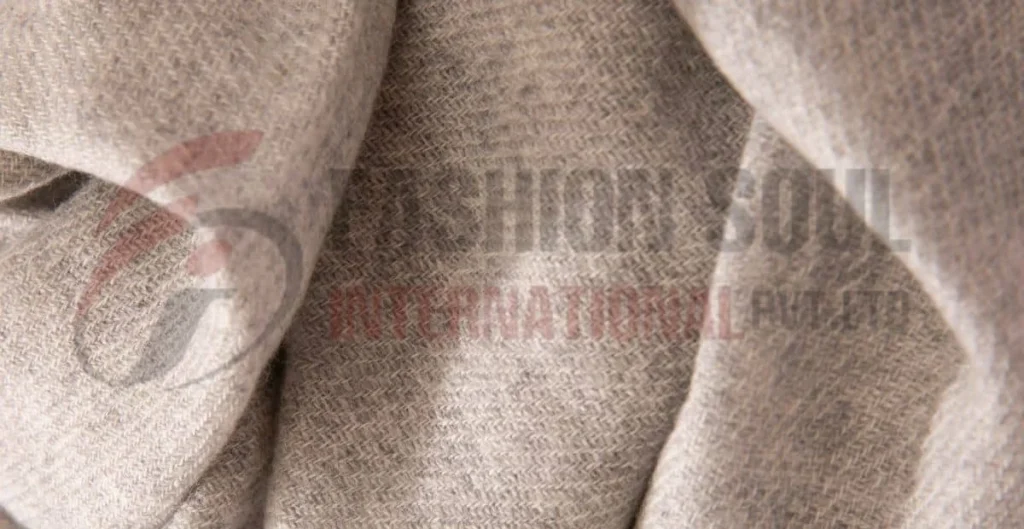
For ages, wool has been considered a coveted fabric material. It’s warm, breathable, and durable which is why it’s commonly found in both clothing and home textiles. Nonetheless, pure wool can be rough, pricey, or hard to take care of. This is when Types of wool blends come in.
When blended with other fibers, wool becomes cheaper, softer, and easier to take care of, and those attributes reduce its weaknesses. This guide focuses on the different types of blends, their advantages, and their best utilisations.
Table of contents
- Types of Wool Blends Explained
- Why are wool blends popular?
- Affordability: Cost Effective Without Sacrificing Quality
- Durability: Stronger and Longer-Lasting Fabrics
- Softness: Enhanced Comfort for Everyday Wear
- Considerable Ease of Maintenance: Dependable Wool Care without Wrinkles and Shrinks
- Functionalism: Blends of Wool for Each Event and Season
- Different Kinds of Wool Blends
- Conclusion
- FAQs
Types of Wool Blends Explained
types of Wool blends refer to fabrics that have been made by intertwining wool with fibers of either natural or synthetic origin. Additionally, these blends enhance the fabric’s overall performance by improving its durability, softness, and versatility. This is done in order to improve the wool’s characteristics such as strength, softness, elasticity, and even price. Wool’s strength can also be enhanced by blending it with specific fibers which improve its properties such as texture and wrinkle resistance.
Wool blends are selected by manufacturers depending on the intended use. There are some blends which are more suitable for warm winter clothes while there are those which are ideal for lightweight fabrics which can be worn throughout the year. Knowing the different Types of wool blends can assist consumers in making better buying decisions for textiles.
Why are wool blends popular?
If you are wondering, then you should explore the practicality Types of wool blends over pure wool. Blends of wool offer the perfect combination of cost effectiveness, durability, softness, easy maintenance, and versatility. These blends improve on the natural features of wool while decreasing its disadvantages. These are some of the main reasons why blends of wool have become popular in the textile industry.
Affordability: Cost Effective Without Sacrificing Quality
One of the most essential reasons understanding Types of wool blends is important is affordability. Additionally, wool blends offer a budget-friendly option without compromising on quality and comfort.Moreover, these blends provide a cost-effective alternative to pure wool while still maintaining warmth and comfort. In addition, obtaining pure wool is always going to incur high costs due to the shearing, cleaning, and spinning of the wool fibers, especially if done with high-quality standards. Wool that is blended with materials such as polyester, acrylic, and cotton enable the production to cut down costs while still providing warmth and comfort.
Wool and polyester and wool and acrylic blends are inexpensive and still boast amazing insulation. Blends enable the widespread use of woolen garments and home textiles. There are many people who love the warmth that comes with wool but have a budget in mind, wool blends are the perfect answer.
Durability: Stronger and Longer-Lasting Fabrics
The different types of wool blends available also help in discovering fabric that can endure greater strain. Traditional wool is usually sensitive, easily stretching or pilling. When blended with strong fibers such as nylon, polyester or linen, however, wool’s strength approaches that of other fabrics.
Wool-nylon blends are excellent for socks and outerwear because they are more resistant to damage than many other materials. Likewise, lightweight suits profit from the using wool-linen blends which are strong but breathable. Wool blends make it possible for garments to retain products’ shape overtime, a valuable characteristic for long term use.
Softness: Enhanced Comfort for Everyday Wear
Everyday comfort is significantly improved for most people, especially since pure wool can often feel too rough and itchy. Thankfully, it is through understanding Types of wool blends that softer and more soothing fabrics have been developed. Furthermore, blending wool with fibers like cashmere, silk, or bamboo not only enhances softness but also makes the fabric much more pleasant to touch. Wool-cashmere blends are popular in ostentatious sweaters and scarves. Softness wool-silk blends brings to suits and dresses increases not only their elegance; they can also be worn more comfortably. Wool-bamboo blends provide a silky soft texture coupled with breathability to skin. Improving comfort while retaining wool’s thermal properties is the hallmark of using these blends.
Considerable Ease of Maintenance: Dependable Wool Care without Wrinkles and Shrinks
Pure wool, unlike other fabrics, requires intricate procedures such as hand washing or dry cleaning. This step is both time and cost consuming. Also, it doesn’t blend well with synthetic fibers. However, with the right maintenance of ease, there is a blend of polyester fabric and wool which comes at hand.
It effectively deals with all the issues of shrinking and wrinkling, making it more suited for office and traveling garments. Moreover, office employees can greatly benefit from this fabric blend by incorporating it into their daily routines for a polished and professional look. Additionally, these can be blended with acrylic and remain machine washable without worrying about shapes being lost.
Functionalism: Blends of Wool for Each Event and Season
The same reasons stand for the two blend extremes of wool and alpaca for winter clothes. They give an impressive deal of comfort while being unbelievably lightweight. While still keeping wool and cotton blends for the incredibly breathable active summer. However, these fabrics aren’t just useful for clothes. Wool blends are highly suited for arm chairs and coverings, which goes to show why blending wool is so popular. Blends of fabrics are the go to option for both clothing and other day to day textiles. read more about refund and returns policy
Different Kinds of Wool Blends
Each type of wool blend has its unique advantages which makes it different from the rest. Here is a list of the most popular ones:
Types of Wool blends and Cotton Blend
As the name suggests, this blend contains both wool and cotton. More importantly, the cotton enhances breathability, allowing for comfort even in moderately warm weather. Additionally, wool-cotton blends have a soft texture, making them incredibly gentle and pleasant on the skin.
Advantages:
- Easy to Carry
Comfortable against the skin
- Less Sensitive than Wool
- Less expensive than pure wool garments
Usual Applications:
- Casual Clothing
- Sweaters
- Bedding and Quilts
Types of Wool blends and Polyester Blend
Types of Wool blended with cotton gives the fabric greater longevity and easier maintenance. It becomes able to resist wrinkles and is much more durable because polyester is a synthetic fiber.
Advantages:
- Resists Wrinkles
- Can withstand laundering better
- Less expensive than 100% wool garments
- Dries rapidly
Usual Applications:
- Dresses and Jackets
- Coats
- Furniture Fabric and Home Interiors
Types of Wool blends and Silk Blend
Silk effortlessly elevates fabrics made of wool by making them even warmer. Additionally, a blend of these two materials creates yarns with higher luster, enhancing the beauty of clothing, which makes it ideal for formal dresses.
Spin the gown around, and behold the wonder of smoothness. And hey, as if that wasn’t impressive enough, try not to notice how incredibly lightweight the fabric is despite its all-consuming warmth. Not to mention, the blend is both well-wicking and highly breathable, ensuring maximum comfort.
Scope of Use:
- Formal suits
- Wraps and scarves
- Skirts and dresses
Types of Wool blends and Acrylic Blend
The fibers of acrylic don’t come cheap themselves. However, the non-wool fibers are a combination of synthetic depictions of wool’s softness and warmth. Moreover, they are blended with Types of wool blends primarily to cut down on expenses, making the fabric more budget-friendly without compromising on comfort.
- Economically friendlier than wool
- Resistant to moths
- Easily washable
- Soft and warm
Common Uses:
- Budget-friendly throws and blankets
- Hats and gloves
- Sweaters
Types of Wool blends and Cashmere Blend
When combined with regular wool, cashmere adds an exceptional amount of softness and warmth while being cheaper than pure cashmere.
Benefits:
- Exceptionally cozy
- Super lightweight
- Ideal for Layering
- Less expensive than pure cashmere
Common Uses:
- High-end fluffy fashion collar sweaters
- Chic scarves
- Outerwear
Types of Wool blends and Nylon Blend
You can ask any avid fashion-loving American, and without a doubt, they will tell you that the strong synthetic fiber known as nylon is wool’s best companion. In fact, this modern combination is taking the textile industry by storm. So, if you’re looking for durability, flexibility, and style all in one, peep this new-age blend and flaunt a mwah mwah-worthy fabric with confidence!
Advantages:
- Increases durability and strength
- Resistant to stretching and loss of shape
- Has low affinity to pilling
Concise, affordable and practical
Frequent Applications:
- Wearing apparel
- Tights and socks
- Sports clothing
Blend of wool and Viscose
Viscose or rayon is slippery and soft which is a semi-synthetic fiber. When blended with wool, it produces a fabric that has an exquisite drape.
Advantages:
- Smooth to touch
- Easy to wear as it is airy and weightless
- Has a good drape for beautiful garments
- Feels great on the skin as it absorbs sweat
Frequent Applications:
- Dresses and skirts
- Fancy blouses
- High end couture
Blend of wool and Alpaca
Compared to normal sheep wool, alpaca wool is much warmer and softer. Its blend, however, gives the fabric a luxurious feel while increasing its warmth.
Advantages:
- Extremely lightweight yet warm
- Soft and hypoallergenic
- Pills less than others
- High durability
Frequent Applications:
- Luxury class winter coats
- Fine knitwear
- Winter gloves and scarves
Blend of wool and bamboo
Bamboo fibers are water absorbent, soft, and antibacterial. Together with wool they form an eco-friendly material that has good airflow.
Advantages:
- Biodegradable and environmentally friendly
- Has inherent antibacterial properties
- Gentle and breathable
- Extracts perspiration from the skin
May be Used For:
- Athletic clothing
- Relaxation wear
- Thin cardigans
Types of Wool and Linen Blend
Because linen is a soft and breathable fiber, it helps the body to ventilate. This blend is true for fabrics which are lightweight but strong at the same time.
Advantages:
- Cool in hot weather
- Has inherent strength
- Better wrinkle recovery than linen
- Viscose linen blends have a distinct textured appearance
May be Used For:
- Lightweight summer business suits
- Lightweight fashion scarves
- Contemporary dresses
Read More>> Is Linen stretchy?
How to Choose the Right Types of Wool Blend
There is no ‘one size fits all’ when it comes to wool blends and choosing one will depend on personal needs. Here are a few pointers:
- For Warmth :When choosing wool blends for warmth purposes, you can go for cashmere, alpaca or acrylic.
- For Durability: Fabrics with a blend of nylon, polyester or linen are considered quite strong.
- For Softness :In order to soften the texture of wool, silk, cashmere or bamboo can be utilized.
- For Affordability :Wool blends with a blend of polyester, acrylic or cotton will help if on a budget.
- For Ease of Care :Blends with an addition of synthetic fibers are more economical with washing and general upkeep.
Conclusion
Being able to differentiate between types of wool blends not only enables better choices regarding fabric uses selection but also ensures that each blend meets diverse needs. Whether you’re looking for warmth, strength, softness, or even cost-effectiveness, there is undoubtedly a perfect types of wool blend for you. Moreover, these blends enhance the already existing advantages of wool, making it even more practical for daily use.
With a deeper knowledge types of wool blends, making informed decisions about materials for garments, home furnishings, and even fashion accessories becomes much easier. Additionally, this understanding allows for better fabric selection based on durability, comfort, and style. Moreover, this expertise ensures that you choose fabrics that best suit your needs in terms of comfort, durability, and style. read more about wool fabrics.
FAQs
Wool blends are fabrics made by mixing wool with other natural or synthetic fibers. These blends enhance durability, softness, affordability, and ease of maintenance while retaining wool’s warmth and breathability.
Understanding types of wool blends shows that they offer many benefits over pure wool, such as increased durability, reduced itchiness, lower cost, and easier care. Wool blends also resist shrinking, wrinkling, and pilling better than pure wool.
Wool is commonly blended with fibers like cotton, polyester, nylon, silk, acrylic, cashmere, alpaca, bamboo, viscose, and linen. Each fiber adds unique qualities to the blend, such as strength, softness, or moisture resistance.