

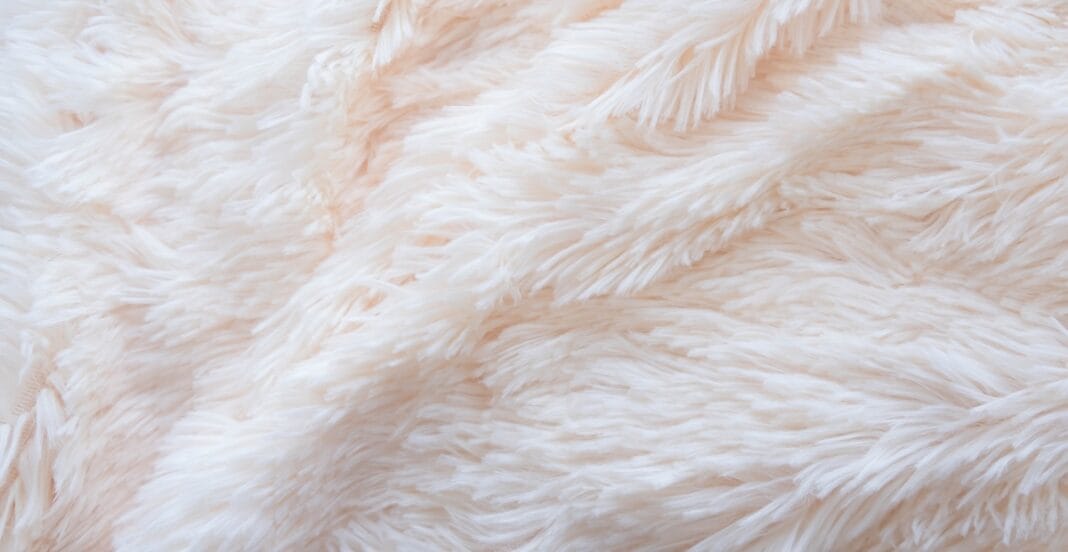
Fuzzy fabric has become a staple in many households, fashion lines, and crafting spaces due to its incredible comfort, versatility, and wide range of uses. From warm, cozy blankets to trendy apparel, the soft texture of fuzzy fabric offers a unique feel that is hard to beat. In this guide, we will dive deep into the world of fuzzy fabrics—exploring their comfort, the many ways they can be used, and how they open up endless possibilities for crafting. Whether you are a DIY enthusiast, a fashion lover, or someone who enjoys creating functional pieces for home decor, fuzzy fabric is a material you’ll want to get familiar with. Let’s take a closer look.
Table of contents
- What Factors Contribute to the Luxurious Feel of types of Fuzzy Fabric?
- What Is the Popularity types of Fuzzy Fabric Today?
- Fleece: Sustained Fuzzy Fabric Innovation for Outdoor Adventures
- Minky: Silky Soft and Loved by Children
- Velour: A Plush Classic That Screams Glam
- Terry Cloth: Absorbent and Hug-Worthy
- Bouqué: Textured Elegance With a Cozy Twist
- Brushed Cotton: Everyday Softness at Its Best
- How to Care for Fuzzy Fabric
- Maintenance of types of Fuzzy Fabric
- Conclusion
- FAQs
What Factors Contribute to the Luxurious Feel of types of Fuzzy Fabric?
Soft to the touch fabrics have a magic all their own. Type of Fuzzy fabrics are a product of the weaving and finishing processes. The texture is created by the small fibers that stand upright from the surface. These fibers, in addition to trapping warm air, also provide softness.
Fuzzy fabrics are not homogenous. Rather, they differ in composition. While some are made of polyester and other synthetic fibers, others are made from natural like cotton fabric. Types of fuzzy fabric are luxurious because of their softness and tactile warmth coupled with their durability. It is like receiving a warm blanket hug.

Plush Fabric Texture vs. Fuzzy Fabric: Key Differences
While both fuzzy fabric and plush fabric texture have similarities, there are some important distinctions. Plush fabric texture generally refers to textiles with a thick, velvety surface, often used in high-end clothing or decor items. The fibers in plush fabrics are typically longer and more densely packed, giving them a smooth, luxurious appearance.
On the other hand, fuzzy fabrics may have shorter fibers that are more dispersed, creating a slightly rougher or “fluffier” feel. This gives fuzzy fabric its signature texture, which can appear more casual and laid-back compared to plush fabric. Both materials are incredibly soft, but plush fabric is often used in premium items, while fuzzy fabric is perfect for more affordable, everyday comfort.
What Is the Popularity types of Fuzzy Fabric Today?
Fuzzy fabrics are everywhere and for good reason. In this modern age, comfort is a sought after commodity. Fashion runways to home interiors, designers love the versatility while crafters appreciate the ease of use. Shoppers adore the feel of these fabrics, adding to their growing popularity.
Types of fuzzy fabrics are no longer just restricted to doll clothing. With remote work gaining traction, items such as slippers, jackets, throws, pet beds and even robes have seen an increase in sales. The fabric has even made its way into streetwear fashion for those looking to make a bold statement.
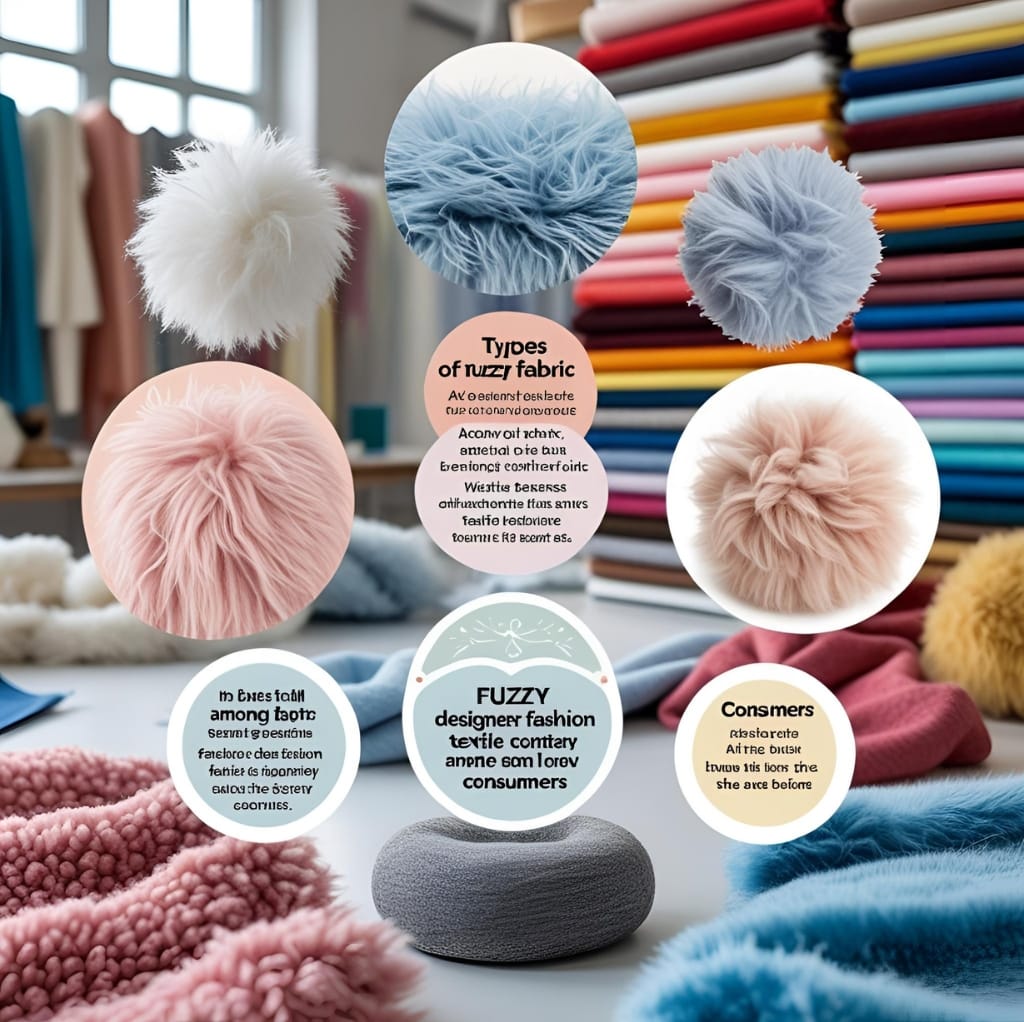
Fleece: Sustained Fuzzy Fabric Innovation for Outdoor Adventures
Fleece epitomizes outdoor snug wear. It is known for its lightness, breathability, and warmth. It is also low on moisture due to its quick drying abilities. This makes fleece fabric of choice for activewear and outerwear.
Fleece is a synthetic fabric, most commonly manufactured from polyester. It mimics wool without any itching. Fleece comes in several forms, including polar, micro, and soft Pile Fabric fleece. Fleece is a preferred material for warm and cozy blankets and zip up jackets due to its synthethic manufactur.

Minky: Silky Soft and Loved by Children
Minky fabric is often used in baby blankets and other children’s products and is known for its minky texture. The Minky is a fabric that is soft to the touch and plush on one side while having a smooth and almost slippery half on the other.
The Minky composed of polyester which makes it hypoallergenic, making it as great for babies as it is for adults. Minky is available with textured raised dots, embossed patterns, or even a ribbed finish. Its cooling touch, alongside warmth on the skin makes it ideal for cuddles.

Velour: A Plush Classic That Screams Glam
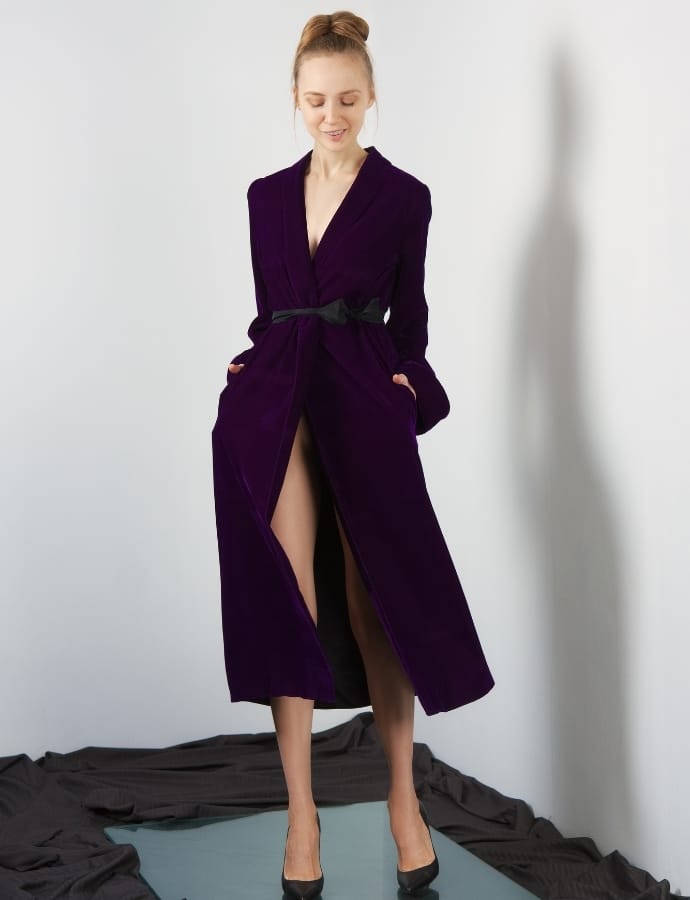
Velour Fabric screams glam, as its a fuzzy fabric that is stylish and dramatic. Its rich and thick but has a stretchy element which makes it resemble knit fabric. These qualities make velour popular among elegant loungewear, dance costumes, and even fashionable tracksuits.
A dense pile characterizes velour, which refers to a fuzzy surface that is thick and smooth. As its known for catching light, it adds glamour when worn. Velour enhances the comfort zone of the users by bringing a touch of sparkle and is a great option for those seeking to glamorize their loungewear.—
Terry Cloth: Absorbent and Hug-Worthy
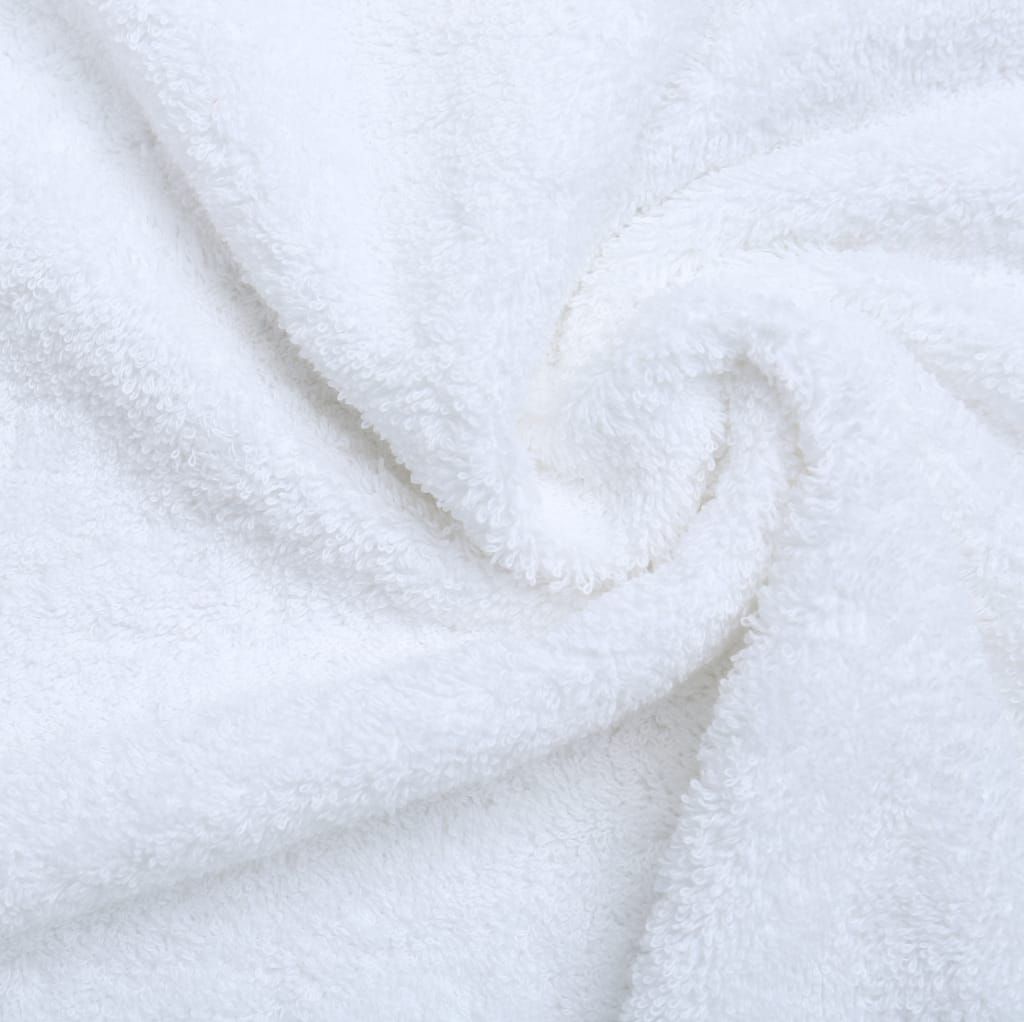
Terry cloth is a fuzzy fabric used in spa wear, bathrobes, and towels. Its looped pile surface is both soft and fluffy, and helps absorb water.
Terry is mainly cotton, which makes it breathable and skin-friendly. Some luxury robes boast an ultra-thick fiber terry that hugs the body like a warm gentle squeeze after a bath. While not glamorous like velvet, it embodies pure, honest comfort.
Bouqué: Textured Elegance With a Cozy Twist
Bouqué jackets and chairs are an epitome of modern luxury. This bumpy and fuzzy surface comes from looped yarns which make bouqué fabric. Textured elements add grace to any outfit or interior piece.
Considering overwearing blankets like fleece or minky, bouqué could be described as cozier. It strongly appeals to high fashion designers and interior decorators as it combines timeless elegance with a soft touch.

Brushed Cotton: Everyday Softness at Its Best
Pajamas, bedsheets, and casual shirts are pieces made from brushed cotton which is a gentle fuzzy cloth. It’s achieved by lightly brushing the fabric surface to raise tiny fibers.
It can be washed and is breathable, and eco-friendly if organic cotton is used. What makes brushed cotton unique is the simple luxury it offers; it is not until you put on a cozy hoodie or brushed cotton sheets that you realize how much you appreciate it.
How to Care for Fuzzy Fabric
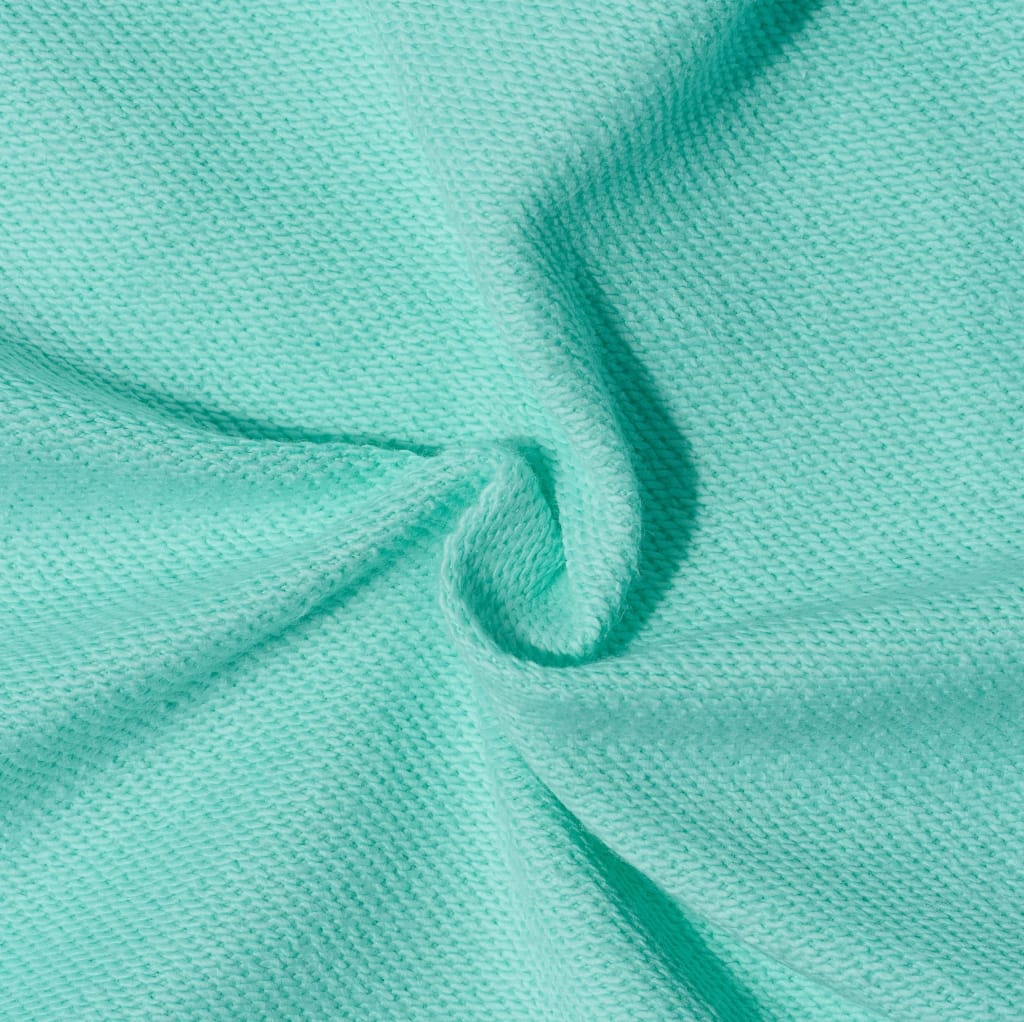
Caring for fuzzy fabric is relatively simple, but it’s important to follow the correct guidelines to preserve its softness and texture. Here are a few tips to help maintain fuzzy fabric’s integrity:
- Machine Wash Cold: Always wash fuzzy fabric in cold water to prevent it from losing its texture. Hot water can cause the fibers to shrink or become damaged.
- Gentle Cycle: Use a gentle cycle on your washing machine to avoid causing friction that can lead to the fabric becoming rough or matted.
- Avoid Fabric Softener: While it may seem counterintuitive, fabric softeners can sometimes reduce the fluffiness of fuzzy fabric. Opt for a gentle detergent that’s designed for delicate materials instead.
- Air Dry: Whenever possible, air-dry your fuzzy fabric items. The heat from a dryer can cause the fibers to flatten and lose their softness. If you must use a dryer, select the lowest heat setting and remove the items promptly.
By following these care tips, you can keep your fuzzy fabric items feeling soft and comfortable for a long time.
Maintenance of types of Fuzzy Fabric
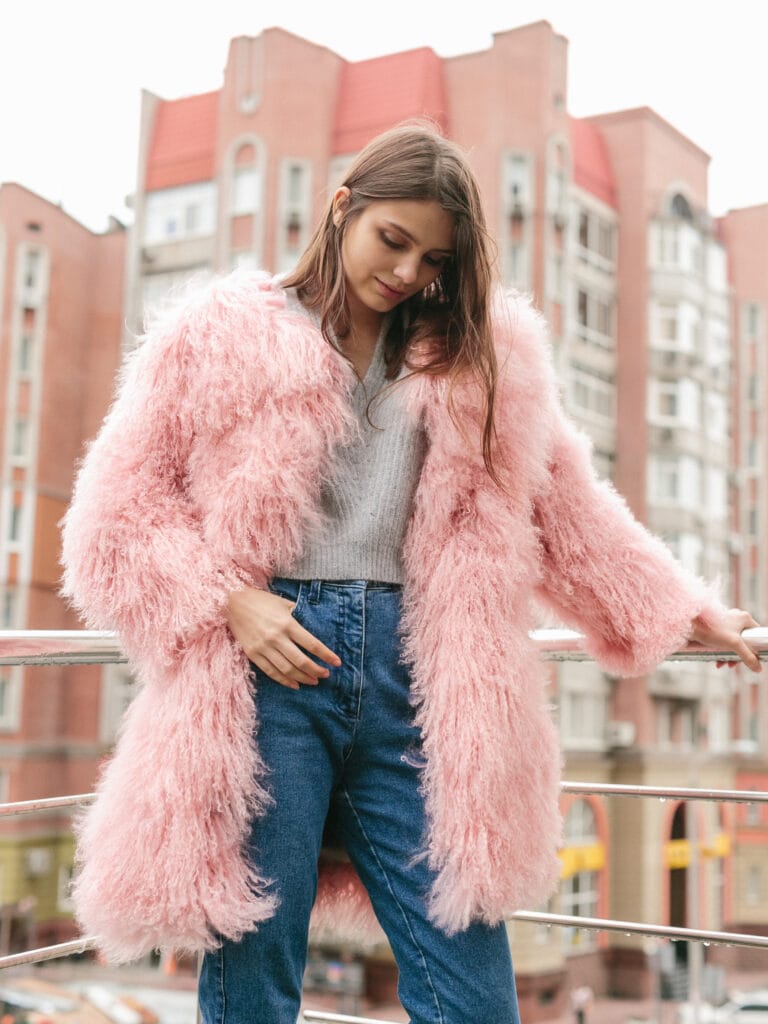
To maintain softness, type of fuzzy fabrics require care. Always check the care label.You can wash most fuzzy materials like minky, Soft Pile Fabric, and fleece in a machine, but make sure to dry them on low heat. Use gentle soap, and avoid fabric softener because it coats the fibers and reduces their softness.
Use a wide-tooth comb to brush faux fur. Air dry velour and chenille. To avoid stretching, store them folded instead of hung. Proper maintenance ensures long-lasting luxury.
Conclusion
Fuzzy fabric is a versatile, comfortable, and incredibly popular material that has earned its place in both the fashion and crafting industries. From cozy clothing and home decor to innovative DIY projects, fuzzy fabric opens up a world of possibilities. Its plush fabric texture makes it a sought-after option for anyone looking for warmth, comfort, and style.
Now that you know everything about fuzzy fabric—its comfort, uses, and crafting potential—you can confidently incorporate this material into your wardrobe, home, or next crafting project. Whether you’re a fashion enthusiast, a DIY lover, or simply someone who enjoys cozy comforts, fuzzy fabric is a material that’s here to stay. Happy crafting!
FAQs
Minky fabric is considered the softest. It’s smooth, plush, and perfect for cuddling.
Yes, especially natural options like brushed cotton or high-quality fleece. Always check for hypoallergenic labels.
Minky and organic brushed cotton are best. They’re soft, non-irritating, and easy to wash.