

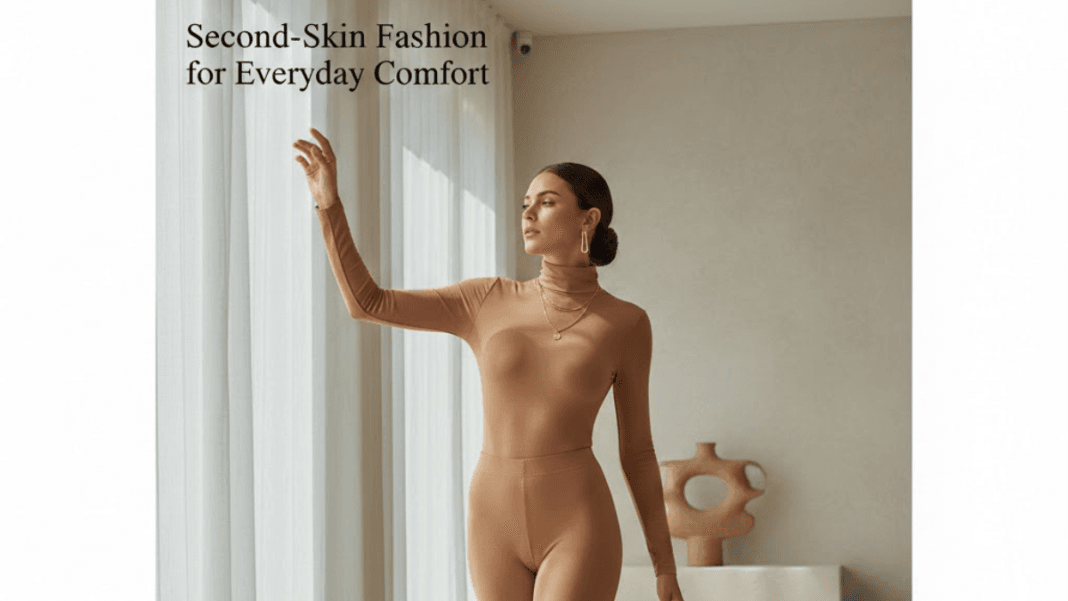
Fashion no longer asks women to choose between looking good and feeling good. Instead, Second-Skin Fashion is quietly transforming wardrobes by making clothing feel almost invisible while still looking intentional, refined, and modern. In 2025, this trend isn’t just about softness—it’s about intelligent design that moves with the body, adapts to daily life, and reflects a deeper shift toward comfort-driven luxury.
As lifestyles become more fluid, fashion is following suit. Women now expect their clothes to support long days, changing roles, and personal expression without restriction. That is precisely where second-skin fashion finds its power.
Table of contents
Why Second-Skin Fashion Is Gaining Momentum in 2025
Second-Skin Fashion has surged because consumer priorities have evolved. According to global apparel reports published in late 2024, over 62% of women now prioritize comfort and fabric feel over trend visibility when purchasing clothing. As a result, designers have shifted their focus toward garments that contour naturally without compression or stiffness.
Moreover, hybrid lifestyles—remote work, flexible schedules, and wellness-centered routines—have made restrictive clothing feel outdated. Second-skin silhouettes answer this shift by offering stretch, breathability, and softness while still maintaining a polished aesthetic. Consequently, fashion feels more personal, less performative, and far more wearable.
The Fabric Science Behind This Fashion
At the heart of Second-Skin Fashion lies innovation in textiles. Brands are increasingly using modal blends, bamboo viscose, recycled elastane, and next-generation microfibers that replicate the feel of natural skin. These fabrics regulate temperature, wick moisture, and stretch without losing shape.
In 2025, fabric technology has advanced to the point where garments adapt to body movement rather than resist it. Additionally, seamless knitting and laser-cut construction eliminate friction points, making clothes feel smoother against the skin. Because of this, second-skin pieces work exceptionally well for long wear, travel, and all-day transitions.
How Second-Skin Fashion Fits Modern Silhouettes
Rather than clinging tightly, Second-Skin Fashion focuses on gentle contouring. The goal is not to shape the body aggressively, but to follow it naturally. This approach aligns with the broader movement toward body-positive design and inclusive sizing.
From fitted long-sleeve tops to soft leggings, ribbed dresses, and stretch bodysuits, second-skin silhouettes offer structure without rigidity. Importantly, these pieces layer effortlessly, making them foundational items rather than standalone statements. As a result, wardrobes feel lighter, more functional, and easier to style.
The Role of Second-Skin Fashion in Everyday Dressing
Second-Skin Fashion excels because it blends into daily life without demanding attention. Women wear it to work, while traveling, during casual outings, and even for evening layering. This versatility explains why capsule wardrobes increasingly include second-skin essentials.
Furthermore, these garments support movement and posture, which aligns with wellness-focused lifestyles. As athleisure continues to evolve, second-skin fashion bridges the gap between activewear and refined dressing. Therefore, it becomes a reliable choice for women seeking consistency across different settings.
Sustainability and Second-Skin Fashion
Sustainability plays a significant role in the rise of Second-Skin Fashion. Because these garments are designed for longevity and repeated wear, they naturally support slow fashion principles. Many brands now produce second-skin basics using low-impact dyes, closed-loop production systems, and biodegradable fibers.
In addition, consumers are buying fewer but better pieces. This shift reduces wardrobe waste and encourages mindful consumption. As sustainability regulations tighten globally in 2025, second-skin fashion aligns well with both ethical expectations and environmental responsibility.
Why It Represents the Future of Style
Second-Skin Fashion reflects a deeper cultural shift. Instead of dressing to impress, women are dressing to feel aligned with themselves. This trend prioritizes ease, confidence, and authenticity over excess.
Looking ahead, industry analysts predict that second-skin silhouettes will remain relevant well beyond 2025 because they adapt to changing lifestyles rather than seasonal trends. As fashion becomes more intuitive and user-centric, clothing that feels like a natural extension of the body will continue to lead.
Ultimately, Second-Skin Fashion isn’t just a trend—it’s a response to how women live now. And that is precisely why it resonates so strongly.
FAQs
- What is second-skin fashion?
Second-skin fashion refers to clothing designed to feel lightweight, flexible, and natural on the body, closely following movement without restriction. - Why is second-skin fashion trending in 2025?
In 2025, comfort-driven luxury dominates fashion. Second-skin styles meet demand for soft fabrics, versatile wear, and wellness-focused dressing. - Is second-skin fashion suitable for everyday wear?
Yes. These garments are designed for long hours, daily activities, and layered styling, making them ideal for modern lifestyles.