

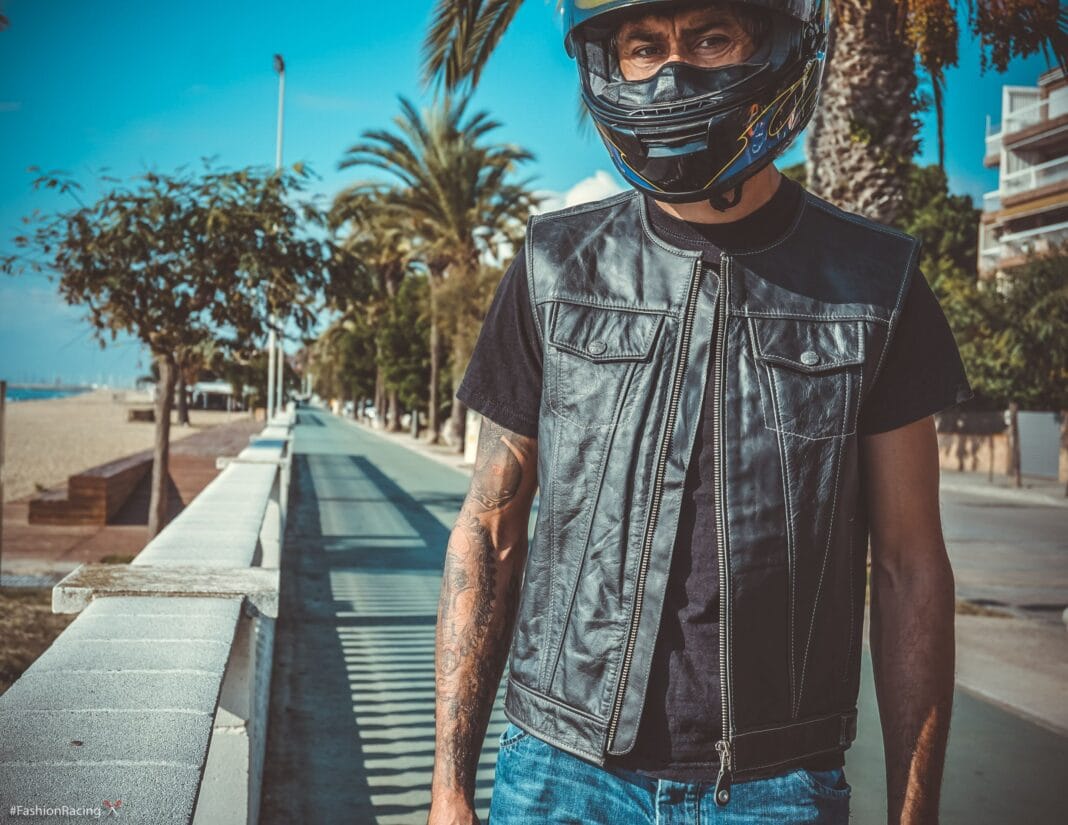
A riding vest is more than a piece of gear that adds style to your look. For most riders, the vest becomes a practical companion on the road. It holds essentials, protects important items, and gives immediate access to tools, documents, and personal belongings. Yet, despite the importance of storage, many vests fall short in functional pockets and smart compartment placement.
Understanding which storage features matter most can help you choose a vest that works with you on the road rather than limiting you. This guide breaks down the storage features riders truly need and explains why many vests on the market miss these critical details.
Why Storage Matters More Than Most Riders Realize
When you ride, every inch of space counts. Riders do not have the luxury of large storage like car drivers. Instead, they rely on pockets, small bags, and strategic compartments. The vest becomes a central place to store quick-access items like wallets, gloves, knives, keys, pens, and documents. Good storage makes your ride smoother, safer, and more efficient.
A men’s leather biker vest with the right pockets feels like a personalized tool. It helps you reach what you need without stopping or digging through saddlebags. Unfortunately, many vests focus only on looks and ignore real-world storage needs. Riders who spend hours on highways or frequently travel long distances understand the value of smart pockets more than anyone.
The Most Essential Storage Features Riders Need
1. Deep Front Slant Pockets
- Easily accessible while seated
- Secure placement for small items
- Designed to prevent contents from falling out
Front slant pockets are among the most critical storage elements in a vest. They allow riders to grab small items without fully unzipping or removing the vest. The depth and angle help keep objects secure even during high wind or long-distance travel. Many riders use these pockets for phones, sunglasses, or spare gloves. However, shallow pockets or poorly angled designs fail to hold items safely. Vests that include deep, reinforced slant pockets make everyday riding much more convenient and reduce the risk of losing essential belongings on the road.
2. Interior Concealed Pockets
- Hidden pockets inside the vest
- Designed for privacy and security
- Can store essential items discreetly
Interior concealed pockets provide a level of security that outer pockets cannot match. Riders often store valuable items inside these pockets, such as wallets, important papers, or emergency tools. A well-placed concealed pocket protects contents from theft, weather damage, and road dust. Many vests either ignore this feature or add pockets that are too small to be useful. A full-size interior pocket enhances practicality by providing riders with a dedicated space for sensitive items that should not be exposed or easily accessible to others.
3. Dedicated Document Pockets
- Flat design for papers and permits
- Helps protect documents from bending
- Easy access when needed
Riders frequently need documents such as registration papers, permits, identification, and insurance cards. A document pocket designed to hold flat items keeps everything organized and prevents crumpling. Without this feature, riders often fold papers and squeeze them into small pockets, which can damage important documents. Including a slim, flat internal document pocket solves this issue and helps riders find paperwork quickly during stops or inspections.
4. Secure Chest Pockets
- Zipper or snap closure
- Positioned for quick access
- Ideal for carrying small essentials safely
Chest pockets are practical because they are easier to reach while seated. They also offer safer storage than open side pockets because they usually include closures. These pockets keep items like card holders, lighters, or compact tools secure during rides. The problem is that many vests include decorative chest pockets that look good but cannot hold anything useful. A functional chest pocket should be deep enough and include a secure closure to ensure nothing gets lost during the ride.
5. Built-In Holster or Concealed Carry Compartments
- Designed to hold self-defense tools
- Includes retention straps
- Reinforced for safety
Many vests marketed to riders feature concealed carry pockets, but not all are well designed. A proper concealed carry compartment includes a reinforced lining, consistent structure, and retention straps to hold the tool in place. Poorly designed versions are either too loose or too thin, compromising safety. Deep, structured concealed carry pockets provide reliable storage and prevent uncomfortable shifting. This type of pocket is also useful for holding items such as mobile phones, radios, or compact devices that require structured support.
6. Dual Storage Compartments
- Two-layer pockets
- Allows separation of items
- Improves organization
Dual storage pockets help riders avoid clutter by separating items. Many riders carry small objects that can easily get mixed up. Having two pockets within the same compartment helps keep things organized and easy to reach. While this feature is extremely useful, many vests skip it to focus on style. Riders who want a more structured layout benefit greatly from dual compartments, especially when carrying multiple small essentials.
7. Smart Back Utility Pockets
- Large, flat pockets on the back of the vest
- Suitable for maps, lightweight rain covers, or documents
- Hidden under the back panel for discreet storage
Back utility pockets are standard in outdoor and tactical gear, but are rarely included in motorcycle vests. These pockets add significant storage space without affecting the front profile. They allow riders to carry thin but important items without affecting comfort. For long-distance riders, this can be an excellent way to store emergency paperwork or foldable rain protection. Even though the feature is practical, many brands avoid it because it requires additional stitching and careful design.
Why Many Vests Miss These Essential Storage Features
Even though storage is crucial for riders, many vests lack proper pockets. This happens for a few reasons:
1. Fashion-First Designs
Many brands prioritize appearance over function. They focus on the look of the vest, choosing slim or minimal designs that limit space for proper pockets. While they look stylish, they do not support real road use. Riders often buy these vests for their aesthetic, but later realize the layout does not meet their needs when riding long distances.
2. Cost Cutting in Manufacturing
Storage design requires more stitching, materials, and craftsmanship. Some manufacturers reduce these elements to keep costs low. That leads to vests with fewer pockets or shallow compartments that cannot hold anything important. Cheaper vests often skip interior pockets entirely to save production time. A well-made vest, such as a mens leather motorcycle vest, invests in proper storage construction that stands up to real use.
3. Lack of Real Rider Input
Many companies do not consult riders when designing their vests. As a result, they miss key details that only real riders understand. Pockets must be placed where riders can reach them easily during a stop or even while seated. Without practical input, features become either decorative or inconvenient. A functional riding vest requires thoughtful engineering informed by actual riding experience.
4. Poor Pocket Structure
Some vests include pockets without reinforcement. This leads to sagging, stretching, or tearing after minimal use. Reinforced seams, thick linings, and structured interiors are necessary to make pockets durable. When manufacturers skip those details, pockets become unusable long before the vest wears out. Proper structure also ensures items stay secure during rides, even at high speeds.
How to Choose a Vest With the Right Storage Features
Choosing a vest with adequate storage begins with understanding your riding habits. Long-distance riders need more secure and spacious pockets, while city riders may need quick-access compartments. Look for vests with reinforced pocket construction, practical positioning, and a variety of pocket types. The more thought that goes into the layout, the more reliable the vest will be in real use.
Storage should never compromise comfort or safety—a good vest balances both by evenly spacing pockets, including secure closures, and avoiding excessive bulk. Test the pocket placement to ensure you can reach them easily while wearing gloves. Check that the interior compartments have solid stitching and durable backing material to prevent tearing.
Final Thoughts
Storage is one of the most valuable features of a riding vest, yet many brands fail to include the pockets and compartments riders truly need. From deep slant pockets to hidden interior compartments, the best vests support real-life riding situations and provide reliable organization for essentials.
If you want a vest with practical storage, durable construction, and real-world functionality, explore Best Leather NY. Their collection includes well-built options with innovative pocket layouts designed for riders who value both protection and convenience. Contact Best Leather NY today and find a vest that offers the hidden storage features every rider deserves.