

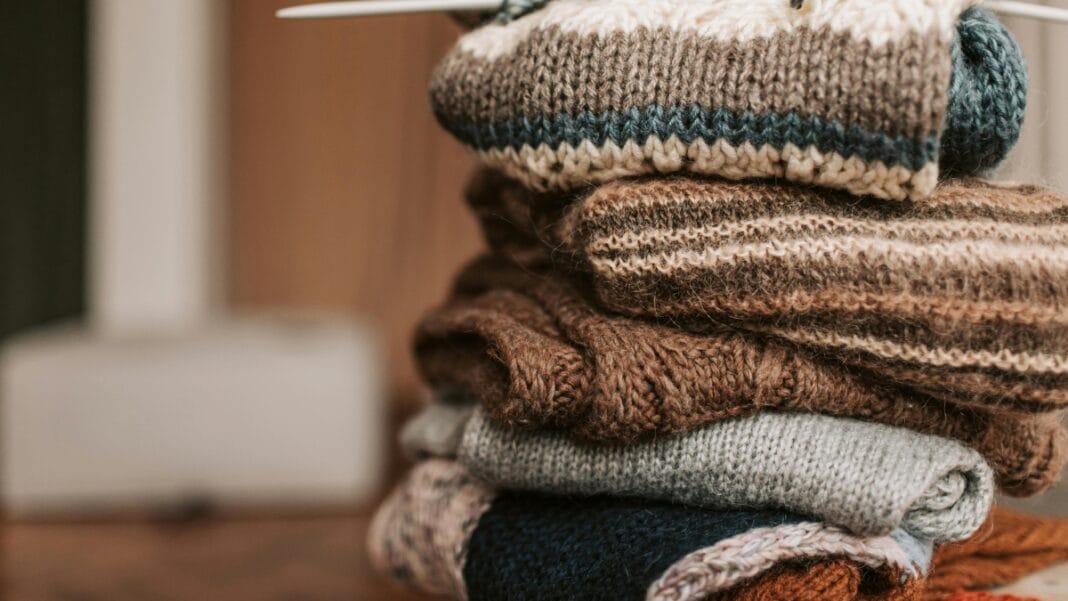
Knit fabric is a common fabric in today’s fashion, as designers appreciate the comfort, flexibility, and easy style that knit fabrics provide. Today, people use knit material in everyday attire, activewear, and fine garments. In fact, many people prefer knit material, knit textile, and stretch knit fabric because these fabrics move easily with the body. Therefore, fashion brands choose knit textile more often for comfort-based designs. This guide explores knit material types, benefits, and styling ideas.
Table of contents
- What Is Knit Fabric?
- How Knit Fabric is Different to Woven Fabric
- A Brief History of Knit Fabric
- Why Knit Fabric Became Popular in Fashion
- The Basic Structure of Knitted Fabric
- Types of Knit Textile
- Common Fibers of Knit Textile
- Key Benefits of Knit Fabric
- Knit Material in Everyday Clothing
- Styling Ideas Using Knit Fabric
- Caring for Knit Material
What Is Knit Fabric?
Manufacturers create knit material with yarn loops that connect together using needles or machines. This looping process produces knit textile structures that allow flexibility. Because the loops stretch easily, knit material provides more comfort than woven fabrics. Additionally, manufacturers design many types of stretch knit textile for activewear clothing. Therefore, designers use knit material for casual wear and performance wear.
How Knit Fabric is Different to Woven Fabric
Knit fabric differs from woven fabric because knit structures use loops instead of tight cross threads. As a result, knit material stretches naturally and moves with the body. In contrast, woven fabrics often feel stiff and restrictive. Therefore, designers choose knit material, knit textile, and stretch knit material when flexibility matters. For this reason, knit clothes usually feel softer and more comfortable.
A Brief History of Knit Fabric
Knit material history goes far back, reaching thousands of years into the past. Early artisans created garments by hand knitting using needles and wool yarn. Later, knitting machines revolutionized textile production. Consequently, manufacturers expanded knit textile production across the world. Today, modern factories produce advanced stretch knit material for fashion and sportswear. Therefore, knit textile remains an important part of the global clothing industry.
Why Knit Fabric Became Popular in Fashion
Knit fabric became popular because comfort became a major fashion priority. Today, consumers prefer clothes that move easily with their bodies. Therefore, brands increasingly rely on knit material, knit textile, and stretch knit material for modern clothing lines. Moreover, knit material works well for casual outfits, activewear, and streetwear trends. For this reason, knit fashion continues to dominate wardrobes worldwide.
The Basic Structure of Knitted Fabric
Knit material contains interlocking loops of yarn that create flexibility. These loops form rows called courses and columns called wales. Because the loops move easily, knit textile stretches naturally. Therefore, stretch knit material fabric adjusts to body movement. This structure explains why knit material feels soft, breathable, and comfortable.
Types of Knit Textile
Weft Knit Fabric
Manufacturers produce weft knit material when yarn loops run horizontally across the fabric. Most T-shirts use this knit textile structure. Because weft knitting allows flexibility, stretch knit fabric garments feel extremely comfortable. In addition, weft knit material production costs remain relatively low. Therefore, brands use this knit material type on a large scale.
Warp Knit Fabric
Manufacturers create warp knit material using vertical yarn loops. This technique produces stronger knit textile structures. Consequently, warp knit textile resists stretching and tearing better than weft versions. Many sports garments use this stretch knit material variation because it offers durability and performance.
Rib Knit Fabric
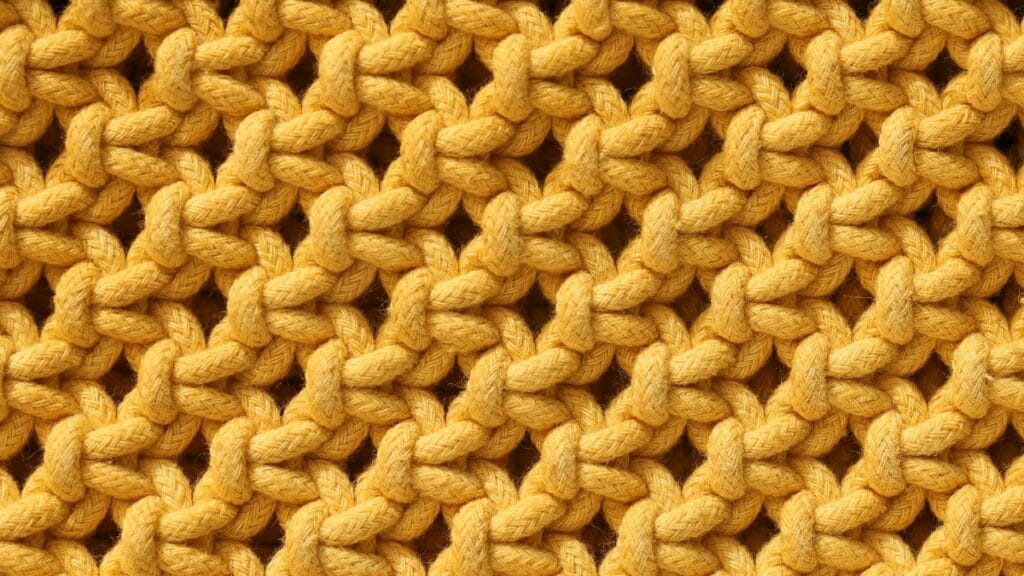
Rib knit material has vertical ridges that improve stretch and shape recovery. Designers use rib knit material for cuffs, collars, and fitted clothing. Because rib structures expand easily, this stretch knit material works perfectly for form-fitting garments.
Interlock Knit Fabric
Interlock knit material provides a thick and smooth knit textile structure. Designers love this knit material because it creates a polished and luxurious look. In addition, interlock fabric stretches moderately and keeps its shape well. Therefore, many premium knit material garments use interlock construction.
Jersey Knit Fabric
Jersey knit material remains one of the most common types of knit textile. Designers often use jersey knit material in T-shirts, dresses, and loungewear. Because jersey fabric feels lightweight and breathable, consumers prefer it for everyday clothing.
Common Fibers of Knit Textile
Cotton Knit Material
Cotton knit textile offers softness and breathability. Many casual outfits use cotton knit material because it feels gentle on the skin. Additionally, cotton knit textile absorbs moisture well. Therefore, cotton stretch knit material suits warm-weather clothing.
Polyester Knit Material
Polyester knit material provides durability and wrinkle resistance. Many activewear brands choose polyester knit textile because it dries quickly. Moreover, polyester stretch knit textile keeps its shape after many washes.
Wool Knit Material
Wool knit material provides warmth and insulation. Winter clothing often uses wool knit material because it traps body heat effectively. In addition, wool knit textile remains breathable and comfortable.
Blended Knit Material
Blended knit textile combines two or more fibers to improve performance. Many designers mix cotton and polyester in knit textile production. Consequently, blended stretch knit material balances comfort, durability, and elasticity.
Key Benefits of Knit Fabric
Exceptional Comfort
Knit textile feels extremely comfortable because its looped structure stretches naturally. Therefore, knit material adapts easily to body movement. Additionally, stretch knit material prevents stiffness in clothing.
Breathability and Flexibility
knit material allows air to pass through its loops. As a result, knit textile garments feel breathable and lightweight. Moreover, stretch knit textile supports active lifestyles.
Wrinkle Resistance
Knit fabric rarely wrinkles because its loops absorb movement easily. Therefore, knit material clothes require less ironing. This feature makes knit garments perfect for travel.
Versatility in Fashion
Designers use knit textile for many clothing types. Casual wear, sportswear, dresses, and sweaters often use knit textile structures. Consequently, stretch knit material supports endless design possibilities.
Knit Material in Everyday Clothing
Knit fabric appears in many everyday garments. T-shirts, hoodies, leggings, and sweaters use knit material structures. Because stretch knit material offers flexibility, people wear it comfortably all day. Therefore, knit textile clothing remains essential in modern wardrobes.
Knit Fabric in Sportswear
Athletic brands rely heavily on knit textile technology. Stretch knit material improves mobility during workouts. In addition, knit textile fabrics wick moisture and remain breathable. Therefore, athletes prefer knit material for performance clothing.
Knit Material in Luxury Fashion
Luxury designers also embrace knit material innovation. Premium brands create advanced knit textile patterns for stylish garments. As a result, luxury stretch knit fabric pieces combine comfort with high fashion.
Styling Ideas Using Knit Fabric
Casual Styling with Knit Material
Casual outfits often include comfortable knit material clothing. Pair a knit textile T-shirt with denim jeans. In addition, layer knit sweaters over simple outfits. These knit textile pieces create relaxed yet stylish looks.
Layering Knit Material for Fall
Layering improves knit fabric styling during colder seasons. Combine stretch knit material sweaters with jackets or coats. This approach adds warmth while keeping flexibility.
Elegant Knit Textile Outfits
Knit textile dresses create stylish yet comfortable outfits. Many designers produce fitted knit textile dresses for formal occasions. Therefore, knit material suits both casual and elegant dressing.
Caring for Knit Material
Proper care preserves the quality of knit textile garments. Wash knit textile items with cold water and gentle cycles. Additionally, avoid high heat drying because stretch knit material may shrink. Therefore, air drying protects knit material fibers.
Choosing Quality Knit Fabric
High-quality knit material feels smooth and resilient. Check knit textile stretch and recovery before buying clothes. Also inspect stitching and yarn quality. Durable stretch knit textile keeps its shape for years.
Knit material Sustainability
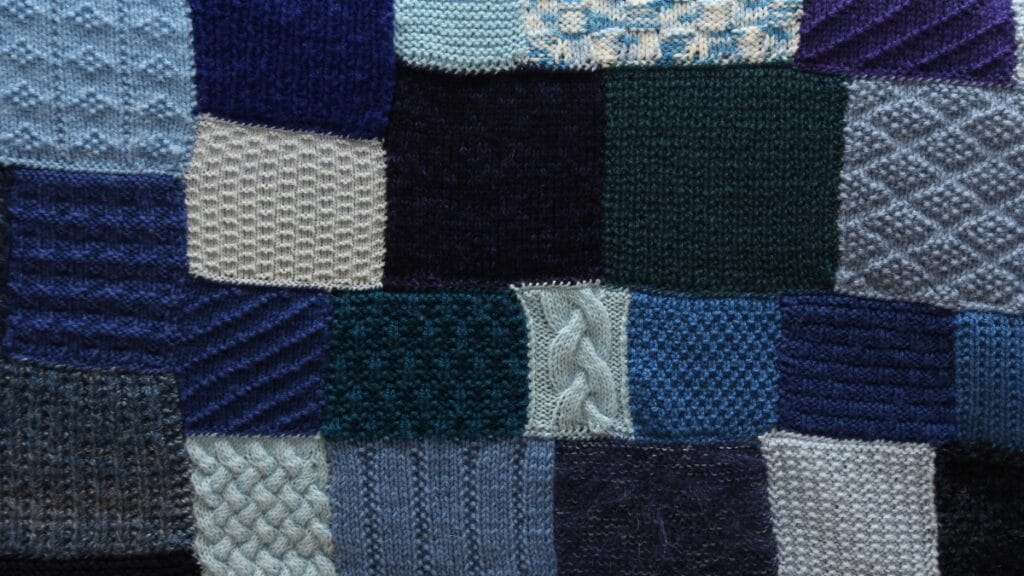
Many brands now produce eco-friendly knit material. Sustainable knit textile production uses organic cotton and recycled fibers. As a result, eco-friendly stretch knit material reduces environmental impact.
Future Trends in Knit Textile
Technology continues to improve knit cloth production. Advanced knitting machines create new knit textile textures. In addition, designers experiment with performance stretch knit materials. Therefore, knit material innovation will shape the future of fashion.
Conclusion
Knit material combines comfort, flexibility, and timeless style. Designers use knit textile technology to create versatile clothing. Moreover, stretch knit material supports modern lifestyles that require movement and comfort. Therefore, every wardrobe benefits from high-quality knit material garments. Understanding knit material helps shoppers choose better clothing and style outfits confidently.
FAQs
Knit material is based on the structure of loop yarn, while woven fabric is based on cross threads. Therefore, knit textile stretches easily.
Yes, lightweight knit material remains breathable. Especially for cotton knit material suits warm weather.
High quality stretch knit fabric will retain shape with good care. Textiles knitted textile elasticity is protected by gentle washing and air drying.