

When you engage in the workplace and take part in activities within the design and fashion sector, the ability to differentiate between fabric vs textile becomes highly beneficial. This knowledge helps you make decisions more easily in fashion design, interior design, and creative material-based projects. Many people often treat textiles and fabric as the same thing. However, they differ in several important ways. In this blog, we take a closer look to help designers, crafters, and makers clearly understand the differences between these two terms.
Table of contents
Fabric vs Textile – What’s the Difference?
Fashion designer, supply chain, decor, textiles, textile, fabric, designer, crafter, and maker often appear together in the design industry, yet they do not always refer to the same materials or concepts.
Several important factors influence the selection of the right materials. These factors mainly focus on creating an efficient and well-structured fabric design process. Ultimately, this article helps you make informed and effective decisions when choosing suitable materials.
What is Fabric?
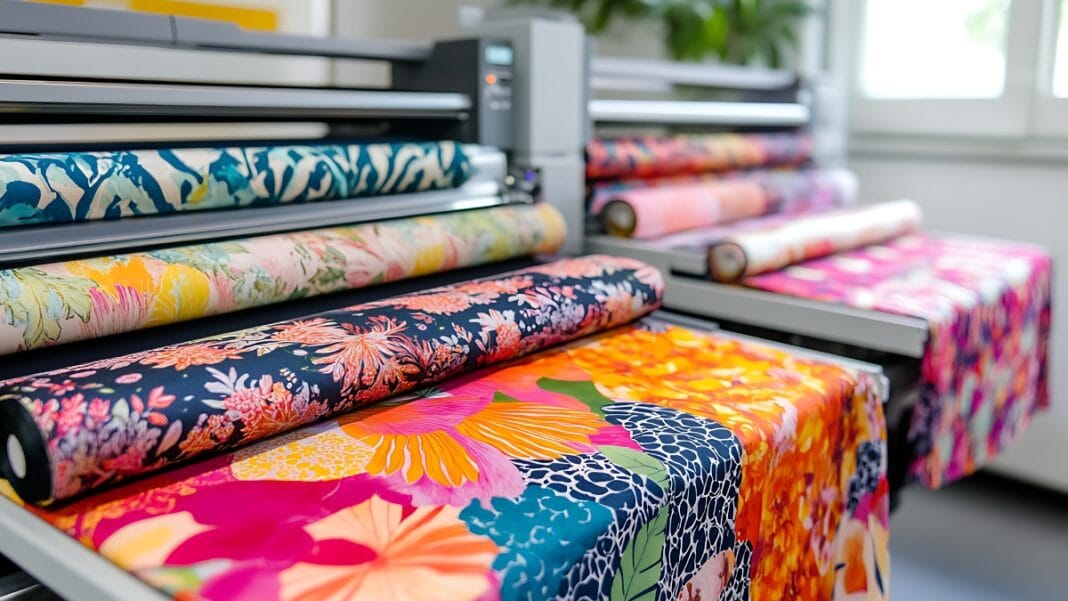
First, let us clarify the term “fabric.” Fabric is a general term used to describe materials manufactured through weaving, knitting, or other textile-processing methods. These materials act as the base for mass production of clothing, curtains, towels, and many other household textiles. Fabric remains soft and pliable, which makes it suitable for products that require comfort and flexibility.
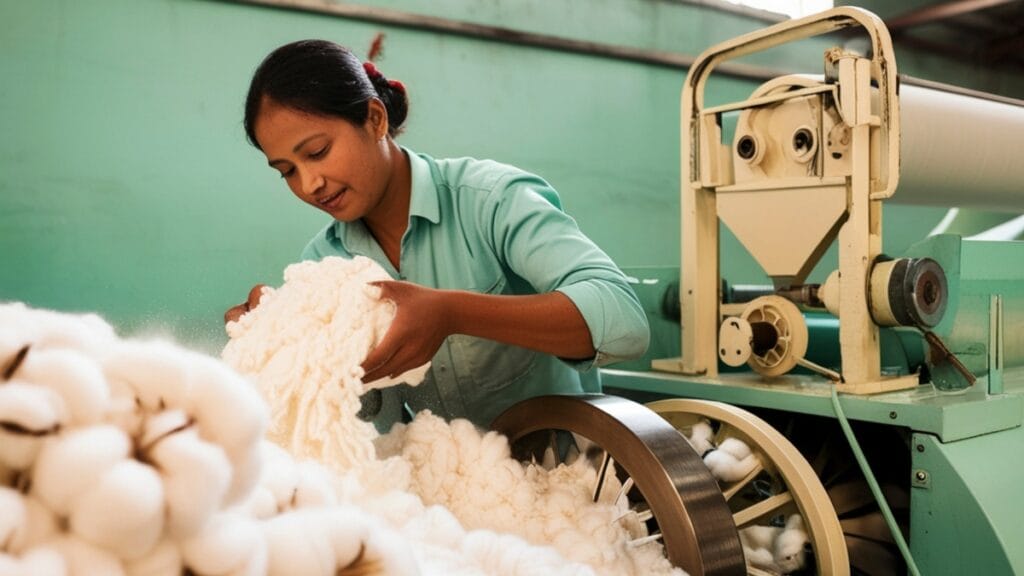
Manufacturers use various fibers, such as cotton, wool, polyester, and silk, and combine them to create fabrics. Raw fibers must pass through several stages before becoming finished fabric. These stages include spinning, weaving or knitting, dyeing, and sometimes printing.
Attributes of Fabric
- Softness and flexibility: Most fabrics are flexible and can be molded or shaped, which is why they are ideal for clothing and upholstery.
- Variety of types: Fabric can be made from a wide variety of fibers, each offering different qualities such as warmth, durability, and texture.
- Wide range of uses: Fabrics are primarily used in the fashion industry, as well as in home decor and other design projects.
What Is Textile?
Textile has a broader definition. A textile is any material made of fibers, whether woven, knitted, bonded, or assembled through other methods. Unlike fabric, which usually refers to a finished piece, textiles include materials at every stage of production. These materials range from raw fibers to carpets, ropes, fabrics, and industrial products.
Textiles do not always appear in a finished form. They may exist in raw, partially processed, or fully finished states. Some textiles still require additional treatment before use.
Key Features of Textiles
- Wider scope: Textiles encompass a larger range of materials, from raw fibers to finished fabric.
- Variety of applications: Textiles are used not only for clothing and home decor but also in industries like automotive, medicine, and even space exploration.
- Diverse production methods: Textiles can be produced in several ways, including weaving, knitting, crocheting, or bonding fibers together using adhesives or heat.
Key Differences Between Fabric vs Textile
After defining both terms, we can now examine the main differences between fabric and textile. Although both relate to fiber-based materials, their usage and scope differ.
Definition, Scope, and Specificity
The most noticeable difference lies in scope. Fabric refers to finished materials, while textile covers a broader category that includes all fiber-based materials, whether processed or unprocessed.
When you buy fabric from a store, you purchase a finished material ready for garments, curtains, or household items. Textile, however, can describe raw fibers, intermediate materials, or large-scale industrial textiles used in medicine, construction, or other technical fields.
Fabric vs Textile Production Process
Another key difference appears in production stages. Fabric represents the final result of multiple processing steps. Textiles, in contrast, exist at any point during production.
Some textiles remain in raw form and still require spinning, weaving, or dyeing. Fabric always represents a subset of textiles.
Fabric vs Textile Usage and Application
Fabrics mainly support comfort, aesthetics, and design. Designers commonly use them for clothing, upholstery, and decorative purposes. Textiles serve broader functional roles in industries such as automotive manufacturing, medical applications, and construction.
Final Product vs. Raw Material
Fabrics always appear in a finished state. Textiles may exist as raw fibers, intermediate materials, or finished products. Textile fibers may remain unprocessed before manufacturers convert them into yarn and fabric.
Material Composition: Combining Fabric vs Textile
Understanding the difference between fabric and textile also requires knowledge of material composition. Textiles can contain natural or synthetic fibers. Natural fibers include cotton, wool, and silk, while synthetic fibers include polyester, nylon, and spandex.
Certain fiber properties matter when creating fabrics. Designers often look for softness, breathability, stretch, or strength. The fashion industry frequently uses cotton, linen, and wool, while polyester and spandex provide durability and flexibility.
Fabric vs Textile in Design Practice
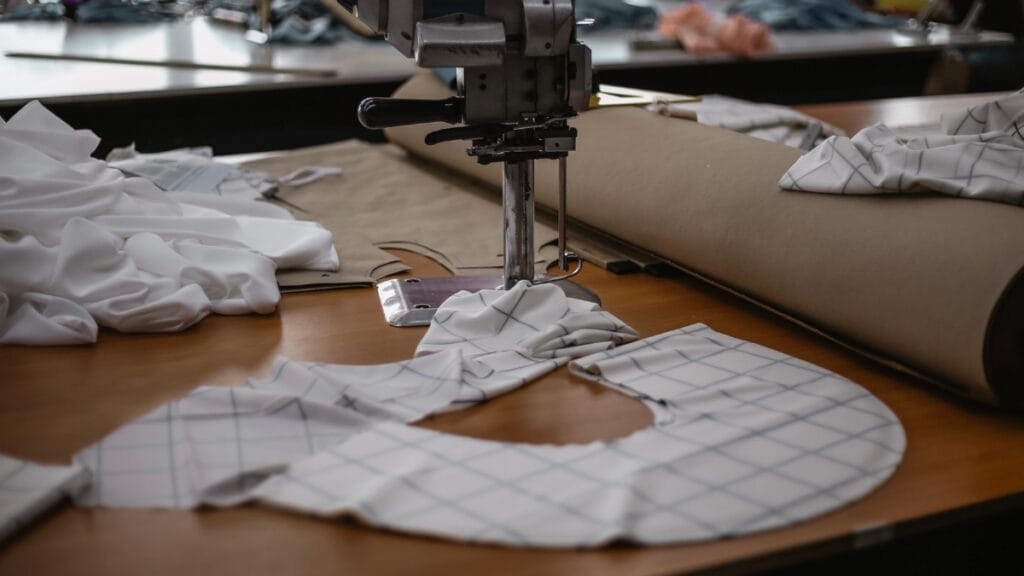
Designers use the terms fabric vs textile differently across fields. Fabric usually relates to clothing, furniture coverings, and interior elements. Designers focus on softness, drape, and flow when selecting fabric.
Textile functions as a broader and more technical term. Designers who understand textiles communicate more effectively with suppliers and select materials that meet specific functional needs.
For example, chair design may require a heavy and durable textile suited for industrial use. Fashion design, however, often favors lightweight and comfortable fabric that allows easy handling.
Conclusion:
In the fabric vs textile discussion, both terms hold equal importance within the design industry. Fabric refers to finished, ready-to-use materials. Textile includes raw fibers, unfinished materials, and everything in between.
Designers must choose between fabric and textile based on project requirements. Creating clothing, upholstery, or other design products requires a clear understanding of these terms. The distinction directly influences material selection, application, and overall project success.
FAQs
1. Can a fabric be considered a textile?
Yes, fabric is a type of textile. However, not all textiles qualify as fabrics. Textiles also include raw fibers and industrial materials, while fabric always refers to a finished product.
2. Is all fabric created using textile materials?
Yes, all fabric comes from textile materials. Fabric represents a completed textile produced through weaving, knitting, or bonding processes.
3. Why is it important to understand the difference between fabric and textile?
This distinction helps designers select the most suitable materials for their projects. Choosing the correct option directly affects function, durability, and appearance.