

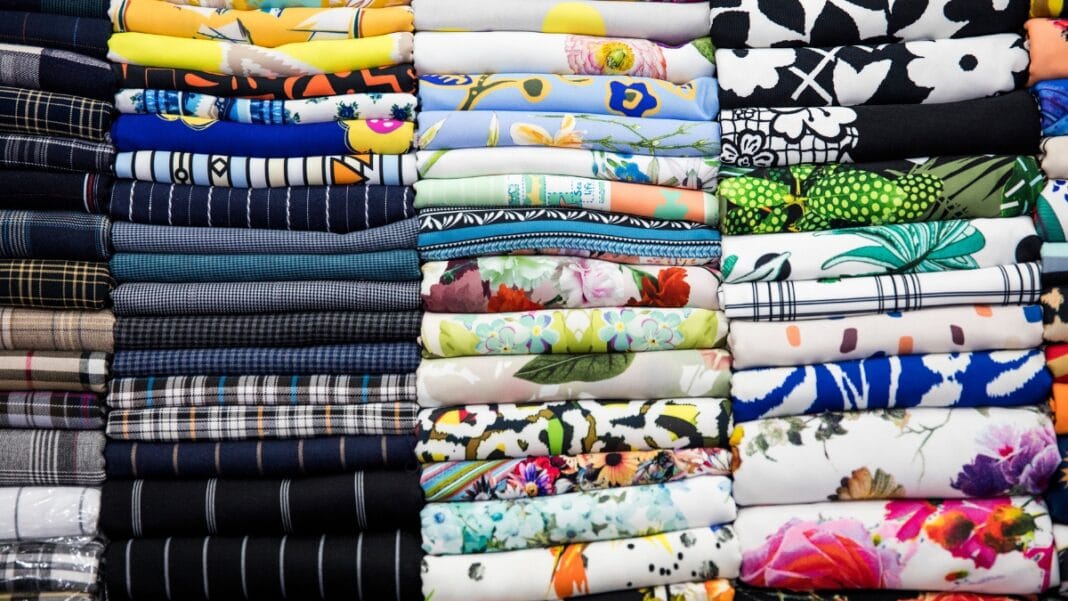
Iconic fabric patterns play a significant role in the evolution of fashion and interior design. Over the years, designers have continuously transformed patterns to reflect changing tastes and lifestyles. As a result, these designs have shaped trends in fashion as well as home décor. Even today, classic fabric design continue to influence modern aesthetics. In this blog, we explore how these patterns define contemporary design in both clothing and living spaces.
Table of contents
What Are Classic fabric design?
Over time, designers have introduced countless fabric patterns, many of which have appeared in well-known publications. As trends evolved, repeating designs and stylistic details also transformed. Moreover, these patterns do more than attract attention; they celebrate creativity and strongly influence how people perceive and wear clothing.
Today, designers frequently use fabric patterns in both modern clothing and interior décor. For instance, some patterns, such as plaid, originated hundreds of years ago. However, designers still reinterpret them for contemporary styles. As a result, these timeless designs now appear everywhere, from high fashion collections to everyday home décor.
The Role of Classic fabric design in Interior Design
In interior design, recognizable textile patterns significantly influence the overall atmosphere of a space. Designers use patterns in many forms, including bold geometric sofas, striped accent walls, and floral duvet covers. Additionally, patterns directly affect the mood of a room. For example, geometric designs often create a clean, modern feel, while floral patterns promote a sense of calm and relaxation.
Statement Fabrics and Featured Items
Statement pieces offer a classic and effective way to introduce bold textile patterns into home décor. Rugs, drapes, and throw pillows instantly energize a space when they feature strong designs. Furthermore, when designers use large-scale patterns, these elements often become focal points that define the mood of the entire room.
For example, mid-century modern interiors frequently showcase abstract geometric patterns. In contrast, bohemian spaces often highlight flowing floral designs. Consequently, these deliberate pattern choices greatly influence the overall aesthetic of the space.
Famous Patterns Used on Upholstery
Upholstery allows designers to showcase patterns across different furniture pieces. For instance, large houndstooth or chevron patterns on sofas, armchairs, or ottomans help unify a room while enhancing its character. Whether designers choose classic damask or bold ikat prints, patterns give furniture a distinct personality.
Additionally, iconic patterns on furniture allow homeowners to blend contemporary and vintage styles. As a result, the space feels dynamic, timeless, and visually engaging.
Famous Patterns in Fashion: A Representation of Self
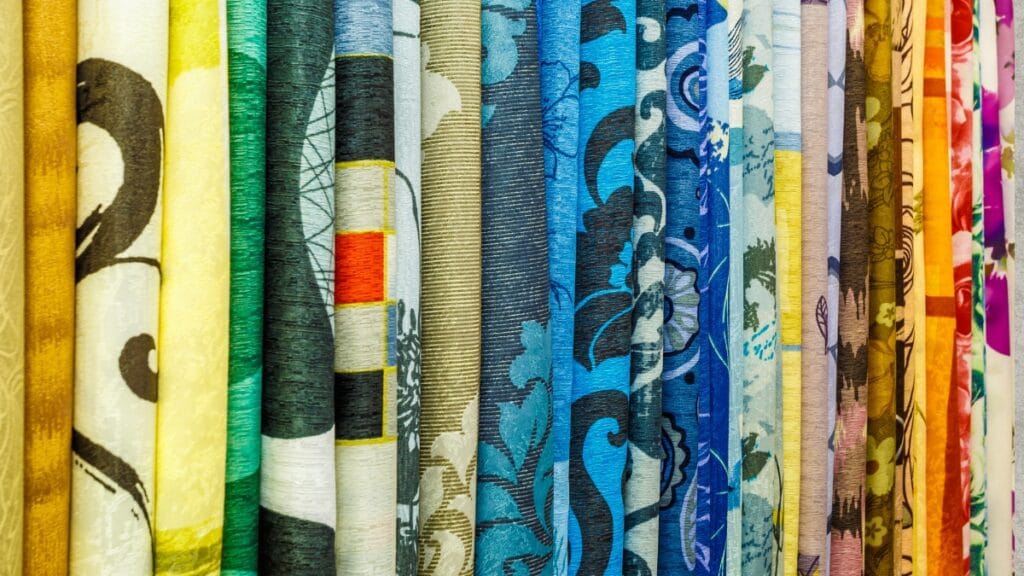
Patterns also hold deep meaning in fashion. In fact, they help individuals express identity and personal style. Timeless patterns such as houndstooth and stripes have become closely associated with specific cultures, eras, and fashion movements.
The Everlasting Visibility of Plaid and Stripes
Plaid and stripes remain timeless staples in fabric design. Designers use these patterns across various styles, ranging from high fashion to casual wear. Simple stripes often convey elegance and sophistication. Meanwhile, plaid evokes warmth, nostalgia, and heritage.
Broad stripes on blazers or dresses create a polished and refined look. On the other hand, plaid patterns bring comfort and tradition, often reminding people of coats, skirts, and scarves. Therefore, these enduring patterns continue to anchor modern fashion in classic design principles.
The Relevance of Floral Patterns
Floral patterns rank among the most recognizable designs in the fashion and décor world. Although people once associated florals with femininity and nostalgia, modern designers have redefined them. Today, florals appear bold, contemporary, and versatile.
Moreover, designers now use floral prints beyond seasonal limits. Summer dresses, tropical florals, and pastel blouses work well for many occasions. In fashion, floral patterns create versatility while evoking happiness, warmth, and positivity.
Updated Iconic Patterns
Although many iconic patterns remain timeless, designers frequently reinvent them for modern styles. By experimenting with color, scale, and texture, designers push traditional patterns beyond their original boundaries. As a result, these patterns stay fresh, exciting, and relevant.
Fabric Patterns and Minimalism
Minimalism strongly influences both interior and fashion design. Clean lines, muted colors, and negative space create the perfect backdrop for subtle patterns such as small geometrics, dots, and thin stripes.
This balanced approach allows classic patterns to stand out without overwhelming the design. Consequently, patterns contribute to a calm and refined aesthetic in both clothing and home interiors.
Maximalism and Bold, Vibrant Patterns
In contrast, maximalism celebrates boldness, color, and visual abundance. Designers who embrace maximalism often choose large-scale florals, bright colors, and tribal-inspired fabrics. As a result, outfits and interiors gain depth, drama, and personality.
Unlike minimalist styles, maximalism encourages creative freedom. Inspired by the philosophy of “If it sparks joy,” this style embraces mixing patterns, colors, and textures. Therefore, layered combinations such as floral upholstery, geometric rugs, and striped garments create vibrant, eclectic spaces.
The Cultural Significance of Classic fabric design
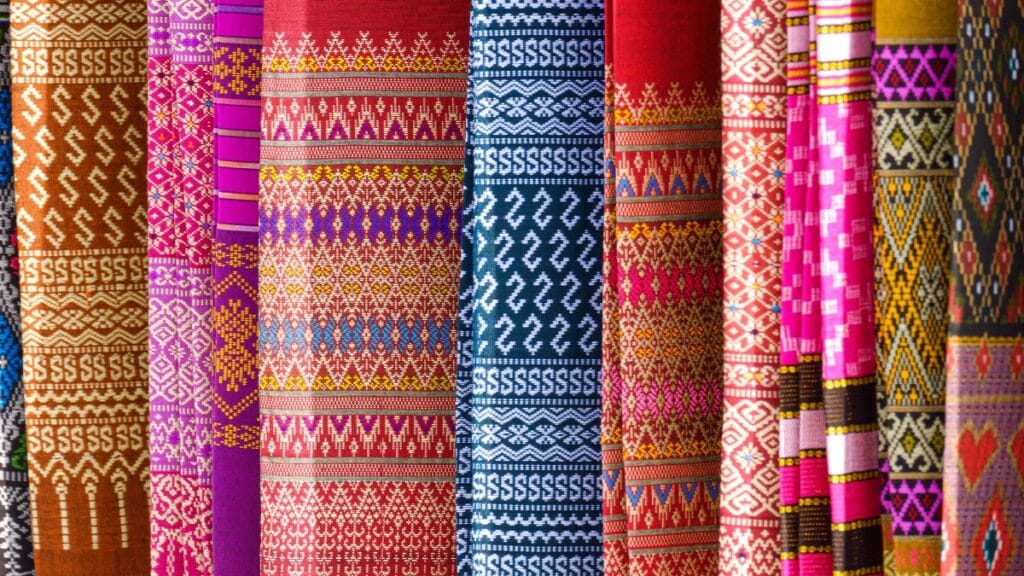
Iconic patterns not only appeal visually but also carry deep cultural meaning. Across societies, textile designs tell stories about history, tradition, and identity. For example, Native American textiles, African wax prints, and Japanese kimono patterns each reflect unique cultural narratives.
Iconic Fabric Patterns: Representing Traditions
Every culture develops distinct patterns that symbolize heritage and tradition. Over generations, these designs serve as identifiers and visual storytelling tools. For instance, Japanese kimono patterns often reflect nature and intricate craftsmanship. Meanwhile, African textiles frequently represent social status, spirituality, and community values.
By blending traditional patterns with contemporary design, designers preserve cultural heritage while embracing modern creativity. As a result, modern designs honor the past while appealing to present-day aesthetics.
How Cultural Patterns Influence Modern Design
Because designers use many cultural patterns in both traditional and contemporary settings, these designs transcend generations. As a result, such patterns remain relevant across time. African and Japanese patterns, for example, continue to inspire modern fashion and interior design.
Fashion runways and design showrooms consistently showcase innovative creations inspired by iconic fabric patterns. Therefore, these cultural designs remain central to contemporary creativity.
Conclusion:
Iconic fabric patterns help bring creative visions to life. Throughout history, designers have used patterned fabrics to communicate emotion and style. Regardless of personal preference, iconic patterns offer endless opportunities to create meaningful designs.
Looking ahead, both designers and consumers will continue blending traditional fabrics with modern innovation. Ultimately, choosing patterns that resonate with you can transform both your wardrobe and your living space.
FAQs
1. What are examples of fabric patterns used in clothing?
Stripes, florals, animal prints, and plaid are popular examples. Designers use these iconic patterns in clothing for both casual and formal occasions.
2. How can I incorporate fabric patterns into my home decor?
You can introduce timeless patterns through cushions, rugs, drapes, and upholstery. Additionally, combining multiple patterns creates an energetic and personalized home style.
3. Why are fabric patterns so important in design?
Fabric patterns influence emotions, add depth to design, and convey cultural stories. Therefore, they play a vital role in defining the character and ambiance of spaces and outfits.