

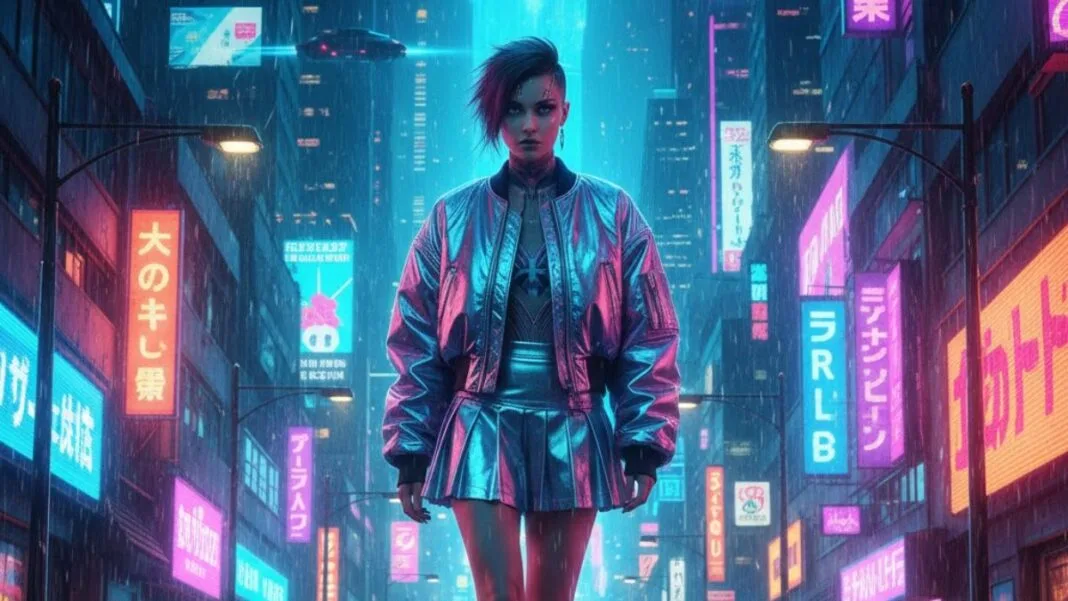
Retro-futuristic fashion is no longer a niche aestheticit’s a cultural reset. As technology reshapes creativity and nostalgia drives emotional connection, designers are imagining a future inspired by the past. The result? A visual language that blends metallic accents, vintage silhouettes, digital-age textures, and playful sci-fi energy. And because 2025 fashion trends prioritize individuality and creativity, retro-futuristic fashion has become one of the most powerful style movements of the year.
Table of contents
- Why Retro-Futuristic Fashion Feels So Right in 2025
- The Design DNA: Metallic Textures, Chrome Surfaces & Space-Age Shine
- Vintage Sci-Fi Silhouettes Make a Modern Comeback
- Tech-Inspired Color Palettes Bring the Aesthetic to Life
- The Tech Behind the Trend: Smart Fabrics & Digital Craftsmanship
- Retro-Futurism in Everyday Styling: How It’s Becoming Wearable
- Cultural Influence: Why Retro-Futuristic Aesthetics Are Dominating Media
- Why Retro-Futuristic Fashion Defines Personal Expression in 2025
Why Retro-Futuristic Fashion Feels So Right in 2025
Retro-futuristic fashion resonates today because it sits at the crossroads of nostalgia and innovation. As consumers crave comfort in familiar references yet remain excited about tech-driven progress, this trend delivers both. Moreover, recent fashion analytics show that searches for “futuristic outfits” and “vintage-tech style” have grown by over 42% in 2025, proving a rising appetite for this hybrid aesthetic.
Furthermore, brands are leaning into this mood. Several 2025 runway collections from luxury houses to indie labels merged vintage sci-fi motifs with sleek modern tailoring. This balance of old-school imagination and new-age minimalism is precisely why retro-futuristic fashion feels relevant rather than costumey.
The Design DNA: Metallic Textures, Chrome Surfaces & Space-Age Shine
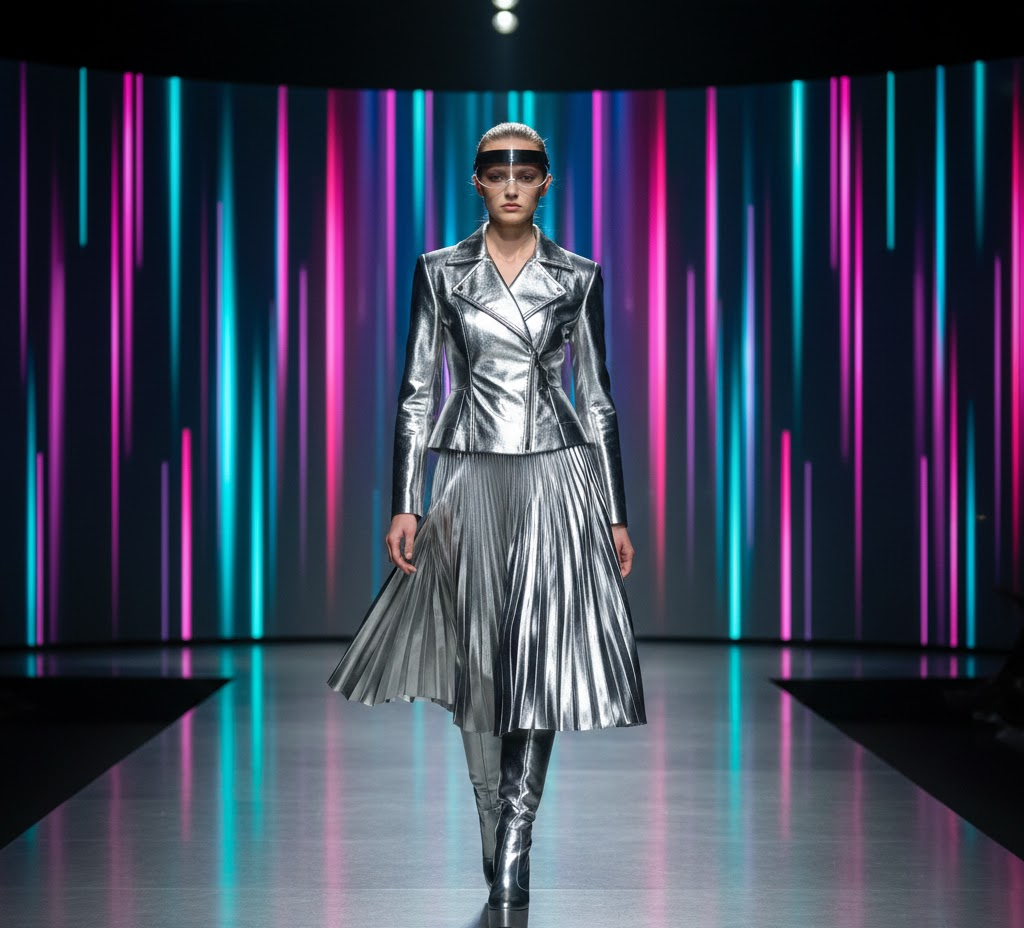
Retro-futuristic fashion thrives on tactile drama. Designers use reflective materials, metallic foils, coated fabrics, and liquid-shine textures to bring that early sci-fi sparkle into modern wardrobes. Interestingly, industry data from Material ConneXion shows a 31% increase in brands experimenting with chrome-coated fabrics for wearable pieces in 2025.
Moreover, these high-shine materials photograph beautifully in both natural and artificial lighting, making them ideal for social-media-driven fashion culture. From polished silver outerwear to holographic accessories, these pieces transform everyday outfits into bold visual statements without requiring complex styling.
Finally, this metallic design language also reflects the mood of an era shaped by AI, robotics, and space exploration. Fashion mirrors the world around it—and nothing feels more “future” than polished chrome energy.
Vintage Sci-Fi Silhouettes Make a Modern Comeback
Although futuristic materials grab attention, retro-futuristic fashion is equally defined by its silhouettes. Designers borrow from 60s space-age tailoring, 80s techno-glam shapes, and 90s cyber aesthetics yet reinterpret them with modern proportions. As a result, exaggerated shoulders, bubble hems, structured skirts, and curved lines are returning to mainstream fashion in 2025.
However, these designs are far more wearable than their historical counterparts. Today’s reinterpretations use lighter fabrics, better construction, and ergonomic fits, making bold silhouettes comfortable enough for everyday styling. Retail buying reports even show that consumer interest in sculptural garments has risen by 28% this year.
Consequently, this fusion of retro silhouettes and modern engineering allows people to express creativity without sacrificing practicality.
Tech-Inspired Color Palettes Bring the Aesthetic to Life
While silver and chrome dominate the narrative, retro-futuristic fashion also thrives on imaginative color stories. Designers blend neon accents, cosmic purples, planetary blues, soft digital pastels, and deep intergalactic blacks to create a visual universe that feels both nostalgic and forward-facing.
Furthermore, 2025’s color forecasting reports highlight a surge in “digital-optimism hues,” including luminous greens and cool holographic tones. These shades echo the graphic interfaces, sci-fi film palettes, and virtual aesthetics shaping today’s cultural landscape.
Altogether, these bold color combinations allow retro-futuristic fashion to stand apart from minimalism, offering expressive and emotionally charged styling options.
The Tech Behind the Trend: Smart Fabrics & Digital Craftsmanship
Retro-futuristic fashion isn’t only an aesthetic it’s a technological shift. Fabric innovation labs report an increase in smart textiles, including thermal-responsive materials, touch-reactive surfaces, and light-embedded garments. These pieces merge fashion with function, turning the body into an interactive canvas.
Additionally, digital craftsmanship is shaping garment creation. 3D-printed accessories, laser-cut details, AI-generated patterns, and modular construction reflect a future-centric approach to design. Consequently, these innovations help retro-futuristic fashion move beyond costume design into high-function urban wear.
Moreover, sustainability plays a role here too. Several designers use recycled metallic fibers and tech-enhanced biodegradable materials, proving that futuristic style can coexist with responsible production.
Retro-Futurism in Everyday Styling: How It’s Becoming Wearable
Even though retro-futuristic fashion seems dramatic, it is surprisingly wearable. Stylists recommend starting small with chrome accessories, angular sunglasses, glossy boots, or metallic handbags to introduce the look without overwhelming an outfit.
Alternatively, fitted metallic tops, holographic skirts, or space-inspired outerwear make for striking focal points when paired with neutral basics. This balance makes the aesthetic accessible, even for people who prefer subtle experimentation.
And because 2025 street fashion celebrates individuality, retro-futuristic outfits are embraced in both casual and elevated occasions. As a result, this trend is transitioning from editorial runways to everyday wardrobes at a rapid pace.
Cultural Influence: Why Retro-Futuristic Aesthetics Are Dominating Media
Retro-futuristic fashion is thriving because pop culture supports it. From streaming-platform sci-fi dramas to virtual universes in gaming and digital influencers experimenting with AI-styled looks, the aesthetic is everywhere. Notably, fashion-forward films released in 2024–2025 helped revive interest in cyber-modern visuals and imaginative worldbuilding.
In addition, the rise of immersive fashion events, AR try-on features, and digital fashion weeks pushes this aesthetic into everyday consumer experiences. People no longer just “see” the future—they interact with it.
Therefore, it makes sense that clothing reflecting this hybrid world is trending faster than ever.
Why Retro-Futuristic Fashion Defines Personal Expression in 2025
Ultimately, retro-futuristic fashion empowers people to express individuality in a world increasingly shaped by technology. It encourages creative dressing, bold storytelling, and imaginative identity-building qualities especially valued by Gen Z and Gen Alpha consumers.
Moreover, because the movement values experimentation, it breaks free from the constraints of traditional fashion rules. Whether through metallic statement pieces, sculptural silhouettes, or holographic details, individuals can shape their own vision of the future.
In essence, retro-futuristic fashion isn’t about predicting what’s ahead it’s about creating it.