


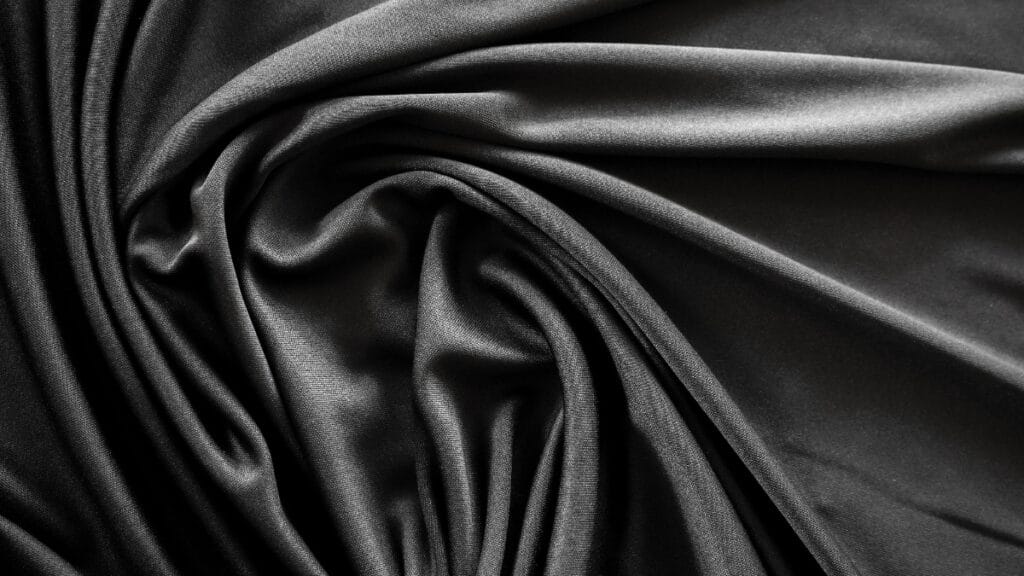
The question what is stretch fabric called is very common in fashion and textiles. In fact, if you work in interior designing or garment making, you have likely come into contact with stretchable material, sometimes without realizing it. Stretchable fabric is an umbrella term that describes many materials capable of stretching while offering comfort, flexibility, and durability.
In this blog, explores what stretch fabric is called, along with the advantages of stretchable materials and their applications across industries. Additionally, it explains the different types and technologies behind stretchable fabrics. Ultimately, this guide helps fashion lovers and textile professionals understand why stretch fabrics are popular and how to use them effectively in designs.
Table of contents
What Exactly Is Stretch Fabric Called?
Stretch fabrics refer to various materials designed to stretch easily. Manufacturers use elastomeric fibers such as elastane or spandex to give fabrics their stretchability. As a result, these fabrics maintain a comfortable fit by returning to their original shape after stretching.
Basics of Fabric Stretching
Stretchable fabric usually blends synthetic fibers with stretch fibers like spandex, cotton, polyester, or nylon. When spandex is included in the blend, the fabric can stretch up to five times its original size. This feature plays a crucial role in clothing made for physical activity, swimwear, and certain types of formal wear.
Common Synonyms for Stretch Fabric
What is the industry name for stretch fabric? The term elastic fabric commonly describes it, although the name varies depending on composition and usage. Some widely used terms include:
- Elastic Fabric: Fabrics that stretch and return to their original dimensions
- Spandex Fiber: A fiber containing spandex, often used as a synonym for elastic fabric
- Lycra Fabric: A brand-based name commonly used for spandex fabrics in activewear
- Jersey Knit: A knit fabric that stretches naturally due to its construction
- Stretch Cotton: Cotton blended with elastane or spandex for added flexibility
Each term highlights different characteristics, yet all describe fabrics known for stretchability and comfort.
The Benefits of Stretch Fabric
Stretch fabric has gained immense popularity in garments and daily use. These materials provide several advantages, particularly comfort and freedom of movement.
Comfort and Flexibility
Stretch fabric offers exceptional comfort due to its flexible nature. The added elasticity allows garments to move with the body, unlike non-stretch fabrics that often feel restrictive. As a result, clothing fits better whether it is a dress, leggings, or a shirt.
Shape Maintenance and Durability
Manufacturers design stretch fabrics for long-term use. Traditional fabrics may sag and lose shape over time, especially after frequent washing. In contrast, stretch fabrics retain their original form and fit for longer periods. This durability makes them ideal for workout clothes, swimwear, and sports uniforms.
Design Versatility
Stretch fabric gives designers creative freedom. It works well in t-shirts, jeans, activewear, and formal outfits. Designers can use stretch fabrics to create loose, flowy garments or figure-hugging silhouettes that flatter various body types.
Comfort and Breathability
When blended with natural fibers like cotton, stretch fabrics become even more comfortable. These blends allow better airflow, which helps regulate body temperature. For this reason, many workout clothes use elastic fabric to keep wearers cool and dry during exercise.
Types of Stretch Fabric
Various types of elastic fabrics exist, each serving different purposes. These fabrics vary based on fiber content, weave, and elasticity.
Spandex / Elastane Fabric
Spandex remains the most common stretch fabric. Designers often use it in form-fitting garments, including activewear, swimwear, and dance costumes, due to its excellent elasticity.
Jersey Knit Fabric
Jersey knit appears frequently in casual clothing such as t-shirts and dresses. The knit construction naturally allows stretching, and manufacturers often blend it with spandex to improve elasticity and durability.
Stretch Denim
Stretch denim contains elastane or spandex blended with traditional denim. This combination adds flexibility and comfort, making it suitable for jeans, jackets, and skirts.
Stretch Velvet
Stretch velvet combines the softness of traditional velvet with the elasticity of spandex. Designers commonly use it in formal wear and dance costumes, where comfort and elegance matter equally.
Applications of Stretch Fabric
Stretch fabric plays an essential role across multiple industries. Below are some of its most common applications.
Activewear and Sportswear
Activewear relies heavily on elastic fabric. Athletes need clothing that allows unrestricted movement while remaining breathable and moisture-wicking. Materials like spandex and Lycra work perfectly for leggings, sports bras, and running shorts.
Swimwear
Swimwear also depends on stretch fabrics for proper fit and functionality. The elasticity ensures swimwear stays secure while allowing full freedom of movement in water. Additionally, stretch fabrics adapt well to different body shapes.
Fashion and Casual Wear
Stretch fabric has transformed modern fashion. Designers use it to create comfortable yet stylish pieces such as bodycon dresses, leggings, and tailored outfits. Even low-stretch fabrics contribute to sleek and contemporary designs.
Home Decor
Stretchable fabrics also serve practical purposes in home décor. Upholstery for sofas and chairs often uses stretch fabric for better fit and flexibility. Curtains, bed linens, and other furnishings also benefit from these adaptable materials.
How to Care for Stretch Fabrics
Proper care helps extend the lifespan of stretch fabrics. Follow these guidelines to maintain quality:
- Avoid Hard Pulls: Excessive stretching can weaken elastic fibers
- Wash in Cool Water: Hot water damages fibers and reduces elasticity
- Air Dry When Possible: High heat from dryers can distort fabric shape
- Use Gentle Detergent: Mild detergents preserve delicate elastic fibers
Conclusion
The introduction of stretch fabrics has revolutionized the textile industry. These materials combine functionality, durability, and design versatility across multiple applications. From athletic and swimwear to everyday clothing, stretch fabrics improve comfort, mobility, and overall performance.
When designers incorporate stretch properties effectively, garments maintain shape while enhancing comfort. As a result, stretch fabrics continue to dominate modern fashion and textile design due to their adaptability and long-lasting wear.
FAQs
1. What are the most common types of stretch fabric?
The most common stretch fabrics include Lycra (spandex), jersey knit, stretch denim, and stretch velvet. Designers frequently use these materials in activewear, swimwear, and casual clothing.
2. Can stretch fabric lose its elasticity over time?
Yes, stretch fabric can lose elasticity if exposed to heat, improper washing, or excessive stretching. Washing in cold water and air drying helps preserve elasticity.
3. Is stretch fabric comfortable to wear?
Stretch fabric offers excellent comfort due to its flexible, breathable, and non-restrictive nature. It suits activewear, casual clothing, and garments requiring full range of motion.