


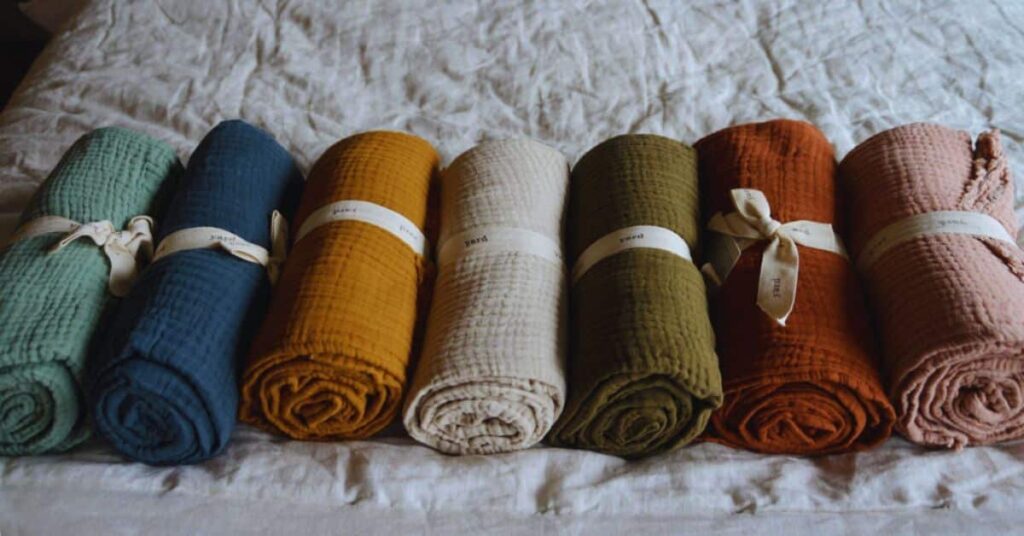
Muslin fabric is a soft, lightweight cotton textile known for its versatility, comfort, and natural finish. It’s a fabric that has been around for centuries, used in everything from fashion and home décor to medical applications. In this comprehensive guide, we will explore what muslin fabric is, its various types, benefits, and common uses, along with tips for caring for muslin products. Whether you’re a designer, fashion enthusiast, or someone new to textiles, this guide will provide you with the essential knowledge you need about this remarkable fabric.
Table of contents
What Is Muslin Fabric?
Muslin is a woven cotton fabric that is known for its lightweight, breathable, and versatile nature. It was originally produced in the ancient city of Mosul (hence the name “muslin”) in modern-day Iraq, and over time, it spread across the globe due to its popularity in various cultures. Muslin is made from natural cotton fibers, typically spun in a simple weave pattern, which allows it to have a slightly transparent and airy texture.
Muslin fabric is a staple in the textile industry, used across different sectors, including fashion, quilting, medical applications, and more. It’s prized for its softness, versatility, and breathability, which makes it perfect for a range of uses.
The Properties of Muslin Fabric
People recognize muslin fabric for its unique combination of attributes that make it incredibly flexible and suitable for use across a variety of industries. Let’s take a closer look at the qualities that differentiate muslin from other fabrics.
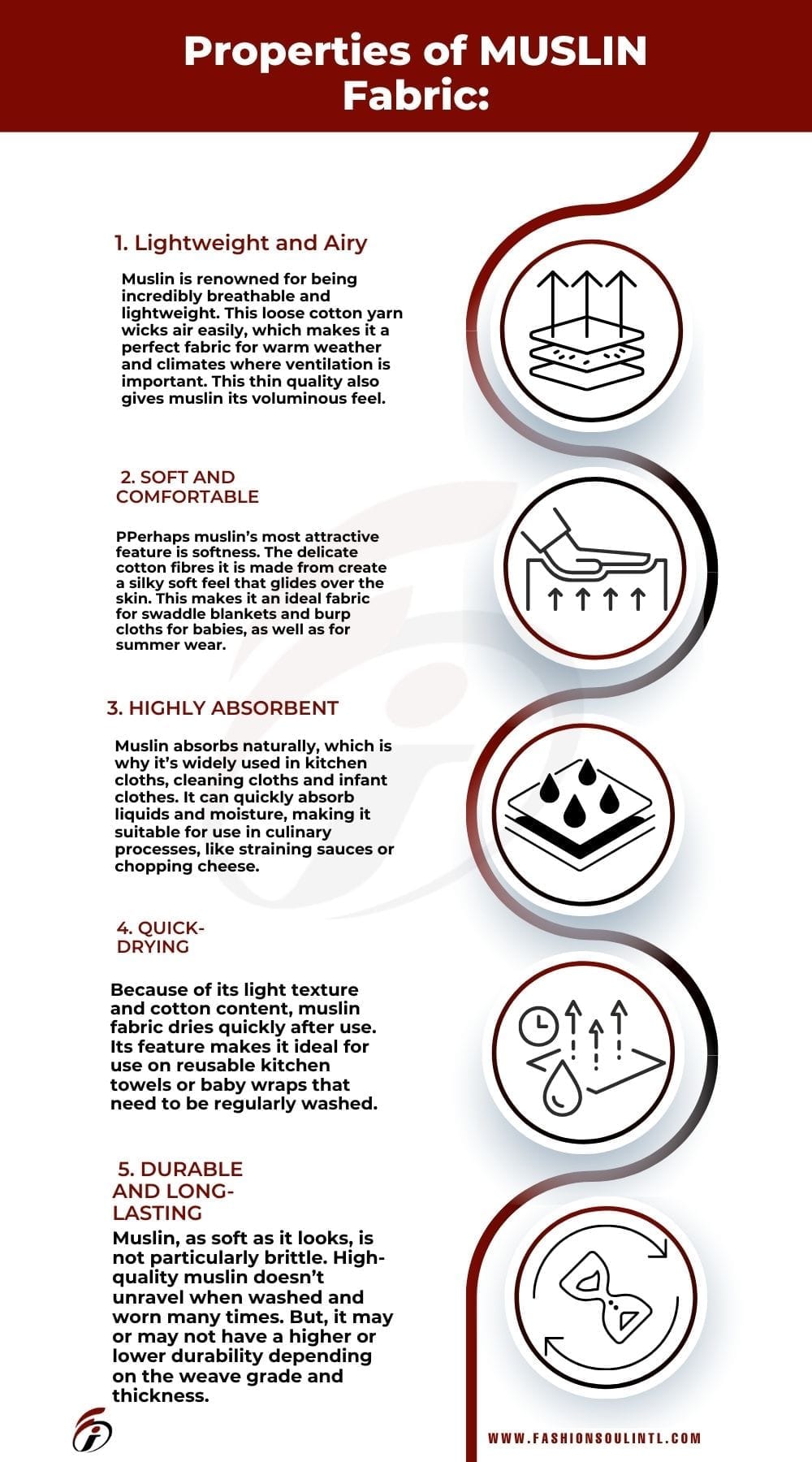
1. Lightweight and Airy
Muslin is renowned for being incredibly breathable and lightweight. This loose cotton yarn wicks air easily, which makes it a perfect fabric for warm weather and climates where ventilation is important. This thin quality also gives muslin its voluminous feel.
2. Soft and Comfortable
Perhaps muslin’s most attractive feature is softness. The delicate cotton fibres it is made from create a silky soft feel that glides over the skin. This makes it an ideal fabric for swaddle blankets and burp cloths for babies, as well as for summer wear.
3. Highly Absorbent
Muslin absorbs naturally, which is why it’s widely used in kitchen cloths, cleaning cloths and infant clothes. It can quickly absorb liquids and moisture, making it suitable for use in culinary processes, like straining sauces or chopping cheese.
4. Quick-Drying
Because of its light texture and cotton content, muslin fabric dries quickly after use. Its feature makes it ideal for use on reusable kitchen towels or baby wraps that need to be regularly washed.
5. Durable and Long-Lasting
Muslin, as soft as it looks, is not particularly brittle. High-quality muslin doesn’t unravel when washed and worn many times. But, it may or may not have a higher or lower durability depending on the weave grade and thickness.
6. Versatile in Texture and Finish
Muslin comes in a wide range of textures and finishes, from light, fuzzy weaves to heavier, stronger forms. This adaptability makes it applicable for anything from delicate fashion pieces and drapes to utilitarian household products.
7. Easy to Dye and Embroider
Muslin absorbs dye exceptionally well, absorbing color intensely and evenly. It also makes for a perfect background for embroidery and other ornaments, so it’s a popular option for designers and artists.
8. Hypoallergenic and Skin-Friendly
Muslin is composed of natural cotton fibers that are hypoallergenic and skin-friendly. This feature makes it a safe and comfortable choice for skin-sensitive individuals, as well as babies and children.
9. Eco-Friendly and Sustainable
Because muslin is typically 100 per cent cotton, it is biodegradable and non-toxic. It can be recycled, composted, or refashioned, which makes it an ideal option for those who want sustainable textiles.
10. Breathable Yet Protective
Although breathable, muslin acts as a barrier to dust, insects and even light. This equilibrium has made it a favorite material for clothing bags, dust masks, and lightweight curtains.

How Muslin Fabric is Manufactured:
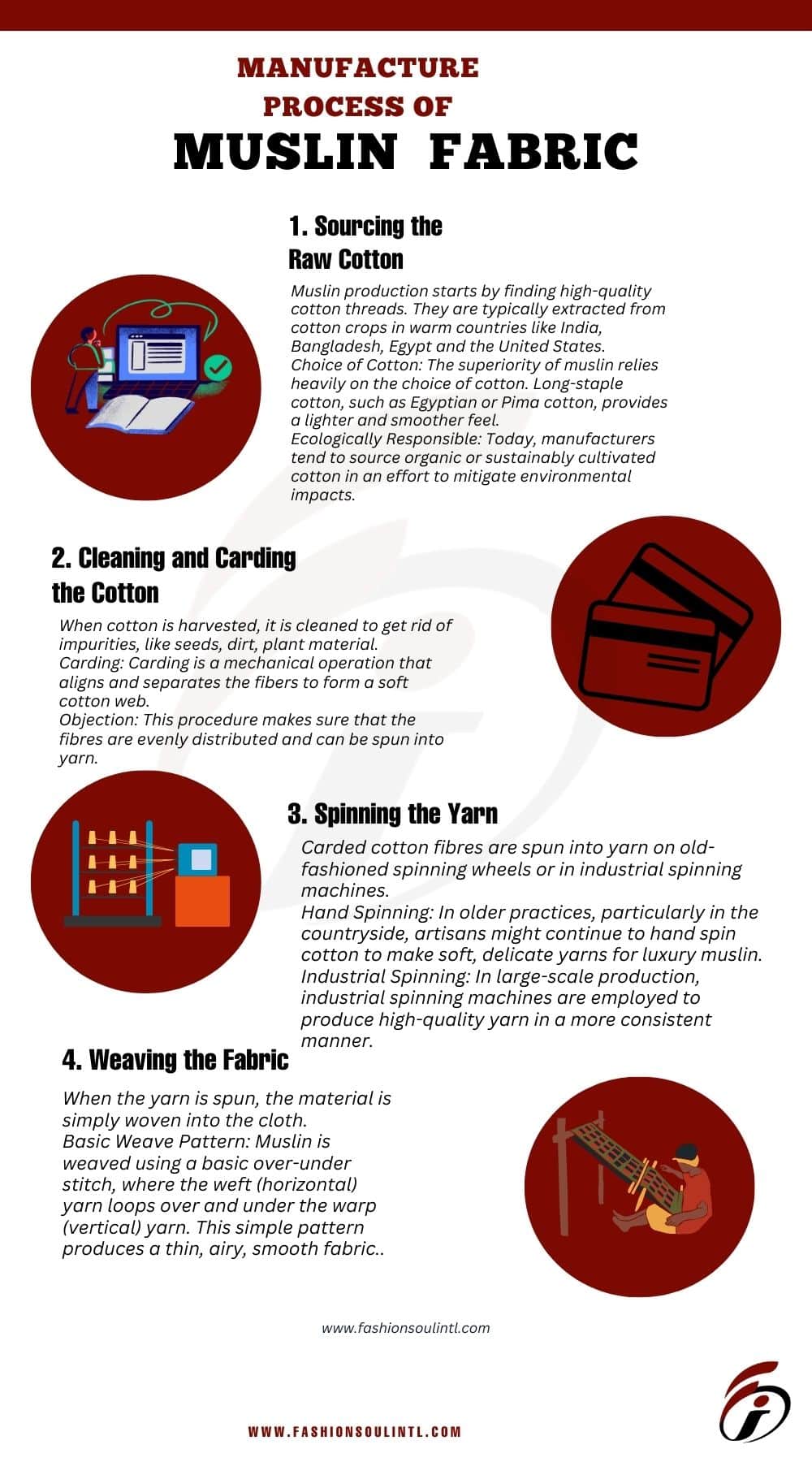
Muslin cloth production has changed over centuries, moving from traditional handweaving to modern machine-generated production. However, even this innovation is grounded in the traditional technique of employing fine cotton fibres that lend muslin its characteristic drape and breathable qualities. The manufacturing process for muslin fabric is listed below, one step at a time.
1. Sourcing the Raw Cotton
Muslin production starts by finding high-quality cotton threads. They are typically extracted from cotton crops in warm countries like India, Bangladesh, Egypt and the United States.
Choice of Cotton: The superiority of muslin relies heavily on the choice of cotton. Long-staple cotton, such as Egyptian or Pima cotton, provides a lighter and smoother feel.
Ecologically Responsible: Today, manufacturers tend to source organic or sustainably cultivated cotton in an effort to mitigate environmental impacts.
2. Cleaning and Carding the Cotton
Cotton harvesters clean the cotton to remove impurities, such as seeds, dirt, and plant material. The carding process then aligns and separates the fibers mechanically, forming a soft cotton web. This procedure ensures the fibers distribute evenly, preparing them for spinning into yarn.
3. Spinning the Yarn
Artisans spin carded cotton fibers into yarn using old-fashioned spinning wheels or industrial spinning machines. In traditional practices, especially in rural areas, they often hand-spin cotton to create soft, delicate yarns for luxurious muslin. In large-scale production, manufacturers use industrial spinning machines to produce high-quality yarn with greater consistency.
4. Weaving the Fabric
After spinning the yarn, manufacturers simply weave the material into cloth.
Basic Weave Pattern: Weavers use a basic over-under stitch to create muslin, where the weft (horizontal) yarn loops over and under the warp (vertical) yarn. This simple pattern produces a thin, airy, smooth fabric.
Handloom vs. Power Loom:
Handloom Weaving: In countries such as India and Bangladesh, craftspeople continue to use handlooms to weave muslin cloth, which people highly prize for its quality.
Power Loom Weaving: Automated power looms used in contemporary factories produce muslin more regularly and efficiently on a mass scale.
5. Washing and Bleaching
After completing the weaving process, manufacturers wash the fabric to remove any oils, dirt, or starch that remains.
Depending on the application, they may also bleach muslin to achieve a more translucent, uniform shade.
- Natural Muslin: A few muslin fabrics remain raw, unbleached, and have a pale off-white or cream color.
- Bleached Muslin: For those uses that need the fabric to be white and pure, the fabric is bleached with natural bleach.
6. Quality Control and Inspection
- Prior to distribution, the fabric is thoroughly tested for defects, including:
- Uneven weaving
- Loose threads
- Inconsistent dyeing or bleaching
- Excellent muslin should have a smooth, even surface and no imperfections.
Common Uses of Muslin Fabric:
Muslin fabric finds applications in many industries for its versatility. Here are some of its most commonly used uses:
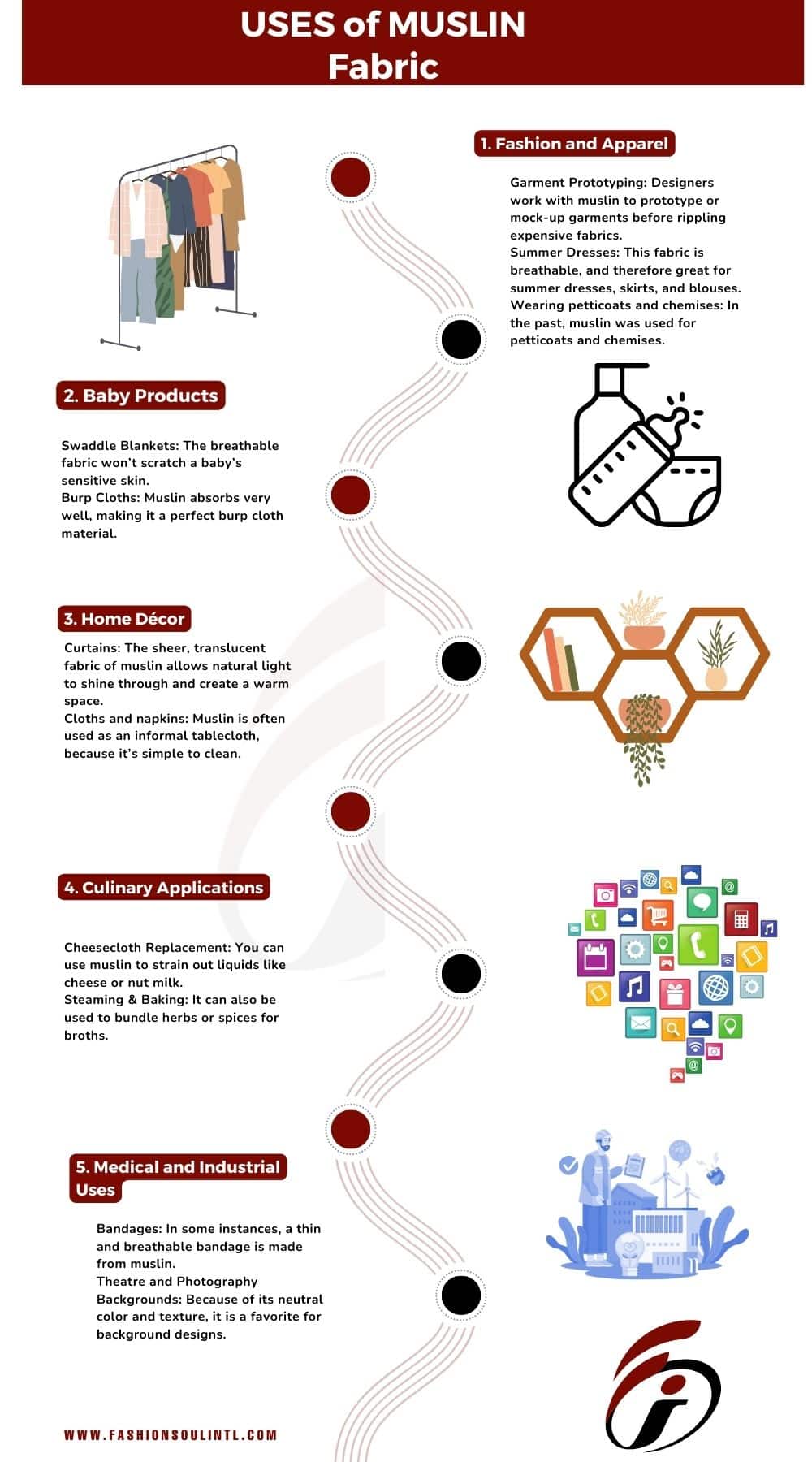
1. Fashion and Apparel
- Garment Prototyping: Designers work with muslin to prototype or mock-up garments before rippling expensive fabrics.
- Summer Dresses: This fabric is breathable, and therefore great for summer dresses, skirts, and blouses.
- Wearing petticoats and chemises: In the past, muslin was used for petticoats and chemises.
2. Baby Products
- Swaddle Blankets: The breathable fabric won’t scratch a baby’s sensitive skin.
- Burp Cloths: Muslin absorbs very well, making it a perfect burp cloth material.
3. Home Décor
- Curtains: The sheer, translucent fabric of muslin allows natural light to shine through and create a warm space.
- Cloths and napkins: Muslin is often used as an informal tablecloth, because it’s simple to clean.
4. Culinary Applications
- Cheesecloth Replacement: You can use muslin to strain out liquids like cheese or nut milk.
- Steaming & Baking: It can also be used to bundle herbs or spices for broths.
5. Medical and Industrial Uses
Bandages: In some instances, a thin and breathable bandage is made from muslin.
Theatre and Photography Backgrounds: Because of its neutral color and texture, it is a favorite for background designs.
Common Misconceptions About Muslin Fabric
Despite its popularity, there are several misconceptions about muslin. Let’s clear up a few of the most common myths:
Myth 1: Muslin is a Low-Quality Fabric
While muslin may be affordable, this does not mean it is low-quality. In fact, it is a highly durable and versatile fabric used by professionals in various industries. The softness and comfort it provides make it a top choice for fashion, quilting, and medical use.
Myth 2: Muslin Is Only Used for Quilting
While muslin is indeed popular for quilting, it is by no means limited to that use. It’s a multifaceted fabric used in fashion, home décor, medical fields, and photography.
Types of Muslin Fabric:
There are several kinds of pure muslin fabric and each type has its own properties and uses. These variations in texture, weight, weave and finish have made muslin an adaptable fabric for fashion, upholstery, baby clothing and industrial applications. Here we take a look at the primary varieties of muslin fabric, and their distinct properties.
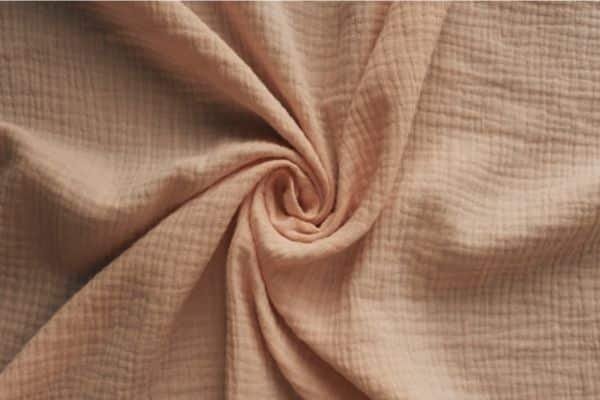
1. Gauze Muslin
Gauze muslin feels ultra-thin and airy. It allows excellent airflow. Therefore, it suits hot climates well. Moreover, it looks slightly translucent and crinkled.
Characteristics:
- Extremely lightweight fabric
- Highly breathable structure
- Soft and delicate texture
- Open weave for better airflow
Common Uses:
- Baby swaddle blankets
- Lightweight summer blouses
- Airy summer dresses
- Cheesecloth for food preparation
- Medical bandages and gauze
2. Mull Muslin
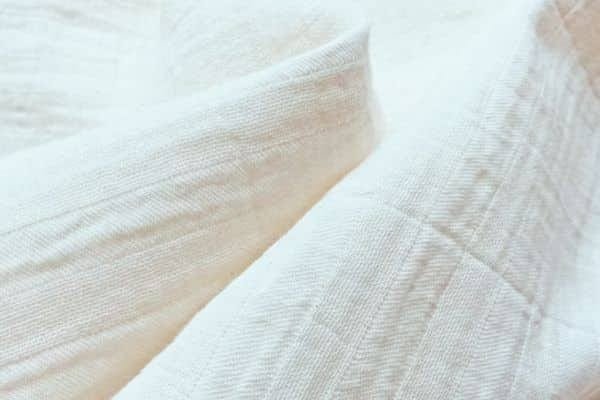
Mull muslin feels soft and refined. It offers more structure than gauze muslin. Therefore, designers use it for garment support. Additionally, it provides a clean, elegant look.
Characteristics:
- Soft and slightly firm texture
- Light but structured weave
- Slightly translucent surface
- Smooth and silky finish
Common Uses:
- Bookbinding and decorative crafts
- Jacket linings and suit foundations
- Night dresses and light garments
- Garment prototypes or toiles
- Elegant curtains and drapes
3. Swiss Muslin
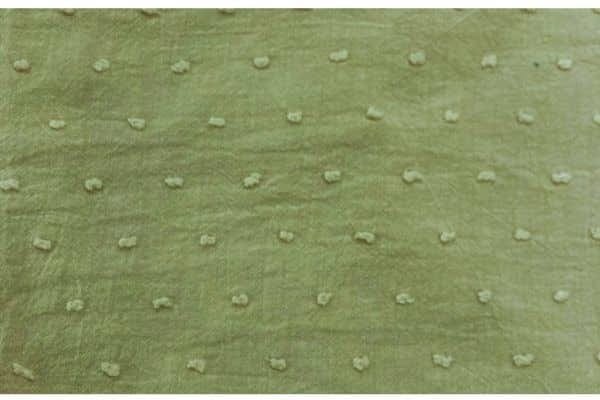
Swiss muslin looks fine and polished. It feels ultra-thin and smooth. Often, small embroidered dots decorate it. As a result, it appears elegant and delicate.
Characteristics:
- Ultra-thin and tight weave
- Soft and wrinkle-resistant feel
- Embroidered or polka-dotted designs
- Lighter than standard muslin
Common Uses:
- Ornamental household furnishings
- Babies’ dresses and christening outfits
- Children’s lightweight clothing
- Premium summer dresses and blouses
- Pleated curtains
4. Sheeting Muslin
Sheeting muslin is dense and durable. It lasts longer than lighter muslin types. Therefore, industries and homes use it widely. Moreover, it offers strength with simple weaving.
Characteristics:
- Heavier fabric weight
- Tightly woven structure
- Smooth yet slightly stiff texture
- Strong and long-lasting performance
Common Uses:
- Bed sheets and pillowcases
- Upholstery lining and furniture covers
- Stage costumes and photography backdrops
- Industrial filters and dust covers
Clothes Made from Sheeting Muslin:
Traditional plain kurtasIt’s heavier and has a stiffer weave. Durable and long-lasting. Smooth and slightly stiff texture.
- Structured tunics
- Durable work shirts
- Casual long skirts
- Aprons and utility garments

5. Voile Muslin
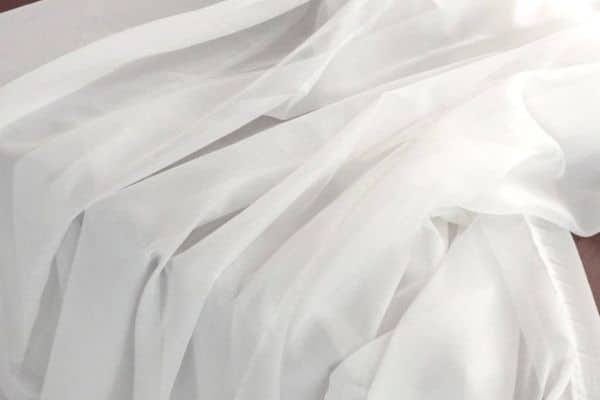
Voile muslin feels soft and airy. It drapes gently and looks elegant. Because it remains lightweight, it suits summer wear. Additionally, it offers breathability and comfort.
Characteristics:
- Semi-transparent fabric
- Fine and smooth weave
- Lightweight texture
- Soft and flowing drape
Common Uses:
- Summer dresses and skirts
- Sheer curtains and decorative drapes
- Scarves and shawls
- Lightweight fashion accessories
Clothes Made from Voile Muslin:
- Maxi dresses
- Beach cover-ups
- Flowy blouses
- Lightweight tunics
- Fashionable headscarves
6. Unbleached Muslin
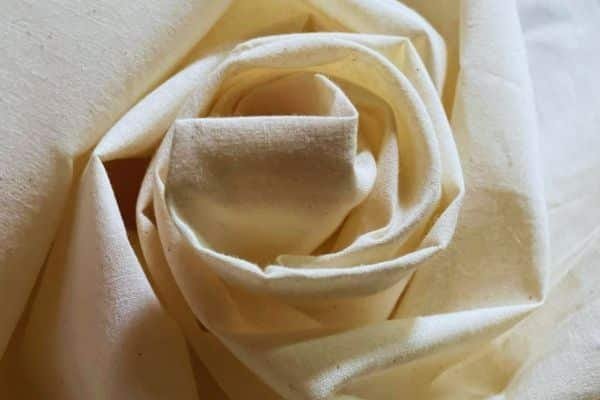
Unbleached muslin keeps its natural tone. It looks raw and organic. Therefore, sustainable brands prefer it. Moreover, it avoids chemical processing.
Characteristics:
- Natural off-white or beige color
- Breathable fabric
- Slightly rough texture
- No dyes or chemical treatments
Common Uses:
- Garment prototypes and mock-ups
- Reusable produce bags
- Upholstery lining
- DIY crafts and natural decor
Clothes Made from Unbleached Muslin:
- Eco-friendly tote bags
- Sustainable shirts
- Natural loungewear
- Handmade aprons
- Minimalist dresses
How to Care for Muslin Fabric
Taking proper care of muslin fabric ensures that it remains soft, durable, and long-lasting. Here are some tips for caring for your muslin items:
1. Washing
Muslin can be machine-washed, but it’s best to wash it in cold or lukewarm water to prevent shrinkage. Use a gentle detergent to preserve the fabric’s softness. Avoid using bleach on unbleached muslin, as this can damage the fibers.
2. Drying
Air drying is the best method for drying pure muslin fabric. If you must use a dryer, choose a low heat setting to avoid shrinking. Be cautious when drying colored muslin, as heat may cause fading.
3. Ironing
Muslin fabric is prone to wrinkles, but these can be easily removed by ironing on a low heat setting. For best results, iron while the fabric is slightly damp.
Why Choose Muslin Fabric?
Muslin fabric combines comfort, versatility, and design. Whether you’re searching for a lightweight summer dress, an effective household fabric or a unique photography prop, muslin is a cost-effective, sustainable alternative. Plus, due to its natural cotton content, it’s also eco-friendly for those who want a natural alternative to artificial fabrics.
What is Brocade Fabric?
Brocade has stood for class and beauty for centuries. Kings, priests and haute couture fashion designers preferred this fabric for its intricate design. Brocade displays more than a decoration; it is a demonstration of exceptional craftsmanship. Here, in this article, we will explore what brocade cloth is, what it is used for, and how it is made, as well as why it is still among the most used fabrics in the world today.
Conclusion:
Muslin is a timeless material that combines function with elegance. It’s comfortable, breathable and versatile across industries, making it a wardrobe staple for homes and offices. Whether you’re new to textiles, or simply wanting to get a little more informed, muslin is both an interesting combination of history, art and function.
FAQs
Muslin is traditionally woven from cotton, although it can be sewed onto natural fibres such as silk or bamboo.
Yep, muslin is highly breathable, perfect for the summer. You can also layer it during the cooler months.
Muslin generally goes for less than $100, but will be more or less depending on the quality and type of cotton you are using.