



The movement of fabric plays an important role in the comfort and style of clothing. People consider the softness, stretch and breathability of the fabric. However, the way fabric moves and behaves plays a big role in the overall feel of the garment and that answers the question: What is the fabric’s movement viscosity?
People may only think of viscosity when liquids are concerned, but helps to reverse the way fabrics move in conjunction to the body and explains why some fabrics feel are more flowy and some are more stiff and structured.
This is meant to give the most simple and clearest example of the functions of fabric and the feel of clothing, and how it plays a key role on a daily basis in comfort, drape, and general wear.
Table of contents
- The definition of viscosity in regard to the feel of fabric when worn
- The viscosity of fabric and clothing feel, made simple
- what does viscosity mean in the fabrics and clothing feel in fabric behavior of different fiber types
- How Does Viscosity Affect Fabric Feel and Yarn Cohesion in Clothing?
- How Does Viscosity Affect Fabric Feel and Structure in Different Weaves?
- How Does Viscosity Influence Fabric Feel and Drape in Clothing?
- What do viscosity and comfort tell us about fabrics?
- What does viscosity tell us about how fabrics drape in everyday use?
- What does viscosity tell us about fabrics and what clothing do you wear?
- How Does Viscosity Influence Fabric Feel and Performance in Blended Textiles?
- How Does Viscosity Impact Fabric Feel and Clothing Performance Across Various Climates?
- What does viscosity mean in fabric and clothing feel in practical examples?
- What Are the Benefits of Viscosity in Fabric Feel and Clothing?
- What Does Viscosity Mean In Fabrics And Clothing Feel Common Mistakes
- Key Considerations of Viscosity in Fabric Feel and Clothing Performance
- Conclusion
- FAQ’s
The definition of viscosity in regard to the feel of fabric when worn
The term viscosity is used to define the resistance of fabrics to movement. It is the same as a liquids thickness or thinness, but in this case is a comparison, not an exact property.
Fabrics are constructed from fibers and yarns, and all of these things move in conjunction with the body. The way a fabric moves can reflect these viscosity-like qualities. Sometimes, it can feel like a fabric that is smooth and fluid is one that moves freely. On the other hand, a fabric that is stiff and structured is one that resists movement.
The viscosity of fabric and clothing feel, made simple


Think of viscosity in the way that fabric behaves in movement. It can be characterized by how the fabric feels in motion, or if it remains stationary.
- Fabrics with low resistance will:
- Feel smooth and soft
- Easily move like the body
- And form a flowing shape
- Fabrics that high resistance:
- Feel quite firm and stable
- And hold their shape
- These fabrics tend to limit freedom of movement.
This can be used as a guideline to measure and characterize the feel of a fabric without much more than common sense knowledge.
what does viscosity mean in the fabrics and clothing feel in fabric behavior of different fiber types
In the realm of fabrics and textiles, the behavior of a fabric significantly relies on the type of fiber used, and each fiber possesses its distinctive quality.
Unlike cotton, viscose is fluid and soft in that it moves more freely. Cotton is soft but stable due to its lack of flow.
Polyester is more rigid. It lacks the smooth and easy glide of silk.
These distinct qualities help explain the differing textures of fabrics when worn.
How Does Viscosity Affect Fabric Feel and Yarn Cohesion in Clothing?
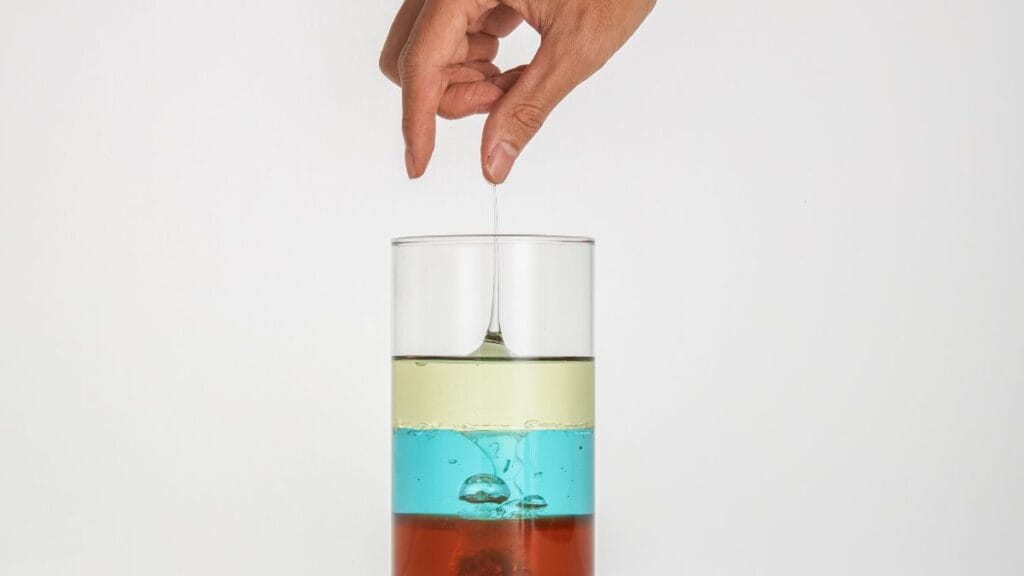
The structuring and cohesion of a yarn is a key component of how a fabric hangs.
Twist and tension is a key component in how a fabric behaves and how flexible or stiff a fabric may be
The design and cohesion of a yarn affects the comfort of a fabric when it is worn.
How Does Viscosity Affect Fabric Feel and Structure in Different Weaves?
Fabric Weave affects the behavior of a fabric in different components of the cycle.
The behaviors of different fabrics and how they feel and how fluid or stiff a fabric may be
How Does Viscosity Influence Fabric Feel and Drape in Clothing?
Fabric drape is described as how fabric behaves when it is worn and how it falls.
Low-resistance fabrics fall in soft, elegant shapes. High-resistance fabrics create sharp, defined shapes.
Designers use this information to style outfits. Flow-oriented fabrics suit relaxed outfits. High-resistance, firm fabrics create structured designs.
What do viscosity and comfort tell us about fabrics?
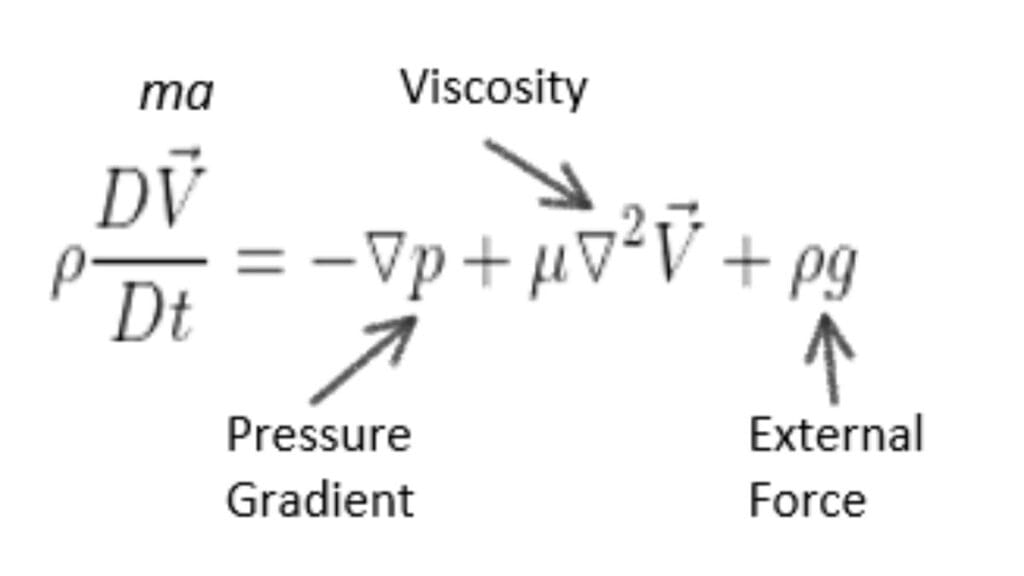
Comfortability is based on how fabrics engage your body. An easy way to gauge this is by checking how fluid or firm they feel. Fluid fabrics are typically lined with smooth seams to reduce friction with ease on the body. They are almost weightless.
Firm fabrics have the opposite effect. Stiff fabrics may reduce your comfort level by inhibiting your natural movements.
Comfort and aesthetic are centered on how well the fluid-negotiated balance between the two is.
What does viscosity tell us about how fabrics drape in everyday use?
Fluid fabrics in summer and informal wear foster better body engagement through and with the drape, offering the wearer sound comfort. The same is true in both formal and structured settings, where high-resistance fabrics are employed.
How well the purpose is achieved in both comfort and attractiveness can be enhanced with the proper choice and balance.
What does viscosity tell us about fabrics and what clothing do you wear?
Stretchable fabrics are firmly inelastic. They are close to being firm fabrics.
Fabrics may be fluid without adding weight. Silk is the best example of the balance between flow in where the direction of seams meet and where fluid drapes without losing inelasticity.
Better choices are borne from an understanding of the dynamic.
How Does Viscosity Influence Fabric Feel and Performance in Blended Textiles?
Fabric blends use multiple fibers to impact the behavior of the fabric.
Blending fabrics can offer a variety of benefits like increased softness, strength, and flow. An example of a balanced flow and strength fabric is a polyester and viscose blend.
Blending fabrics can also combine benefits like increased stretch and comfort with an added elastane blend.
Getting the right flow balance with a blend of multiple fabrics is key to the varied uses fabrics.
How Does Viscosity Impact Fabric Feel and Clothing Performance Across Various Climates?
Climate plays a big role in how fabrics feel. For hot climates a fabric should feel flowing and light with enough airflow to cool the skin like an airscape fabric.
In cold climates a thicker fabric will trap air inside, warm the body, and help block the cold like a positively flowing fabric.
Low resist feel fabrics are going to be more breathable. High resist feel fabrics are going to be more protective. Choosing the right fabrics is key to comfort in various climates.
What does viscosity mean in fabric and clothing feel in practical examples?
To make this even more tangible we can look at some examples.
For example, this flow of viscose fabric is perfectly suited to a summertime dress. In the summer, denim jackets definitely have more of a firm, cool feel.
A silk scarf exudes a feel of class, gliding effortlessly over other fabrics rather than pilling, providing a soft feel.
What Are the Benefits of Viscosity in Fabric Feel and Clothing?
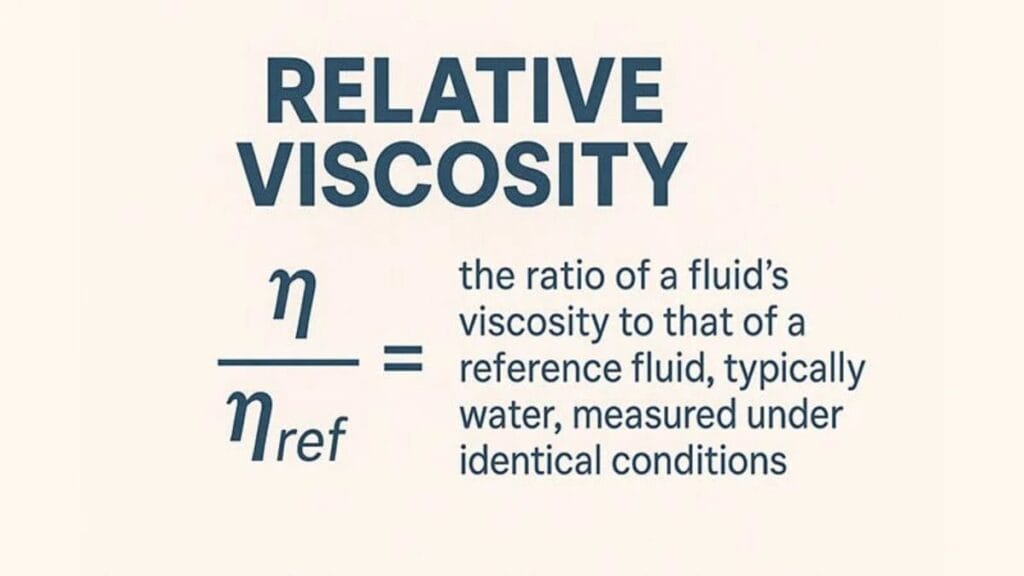
- Also this concept helps in a variety of ways.
- It improves fabric selection,
and makes the right clothing choices
and better fashion choices, helps in a variety of ways. - It a variety of ways this concept allows you to make better shopping choices and design choices.
What Does Viscosity Mean In Fabrics And Clothing Feel Common Mistakes
Misunderstanding fabric behavior is common.
Some think that all soft fabrics are easily flowing. Others think something that stretches must also be flowing. Some do not consider the influence of weave and yarn construction.
These misconceptions lead to bad decisions. Jargon at an elementary level will enable you to avoid these misconceptions.
Key Considerations of Viscosity in Fabric Feel and Clothing Performance
- Consider what you are buying clothes for, and what’s important.
- Type of Fiber
- Fabric Construction
- Needed for
- Weathers
- Yarn
- Stretches and Endures
- These will determine how these are.
Conclusion
Viscosity is the term for the aspect of a material that describes how they resist to flow. In fabrics it is a way of explain the fabric of something and how they move. Also, explain all the other fabrics that all flow.
Fabric Selection is simple. You will enhance clothing and improve appearance.
Fabric movement is clothing. Over view.
Viscosity is how fabrics move when worn. Different fabrics move, flow, and feel to the body in movement.
FAQ’s
It describes how fabric moves and resists flow during motion.
No, stretch relates to elasticity. Viscosity relates to flow.
Silk and viscose flow smoothly and feel soft.
Denim and polyester feel more structured.
It affects comfort, movement, and overall clothing feel.