


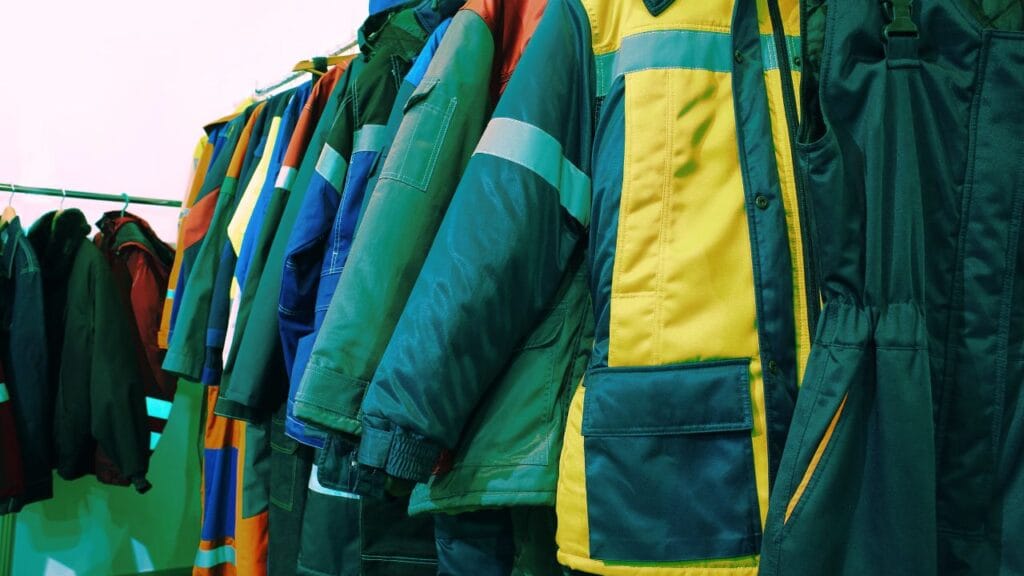
In industrial settings, comfort and mobility are not the only prerequisites; protection and durability of the equipment are equally significant. To that end, work wear jackets must be selected carefully. Depending on the industry and specific job requirements, these jackets can offer protection from severe temperatures wish precaution against visibility hazards. In this piece, we aim to analyze the different types of work wear jackets utilized in industries, discussing their distinct purposes and functionalities.
1. Hi-Visibility Jackets (Hi-Vis Jackets)
Optimal for: Construction sites, road work, transportation, mining
These jackets (commonly referred to as Hi-Vis or High-Visibility Jackets) have been properly designed with deadly fluorescent yellow and orange colors as well as reflective strips as they must ensure the workers will be visible at any given moment. In some industries, these jackets incresingly look to be a legal requirement tempfile in order to cut livre.
- Reflective tape
- Waterproof options
- Seasonal insulation and weight variations
2. Flame-Resistant Jackets (FR Jackets)
Best for: Welding, oil & gas, electrical work, chemical plants
FR jackets are important PPE for hazardous occupations as they protect the wearer from high temperatures, flames, and electric arc flash using materials that resist burning or ignition.
Key Features:
- Arc-rated and NFPA 2112 compliant
- Durable fabrics like Nomex, Modacrylic, or treated cotton
- Often combined with insulation for cold weather
3. Insulated Work Jackets
Best for: Outdoor labor in cold climates, warehousing, logistics
Insulated work jackets are designed to allow movement while ensuring warmth. They are ideal for workers who spend long hours working outdoors in cold environments.
Key Features:
- Fleece, quilted, or thermal lining
- Water-resistant outer layers
- Heavy-duty zippers and multiple pockets
4. Waterproof & Rain Jackets
Best for: Agriculture, fisheries, construction during rainy seasons
Waterproof work wear jackets offer protection against the rain, snow, and moisture while maintaining flexibility. They are vital for use in wet environments.
Key Features:
- Sealed seams to prevent leaks
- Adjustable hoods and cuffs
- Breathable membranes to reduce sweating
5. Softshell Work Jackets
Best for: Indoor and outdoor tasks requiring flexibility.
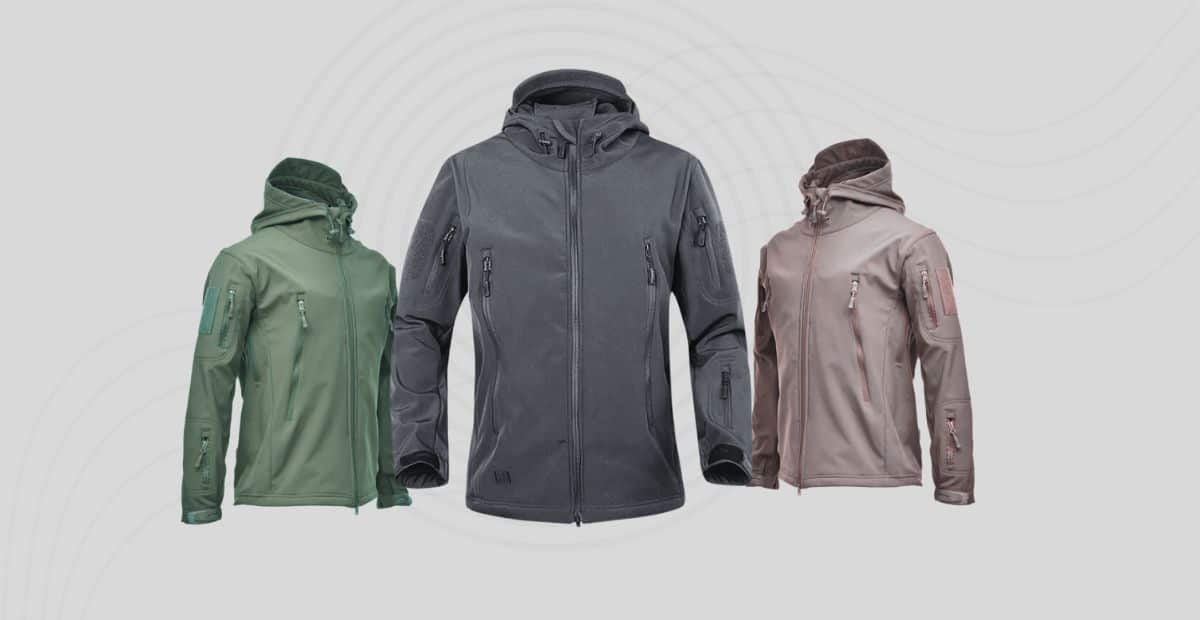
Softshell jackets combine the properties of warmth and breathability. They do not offer full waterproof protection but will resist light rain and wind, making them suitable for moderate climates and physically demanding jobs.
Key Features:
- Stretchable, lightweight material
- Wind resistant
- Stylish and comfortable for everyday wear
6. Welding Jackets
Best for: Welding operations, foundries, and metal shops
Welding jackets are often constructed from heavily treated leather or cotton to guard against sparks, molten metal, and extreme heat. They are exceptionally durable and protective.
Key Features:
- Fire-retardant leather or cotton
- Heat and flames resistant
- Sturdy reinforced seams and snap buttons
7. Lab & Shop Coats
Best for: Laboratories, pharmacies, electronic assembly
While not technically jackets, lab and shop coats are considered protective outwear. They serve to guard against light splash, dust, and minor cuts in clean or controlled environments.
Key Features:
- Light in weight and allows air flow
- Can be closed by buttons or snaps
- May be anti-static and/or flame-retardant
8. Utility or Multi-Pocket Jackets
Best for: Mechanics, electricians, and maintenance staff
These jackets help store tools with multiple pockets designed for accessories. They often have reinforcements as well to improve durability and efficiency.
Key Features:
- Multiple storage pockets
- Superior durability
- Made from canvas or polyester-cotton blends
Improper Work Wear Jackets Can Impact Safety and Performance
In industrial settings, wearing an incorrect jacket can breach safety protocols, hinder functionality, or escalate the chances of injuries. With proper work wear jackets specific to the industry:
- You shield your employees from potential environmental risks.
- You maintain adherence to safety regulations set by the industry.
- You enhance comfort and reclaim productivity through long shifts.
- If you want to read a detailed article on 24 types of Jackets you can visit this article.
Final Thoughts
High-visibility and flame-resistant work wear jackets have distinct and critical functions. Understanding the different types of work wear jackets and their functions enables one to ensure safety, compliance, and efficiency at the workplace.
At Fashion Soul International, we also design and supply an extensive collection of custom work wear jackets across various industries. View our catalog or reach out to us for bespoke B2B manufacturing services that prioritize safety, comfort, and quality.