


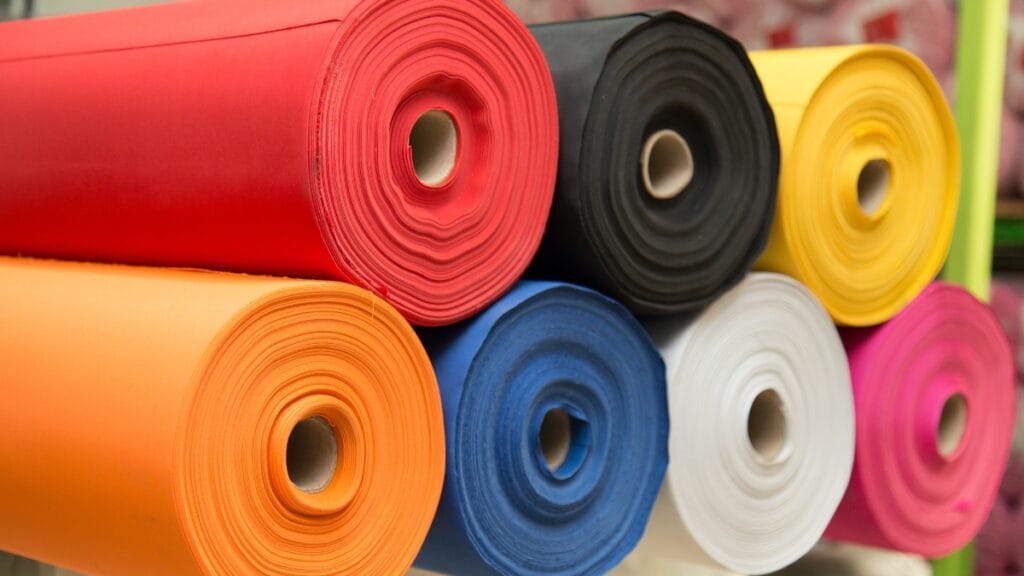
Swimwear is a must have for pool days, or going to the beach, or playing water sports. Finding the perfect swimwear is more than just a matter of taste – the material will define how comfortable, durable and efficient the act of swimming is. In this resource, we’ll discuss some features that are important to consider when choosing swimwear fabric so that you can make the best fashion choice for your needs.
Table of contents
Why Swimwear Fabric Matters
The fabric is the basis for the comfort, fit, and performance. The right material improves the water comfort and resists the effects of chlorine, saltwater and sun. Knowing of the types of swimwear fabrics and what makes them stand out, you can buy wisely.
Types Swimwear Fabric: What to Know
Swimwear fabrics come in all varieties, from synthetic fabrics that are designed for durability to eco-friendly fabrics that are designed to reduce the impact on the environment. Let’s break down the most popular fabrics and significant features of the same.
1. Nylon: The Popular Choice for Swimwear Fabric
Nylon is one of the most used fabrics in swimwear. It offers a comfortable and functional blend due to its durability, smooth texture and ability to dry faster. Nylon swimwear fabric does not fade so quickly and is popular for both floral and bright colors and patterns.
- Benefits: This property is fast drying, durable and light.
- Best For: Day to day swimwear and funky bright styles.
The nylon is also impervious to chlorine, meaning that the color and elasticity of the piece is preserved after multiple washes. It may lose shape over time, so look at blends with spandex or elastane for an added strength.
2. Spandex/Elastane: Stretch and Flexibility
Spandex or elastane (also known as Lycra) offers extremely high elasticity. It can stretch up to five times its original length and when designers combine it with nylon or polyester, it molds to the body and retains its shape.
- Benefits: Maximum stretch, excellent in shape retention and flexible.
- Best For: Competitive Swimmers/ Active Swimmers/Tight-Fitting Suits
Spandex allows a close-fitting garment that gives freedom of movement in case of activity (e.g., water sports, lapping).
3. Polyester: Hard Wearing and Chlorine Resistant
Polyester is another leading material of choice especially for frequent use at pools or swimming competitively due to their resistance to chlorine. It maintains color for a longer period of time than nylon and has good UV protection.
- Benefits: Chlorine resistant, no colorfast, unfastenable.
- Best For: Frequent swimmers, competitive swimmers, lounge-ing by the pool;
Polyester maintains its shape after repeated wearings and it is not as stretchy as nylon or spandex but it is durable and thus perfect for long-lived swimwear.
4. Lycra:Premium Comfort and Fit
Manufacturers make Lycra, a trademarked fabric of spandex, to provide stretch with a luxurious feel, and high-end brands use it to achieve a second-skin fit and a streamlined silhouette.
- Benefits: Superior level of comfort, stretch and shape retention.
- Best For: Swimsuit (for swimming), sophisticated and flattering designs.
Lycra to allow you wonderful movement – best for swimmers wanting a suit to match their movements.
5. Eco friendly Fabrics: Eco Friendly Swimwear Considerations
Eco-friendly brands are now playing with green technology by using recycled fabrics such as ECONYL® (made from regenerated nylon), or organic cotton. These choices are attractive to the sustainable.
- Benefits: Eco-friendly business, promotes waste reduction, promotes ocean conservation
- Best For: Eco conscious buyers, sustainable swimsuit buyers.
Although eco-fabrics are possibly not as durable as synthetics, they still offer stylish and comfortable alternatives that save the planet.
Key Features of High-Quality Swimwear Fabric
Now that you’re familiar with some of the most common swimwear fabrics, let’s explore the key features to look for when choosing high-quality swimwear.
1. Chlorine Resistance
Clarification of the chlorine is extremely necessary. Chlorine has the tendency to stretch fabrics and destroy color so look for fabrics that resist chlorine. Polyester and PBT (Polybutylene Terephthalate) are excellent in chlorine resistance and this makes them suitable for regular swimmers.
2. UV Protection
UV protection is important when in long exposure to the sun. The best fabrics block the harmful UV rays and reduce the risk of sunburn, as well as long duration damage on our skin. There are blends of polyester and nylon that have UV protection built in to tolerate outside activities.
3. Quick-Drying Properties
Quick drying fabrics, which do not make you feel uncomfortable after a swim. Nylon and polyester dry rapidly and do not encourage dampness that lingers after getting out of the water. Quick-drying so that you can be off to your next fun time
4. Comfort and Fit
Comfortable fit is key. Look for high stretch fabrics such as spandex or Lycra, that contains a snug fit and is not too tight. A well fitted suit allows you to be mobile, whether swimming or lounging.
5. Durability and Longevity
Durability is critical. High quality fabrics are constructed to withstand saltwater, chlorine and sun. Polyester and Lycra both are durable and retain color and shape for many seasons.

How to Care for Your Swimwear Fabric
To make sure that your swimwear maintains its life as long as possible, you should take good care of them. Follow these tips to preserve the quality of your swimwear fabric:
- Rinse After Each Use: Rinse your swimwear with fresh water as soon as you are done swimming to get all the chlorine or salt water off it.
- Hand wash: Do not use washing machine as the movement involved rubs the fabric. Instead gently hand wash your swimwear with mild detergent.
- Air dry: Always air dry your swimwear. Wring out is not advantaged because it can distort the fabric. Never put it in a dryer.
By following these simple care instructions, you can ensure that your fabrics in swimwear remain in perfect condition, and that your swimsuit will survive for a longer period of time.
Conclusion
Choosing the proper swimwear fabric is key to getting the right and proper combination in your swimsuit that can competently provide you that right balance of comfort, durability and performance. Whether you are a user of nylon, spandex, polyester or eco-friendly fabrics, knowing the main characteristics of each type of fabric will help you make a more informed decision. When choosing swimwear, always consider chlorine resistance, UV protection, and comfort, as these aspects define a swimsuit that looks great and performs well.
Investing in good quality swimwear fabric would make sure that you’d be enjoying your swimsuits for many seasons to come. So next time you’re out shopping for swimwear, you may want to look at the type of fabric as a key component in your purchase as well as enjoy a swimsuit that feels as good as it looks.
FAQs
1. Which is the Best Thermal Chlorine Chlorine Resistant for swim wear material?
Polyester is generally considered to be the best chemical resistant swimwear fabric. It resists chlorine exposure well so that your swimsuits will maintain their shape and color longer than other ones.
2. Is Lycra a good material for swimwear?
Yes, Lycra is a perfect fabric for swim wear because of its stretch, comfort, and way that it holds its shape. It’s often used as a fabric for performance and high-end swimwear because it’s a good material with a premium feel.
3. Are eco-friendly swimwear fabrics durable?
Eco-friendly fabrics such as recycled nylon and organic cotton are also available and are durable, but may not be as long-lasting compared to synthetic materials such as polyester. But they are still a pretty good choice for sustainable swimwear.