


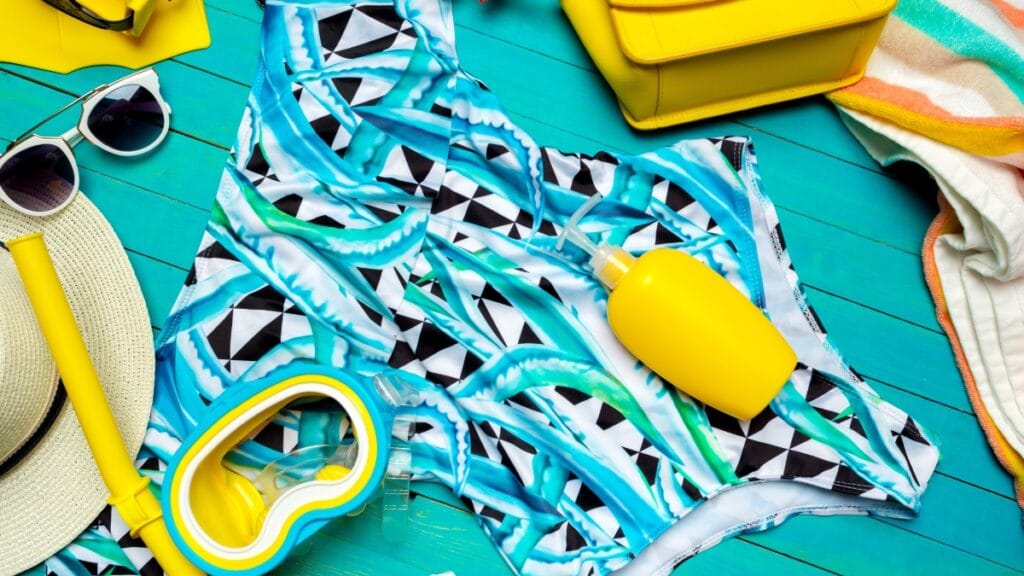
Swim Trunk Material defines comfort, durability, and performance. Therefore, you must choose Swims Trunk Material carefully. The right Swim Trunk Material improves movement and confidence. Moreover, quality Swim Trunk Material enhances beach style. Many buyers overlook fabric details, but smart shoppers always check quality first. Because the material touches skin directly, it impacts comfort every day. Additionally, good fabric controls drying speed efficiently. As a result, selecting the right option prevents irritation and keeps you comfortable. In this guide, you will learn how to choose the best fabric for lasting performance and comfort.
Table of contents
What To Look For In Swim Trunk Fabric
Before we begin, it is important to familiarise yourself with the qualities of great swimwear fabric. Ideally, fabrics should be lightweight, breathable, and quick drying. In addition, the fabric should also be resistant to wear caused by chlorine, saltwater, and the sun’s UV rays. As a result, these qualities help create fabric that will perform well and last through several long seasons.
When looking for swim trunks, focus on the following characteristics in the fabric:
- Comfort: First of all, the fabric should be soft on your skin and allow for full movement.
- Durability: Secondly, swim trunks take a beating. From chlorine and salt water to the roughness of sand, the fabric must be durable to take the beating and maintain the looks and feel over time.
- Quick-Drying: Additionally, fabrics that dry quickly help to prevent discomfort and chafing after swimming. For example, jumping into the pool shouldn’t mean extra discomfort after a swim, and quick drying fabrics help prevent that.
- Breathability: Lastly, swim trunks should be able to provide airflow to the body. Therefore, extra airflow helps you remain cool and manage moisture.
Now, let’s explore the best materials possible to help maintain maximum comfort and style.
Nylon Swim Trunk Material for Lightweight Performance
Nylon Swim Trunk Material feels smooth and light. Therefore, many athletes choose nylon Swim Trunk Material. Additionally, nylon Swim Trunk Material stretches naturally. Because nylon absorbs less water, Swim Trunk Material dries quickly. However, nylon Swim Trunk Material may fade faster. Consequently, brands treat nylon Swim Trunk Material with UV protection. As a result, advanced Swim Trunk Material maintains performance longer.
Why Nylon Swim Trunk Fabric is the Number One Choice
In particular, nylon is the fabric of choice for swim trunks because it is extremely fast drying. After a swim, you’ll find that your trunks don’t retain much water at all, helping you avoid discomfort while you relax or even change afterwards. Moreover, the durability of nylon fabric means swim trunks can maintain their appearance and functionality for years, regardless of how rough an impact salt water or chlorine may bring.
When swimming, comfort is key. Thankfully, the nylon used in some swim shorts helps with this, as it feels smooth and soft. Furthermore, the breathability and elasticity of the fabric make nylon swim shorts suitable for both active beachgoers and loungers.

Pros of Nylon Swim Trunk Fabric
- Quick-drying: Therefore, great for any type of summer activities.
- Durable: Additionally, resistant to chlorine, salt, and UV exposure.
- Comfortable fitting: As a result, the soft and stretchy feel makes it snug without being restrictive.
Cons of Nylon Swim Trunk Fabric
- Fading: However, even when the fabric is durable, it is prone to sun exposure, and the color may fade.
- Pilling: Over time, some swim shorts may encounter fabric pilling.
Polyester as a Popular Swim Trunk Material
Polyester dominates global swim trunk production due to its durability. Because it resists chlorine, garments last much longer. Moreover, polyester holds color exceptionally well, making it a favorite among brands. Additionally, this fabric dries quickly, which improves overall comfort. However, some polyester options feel slightly stiff. Consequently, manufacturers often blend it with elastane, creating a flexible and more comfortable material. As a result, modern swim trunks combine durability with superior movement and performance.
Why Pick Polyester for Your Swim Trunks
Notably, polyester is a strong material due to its ability to withstand water and UV rays. In turn, this protects against water damage, UV damage, and fading. Additionally, polyester has a better chance of preventing shrinkage and stretching than its counterparts. As a result, swim trunks made of polyester hold their shape longer.
Moreover, polyester is viewed as environmentally friendly, since swim trunks can be made from recycled plastic and other materials.
Benefits of Polyester Swim Trunks
- Superior fade and shrink resistance: Therefore, polyester holds its color and shape longer.
- Fast drying: Likewise, polyester trunks dry faster than many other materials.
- Recycled: Importantly, polyester can be made from recycled plastic.
Drawbacks of Polyester Swim Trunks
- Breathability: Unfortunately, polyester is not as breathable as other materials.
- Stiff feeling: In some cases, polyester trunks may feel stiffer.
Spandex/Lycra: Always a Fave
Meanwhile, spandex is one of the most sought-after materials due to its stretch and flexibility. Typically, it is blended with nylon or polyester.
Why Spandex is a Great Choice for Impeccable Swimwear
Because of its elasticity, spandex allows extreme range of motion. For example, you can swim, relax, or play beach volleyball comfortably. Additionally, blended spandex swim shorts usually hold their shape even after many washes.
Advantages of Swim Trunks with Spandex
- Amazing stretch: As a result, maximum range of movement
- Shape retention: Therefore, resists losing fit
- Great airflow: Consequently, keeps you cool
Disadvantages of Spandex Swim Trunks
- Can be see-through: In low-quality fabric, transparency may occur
- Can wear out: Over time, elasticity may reduce
Microfiber: Easy and Quick to Dry
Another popular option, microfiber is a synthetic fabric known for softness and absorbency.
Why Microfiber is the Best Fabric for Swim Trunk Fabric
Not only is microfiber soft, but it is also lightweight and breathable. As a result, it dries very quickly. Additionally, microfiber is resistant to fading, keeping trunks looking new longer.
Pros of Microfiber Swim Trunk Fabric
- Soft and lightweight
- Quick drying
- Fading resistance
Cons of Microfiber Swim Trunk Fabric
- Less durable: Compared to nylon, it may wear faster
- Prone to sand: Unfortunately, it traps sand easily
Saltwater Protection in Swim Trunk Material
Saltwater affects different fabrics in unique ways. Therefore, marine-resistant options improve durability significantly. Additionally, special coatings help resist corrosion and fiber damage. Because beach exposure remains harsh, quality materials must withstand constant salt contact. Moreover, strong Swimwear Fabric Types help maintain color vibrancy longer. Consequently, well-engineered fabrics perform better in ocean conditions and last through repeated beach use.
UV Protection in Swim Trunk Material
UV rays damage low-quality fabrics quickly. Therefore, UV-protective materials shield skin more effectively. Moreover, treated textiles reduce fading and fiber breakdown. Because sun exposure stays intense during summer, proper protection becomes essential. Additionally, advanced Swim Trunk Material now include UPF technology for better safety. As a result, protective fabrics support longer and more comfortable beach sessions.
Eco-Friendly Swim Trunk Material Options
Sustainable options continue to gain strong popularity. Therefore, recycled polyester supports environmental goals efficiently. Moreover, eco-conscious fabrics help reduce plastic waste worldwide. Because sustainability influences buying decisions today, innovation in this sector continues growing rapidly. Additionally, green Swimwear Fabric Types attract responsible and aware consumers. Consequently, brands that choose sustainable textiles build long-term trust and loyalty.
Final Thoughts on Choosing Swim Trunk Material for Comfort
Swim Trunk Material determines overall swimwear satisfaction. Therefore, you must prioritize Swim Trunk Material research. Moreover, quality Swim Trunk Material improves durability and style. Because comfort matters daily, select Swim Trunk Material wisely. Additionally, compare Swimwear Fabric Types before purchasing. Consequently, the right Swim Trunk Material guarantees confidence, comfort, and performance.
FAQs
Generally, polyester is the most durable option.
Yes, spandex provides excellent stretch and comfort.
To begin with, rinse after use. Additionally, avoid sun exposure and wash gently.