


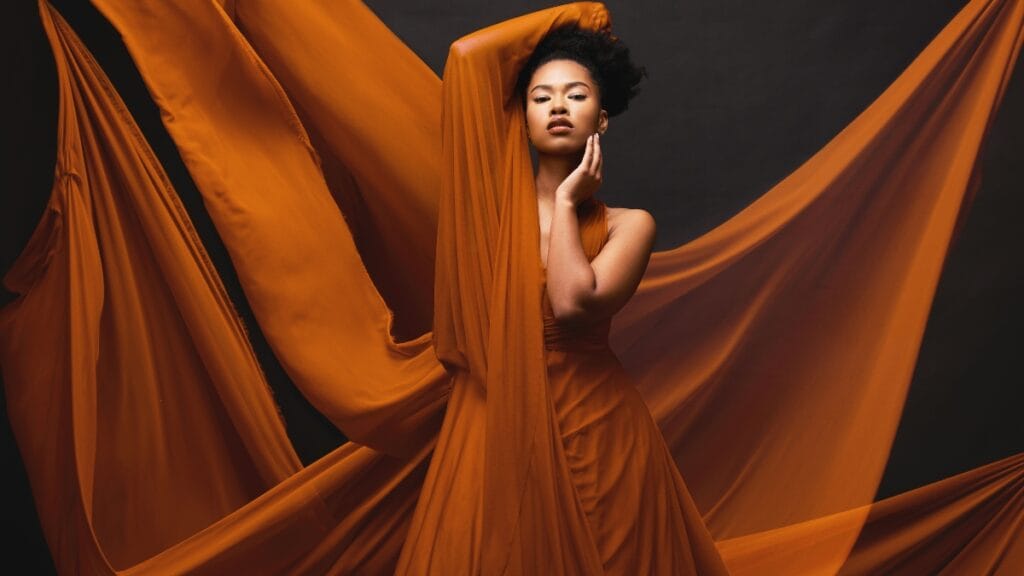
Sheer fabric is a versatile, elegant, and lightweight material that has become a staple in modern fashion and interior design. Whether you’re designing a flowy gown, creating delicate curtains, or styling a fashionable blouse, sheer fabric adds an instant touch of sophistication and femininity. Its delicate beauty makes designs feel soft and graceful, but choosing the right sheer fabric can sometimes feel overwhelming.
In this guide, we’ll explore everything you need to know about sheer fabrics, how to choose the perfect material for your design, and the key factors to consider before making a decision. We’ll also look at popular types of sheer fabrics, their uses, and practical tips for working with them. By the end, you’ll feel confident and ready to select the ideal sheer fabric for your next project.
Table of contents
What is Sheer Fabric?
Sheer fabric refers to any material that feels light and appears semi-transparent, allowing light to pass through while still offering some coverage. These fabrics have an airy, almost ethereal quality, which makes them perfect for designs that need movement and flow.
Common sheer fabrics include chiffon, organza, tulle, georgette, and voile. Manufacturers often create these fabrics using silk, polyester, or nylon, though natural fibers like cotton and linen are also used. While sheer fabrics may look fragile, many options are surprisingly durable and available in a wide range of textures and finishes.
Designers widely use sheer fabrics in fashion, wedding dresses, evening gowns, blouses, and home decor items like curtains and table linens. You can use them to add texture, create layers, or give a design a soft and flowing appearance.
Types of Sheer Fabric
When choosing sheer fabric for your design, understanding the different types makes the process much easier. Each type offers unique qualities that suit specific uses. Here are some popular sheer fabrics to consider:
1. Chiffon Sheer Fabric
Chiffon is one of the most commonly used sheer fabrics in fashion. It feels lightweight and delicate, with a slightly crinkled texture that creates a dreamy, flowing look. Designers often choose chiffon for evening gowns, bridal wear, and blouses because it drapes beautifully and layers well.
2. Organza Sheer Fabric
Organza is a crisp and structured sheer fabric often chosen for wedding dresses, formal wear, and decorative accents. Its smooth surface and subtle sheen make it ideal for adding volume and shape. Organza holds its form well, which works perfectly for bows, ruffles, and pleated details.
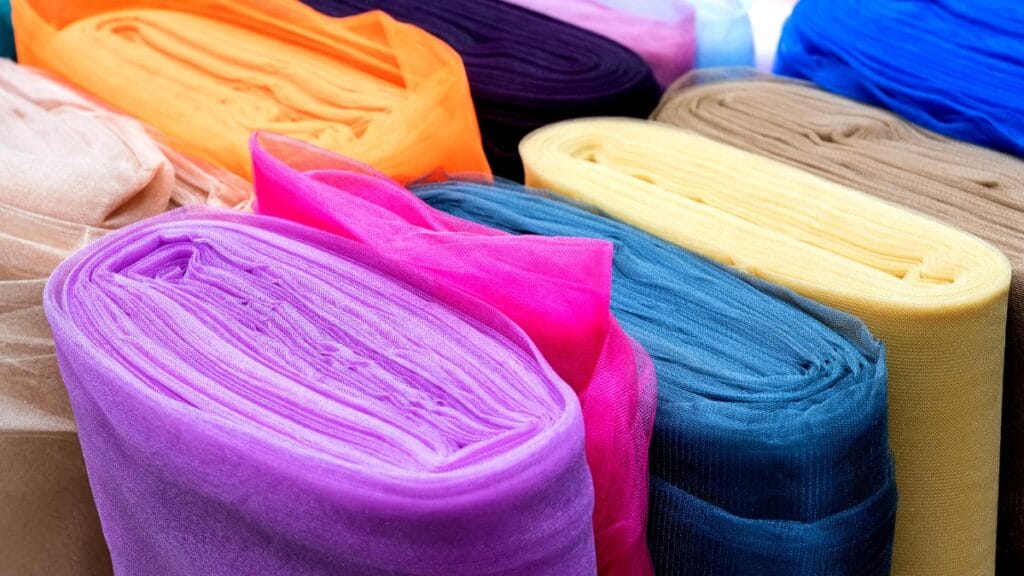
3. Tulle Sheer Fabric
Tulle is a net-like sheer fabric commonly seen in wedding veils, tutus, and decorative designs. The thickness of the threads determines whether it feels soft or stiff. Designers love tulle because it adds volume and texture without making the design feel heavy.

4. Georgette Sheer Fabric
Georgette is a fabric made from silk or polyester, known for its soft drape and slightly crinkled texture. It flows beautifully, making it a great choice for dresses, skirts, and tops. Its lightweight feel gives garments a comfortable and airy appearance.
5. Voile Sheer Fabric
Voile is a lightweight sheer cotton fabric that works well for summer dresses, blouses, and curtains. It offers just the right amount of transparency without feeling too revealing. Because voile is breathable and soft, it’s a great option for everyday and casual wear.
Factors to Consider When Choosing Sheer Fabric
Choosing the perfect sheer fabric involves more than selecting something that looks pretty. Several practical factors influence how the fabric performs and feels in your design.
1. Purpose of the Design
Start by thinking about the purpose of your design. Are you creating a formal gown, a casual blouse, or elegant curtains? The intended use directly affects the type of sheer fabric you should choose.
For formal wear, fabrics like chiffon, organza, and georgette offer a refined and elegant look. For casual clothing or home decor, voile or cotton-based sheers often work better.
2. Weight and Drape
Sheer fabrics come in different weights, and this affects how they fall and move. Lighter fabrics like chiffon and voile create soft, flowing designs, while heavier sheers such as organza and georgette provide more structure.
If your design needs shape and volume, choose a fabric with more weight. For airy and fluid silhouettes, lighter fabrics work best.
3. Transparency
Transparency plays a major role when working with fabric. Some designs require more coverage, while others embrace a bolder, translucent look.
For modest designs, layering or choosing a slightly thicker sheer fabric adds coverage. If you want a more daring style, thinner fabrics allow subtle hints of skin to show through.
4. Texture and Finish
Texture and finish strongly influence the final look of your design. Chiffon and georgette offer a soft, romantic feel due to their crinkled texture. Organza feels smooth and slightly shiny, making it ideal for polished and formal pieces.
Tulle adds depth with its net-like texture, while voile feels smooth and lightweight, which suits relaxed and casual garments. Choose a texture that matches the overall mood of your design.
5. Color and Pattern
Sheer fabrics are available in a wide range of colors and patterns. Soft pastels create a romantic and gentle look, while bold colors make designs stand out.
When using patterned sheer fabrics, consider how the pattern appears once layered. Some designs look subtle, while others become more striking. Layering sheer fabric over solid materials can also create a beautiful visual effect.
Tips for Working with Sheer Fabric
Sheer fabrics can feel challenging at first, but the right techniques make a big difference.
1. Use the Right Needle and Thread
Always choose a fine needle, such as a 70/10 or 80/12, to protect delicate fibers. Pair it with a lightweight thread that matches the fabric for best results.
2. Stabilize the Fabric
Because sheer fabric tends to slip, stabilizing it helps a lot. Using tissue paper or light fusible interfacing prevents shifting and allows cleaner stitching.
3. Use French Seams
Sheer fabrics fray easily, so strong seams matter. French seams enclose raw edges and give the garment a clean, professional finish.
4. Be Gentle When Handling
Handle sheer fabrics carefully to avoid stretching or tearing. Use a light touch when pinning, cutting, and sewing.
5. Test the Fabric
Before starting your project, test a small fabric swatch. This helps you understand how the fabric reacts to stitching and hemming, saving time and frustration later.
Conclusion
Sheer fabric brings elegance, softness, and versatility to any design. Whether you’re creating a delicate dress, airy curtains, or a stylish blouse, selecting the right fabric makes all the difference. By focusing on purpose, weight, transparency, texture, and finish, you can confidently choose a fabric that brings your vision to life.
When working with sheer fabrics, patience and proper techniques go a long way. Use the right tools, handle the material gently, and always test before starting. With these tips, you’ll be ready to create stunning designs that truly stand out.
FAQs
1. Can sheer fabric be used for everyday wear?
Yes, sheer fabric works well for everyday wear, especially when layered. Sheer tops, blouses, and dresses feel stylish and breathable for casual outfits when paired thoughtfully.
2. How do I care for sheer fabrics?
Care depends on the fabric type. In most cases, hand washing or using a delicate machine cycle helps prevent damage. Always follow the care instructions on the label.
3. Is sheer fabric suitable for formal occasions?
Yes, sheer fabrics like chiffon, organza, and georgette suit formal occasions beautifully. Designers often use them for weddings, evening events, and gowns because of their elegant and flowing nature.