


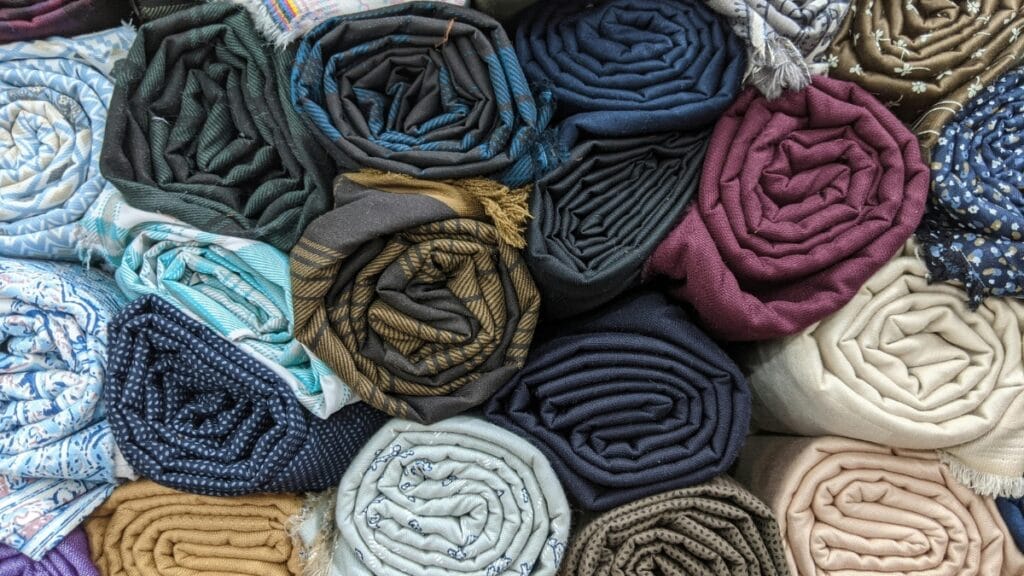
There is a lot of creativity and craftsmanship that goes into sewing. Whether you are an expert or a novice, using the right type of sewing machine fabric can enhance the quality of your sewing project. By understanding a fabric’s properties and how it interacts with your machine, thread, and needle, you can elevate your sewing results. This guide explores the verticals of sewing fabric and offers expert advice to help you achieve excellent and successful outcomes.
Table of contents
Why Is “Sewing Machine Fabric” Important?
The type of fabric you choose heavily influences the outcome of a sewing project. Since not all fabrics suit every sewing machine, selecting a compatible fabric saves time and prevents frustration. The right sewing fabric helps you achieve:
- No snags, puckers, or skipped stitches.
- Smooth and even seam results.
- Durable and comfortable finished products.
To simplify the concept of sewing machine fabric and help you make better choices based on your fabric and machine, let’s classify different types of sewing machines and sewing fabrics.
Choosing the Right Fabric for Your Sewing Machine
When choosing sewing machine fabric, focus on how different fabric types interact with your sewing machine during the sewing process.
Sewing Machine Fabric Weight and Thickness
The weight and thickness of sewing fabric directly affect how easily the machine sews through it. Some home sewing machines perform best with lightweight fabrics, while heavier materials such as denim, canvas, and upholstery require stronger machines and needles.
Before selecting heavier sewing machine cloth, check whether your machine can handle thicker materials. Some machines offer special settings for heavy fabrics, while others include different presser feet for better control. For smooth and consistent sewing, always choose a fabric that matches your machine’s capabilities.
Sewing Machine Fabric Stretch and Flexibility
Stretchable sewing machine cloth, such as knits, requires extra care during sewing. Fabrics that easily snag, stretch, or pucker can create challenges if handled incorrectly. Most modern sewing machines support stretch fabrics and allow you to adjust stitch length and tension to suit the sewing fabric.
Using a ballpoint needle for knits helps you achieve clean stitches on stretch fabrics. These needles protect the fabric fibers and reduce damage during sewing.
Texture of Fabrics and Finishes
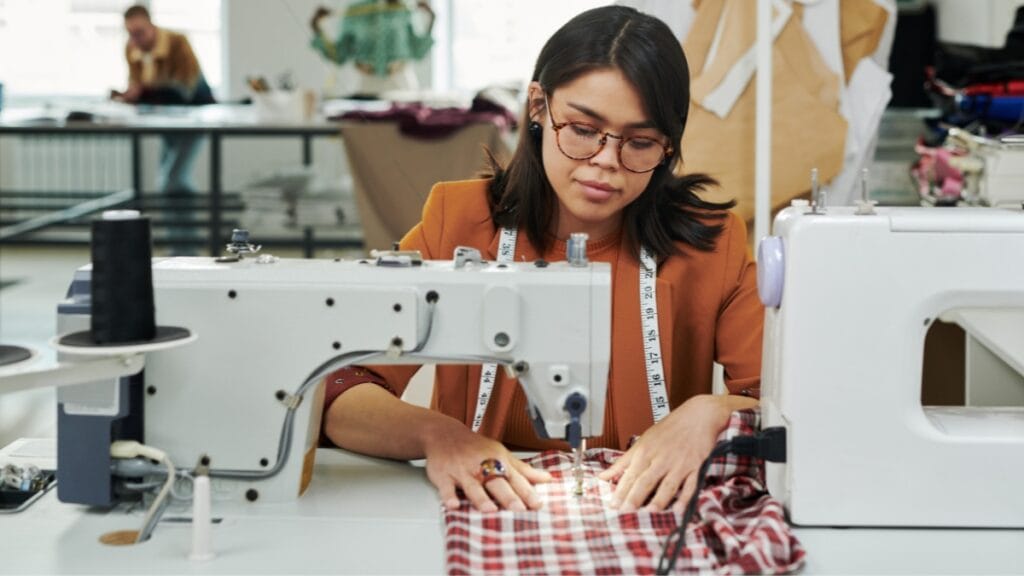
Textured fabrics like velvet and satin demand different handling techniques. Their slick surfaces can shift or slip easily while sewing. Choosing sewing fabric with a texture that suits your machine and needle setup improves accuracy.
Many machines include special presser feet designed for slippery fabrics to provide better control. Fabric stabilizers also help maintain shape when working with textured materials.
Getting Your Machine Ready for Different Types of Fabrics
Before you start sewing, prepare your machine for the specific fabric you plan to use. Proper preparation allows your machine to perform at its best and helps you achieve high-quality results. Below are the key steps to prepare your sewing machine for different fabric types.
Adjusting the Tension and Stitch Length
Adjusting tension becomes essential when sewing different types of sewing fabric. Lightweight fabrics require looser tension, while heavier fabrics need tighter tension to keep stitches consistent and secure.
Stitch length also plays an important role in seam quality. For delicate fabrics like silk, shorter stitch lengths prevent snagging. Heavier fabrics such as denim perform better with longer stitch lengths that reduce bunching.
Choosing the Appropriate Needle for Each Fabric
Selecting the correct needle determines whether your stitches look clean or uneven. Ballpoint needles suit stretchy fabrics, while universal needles work well for cotton and lightweight sewing fabric. Using the correct needle prevents skipped stitches, fabric damage, and needle breakage.
Change sewing machine needles regularly, especially when switching cloth types. Sharp needles improve stitch quality and reduce fabric snags.
Other Attachments and Presser Feet
Most sewing machines include multiple presser feet designed for specific fabric needs. For instance, a quilting walking foot helps manage multiple fabric layers. When working with slippery sewing fabric, a Teflon presser foot reduces puckering and improves fabric flow.
For advanced projects, quilting and zipper feet allow you to achieve a polished finish when sewing with various fabric types.
Sewing Machine Fabric Troubleshooting
Problems can occur even for experienced sewists, and troubleshooting helps resolve common sewing machine cloth issues efficiently.
Puckering or Bunching
Puckering occurs when fabric gathers or ripples during sewing, especially with lightweight or stretchy materials. You can reduce puckering by loosening thread tension, switching needle types, or adjusting stitch length. Feeding the fabric evenly through the machine without pulling also prevents bunching.
Skipped Stitches
Skipped stitches occur when the machine fails to form consistent stitches. This issue often appears when sewing fabric feels too thick or too thin for the needle. Always match the needle type to the fabric and replace dull or bent needles. Proper fabric alignment and steady feeding also help prevent skipped stitches.
Fabric Shifting
Slippery fabrics tend to shift while sewing. A walking foot helps feed fabric evenly through the machine, reducing movement. Pinning or using fabric weights further improves alignment and prevents shifting.
Tips for Different Types of Sewing Machine Fabric
After adjusting your machine and selecting suitable fabrics, apply the following tips to improve your sewing results.
Sewing with Cotton
Cotton remains one of the best fabrics for beginners due to its versatility. Medium-weight cotton paired with a universal needle produces reliable results. Minor tension adjustments help create smooth and even stitches.
Sewing with Silk
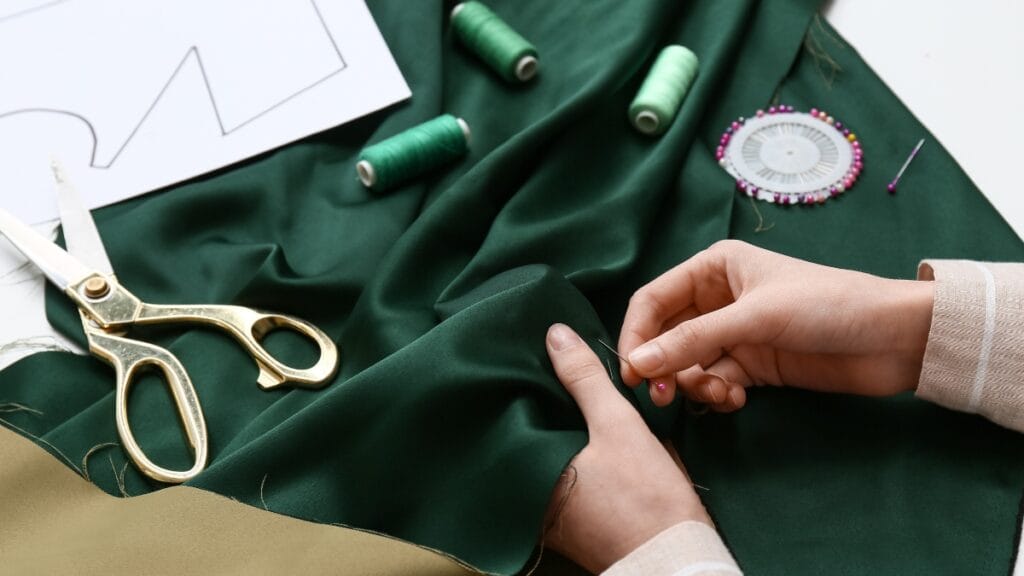
Silk requires careful handling due to its delicate nature. Use a fine needle and shorter stitch length to maintain proper tension and prevent pulling. These adjustments reduce puckering and fabric damage.
Sewing with Denim
Denim demands a strong sewing machine and proper setup. Switch to a denim needle and use a walking foot to improve fabric feeding. Adjust stitch length and tension to create durable seams that withstand heavy use.
Conclusion
Choosing the right sewing fabric and adjusting machine settings play a crucial role in achieving professional-quality sewing results. Understanding fabric types and making proper adjustments helps you avoid common sewing problems when working with everything from lightweight cotton to heavy-duty denim.
Take time to experiment and fine-tune your approach as you sew. With the right knowledge and sewing machine cloth, you can confidently complete projects that showcase both skill and creativity.
FAQs
1. What fabric is best for beginners when using a sewing machine?
Cotton works best for beginners because it is easy to sew and holds its shape well. Medium-weight cotton paired with a universal needle makes the sewing experience smoother and more enjoyable.
2. How do I prevent fabric from shifting while sewing?
A walking foot helps prevent fabric from shifting by feeding it evenly. Pinning or using fabric weights also keeps fabric aligned and improves stitch accuracy.
3. Can I sew stretchy fabric on a regular sewing machine?
Yes, you can sew stretchy fabric on a standard sewing machine. Use ballpoint needles and adjust stitch length and tension to avoid puckering. Zigzag or stretch stitches also improve flexibility and reduce thread breakage.