


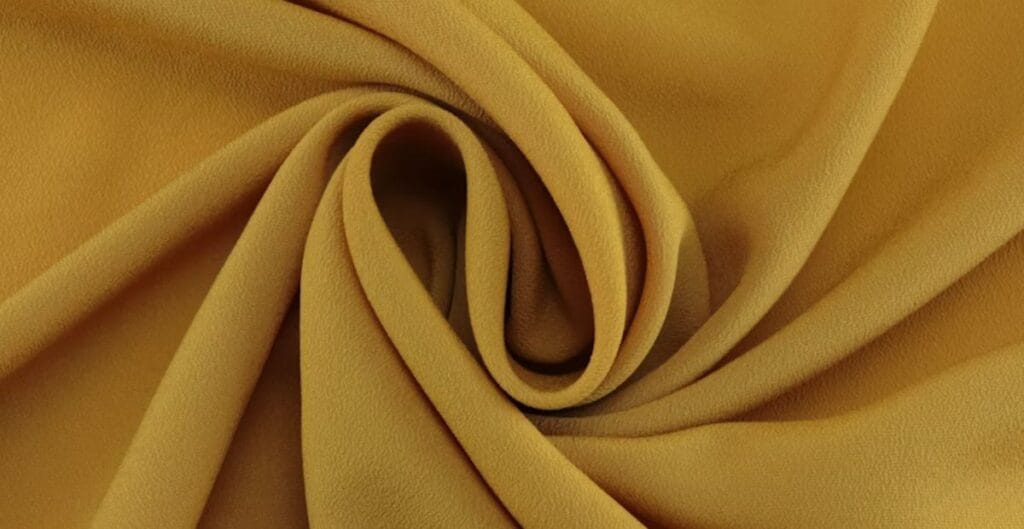
The rising popularity of viscose among consumers and designers alike and its resemblance to silk has raised the question among many consumers – is viscose toxic? Out of concern for the sustainability and environmental footprint of the materials used to produce clothing, the question needs to be asked and answered.
As of 2026, the prioritization of sustainable, eco-friendly materials has been growing among the fashion industry, and for good reason. With so many advances in the production of organic and recyclable materials, what other alternatives are there? Viscose, for instance.
What is Viscose?
In order to answer the question, “Is Viscose Toxic?” we must first establish what Viscose is. Viscose is a semi-synthetic fiber produced from the pulp of a tree or bamboo and is commonly referred to as rayon. In order to produce the fiber from natural cellulose, viscose undergoes a series of chemical processes. The end result is a web of intertwined fibers, or a fabric.
Being the more economical choice than natural fibers like silk and cotton, and still similar looking, dresses and shirts are made from viscose fabric because of the aesthetically pleasing smooth and shiny fibers.
Is Viscose Toxic? Breaking Down the Fabric’s Chemical Process
Manufacturers use chemicals like carbon disulfide and sodium hydroxide to make viscose fabric. These chemicals create hazards, so people ask, “Is viscose fabric toxic to people?” The construction methods for viscose fabric pose dangers, so people deem fabric exposed to these chemicals unsafe, though when consumers use it, it is typically safe to wear. The construction processes to make viscose fabric create risks, and manufacturers do not safely dispose of these chemicals, creating a bigger issue that concerns the fabric’s manufacturer.
The same unsafe chemicals used to make viscose fabric have created poor and hazardous working conditions in the factories that make the fabric. These issues have led some manufacturers to implement eco-conscious construction practices to make fabrics like bamboo viscose.
Is Bamboo Viscose Toxic? A Closer Look at Bamboo-Based Fabric
Is bamboo viscose considered toxic? Viscose has become increasingly popular for ‘sustainable’ marketing and bamboo viscose considers itself an alternative to traditional viscose. Saving bamboo is indeed a production choice that makes bamboo viscose better than traditional viscose, but it doesn’t save all the chemicals, and can still contribute to environmental and human health issues.
Bamboo as a natural material has a very healthy reputation. The viscose production processes that all viscose bamboo fabric are made with is chemically intense. This makes the belief viscose bamboo is toxic a valid concern. Bamboo viscose brands often advertise a more responsible approach to production, although there are not good records to prove this claim is true for the production of bamboo viscose.
Common Factors That Influence How Toxic Viscose Might Be

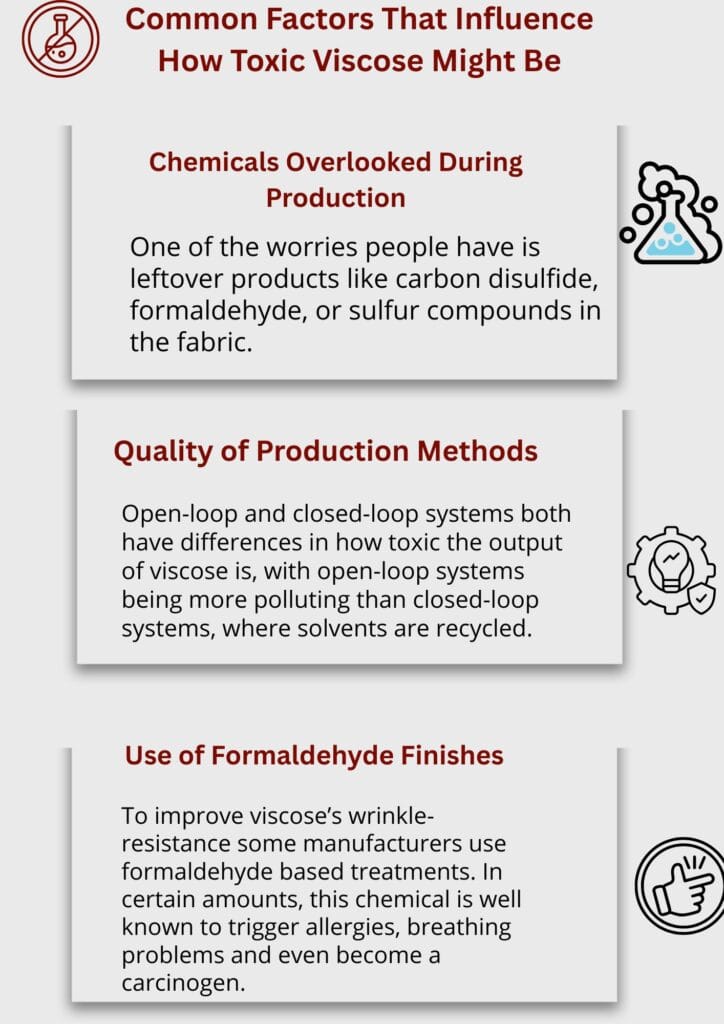
Chemicals Overlooked During Production
One of the worries people have is leftover products like carbon disulfide, formaldehyde, or sulfur compounds in the fabric. Striving for efficiency in fast fashion brands may overlook timely washing and finishing steps due to their high production demands.
Quality of Production Methods
Open-loop and closed-loop systems both have differences in how toxic the output of viscose is, with open-loop systems being more polluting than closed-loop systems, where solvents are recycled. Closed-loop systems are far less toxic to the environment.
Use of Formaldehyde Finishes
To improve viscose’s wrinkle-resistance some manufacturers use formaldehyde based treatments. In certain amounts, this chemical is well known to trigger allergies, breathing problems and even become a carcinogen.
Is Viscose Toxic to Skin? Understanding Its Safety for Wear
Viscose has toxicity concerns and the first concern is for the end-user. The good news is that all viscose is safe for wear including viscose. For most people viscose is totally non-toxic and can be worn for dressings with viscose. People with more sensitive need more consideration because they may have an adverse reaction to the garment.
Unlike some synthetic textiles, viscose is plastic-free and more breathable, making it ideal for warmer temperatures. However, it is crucial to ensure that the viscose is untreated post-production because cheaper viscose can cause harmful skin reactions.
How To Minimize The Risks Linked To Viscose Using Chemicals
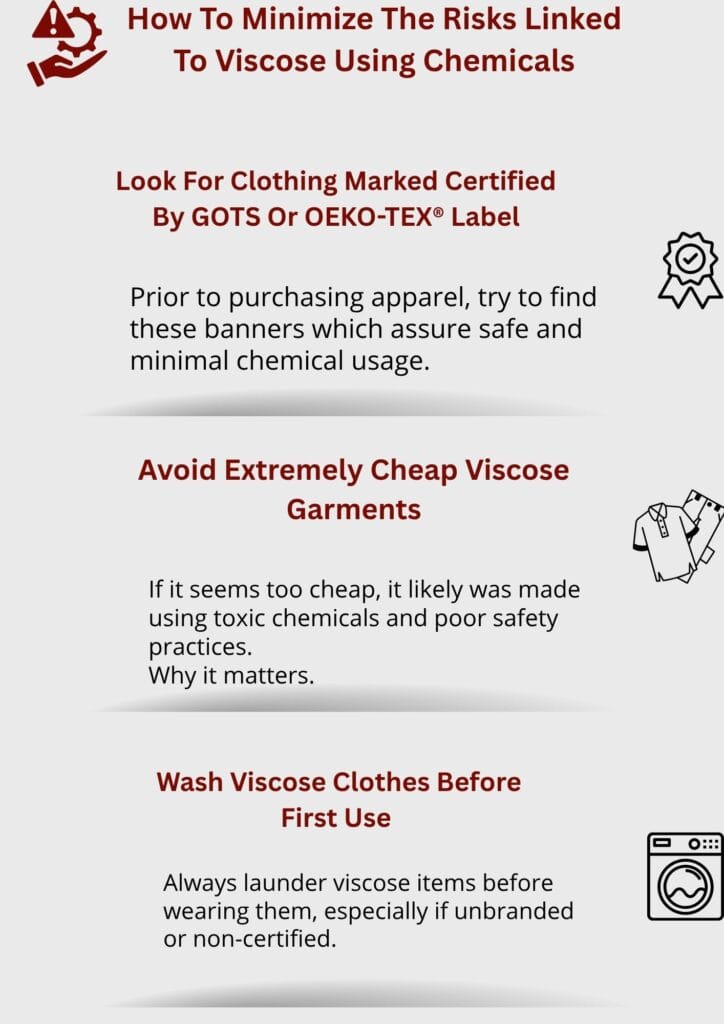
Look For Clothing Marked Certified By GOTS Or OEKO-TEX® Label
Prior to purchasing apparel, try to find these banners which assure safe and minimal chemical usage.
Why it matters: These certifications test for substances like formaldehyde, heavy metals, and phthalates. They confirm that your clothing is safe for direct skin contact.
Avoid Extremely Cheap Viscose Garments
If it seems too cheap, it likely was made using toxic chemicals and poor safety practices.
Why it matters: Low-cost brands often skip safety protocols, leaving harmful chemical residues in the final product.
Wash Viscose Clothes Before First Use
Always launder viscose items before wearing them, especially if unbranded or non-certified.
Why it matters: Washing can remove chemical finishes and reduce skin irritation risks from residue.
Is Viscose Toxic to the Environment? A Closer Look at Sustainability
Viscose in itself is not necessarily harmful, however, the production of viscose poses many threats to the environment. This is largely caused by the many volatile chemicals present in the viscose production process, such as carbon disulfide and sodium hydroxide.
Thankfully, many viscose manufacturers are striving towards producing viscose in more sustainable ways. For example, implementing closed-loop systems helps to reduce the pollution caused by viscose production. Furthermore, some viscose manufacturers are producing the viscose textiles using sustainable and cleaner resources that aid in pollution reduction.
It is 2026, and the textile industry is under increasing pressure to make sustainability a primary concern. Resulting from stricter regulations, manufacturers are producing viscose textiles that are non-toxic to assist in the demand for sustainable textiles.
How Viscose Compares to Other Fabrics: Is It Safer Than Synthetic Alternatives?
Is Viscose Toxic? To answer this question, it is helpful to describe its composition and use wood and bamboo pulps to produce Viscose compared to synthetic fabrics like polyester and nylon. Viscose has an advantage over synthetic fabrics in biodegradability and environmental impacts. This is because viscose uses natural fibers while synthetic fabrics use petroleum-based chemicals.
The toxic chemicals used to produce viscose may leave an equally negative environmental impact as petroleum-based synthetic fibers. Visibly, polyester use may degrade natural environments through microplastic pollution without firsthand environmental impact. Synthetic fibers may seem damaging, compared to viscose, a different production process may be needed for more sustainable production of viscose.What Viscose Brings to Sustainable Fashion
The sustainable fashion industry strives to reduce environmental damage while offering consumers fashionable apparel. One of the concerns of a sustainable fashion industry is whether viscose is a sustainable material.
Viscose can be sustainably made to be more eco-conscious than synthetics made from petrochemicals. However, the sustainable solutions described above, such as closed-loop production, are still subject to the adverse environmental effects of viscose production.
For sustainable viscose fashion to supply the eco-conscious consumer to make demand, viscose must be produced from sustainably renewed, eco-friendly processed, viscose. These eco-conscious consumers of sustainably viscose are demanding transparently sustainable viscose from supply brands, and these brands are positively influencing market change.
The Role of Viscose in Sustainable Fashion: Is It a Green Choice?
When considering viscose’s environmental impacts from production to end of life, it is a multi-stage fabric with varying degrees of impact. The manufacturing process is one of the most significant concerns because the introduction of chemicals to the product at this stage can harm both the ecosystem and humans. Nevertheless, if fabric is manufactured using closed loop systems, these chemicals can be captured, recycled, and reused to lessen the overall harm.
Finally, viscose fabric biodegrades at the end of its useful life. Biodegradable fabrics are a distinction from synthetic fabrics, which can last in a landfill for hundreds of years. Visocse, in contrast, is a better sustianable choice for landfill and waste management.
Is Viscose Non-Toxic? Knowing About Manufacturing Processes
Increased consumer awareness of the impact of products on the ecosystem has driven up demand for non-toxic viscose. This has resulted in the implementation of greener manufacturing processes that produce viscose in a safe and non-toxic way for humans and the environment. Some of these processes include the use of closed loop systems, sustainably sourced wood, and environmentally safe chemicals.
The choice to buy from non-toxic viscose manufacturing brands contributes to the growing sustainability of the fashion industry. These companies focus on using safer chemical practices and reducing their overall environmental impact.
Conclusion: Is Viscose Toxic in 2026?
Is Viscose Toxic? It depends. This depends how viscose is produced. It also depends on what chemicals are used in the processes. When viscose is produced and manufactured in safe ways, it is generally safe to wear. Even more concerning is the the impact of producing viscose on the world. This of course is the impact that should be concerning the consumers due to the many chemicals used to produce viscose.
With the changes and movement of the viscose industry, that is the change towards sustainable production, the future of viscose is promising. It is the consumers who decide to purchase viscose from sustainable plantations (like bamboo), and with eco-sustainable manufacturing and production of viscose, who reduce the toxicity and harm of this fabric.
So, in 2026, it is the consumers who will decide. They will choose to make impactful and positive changes that benefit the environment as well as the wearers of the products. It is this Re- viscose-able fabric production that will help change the question, Is Viscose Toxic? To the question, Is Viscose Safe?