


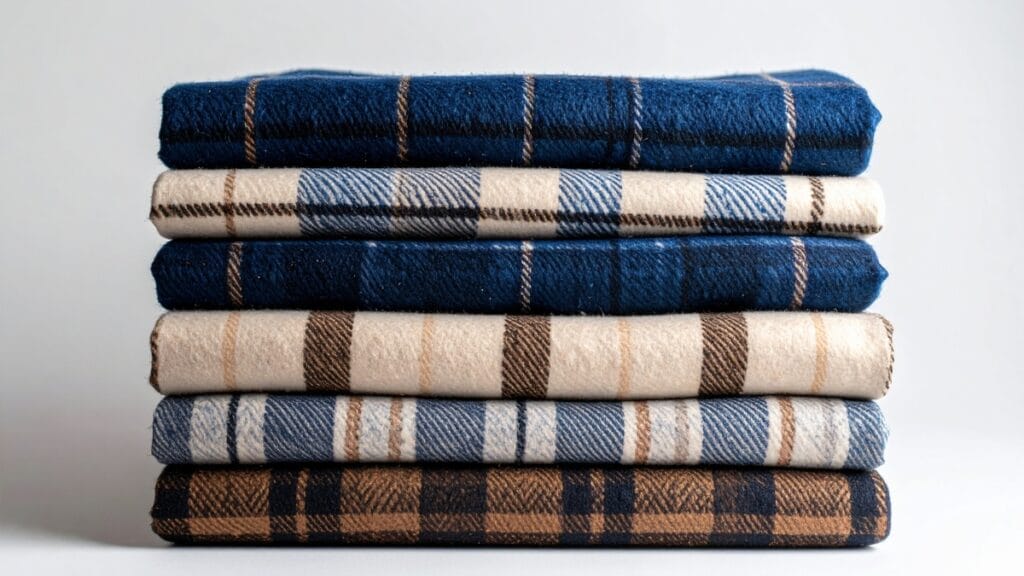
As temperatures drop and winter settles in, people look for ways to stay warm and cozy. When selecting the ideal fabric material for comfort during colder seasons, two options usually come up in conversation: fleece vs flannel. Both fabrics offer warmth and softness, but one may suit your winter needs better than the other. In this blog post, we explore the key differences between fleece and flannel, their benefits, drawbacks, and best uses to help you make an informed choice.
Table of contents
What Is Fleece?
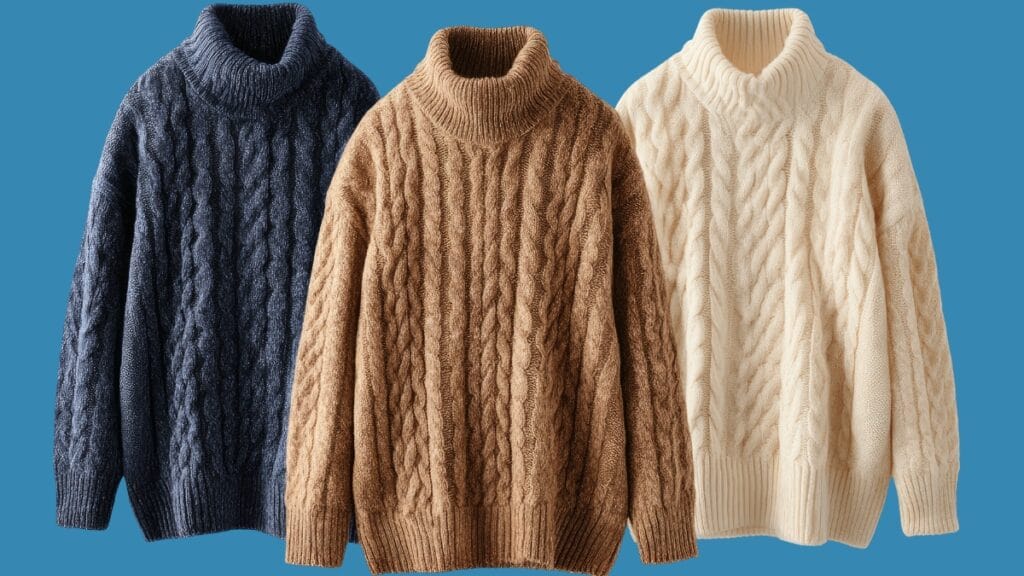
Fleece is a synthetic fabric made from polyester fibers. People value it for its softness, lightweight feel, and strong heat-trapping ability. These qualities make fleece a popular choice for winter clothing. Fleece also allows airflow and pulls moisture away from the skin, which helps keep the body dry. Because of these properties, manufacturers widely use fleece in activewear, jackets, and blankets.
Benefits of Fleece
Fleece offers several advantages that make it stand out among winter fabrics.
- Warmth Without Weight: Fleece traps air within its fibers, which provides warmth without bulk. This feature makes fleece ideal for layering.
- Quick Drying: Synthetic fibers allow fleece to dry faster than natural fabrics like cotton or wool.
- Moisture Wicking: Fleece pulls sweat away from the skin, which helps during physical activity or light rain.
- Durability: Fleece resists wear and tear well, allowing it to last longer than many other fabrics.

Drawbacks of Fleece
Despite its benefits, fleece also has some limitations.
- Limited Breathability: Fleece allows airflow but does not breathe as well as natural fabrics such as cotton or wool.
- Environmental Concerns: Manufacturers produce fleece from synthetic materials, which makes it less eco-friendly and prone to releasing microplastics during washing.
What Is Flannel?
Flannel is a soft woven fabric made from cotton, wool, or a blend of both. Manufacturers brush the surface to create its fuzzy and warm texture. People have long used flannel during colder months because it retains warmth and feels comfortable. You often find flannel in shirts, pajamas, and bedding due to its cozy nature and relaxed feel.
Benefits of Flannel
Flannel offers several qualities that make it a preferred winter fabric:
- Natural Warmth: Flannel retains heat well, especially when made from wool or cotton, which makes it suitable for cold climates.
- Breathability: Flannel allows better air circulation than fleece. This feature helps regulate body temperature and prevents overheating.
- Soft Texture: The brushed surface gives flannel a soft and comfortable feel against the skin.
- Eco-Friendly Options: Flannel made from natural fibers often provides a more sustainable option than synthetic fabrics.
Drawbacks of Flannel
Flannel also comes with a few disadvantages:
- Heavier Feel: Depending on fiber type and weave, flannel can feel heavier than fleece, which may reduce comfort for some users.
- Slower Drying Time: Flannel absorbs more moisture than fleece and usually takes longer to dry, especially wool flannel.
Fleece vs Flannel: What Is the Difference?
Choosing between fleece vs flannel requires understanding how each fabric performs. Both fabrics provide warmth, but their characteristics suit different activities and preferences. The following comparison highlights the key differences.
1. Fleece vs Flannel Warmth and Insulation
Both fabrics help retain body heat, but they do so in different ways. Fleece traps air between its fibers, which creates an excellent warmth-to-weight ratio. Flannel also provides warmth, especially wool flannel, but insulation depends on fiber type and weave.
- Fleece works best for lightweight warmth and layering.
- Flannel provides warmth but usually feels heavier than fleece.
2. Fleece vs Flannel Breathability
Breathability plays a major role in comfort, especially during movement. Fleece allows some airflow, but flannel regulates body temperature more effectively. Natural fibers in flannel allow better air circulation and reduce overheating.
- Fleece offers moderate breathability.
- Flannel provides better airflow and temperature control.
3. Fleece vs Flannel Durability
Synthetic fibers give fleece strong durability and resistance to tearing and pilling. Flannel, especially cotton flannel, can pill over time. Wool flannel lasts longer but still requires careful care.
- Fleece remains highly durable over time.
- Flannel wears faster, with wool lasting longer than cotton.
4. Fleece vs Flannel Comfort
Both fabrics feel soft and comfortable, but the texture differs. Fleece feels smooth and plush, while flannel starts slightly rough and softens with use. Those who prefer a natural and breathable feel may choose flannel, while those who enjoy a plush texture may prefer fleece.
- Fleece feels smooth and cozy.
- Flannel feels soft with a natural texture that improves over time.
Best Uses for Fleece
Fleece works best in situations that require warmth and moisture control.
- Activewear: People often choose fleece for hiking, skiing, and running because it provides warmth without bulk.
- Jackets and Outerwear: Fleece jackets layer well and allow easy movement.
- Blankets and Throws: The soft texture of fleece makes it ideal for blankets during cold nights.
Fleece vs Flannel: Which Is Better for You?
Your choice between fleece and flannel depends on your lifestyle and preferences. If you need lightweight warmth, moisture control, and durability for outdoor use, fleece works better. If you prefer natural fibers, breathability, and relaxed comfort, flannel makes the better choice.
Conclusion

In the fleece vs flannel comparison, both fabrics offer excellent winter comfort. Fleece suits people who enjoy outdoor activities and need lightweight insulation. Flannel suits those who prefer breathable warmth and cozy indoor comfort. By considering your activities and comfort needs, you can choose the fabric that best fits your winter lifestyle.
FAQs
1. Which Is Warmer, Fleece or Flannel?
Fleece usually provides more warmth than cotton flannel because it traps heat more effectively.
2. Is Flannel Better Than Fleece for Sleeping?
Flannel works well for sleeping due to its breathability and soft feel, which helps maintain comfort overnight.
3. Can You Wear Fleece in All Weather Conditions?
Fleece works best in cold weather. It may feel too warm during high-intensity activity or milder temperatures.