


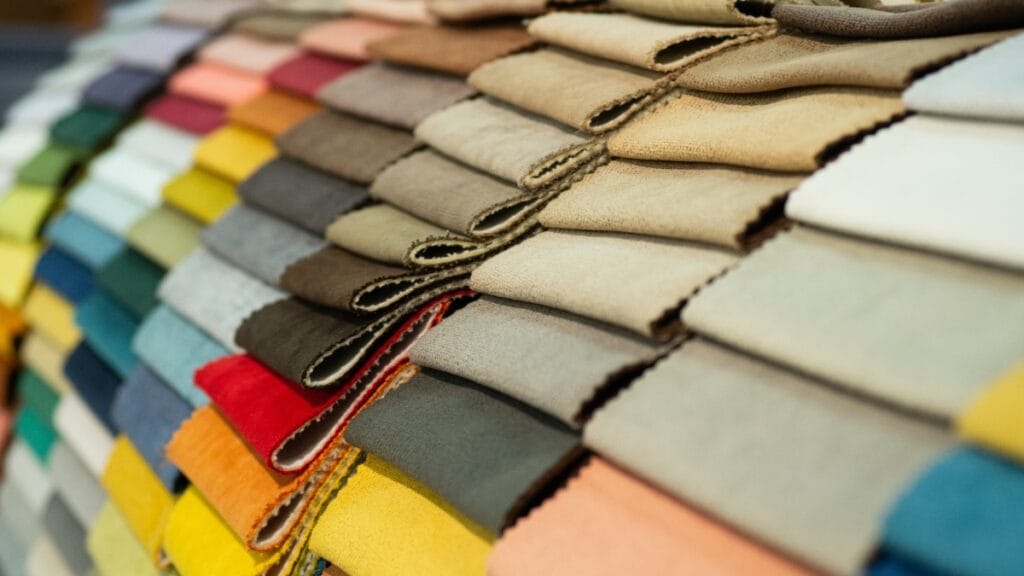
When choosing fabrics for a certain project, a key consideration is often overlooked; the thickness of the fabric. When sewing a dress, doing some quilting, or prepping some fabrics for home décor crafts, the thickness of the fabric can affect the overall output. There are so many determining factors that selecting the right thickness of the fabric can help acheive the desired aesthetics and practicality. This guide will help explain the importance of fabric thickness and provide tips to help you find fabrics that meet your basic needs.
Table of contents
Understanding Fabric Thickness: Why It Matters
The thickness of a fabric is why some fabrics will work for a project, while others will not. Fabrics generally fall into a few categories, including lightweight and breathable options and heavy-duty, durable ones. There is a certain thickness you are looking for when selecting the fabric and choosing the wrong thickness can greatly affect your end result. This can lead to many issues like giving a garment a stiff appearance, or giving a quilt excessive weight, or giving curtains to hold improperly.
Knowing the thickness of a fabric will help you determine the best materials to use that will compliment your design.
What Does Fabric Thickness Mean?
Before selecting the fabric you want to use, you should consider its weight. The weight of the fabric describes how heavy or light it feels. The grams per square meter (GSM) of a fabric determine its weight category. The more grams per square meter a fabric has, the more heavy, and thick it is.
Generally, there are 3 cateogories of fabric thickness.
- Lightweight fabrics: These are great for flowing items like blouses, summer dresses, and light curtains.
- Medium-weight fabrics: These are best for shirts and dresses.
- Heavyweight fabrics: These fabrics are great for jackets and outdoor gear.
With quilts, medium-weight cotton fabrics do the job the best. They are strong enough to handle many washes, and easy to quilt. Remember to consider the weight of the backing fabric you choose- it should match the weight of the top layer fabric.

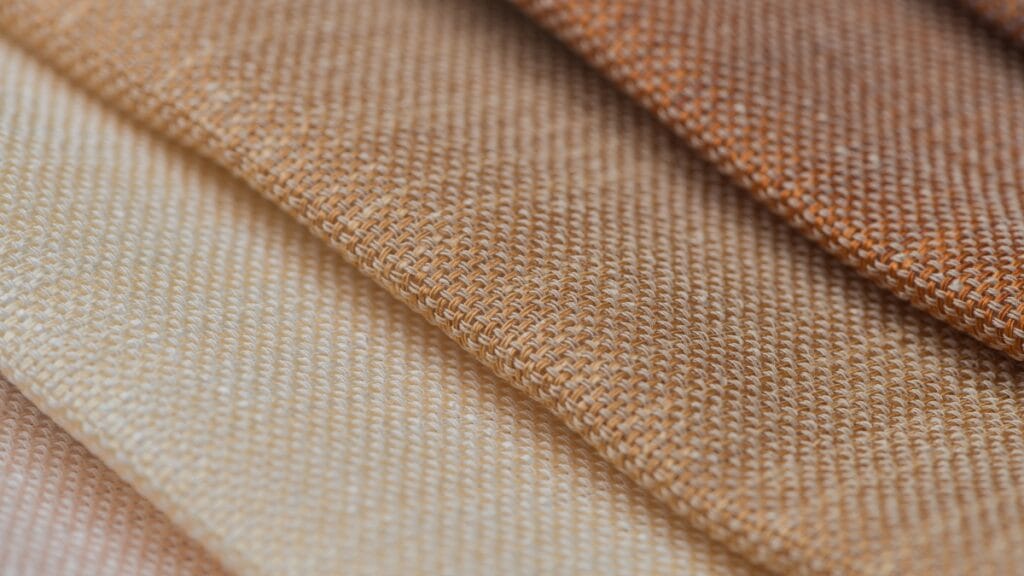
The Role of Fabric Thickness in Different Projects
Fabric Thickness for Garments
Fabric thickness also impacts the décor projects you work on. When it comes to curtains, the fabric thickness impacts how they flow and how they hang. Soft flowing fabrics like cotton and linen work for shear curtains, and medium-weight fabrics like velvet and canvas work for opaque curtains.
Heavyweight fabrics like canvas, leather, and denim are best when upholstering. They keep the furniture strong and sturdy to handle a lot of everyday use.
How to Pick Wider Fabric
Think About How The Weather Will Be
The wider the fabric will be, the more time you will need to consider the climate and weather before you begin working on the fabric. If it is summer, lighter fabric is better, and if it is the colder seasons, wider fabric will be better. This is because wider fabric will provide more insulation, but lightweight fabric will keep you cool in summer.
Think About If The Fabric Should Be Durable
The purpose of the fabric will also affect how wide it will be. If you are creating something for a lot of usage, like outdoor gears, then better be looking for wider fabric. If you are making something delicate like a dress, lightweight fabric will let lots of really comfortable fabric to underneath.
The Fabric’s Fiber Content
Some fabrics are more lightweight than others like so to should consider how wide a fabric should be before you decide. For example, most cotton fabrics are lighter than wool, and wool is heavier than velvet. The polyester fabric can also be very wide depending on how it is woven.
Checking Out the Fabric First
Whenever you can, check out the fabric. You want to make sure you like the way it feels, its weight, flexibility, and everything else. Think about how it will be to handle and if it will work for what you planned. For clothes, it helps to try to cover up with it to see if it moves and fits to your liking. For blankets and other home decor items, see if you like how it stretches.
Dealing with Different Fabric Thickness
Dealing with Thin
When working with thin materials it can be more difficult. Their delicate nature can make them a little more difficult to sew. They tend to shift and stretch while you are trying to sew, so it helps to know the right techniques. Use a fine needle to make sure your stitches are smooth and avoid puckering. Also, thin fabric can appreciate a slow and steady pace while you sew.
If you are working with thin fabric and need to add some rigidity, you can try using lightweight interfacing. This is good for collars or waistbands because it helps to keep them from feeling too baggy.
Trying out Medium-Weight Fabrics
It won’t take long before you feel ready to start sewing with fabrics like denim, which fall into the medium price range. These materials are a little more flexible in that you won’t need to be quite as careful with them and they aren’t as demanding as the lightweight fabrics.
For medium weight fabrics you will be able to use regular sewing machine needles which means you won’t need to stock extra materials for your sewing projects.
Using Medium-Weight Fabrics
As long as you are careful with your sewing machine and use a thicker needle like the ones you use for denim, you will be able to sew through material like canvas with no issues. Using a sewing machine walking foot will help you sew through multiple layers and will help you avoid pushing the layers of fabric that you are sewing together.
You won’t do much damage to your sewing machine or the fabric that you are trying to sew together and it will help to keep everything in place.
Use of Additional Materials and Final Look
If additional sewing materials are used, then it will affect the design that you are trying to achieve. For fabrics of the lighter weight, they will be able to achieve designs that directs lets loose and flowing which ideal for a flowing, feminine design. At the other extreme, fabrics of heavyweight will give a structured, tailored look that is a more formal and less flowing.
When selecting the thickness of the fabric, it is important to consider the aesthetics you want and the overall feel. Remember, more care has to be given to thicker pieces when washing and maintaining them. For thinner fabrics, you may have to do extra layering or lining for added strength.
Conclusion:
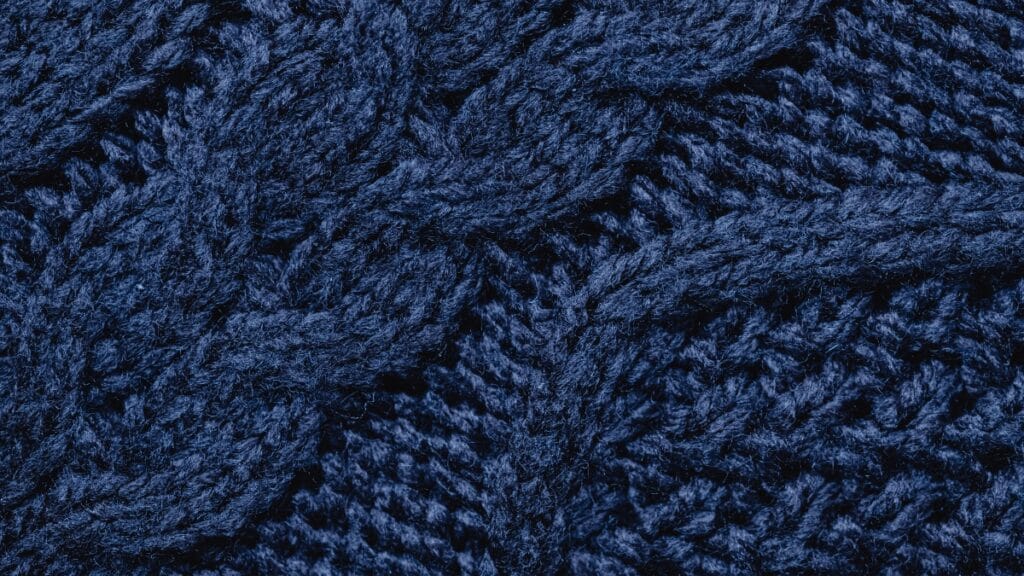
As far as the fabric of your quilt, clothing, or home accessories goes, fabric thickness is crucial and fundamental. With projects, fabric thickness influences how the fabric feels, how well it holds up, and how it is structured. Choosing the right fabric thickness is necessary for your project to succeed.
Consider the fabric thickness and the season, what you plan to use the fabric for, the fiber content, what the fabric is made of, and how it holds up under pressure. When possible, make sure you test the fabric, and feel free to make changes to the fabric as necessary.
FAQs
1. What are lightweight and heavyweight fabrics?
Lightweight fabrics are those that are very thin, very breathable, and it is adaptable for use in warm weather. Heavyweight fabrics are those that are thicker and that have the ability to provide structure and warmth. Heavyweight fabrics are usually used for outer clothing, upholstery, and projects that need to be durable.
2. How do I know what fabric thickness is right for my project?
The desired outcome of your project will help determine fabric thickness. For clothing, think about the time of year, the garment structure, and how comfortable it is. For home décor, consider how the fabric will hang and how durable you need it to be. Always test fabric samples before committing to one fabric to avoid costly mistakes.
3. Can I use the same fabric thickness for all types of projects?
The same thickness is not appropriate for all types of projects. For example, lightweight materials and therefore flowy, while heavier and thicker ones are best for winter coats or upholstery. It’s about finding the right thickness to achieve the desired end goal for your project.