


Sustainability is no longer just a buzzword, it’s becoming the standard for businesses, consumers, and industries alike. In recent years, the fabric and textile industries have experienced a significant shift towards eco-friendly, sustainable practices. As we become more aware of the environmental impact of the products we use, sustainable fabric textile products are leading the way to a greener, more ethical future. This blog explores various sustainable fabric textile options and why they are the ideal choice for modern living.
Table of contents
- What Are Sustainable Fabric Textile Products ?
- The Consequences of Using Traditional Fabric Textile Products
- The Growth of Sustainable Fabric Textile Products in Everyday Life
- The Best Sustainable Fabric Textile Products
- Why Select Sustainable Fabric Textile Products for Modern Living?
- How to Incorporate Sustainable Fabric Textile Products into Your Life
What Are Sustainable Fabric Textile Products?
Sustainable fabric and textile products refer to fabrics created using eco-friendly production techniques, long-lasting fibers from renewable resources, and responsible end-of-life options. Unlike conventional fabric production systems, which often cause significant environmental harm during spinning, weaving, dyeing, and sewing, sustainable practices aim to reduce pollution throughout the fabric life cycle.
Moreover, ethical production systems rely on responsibly sourced materials and recyclable components to minimize environmental damage. In addition to ethical production methods, sustainable fabric textile products also focus on improving workers’ lives and, in some cases, protecting living ecosystems and their quality.
The Consequences of Using Traditional Fabric Textile Products
The textile industry significantly contributes to environmental pollution due to its heavy reliance on synthetic fibers. For instance, polyester, which comes from non-biodegradable fossil fuels, can take hundreds of years to decompose. Additionally, manufacturers often use toxic chemicals during dyeing and finishing processes, and these chemicals frequently leach into water sources.
Consequently, land and marine ecosystems suffer severe damage. As global awareness of environmental issues increases, consumers have become more conscious of how their choices affect the ecosystem. Therefore, demand for sustainably made fabric products has risen steadily. Fabric products made from non-polluting, sustainable materials now offer the textile industry a clear solution for reducing environmental harm while improving overall quality of life.
The Growth of Sustainable Fabric Textile Products in Everyday Life
The demand for eco-friendly fabric products continues to rise due to the growing popularity of sustainable living. Today’s consumers actively seek materials that offer high quality, long life spans, and a positive environmental impact. Moreover, these materials are now widely available in clothing and home furnishing products.
In addition, sustainable fabric textile products offer several valuable benefits. Comfort and durability stand out as two key advantages. Daily wear requires soft and breathable materials that feel comfortable throughout the day. Natural fibers such as organic cotton, hemp, and bamboo clearly outperform synthetic alternatives. Furthermore, these materials feel more comfortable and require fewer chemicals during production, which makes the process safer for human health.
The Best Sustainable Fabric Textile Products
With these benefits in mind, let us explore some of the best sustainable fabric textile products currently available in the market.
1. Organic Cotton Fabric Textile Products
Organic cotton stands out as one of the most accessible sustainable fabric options today. By eliminating synthetic pesticides and fertilizers, organic cotton significantly reduces environmental damage. Moreover, organic farms use crop rotation and soil-preserving techniques, which help maintain long-term soil health.
As a result, organic cotton offers a more sustainable alternative to conventional cotton. Additionally, organic cotton provides a soft and breathable texture suitable for many uses, including clothing, bedding, and home décor. Because of its versatility, manufacturers use organic cotton to create both woven and knitted textiles.
2. Hemp Fabric Textile Products
Hemp ranks among the most sustainable textiles in the world. It requires minimal water to grow and thrives without harmful pesticides. For this reason, hemp remains one of the most environmentally friendly textile options available. Furthermore, hemp textiles last a long time and retain their strength over the years.
Unlike many other fabrics, hemp becomes softer with use and remains biodegradable. As a result, many industries now use hemp textiles in home goods and apparel. People often prefer hemp for its natural texture and excellent breathability. Additionally, hemp works well for activewear because it effectively wicks moisture away from the body.
3. Bamboo Fabric Textile Products
Another increasingly popular sustainable textile option is bamboo. Similar to hemp, bamboo offers impressive sustainability benefits. Bamboo grows rapidly and does not require fertilizers or pesticides. Moreover, bamboo fabric production consumes less water than cotton production.
Because of its natural softness, bamboo fabric suits individuals with sensitive skin or allergies. In addition, bamboo textiles provide moisture-wicking properties and biodegradability. Manufacturers also use bamboo to produce a wide range of products, including sheets, clothing, and towels.
4. Recycled Polyester
Recycled polyester utilizes post-consumer plastic waste such as water bottles, used clothing, and fabric scraps. By doing so, it helps reduce plastic pollution and lowers the demand for virgin polyester made from petroleum-based materials.
As a result, recycled polyester keeps plastic out of landfills and decreases the environmental impact of plastic production. Manufacturers primarily use recycled polyester in activewear, outerwear, and accessories. It serves as a practical alternative to traditional polyester because it remains durable, versatile, and moisture-wicking.
5. Tencel (Lyocell)
Tencel, also known as lyocell, comes from sustainably sourced wood pulp. Manufacturers use a closed-loop production system in which water and chemicals are continuously recycled.
Because of its softness, breathability, and biodegradability, Tencel works well for clothing, bedding, and home textiles. Additionally, its smooth texture and moisture-wicking properties make it ideal for activewear and undergarments.
Why Select Sustainable Fabric Textile Products for Modern Living?
Choosing sustainable fabric textile products benefits both individuals and the environment. Below are several important reasons to make the switch.
1. Less Environmental Damage
Sustainable fabric textile products reduce environmental harm by using renewable materials and fewer chemicals. As a result, these practices help preserve natural resources and protect ecosystems.
2. Enhanced Quality of Living
Sustainable fabric production prioritizes health and safety, which means manufacturers use fewer harmful chemicals. Consequently, many eco-friendly fabrics feel softer, breathe better, and last longer. Together, these qualities contribute to an improved quality of life.
3. Helping Ethical Labor
Manufacturers of sustainable fabric textile products often follow fair labor practices. This approach ensures that workers receive fair treatment and proper compensation. Therefore, supporting these products benefits both people and the planet.
4. Long-Term Cost Savings
Although sustainable fabric products may cost more initially, they often provide better value over time. Because these fabrics last longer and resist wear, consumers replace them less frequently. As a result, long-term expenses decrease.
How to Incorporate Sustainable Fabric Textile Products into Your Life
Sustainable fabric products provide better alternatives to conventional fabrics. Below are several ways to include them in everyday life.
1. Choose Eco-Friendly Clothing
Sustainable clothing uses recyclable, biodegradable, and environmentally friendly materials. Additionally, timeless and durable designs help consumers avoid fast fashion and maintain a sustainable wardrobe.
2. Invest in Sustainable Home Textiles
Synthetic fabrics used in bedding, towels, and upholstery contribute heavily to pollution. However, consumers can choose organic cotton, Tencel, or bamboo textiles to create a more sustainable home.

3. Look for Eco-Friendly Accessories
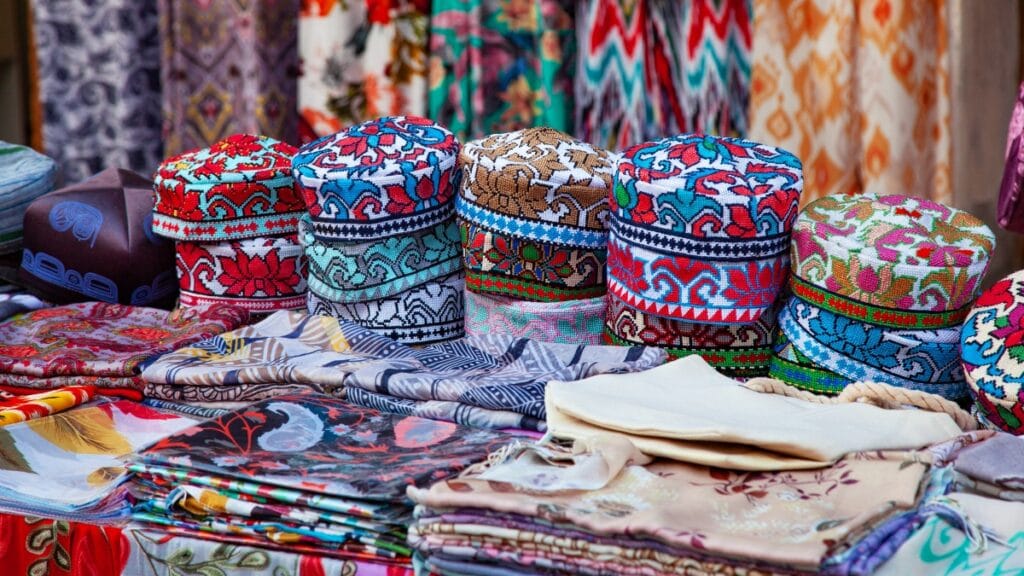
Many brands now create bags, hats, and scarves from recycled fabrics. Fortunately, eco-friendly accessories no longer mean outdated styles. Instead, stylish and modern options continue to grow in availability.
4. Select Eco-Friendly Furniture
Home improvement projects should also consider sustainable upholstery. Eco-friendly furniture often features natural fibers such as hemp or untreated organic cotton instead of synthetic materials.
Conclusion:
The fabric products we choose for clothing and home use clearly reflect changing societal priorities. By selecting eco-friendly textiles, individuals reduce their environmental footprint while supporting positive social and economic outcomes. Moreover, sustainable fabrics improve overall quality of life through comfort and durability.
By choosing textiles made from organic cotton, hemp, bamboo, recycled polyester, and similar materials, consumers help protect the planet for future generations. Make the switch today and incorporate sustainable fabric textile products into your daily routine.
FAQs
1. What are sustainable fabric textile products?
Sustainable fabric textile products use renewable resources, minimize environmental impact, and follow ethical production practices. Common examples include organic cotton, hemp, bamboo, and recycled fibers.
2. What makes organic materials more sustainable?
Organic fabrics grow without harsh pesticides or synthetic fertilizers, which reduces soil and water pollution. Additionally, sustainable farming methods support healthier ecosystems and reduce waste.
3. Can sustainable fabric textile products be affordable?
Although sustainable fabrics may cost more upfront, they often save money over time. Because these fabrics last longer, consumers replace them less frequently and gain better long-term value.