


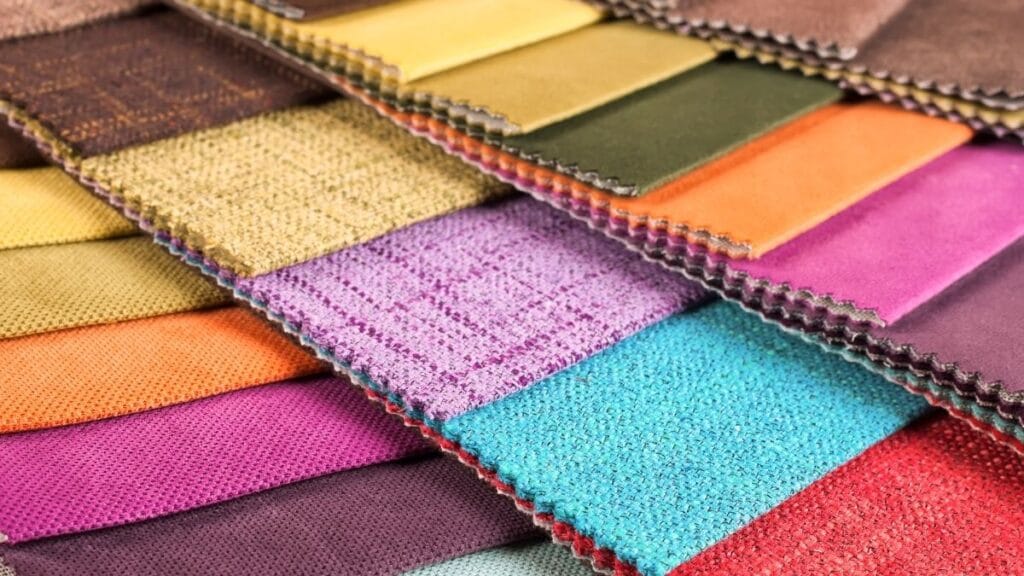
When it comes to textiles, choosing the right fabric properties is a game-changer. Whether you’re a designer, seamstress, or even a DIY enthusiast, understanding fabric properties can take your projects to the next level. From the clothes we wear to the furniture in our homes, fabric properties play a huge role in how comfortable, durable, and stylish something is.
In this post, we’re going to break down fabric properties and show you how fabric properties impact the materials you use. You’ll get the lowdown on what these fabric properties are, why they matter, and how to pick the perfect fabric properties for whatever you’re working on. By the time you’re done reading, you’ll know exactly how to make fabric choices that’ll bring your vision to life!
Table of contents
What Are Fabric Properties?
So, what exactly do we mean by fabric properties? These are the qualities that affect how a fabric behaves, feels, and performs. It’s the difference between a fabric that wrinkles easily and one that resists creases. It’s also what makes some fabrics feel soft and cozy while others are rough and stiff.
Fabric properties are shaped by the fibers used, how the fabric is woven or knitted, and how it’s treated after production. Understanding fabric properties helps you pick fabrics that meet your needs, whether you’re designing a wardrobe, creating upholstery, or crafting something special.
Key Fabric Properties You Should Know
1. Strength and Durability: How Well Do Fabric Properties Hold Up?
One of the most important fabric properties is strength. You want fabrics that can handle wear and tear without falling apart, right? Whether you’re creating durable clothing or long-lasting furniture, knowing how strong a fabric is makes all the difference.
Denim, canvas, and leather are tough fabrics built to withstand regular use. These fabrics are perfect for items like jackets, bags, and jeans, things that need to be strong and last. On the other hand, delicate fabrics like silk need more care. They’re not as durable, but they shine when you want elegance and a little luxury.
Durability doesn’t just mean strength, though, it also means how well a fabric holds up against friction. Fabrics like nylon and polyester resist abrasion, so they’re great for outdoor gear like tents and backpacks. Knowing fabric properties like these helps you make smarter choices.
2. Breathability: How Well Does the Fabric Properties Let Air Through?
Breathability is key when it comes to clothing. A fabric that breathes allows air to circulate and keeps moisture from building up, helping you stay cool and comfortable. This is especially important when you’re wearing clothes in warmer weather or doing any kind of physical activity.
Cotton, linen, and bamboo are all excellent breathable fabrics. They let air flow freely, keeping you cool in the heat. On the flip side, fabrics like polyester trap heat and moisture. They’re great for cold weather, but not ideal if you’re looking to stay cool. Choosing fabric properties with good breathability ensures comfort.

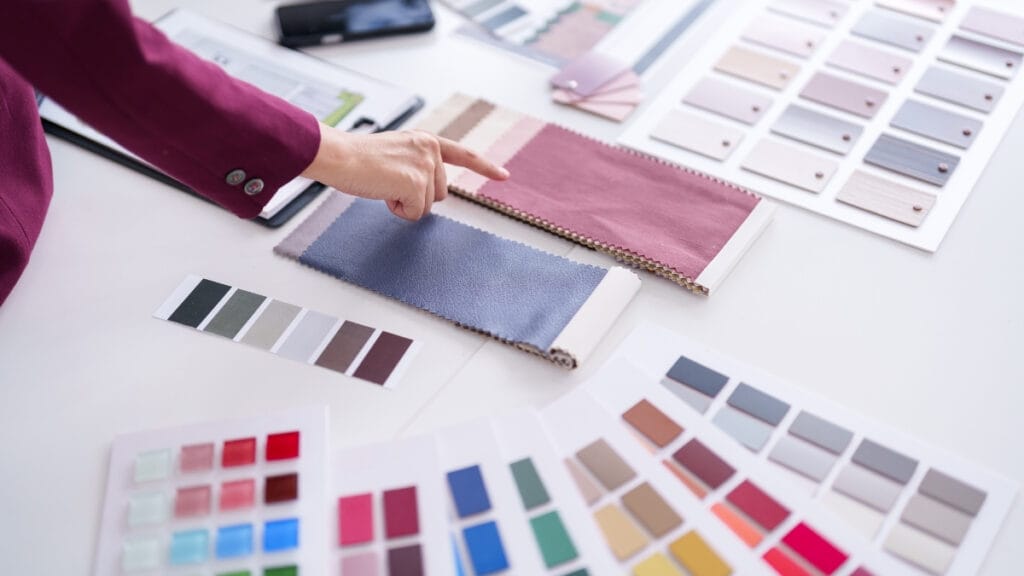
Think about where and when you’ll wear the fabric. If you’re planning something for summer, a breathable fabric is a must. But for winter, a fabric that traps heat and keeps you warm will be more appropriate. Understanding these fabric properties ensures you pick the right fabric for any season.
3. Stretch and Flexibility: How Much Can the Fabric Stretch?
Stretch is another important factor, especially if you’re making garments that need to move with you. Stretchy fabrics are ideal for activewear or clothes that need to hug your body. The more flexible the fabric, the more comfortable it feels. Fabric properties like stretch define how wearable a fabric is for certain projects.
Fabrics like spandex, Lycra, and jersey offer great stretch. They’re perfect for workout clothes, swimwear, or anything where you need flexibility. These fabrics can stretch and then snap back to their original shape, which is why they’re so comfortable.
Stretch also changes the way a fabric looks. A stretchy material can create a fitted, flattering look, while a non-stretch fabric provides a more structured, rigid appearance.
4. Texture: How Does the Fabric Feel Against the Skin?
Texture is a big deal when it comes to comfort. Think about how different fabrics feel against your skin. Soft fabrics like velvet, cashmere, and cotton feel amazing to wear, while fabrics like burlap or tweed are rougher and used for different purposes, like upholstery. These fabric properties directly affect the sensory experience.
For fabrics that will be worn directly on the skin, softness is often a priority. For things like home furnishings or outerwear, though, texture might not be as important. It’s all about the intended use.
The texture also affects how a fabric drapes. Silk or satin will flow gracefully, while wool or denim has a more structured feel. Think about how you want the fabric to behave in your project. Understanding these fabric properties helps you choose the right materials for your design.
5. Moisture-Wicking: How Does the Fabric Handle Sweat and Humidity?
Moisture-wicking fabrics do a great job of pulling sweat away from your skin and allowing it to evaporate. This is essential for activewear, sleepwear, and any project where you want to stay dry and comfortable. Moisture-wicking is one of the most important fabric properties for activewear projects.
Polyester, nylon, and spandex are excellent moisture-wicking fabrics. These are the go-to choices for workout clothes, because they keep you dry and comfortable, no matter how intense the workout.
Natural fabrics like cotton absorb moisture, which can leave you feeling damp. But there are natural options like bamboo or merino wool that wick away moisture and help regulate your body temperature, offering a good alternative to synthetics.
6. Thermal Insulation: How Well Does the Fabric Properties Trap Heat?
If you’re designing clothing for cold weather, thermal insulation matters. Fabrics that trap heat keep you warm, which is essential for outerwear and cold-weather gear. Fabric properties like insulation define how suitable a fabric is for different climates.
Wool, fleece, and down are known for their excellent insulation. These materials trap air between fibers, helping to maintain body warmth. If you’re creating a winter coat or blanket, these fabrics will keep you cozy.
On the other hand, lighter fabrics like cotton or linen allow heat to escape and are better for warmer climates. For summer clothes, look for fabrics that allow heat to escape and keep you cool.
7. Color Retention and Fading: How Does the Fabric Handle Washing and Sunlight?
We all want fabrics that stay vibrant over time, right? Color retention is important, especially for clothes or home textiles that get washed frequently or exposed to sunlight. Fabric properties like colorfastness make your projects last longer.
Synthetic fabrics like polyester hold their color longer and resist fading. These materials are great for items that need to maintain their vibrant color through many washes.
Natural fabrics like cotton and wool tend to fade more quickly. If you’re working with these materials, consider how much exposure to sunlight or washing the item will get. Fabrics with strong color retention will keep your projects looking fresh longer.
Why Fabric Properties Matter in Your Projects
Choosing the right fabric properties can make or break your project. Whether you’re designing clothing, crafting accessories, or creating home decor, picking the right fabric ensures your creation is functional and looks great.
For instance, a wedding dress calls for a fabric with smooth texture and excellent draping qualities, like satin or chiffon. But if you’re designing a jacket for the outdoors, you need something durable, moisture-wicking, and insulating, like nylon or polyester. Understanding fabric properties ensures the best results for any project.
The right fabric makes sure your project performs well and lasts. The wrong choice could lead to discomfort, wear, or simply a project that doesn’t turn out the way you hoped.
How to Choose the Right Fabric Based on Properties
1. Consider Your Project’s Purpose
Start by thinking about what your project needs. Will it be worn often or occasionally? Does it need to be breathable, moisture-wicking, or insulating? For activewear, look for moisture-wicking and stretchy fabrics. For formal wear, select fabrics with luxurious drape and texture, like silk or satin. Keep fabric properties in mind when making these choices.
2. Think About the Climate
The climate is another factor to consider. For hot climates, breathable fabrics like cotton or linen are perfect. For colder climates, fabrics with thermal insulation, like wool or fleece, will keep you warm. Choose fabrics that match the weather conditions where you’ll wear or use them, keeping their properties in mind.
3. Pay Attention to Maintenance
Some fabrics require special care like dry cleaning or hand washing while others are easy to toss in the washing machine. Think about how much effort you’re willing to put into maintaining your fabric. Some fabrics are low-maintenance, while others demand more care. Understanding fabric properties helps you anticipate maintenance needs.
Conclusion
Fabric properties form the foundation of any successful textile project. By understanding key characteristics like strength, breathability, stretch, and texture, you can choose fabrics that suit both your functional needs and creative vision.
Consider your project’s purpose, the fabric’s properties, and the climate before making a decision. With this knowledge, you’ll confidently select fabrics that make your creations high-quality and long-lasting.
FAQs
1. What are the most durable fabrics?
Denim, canvas, and leather are great choices for durable fabrics. These materials stand up to wear and tear, making them perfect for items that need to last.
2. What is the best fabric for hot weather?
Cotton, linen, and bamboo are all breathable and lightweight, making them perfect for hot weather. These fabrics allow air to flow through, keeping you cool and comfortable.
3. How do I prevent fabric from fading?
To prevent fading, choose fabrics with strong color retention, like polyester. Washing fabrics in cold water, avoiding sunlight, and using color-safe detergents can also help preserve vibrant colors.