


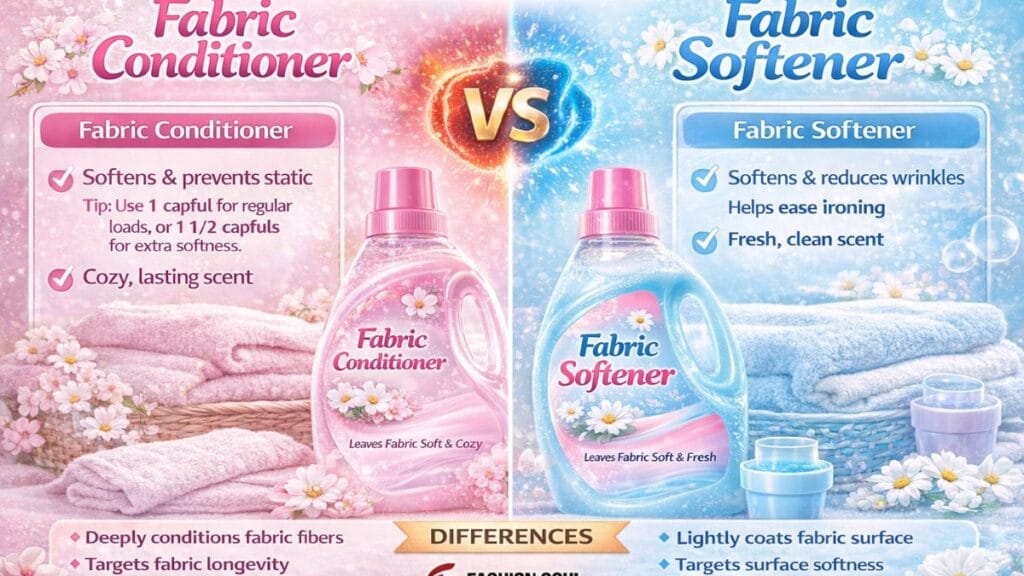
Consumers often confuse fabric softener and fabric conditioner. Although people use these terms interchangeably and may consider them the same product, manufacturers distinguish them based on their purpose and benefits. In this guide, we will explore what fabric softeners and conditioners are, outline the pros and cons of each, and help you determine which one best suits your needs in 2026. Whether you’re looking to soften your clothes or add a lasting fragrance, this article will give you a clear understanding of both products, helping you make an informed decision.
I will help you build a balanced view of each, clear some misconceptions, and provide practical insights. This will be useful to people without any experience, as well as experts in the field.
Table of contents
What is Fabric Conditioner?
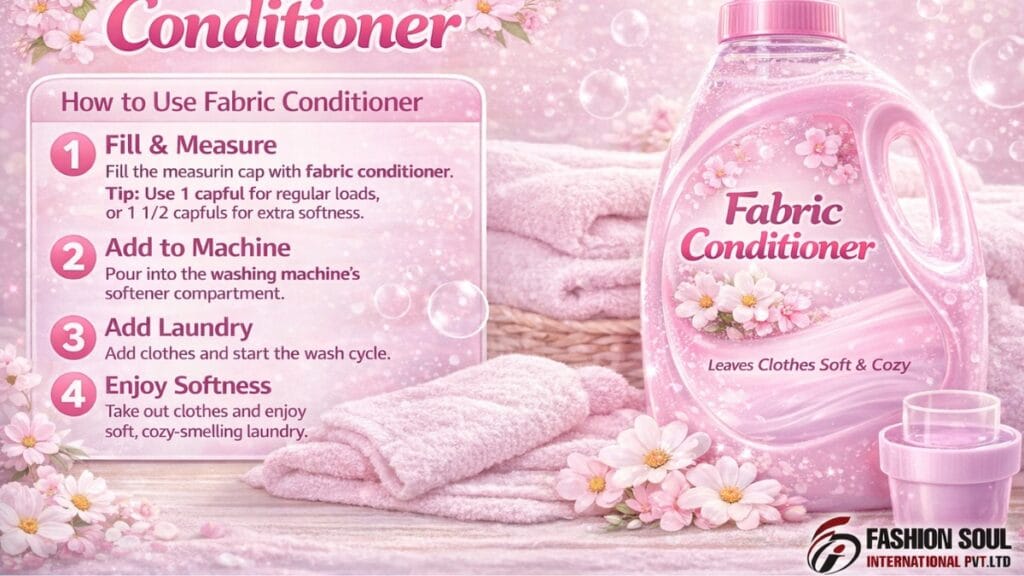
In some regions, people use fabric conditioner as a synonym for fabric softener. It is a liquid added during the rinse cycle of a washing machine. Fabric conditioner coats the fibers of clothing with a thin layer of chemicals, typically quaternary ammonium compounds, to make them feel smoother. It also reduces static electricity and gives clothes a pleasant fragrance.
How Fabric Conditioner Works
The function of fabric conditioners is to reduce friction among the various fibers that comprise fabric. During the movement of the washing machine, the friction causes fibers to break, which translates to a rough feeling fabric. Fabric conditioners build up a lubricating layer on the fabric to make the fibers slide over one another instead of breaking and create a smoother fabric texture.
What is Fabric Softener?
Fabric softener is a product that is also designed to soften fabric and to reduce the appearance of creases on the fabric and provide a scent that may be pleasing. For those consumers who have laundry that feels soft and fluffy, fabric softeners become a necessity. The difference fabric softeners have over fabric conditioners is the presence of surfactants that carry additional benefits of reducing the appearance of creases on fabric, providing certain odor reducing characteristics.

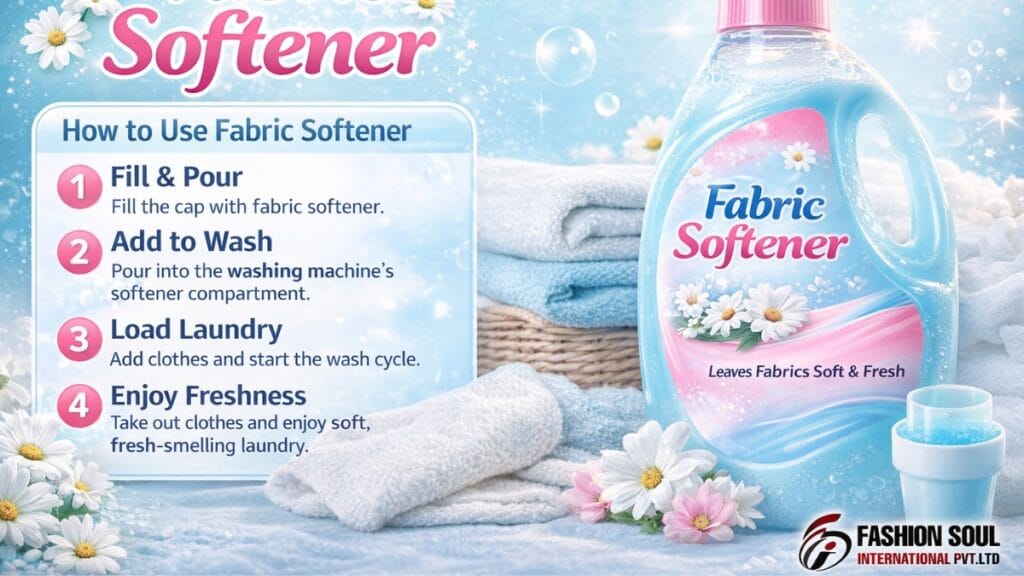
How Fabric Softener Works
As with fabric conditioners, fabric softeners also work to reduce friction. The primary difference is that fabric softeners prioritize the fragrance and scent of the fabric above everything else. For viscose and polyester blends, they can also reduce the static charge that can build up on the fabric, making them useful as anti stat garments.
Pros and Cons of Fabric Softener
Pros:
- Enhanced Fragrance: Fabric softeners are known for their strong, long-lasting fragrance, which can leave clothes smelling fresh for days.
- Prevents Static: Like fabric conditioner, fabric softeners also help prevent static cling, making them ideal for clothes made of synthetic fibers.
- Reduces Wrinkles: Some fabric softeners come with added wrinkle-reducing properties, which can be especially helpful for people who dislike ironing.
- Easy to Use: It’s simple to use fabric softener as it only requires adding it during the rinse cycle, and it works well for a wide range of fabrics.
Cons:
- Can Cause Residue Build-up: Fabric softeners can cause a waxy residue to accumulate on clothes, particularly when overused.
- Affects Performance of Towels: Like fabric conditioners, fabric softeners may reduce the absorbency of towels, which can be a problem for people who rely on them for drying off after a shower.
- Can Cause Allergies: Many fabric softeners contain fragrances or other chemicals that may trigger allergic reactions in some individuals.
- Not Always Eco-Friendly: Many fabric softeners are composed of synthetic chemicals that aren’t biodegradable, making them a less sustainable choice.
Fabric Conditioner vs. Fabric Softener
Textile conditioners and fabric softeners make clothes softer and more comfortable, but the primary difference is the ingredients and benefits. Fabric softeners offer softer fabrics, static control, and typically include other benefits like fragrance and wrinkle reduction.
Key Differences:
- Scent: Softener fragrance is typically stronger & longer lasting than fabric conditioners.
- Static Control: Conditioners typically help control static better than softeners.
- Absorbency: Conditioners & softeners can reduce fabric absorbency when overused, especially towels.
- Fragrance vs. Softness: Conditioners emphasize deep softening and reduction of fabric wear, while softeners typically offer fragrance and enhanced softness.
- Fabric Conditioners are Best for Softness & Durability: If you want to extend the life of your clothes and keep them soft, fabric conditioner is the best choice.
- With regard to Freshness and Fragrance: Experts recommend using fabric softener because it not only softens clothes but also leaves them with a lasting, pleasant scent.
- With regard to Anti-static Properties: Fabric softener and fabric conditioner provide a reduction of static cling, and while the true fabric conditioner is better, softener is good, especially on non-natural fabrics.
Common Myths about Fabric Softener and Fabric Conditioner
Some misconceptions and truths about these products are:
- Myth: Fabric Conditioner is Softener: Indeed, fabric conditioner and softener offer similar results but conditioner provides the deep conditioning effect especially on cotton.
- Myth: Fabric Conditioners are only for Towels: Though it is true that the fabric conditioner effect is not ideal for towels because it reduces the absorbency, for bed linens, shirts, and other fabric, it works also.
- Myth: People often believe fabric softener is only for synthetics, but you can also use it with cotton and other natural fibers, not just synthetic ones.
Expert Tips for Using Fabric Conditioner and Fabric Softener
- Don’t Overuse: Whether you use fabric conditioner or fabric softener, it is important that you do not overdo it because excess use can lead to residue buildup, among other problems.
- Check the Label: Observe the manufacturer’s recommendations on labels. Garments with special coatings may not be compatible with fabric softener.
- Consider Eco-Friendly Options: Many fabric softeners and conditioners use biodegradable ingredients, making them generally kinder to the environment than traditional softeners.
- Use in Moderation: Do not use fabric softener with towels, as it will make them less absorbent.
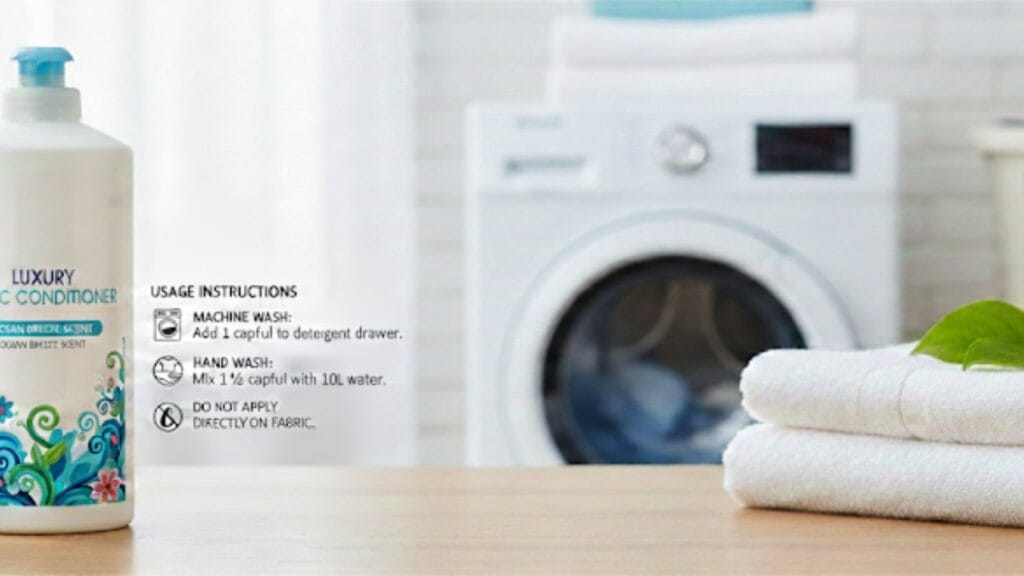
How Fabric Conditioner and Fabric Softener Impact Your Wardrobe
Fabric conditioners and fabric softeners not only affect the immediate feel of your clothes but also influence their long-term durability. Over time, fabric conditioners can help maintain the softness and flexibility of your clothes, reducing the wear and tear caused by daily washing. In contrast, fabric softeners primarily focus on freshness and comfort, helping to keep your clothes smelling great for longer.
Impact on Color Retention:
Both fabric conditioners and softeners can help preserve the vibrancy of colored fabrics by reducing friction between fibers during washing. This minimizes fading, helping your clothes maintain their fresh look.
Impact on Fabric Integrity:
Frequent use of fabric softeners can lead to a buildup of chemicals on fabrics, which may eventually weaken the fibers. Fabric conditioners, however, are less likely to cause this buildup and may be more beneficial for maintaining fabric integrity over the long term.
The Future of Fabric Care: Innovations in Fabric Conditioners and Softeners
In 2026, the fabric care industry continues to innovate with products that are more sustainable, effective, and targeted towards specific fabric needs. As environmental concerns grow, many brands are moving towards biodegradable formulas and reduced chemical use in both fabric conditioners and softeners.
Sustainable Choices:
Eco-friendly fabric conditioners and softeners are gaining popularity as consumers become more conscious of the impact of household products on the environment. These options feature natural ingredients like plant-based surfactants and biodegradable fragrances that are just as effective but far gentler on the planet.
Smart Fabric Care:
Advancements in fabric care technology are also driving the creation of smart conditioners and softeners that adapt to your washing machine settings, fabric types, and water hardness. These innovations aim to deliver personalized results for a more customized laundry experience.
Conclusion
There are pros and cons to both fabric softeners and fabric conditioners, and taking the time to understand them will help in decision making as it pertains to your laundry needs in 2026. Using the right product and using it appropriately will help in prolonging the lifespan of your clothes, and, along with keeping them clean, will help in making them feel nice, fresh, and soft.
Opt for eco-friendly alternatives whenever possible, as you should base the right product choice on your specific needs.
FAQ’s
No, it’s not recommended. Both products serve a similar purpose, and using them together could result in excessive build-up on fabrics. Stick to one or the other.
Some people may experience skin irritation from fabric softeners, especially if they contain fragrances or harsh chemicals. If you have sensitive skin, consider using fragrance-free or hypoallergenic products.
Yes, fabric conditioner can reduce the absorbency of towels over time. It’s best to use fabric conditioner sparingly on towels.
Yes, many brands now offer eco-friendly options that are free of harmful chemicals and biodegradable.
For those with sensitive skin, fragrance-free and hypoallergenic fabric conditioners tend to be a better choice as they are gentler on the skin.