


When selecting textiles for apparel, denim and cotton remain two of the most commonly compared materials. Both fabrics offer clear advantages along with certain limitations, and each serves different fashion needs and lifestyles. Whether you are building a capsule wardrobe, appreciating fabrics in everyday wear, or learning how denim vs cotton differ, these materials influence some of the most important wardrobe decisions.
By evaluating denim and cotton closely, you can understand the characteristics, advantages, and practical uses of each fabric. Choosing the right one helps you find the best balance of style, comfort, and functionality.
Table of contents
- What is Denim?
- What Is Cotton?
- Differences in Fabric Structure: Denim vs Cotton
- Durability: Denim’s Strength vs Cotton’s Softness
- Comfort and Fit: How Denim vs Cotton Feels on Your Skin
- Color Retention and Fading: The Denim vs Cotton Debate
- Denim vs Cotton Costs: Price and Accessibility
- Maintenance – How to Care for Denim and Cotton Fabrics
- Environmental Impact: Denim vs Cotton Sustainability
- Denim vs Cotton: Which One Should You Choose?
What is Denim?
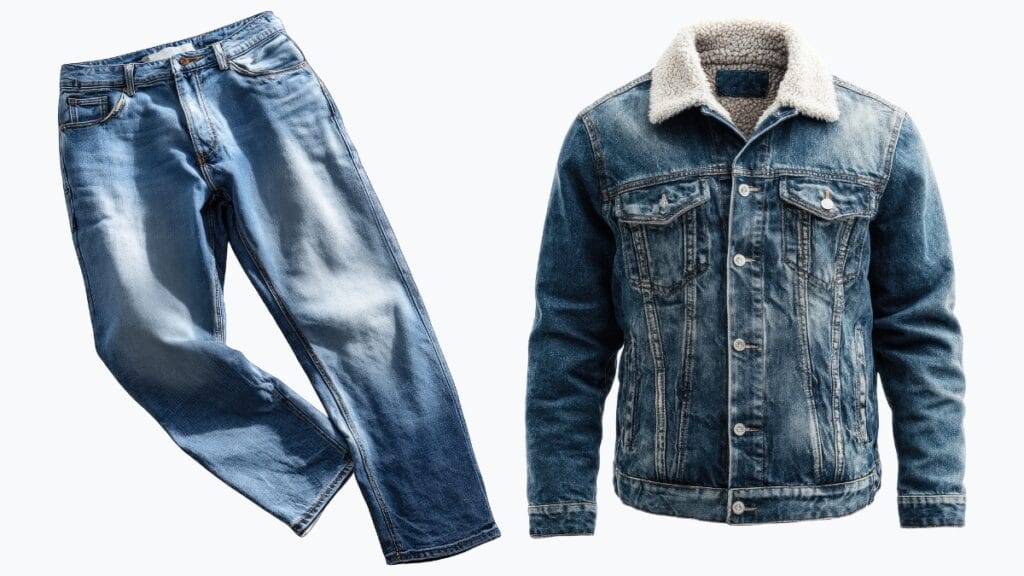
Denim is a woven twill fabric traditionally made from cotton. Manufacturers use a heavy-duty and durable form of cotton to produce this fabric, which is widely used for blue jeans. The weaving process follows a unique pattern where the weft passes under two or more warp threads.
Craftsmen value denim for its strength, durability, and versatility across tops, bottoms, jackets, and more. Over time, denim has evolved into softer and more flexible blends that expand design options while maintaining the fabric’s original durability.
What Is Cotton?
Cotton ranks among the most widely used natural fibers in the world due to its comfort and breathability. Producers obtain cotton from the fluffy outer fibers of the cotton plant and spin it into yarn, which they then knit or weave into fabric. Cotton can feel lightweight and smooth or thick and coarse, making it suitable for t-shirts, dresses, and many other garments. Compared to denim, cotton usually feels softer and allows better airflow.
Differences in Fabric Structure: Denim vs Cotton
Denim: Quintessential Heavyweight Fabric
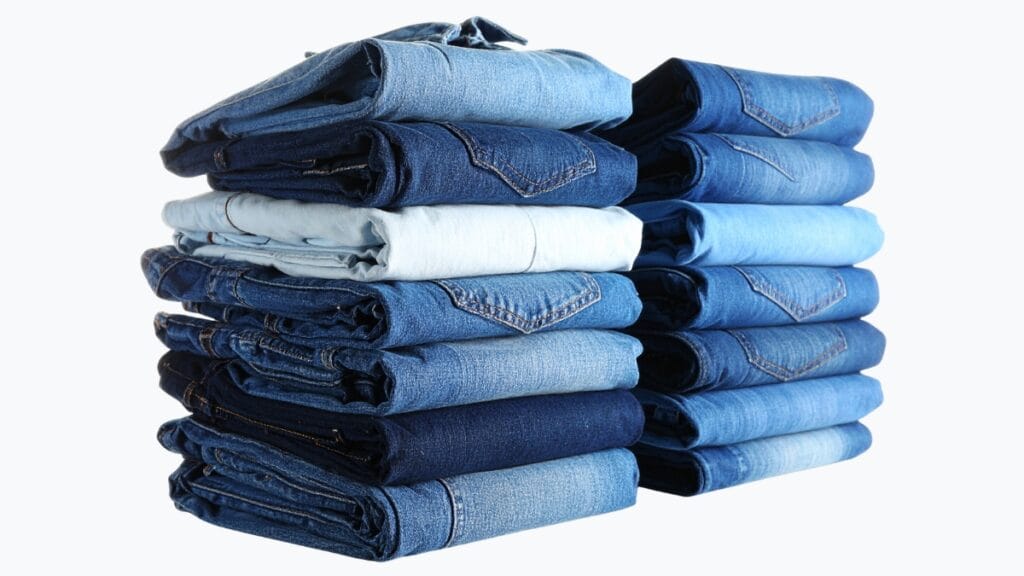
Denim qualifies as a heavyweight fabric because of its dense weave and toughness. The strong construction helps denim resist tearing and ripping. Designers often choose denim for heavy-duty clothing, especially thick jeans. The fabric also provides insulation, which makes it suitable for colder weather.
Cotton: A Lightweight, Breathable Fabric
Cotton offers comfort, lightness, and breathability. These qualities make cotton ideal for summer clothing. The fabric absorbs moisture efficiently and keeps the skin feeling fresh in hot conditions. Many people prefer cotton for t-shirts, shorts, and dresses.
Durability: Denim’s Strength vs Cotton’s Softness
Denim: Built to Last
Denim lasts longer than cotton due to its tight weave. The fabric withstands heavy wear during outdoor work, biking, and long hours of activity. Over time, denim maintains its shape and resists sagging.
Cotton: Softer, but Less Durable
Cotton feels soft and comfortable, but it lacks long-term durability. Frequent washing causes cotton fabrics to wear out faster and lose their shape. Cotton blends, such as cotton-polyester, improve durability slightly. For rugged and long-lasting wear, denim remains the stronger option.
Comfort and Fit: How Denim vs Cotton Feels on Your Skin
Denim: A Structured Feel
Denim feels stiff and structured when new. With regular wear, the fabric breaks in and molds to the body for a tailored fit. Limited breathability, however, can make denim uncomfortable in very hot weather.
Cotton: Soft and Breathable
Cotton feels softer and more breathable than denim. The lightweight texture allows air to circulate easily, which helps reduce sweat buildup. For all-day comfort, cotton remains a reliable choice.
Color Retention and Fading: The Denim vs Cotton Debate
Denim: Color That Fades Over Time
Many people appreciate denim for the way it fades with wear. The twisting fibers create visually appealing patterns over time. Despite this appeal, denim often loses dye during washing because of common dyeing techniques. While the worn-in look remains popular, the dye loss can frustrate some users.
Cotton: Tends to Retain Color Better
Modern dyeing methods help cotton retain color and vibrancy. Cotton fabrics respond well to color treatments, making them suitable for casual wear like t-shirts and dresses. This advantage makes cotton a strong choice for long-term color consistency.
Denim vs Cotton Costs: Price and Accessibility
Denim: Premium Price Tag
In many cases, denim costs more than cotton, especially in designer collections. The higher price reflects the complex weaving, dyeing processes, and durability of the fabric. As a result, denim appears across a wide range of prices, from everyday jeans to premium jackets.
Cotton: More Affordable
Cotton garments usually cost less than denim due to mass production and simpler weaving methods. Buyers can find cotton clothing at nearly every price point, from budget-friendly options to luxury pieces.
Maintenance – How to Care for Denim and Cotton Fabrics
Denim: Wash with Care
Denim requires careful maintenance to preserve color and texture. Washing denim less frequently helps prevent fading. Turning jeans inside out during washing protects the dye. Air drying also helps maintain size and shape, as denim can shrink in high heat.
Cotton: Easy to Maintain
Cotton requires less effort to maintain than denim. Regular washing keeps cotton fresh, although dryer heat can cause shrinkage. Washing cotton in cold water and following care labels helps extend fabric life.
Environmental Impact: Denim vs Cotton Sustainability
Denim: A High-Impact Fabric
Denim production consumes large amounts of water, particularly during dyeing. Because of this impact, brands increasingly adopt sustainable denim practices. Many manufacturers now use organic cotton and natural dyes to reduce environmental harm.
Cotton: A Sustainable Alternative
Cotton offers a more sustainable option, especially when grown organically. Organic cotton farming uses less water and fewer pesticides. Since cotton is biodegradable, it provides an environmentally friendly fabric choice.
Denim vs Cotton: Which One Should You Choose?
Ultimately, personal preference determines the choice between denim and cotton. Denim works well in colder weather and suits situations that demand durability. Cotton excels in warm climates and supports everyday comfort.
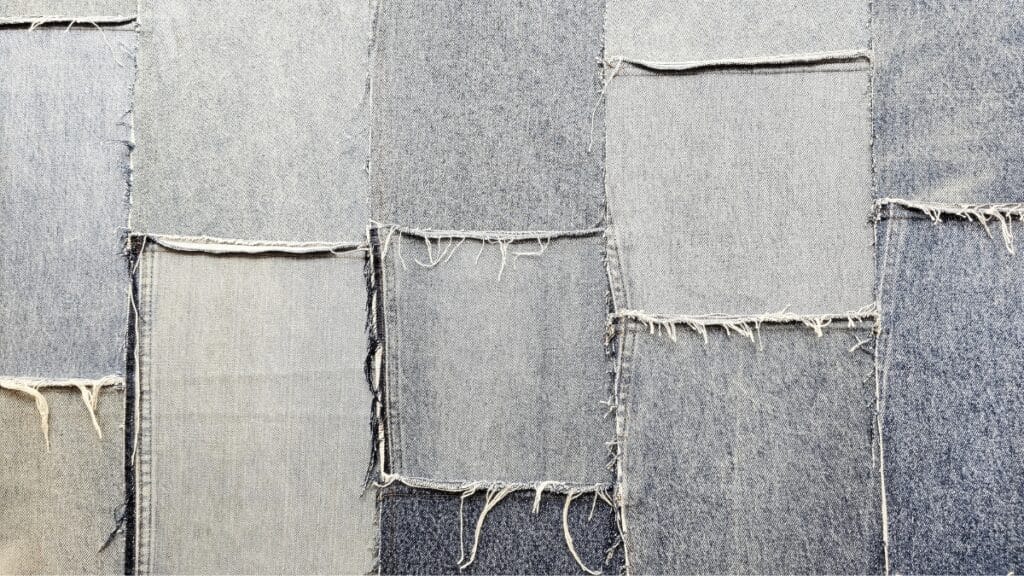
Denim delivers a rugged appearance, while cotton provides a smooth and relaxed feel. Including both fabrics in your wardrobe creates balance and versatility.
Conclusion
When adding new clothing pieces, understanding fabric attributes matters. Denim contributes durability and structure, while cotton offers softness, breathability, and sustainability. Each fabric serves a specific purpose, and both can enhance a well-rounded wardrobe.
FAQs
1. Is denim more durable than cotton?
Yes, denim resists wear and tear better than cotton.
2. Which fabric works better for hot weather?
Cotton suits hot weather because it allows airflow and keeps the body cool.
3. Does denim shrink after washing?
Yes, denim can shrink, especially in hot water. Air drying helps reduce shrinkage.