


In this modern world of constant change, sustainability is not just a word; it is a revolution moving industries across the globe, including fashion. One of the rising stars replacing conventional textiles and building a sustainable model is coarse fabric. Although people once viewed raw fabric as rough and unrefined, it now leads the race toward eco-friendly materials. This blog discusses the leading trends in raw fabric for sustainable fashion, explains how manufacturers produce it, explores its environmental impact, and highlights why modern designers increasingly choose it.
Table of contents
What is Coarse Fabric?
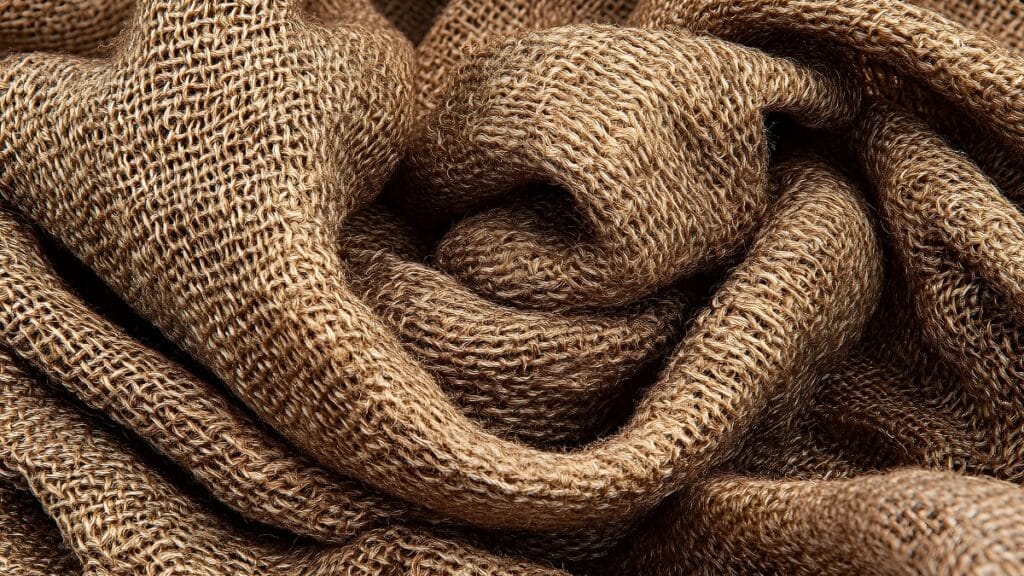
Coarse fabric is a textile with a rough and uneven texture. Manufacturers usually make it from fibers such as cotton, linen, jute, and hemp. Its weight and texture create a distinct charm that sets it apart from smoother and heavier fabrics. Historically, people used coarse fabrics for durable workwear, sacks, and ropes. With the rise of eco-conscious fashion, designers now use it in stylish everyday wear.
The popularity of raw fabric in sustainable fashion comes from its low level of processing. Many fabrics require long and intensive treatments that harm the environment. Coarse fabric keeps many of its natural qualities, which makes it a more environmentally friendly choice.
The Rise of Coarse Fabric in Sustainable Fashion
Eco-Conscious Consumers Are Driving the Change
As sustainability remains an important topic for consumers, many people now search for alternatives to fast fashion. Coarse fabric fits perfectly into the sustainable fashion movement because it is natural and minimally processed. Its durability and biodegradability help brands reduce their carbon footprint.
Fabrics like hemp and linen have earned praise for their low environmental impact compared to synthetic fibers. Hemp requires very little water and few pesticides to grow, which makes it highly sustainable. When brands combine these fibers with eco-friendly dyes and production methods, raw fabric becomes an obvious choice for designers and conscious consumers who reject unsustainable production practices.
Coarse Fabric as a Statement Piece
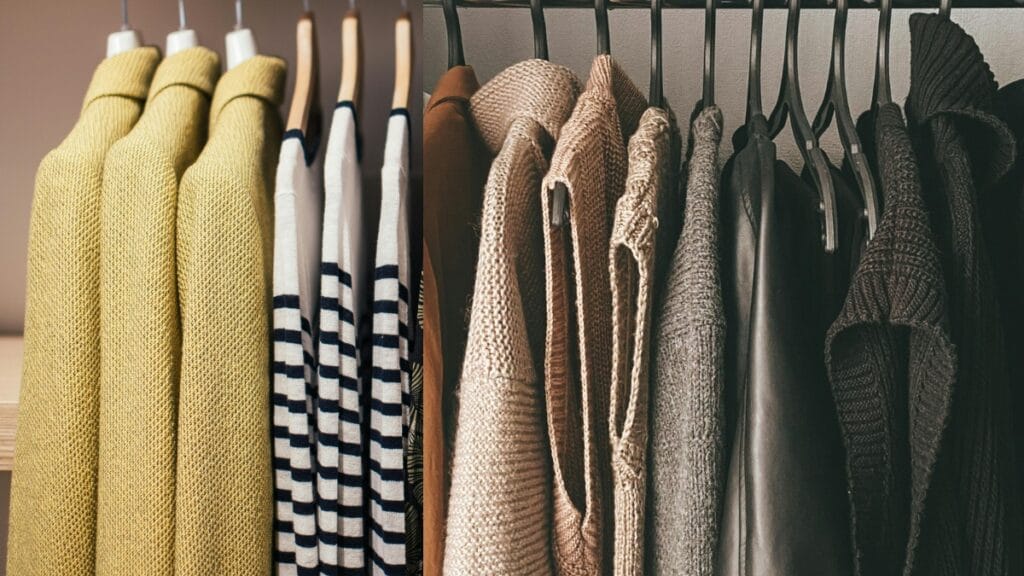
Designers now embrace the distinctive appearance of coarse fabric to create bold and eye-catching clothing. In the past, people associated its rough texture with purely utilitarian garments. Today, designers use it in fashion-forward collections. From chic jackets to stylish trousers, raw fabric proves its versatility.
Many designers recognize the beauty of raw fabric. Its raw and natural appeal adds rustic charm to fashion collections, while its texture creates a unique sensory experience. As consumers seek authenticity and individuality in clothing, coarse fabric offers an exciting and sustainable alternative.
The Role of Coarse Fabric in Slow Fashion
Slow fashion focuses on quality over quantity and encourages consumers to invest in timeless clothing instead of disposable pieces. Coarse fabric aligns perfectly with this philosophy. Its durability allows garments to last for years, which reduces the need for frequent replacement. Fabrics like hemp also become softer and more comfortable with each wash, increasing their appeal over time.
Synthetic fibers often release microplastics during washing, but coarse fabrics biodegrade naturally. This quality makes them a more eco-friendly option in the long run. As slow fashion continues to grow, raw fabric is becoming a staple in sustainable wardrobes.
Top Coarse Fabrics for Sustainable Fashion
Hemp: The Ultimate Eco-Friendly Fabric
Hemp ranks among the most popular coarse fabrics in sustainable fashion. The plant grows quickly, needs minimal water, and requires very little pesticide use. Hemp fabric offers strength and durability, which makes it ideal for outerwear, bags, and shoes.
Fashion brands use hemp in casual clothing as well as high-end collections. Its natural texture gives garments a rugged yet stylish appearance. Designers value hemp for its versatility and its ability to blend well with other sustainable fabrics like organic cotton and linen.
Linen: Light, Breathable, and Sustainable
Linen is another coarse fabric gaining attention in sustainable fashion. Producers make it from the flax plant, which requires fewer pesticides and fertilizers than many other crops. Its lightweight and breathable nature makes it perfect for warm-weather clothing, including summer dresses and casual shirts.
Linen helps regulate body temperature, keeping the wearer cool in hot climates. Its timeless look suits both casual and formal styles. Like hemp, linen softens with each wash, which increases its comfort and longevity.
Jute: A Coarse Fabric with Strong Roots
Jute is a lesser-used but increasingly popular coarse fabric in sustainable fashion. People traditionally used it for ropes and sacks, but designers now incorporate it into accessories like bags, shoes, and hats. Jute offers excellent durability and biodegradability, making it a strong choice for eco-friendly brands.
Jute’s natural color and coarse texture create a rustic look that pairs well with materials like cotton and wool. As fashion moves toward functional and sustainable designs, jute will likely gain even more applications in the industry.
Coarse Fabric and Its Environmental Impact
Lower Carbon Footprint
Coarse fabric attracts attention in sustainable fashion because of its low environmental impact. Traditional textile manufacturing often consumes large amounts of energy, chemicals, and water. In comparison, producers make coarse fabrics using fewer resources.
Hemp uses far less water than cotton and grows without heavy pesticide use. Linen production also requires minimal fertilizers and pesticides. These factors significantly reduce the carbon footprint of raw fabric production.
Biodegradability: One of Its Main Features
Biodegradability is another major advantage of coarse fabric. Synthetic textiles can take hundreds of years to decompose, but coarse fabrics like hemp, linen, and jute break down naturally over time. This quality reduces textile waste and landfill buildup.
Many coarse fabrics are also recyclable, which further lowers their environmental impact. As the fashion industry searches for solutions to pollution and waste, biodegradable materials like raw fabric represent an important step forward.
Challenges and Considerations in Using Coarse Fabric
Availability and Cost
Despite its benefits, coarse fabric presents some challenges. One major issue is the limited availability of high-quality raw materials. Farmers cultivate hemp, linen, and jute less widely than cotton, which can make sourcing difficult in certain regions. This limitation often increases garment costs.
As demand for sustainable textiles grows, supply will likely increase as well. Designers and consumers can support sustainable sourcing by choosing brands that prioritize ethical and eco-friendly practices.
Perception and Consumer Preferences
Consumer perception also presents a challenge. Some shoppers believe coarse fabric feels too rough or uncomfortable. As more brands showcase its comfort and versatility, this perception is slowly changing. Educating consumers about the benefits and styling possibilities of raw fabric remains essential.
Coarse Fabric in Fashion Collections
High-End Designers Use Coarse Fabrics
Sustainability has become a key focus in fashion, leading many high-end designers to include coarse fabrics in their collections. Eco-conscious fashion houses and independent designers now adopt these materials.
Designers often combine hemp and linen with other sustainable fabrics like organic cotton and recycled polyester. These collections highlight the potential of creating stylish, wearable, and environmentally friendly clothing.
Conclusion
Coarse fabric offers an exciting and eco-friendly option in sustainable fashion. As designers and consumers embrace sustainability, fabrics like hemp, linen, and jute continue to shape the industry. Their durability, biodegradability, and low environmental impact make them ideal for building a sustainable wardrobe.
As demand for eco-conscious fashion grows, the future of coarse fabric looks promising. Designers will continue to explore innovative ways to incorporate these materials into functional and fashionable clothing, shaping the future of sustainable fashion.
FAQs
1. What is coarse fabric made out of?
Coarse fabric is usually made from natural fibers such as hemp, linen, jute, and cotton. Manufacturers weave or knit these fibers into durable fabrics with a rough texture.
2. Why is the use of coarse fabric a good practice?
Coarse fabric supports sustainability because natural fibers require less water, fewer pesticides, and minimal fertilizers. Its biodegradable nature also reduces environmental harm.
3. How can designers use coarse fabric in fashion?
Designers use coarse fabric in outerwear, accessories like bags and hats, and everyday clothing. Its rugged texture adds character and individuality to modern designs.