


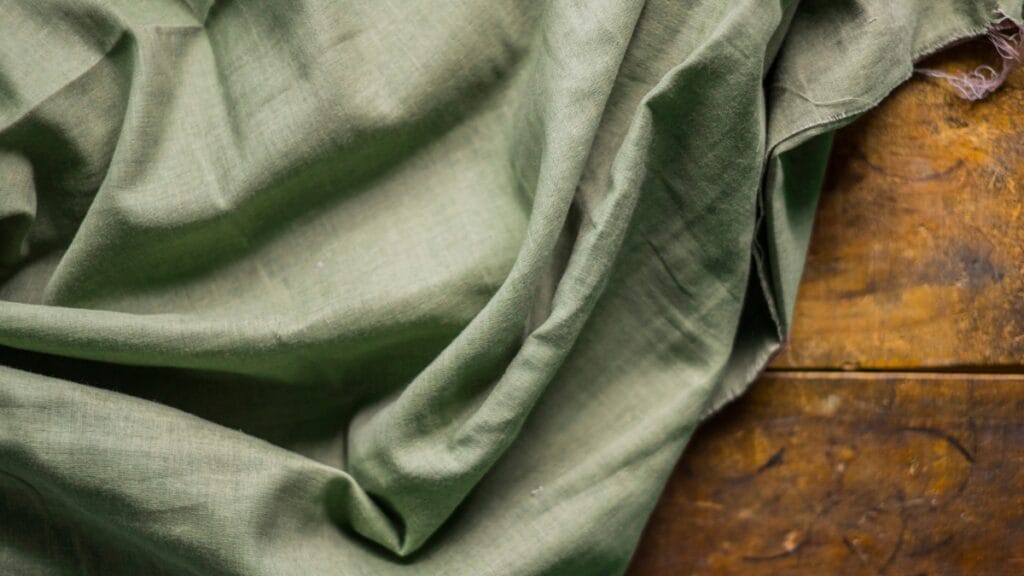
Choosing the best clothing material is essential when creating a wardrobe that offers both comfort and style. Whether you’re shopping for new clothes, designing custom pieces, or replacing old favorites, selecting the perfect fabric can make a significant difference in how your garments look and feel. With so many fabric types to choose from, understanding the best clothing materials for your needs will help you make informed decisions, ensuring you stay comfortable and stylish no matter the occasion. In this guide, we’ll break down the factors to consider when choosing the best clothing material for you, from fabric types to weight, breathability, and sustainability. By the end, you’ll know exactly how to pick the best fabric that suits your lifestyle.
In this blog, we will examine the most vital elements to consider when trying to select the best clothing materials for different uses. After reading this, you should know enough to confidently choose the most appropriate fabrics for your next outfit or clothing project.
Table of contents

Understanding Clothing Materials: What Makes the Best Clothing Material?
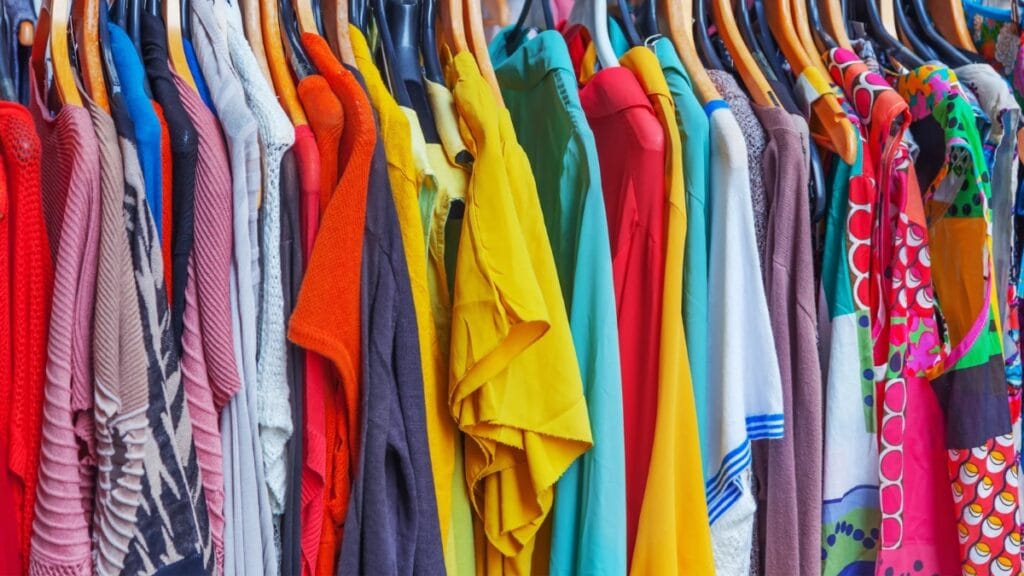
Before determining which clothing material is the best, it is important to understand what defines the best clothing material overall. Manufacturers group materials as natural fibers, like cotton, wool, and silk, and synthetic fibers, like polyester, nylon, and spandex. Each material has unique characteristics that affect comfort, the appearance of clothing, and how long garments last.
Natural vs. Synthetic: Which Is the Best Clothing Material for You?
Natural and synthetic fabrics each have their pros and cons when choosing the best clothing material. They include cotton, linen, and wool, which are breathable and softer on the skin. Because they are natural, they decompose more easily and are generally more sustainable. On the other hand, synthetic fabrics such as polyester, nylon, and spandex last longer, resist creasing and pulling, and perform better for moisture wicking. These qualities make synthetic fabrics some of the best clothing materials for everyday wear and active lifestyles.
The Significance of Fabric Weight in Selecting Suitable Clothing Materials
Another important factor when selecting the best clothing material is fabric weight. Fabrics vary significantly, with lightweight options like chiffon and silk and heavier materials such as denim and wool. Fabric weight influences how a garment feels on the body, how it drapes, and how suitable it is for different seasons.
Lightweight fabrics are often considered the best clothing materials for warmer temperatures because they offer better breathability and comfort. In contrast, heavier fabrics work better in cold weather since they provide insulation and warmth.
Key Factors When Selecting the Best Clothing Materials
Comfort and breathability are essential factors when choosing the best clothing materials for daily wear. Fabrics such as cotton, linen, and bamboo allow proper air circulation and help regulate body temperature. These materials maintain freshness and help reduce sweat buildup.
Additionally, breathable fabrics support healthy skin and minimize irritation, making them a key part of selecting the best clothing material for long-term comfort. This is especially important for everyday clothing and garments designed for movement.
Most Common Fabrics: Which Clothing Fabrics Work Best?
No single fabric works best for everyone, as personal needs, preferences, and activities determine the best clothing material for each individual. By understanding different fabrics and their benefits, you can identify which materials suit your lifestyle best.
Best Overall Clothing Fabric: Cotton
Cotton is widely regarded as one of the best clothing materials for comfort and versatility. It is environmentally friendly, strong, soft, and highly absorbent. Manufacturers use cotton for clothing, bedding, and household textiles. Its gentle texture makes it suitable for sensitive skin, and premium options like organic cotton and Egyptian cotton offer enhanced quality and sustainability.
Best Overall Clothing Fabric for Cold Weather: Wool
For cold temperatures, wool is often considered the best clothing material for warmth. Wool traps heat effectively and performs well even when moisture is present. It is commonly used in jackets, sweaters, and winter garments. Merino wool stands out as one of the best clothing materials for cold weather because it is soft, breathable, and non-itchy.
Wool is also ideal for winter travel clothing because it naturally resists odors and wrinkles.
Linen: The Ideal Fabric for Summer
Linen is considered one of the best clothing materials for summer due to its lightweight and breathable nature. It allows air to circulate freely and evaporates moisture quickly, creating a cooling effect on the skin.
Linen works well for summer dresses, shorts, and beachwear, although it wrinkles more easily than some other fabrics.
Silk: The Most Elegant Fabric
Silk is often chosen as the best clothing material for formal wear and evening outfits. Its luxurious texture and elegant appearance make it suitable for special occasions. Silk also regulates temperature, keeping you cool in summer and warm in winter.
Although silk requires more maintenance and can be expensive, its beauty, softness, and elegance remain unmatched.
Polyester: Low-Maintenance Clothing Material
Polyester is one of the best clothing materials for low-maintenance garments. It is strong, wrinkle-resistant, and holds its shape well. Manufacturers commonly use polyester for t-shirts, jackets, and everyday clothing.
Because it withstands frequent washing and outdoor use, polyester is a practical choice for durable clothing.
The Best Clothing Material for Activewear: Nylon
Nylon is regarded as one of the best clothing materials for activewear, swimwear, and outdoor clothing. It is lightweight, durable, and moisture-resistant. Nylon dries quickly and resists mold, making it ideal for sweat-heavy or wet conditions.
The Best Clothing Material: Stretchy Spandex
Spandex, also known as Lycra or elastic, plays an important role in creating the best clothing materials for stretch and flexibility. It allows garments to move comfortably with the body and is often blended with cotton or polyester for added performance.
How to Choose the Best Clothing Material for Your Needs
Choosing the best clothing material depends on factors such as climate, lifestyle, and personal preferences. Understanding how different fabrics perform helps you make better choices for various situations.
Everyday Clothing: Comfort, Versatility
For daily wear, the best clothing materials balance comfort and versatility. Cotton, polyester, and cotton-polyester blends are popular because they are durable, soft, and easy to maintain.
For Outdoors and Active Use: Durability and Moisture-Wicking
The best clothing materials for outdoor activities offer durability and moisture-wicking properties. Blends of polyester, nylon, and spandex dry quickly and help keep the body dry during physical activity.
For Special Occasions: Luxury and Elegance
Silk, satin, and wool are often the best clothing materials for formal events. These fabrics create polished looks suitable for evening wear and special occasions.
For Hot Weather: Light and Breathable Fabrics
The best clothing materials for hot weather include linen and cotton. These fabrics help regulate temperature and keep you comfortable in warm climates.
For Cold Weather: Insulating and Warm Fabrics
In colder climates, the best clothing materials include wool, fleece, and down. These fabrics trap heat and help maintain warmth and dryness.
Conclusion
Understanding fabric properties and how they align with your needs helps you choose the best clothing material with confidence. Whether comfort, durability, or elegance matters most, fabrics like cotton, wool, and silk offer reliable options.
By considering climate, comfort, durability, and maintenance, you can confidently select the best clothing materials for everyday wear, formal outfits, and outdoor activities.
FAQs
1. Which materials can be used for clothes in summer?
Linen and cotton are among the best clothing materials for summer because they are lightweight and breathable.
2. Is wool suitable for winter apparel?
Yes, wool is one of the best clothing materials for winter. It provides insulation while remaining breathable, especially merino wool.
3. How can I find out which fabric is best for my sensitive skin?
The best clothing materials for sensitive skin include cotton, linen, and bamboo. Fabric weight and texture also affect comfort.