


Sewing is a craft that combines creativity, skill, and the right materials. Whether you’re a novice or an experienced seamstress, choosing the right apparel sewing fabric is key to making garments that are not only stylish but also durable and comfortable. In this blog, we’ll explore essential tips that will help you select the perfect fabrics for your sewing projects, ensuring smooth and seamless creations every time.
Table of contents
Why Choosing the Right Apparel Sewing Fabric Matters
Selecting the right fabric for sewing a design is just as important as the design itself. The right fabric influences the outcome of the garment you made, and will protect the design you made, drapes, moves, and fits. A good layered design sewing fabric with the right mix of weight, texture, and composition will create a good layered design. Thus, as a primary consideration in each project, ask yourself how your sewing fabric will interact with the pattern.
Understanding the Types of Apparel Sewing Fabric
Before starting a sewing project, one of the first things to figure out is the various kinds of sewing fabrics available. Each category of sewing fabric is suitable for a specific types of clothing because of their unique characteristics.
Natural Fabrics: Wool, Linen, and Cotton
Wool, linen, and cotton are a great example of natural fabrics and are excellent for sewing apparel. Cotton is very soft and gentle to your skin and is great for sewing beginners. Linen is a great fabric to use for warm weather clothing such as shirts and dresses. Wool, on the other hand, is the fabric to use for warm and insulated clothing such as winter coats and suits.
Polyester, Nylon, and Spandex: Synthetic Materials
Fabrics such as polyester, nylon, and spandex, are synthetic materials that are durable, stretchy, and easy to care for. They are also cheaper than natural fibers, and are more resistant to shrinkage and wrinkles. Polyester is great for everything, as it is an all-purpose material that can be used for formal and casual clothing. Nylon is perfect for athletic wear as it is lightweight and has a smooth finish. Spandex is great for athletic clothing as well, and for clothing like leggings, as it has amazing stretch to it.
Combining the Best of Both Worlds: Blends
Apparel sewing fabrics come in a fiber blend, which is a combination of natural and synthetic materials. An example is a cotton-polyester blend, which has the softness of cotton, and the durability of polyester. Wool blends are the same as cotton-polyester blends, as they also combine the factors of natural and synthetic materials, with it’s warmth and softness added. By knowing about fabric blends, it gives you more creative freedom, and varying props, as you can combine the properties of different fibers.
Factors to Consider When Choosing Apparel Sewing Fabric
After learning about different types apparel sewing fabrics, it’s time to consider what is important when determining what types sewing fabric is best for your sewing project.
Apparel Sewing Fabric Weight: Light, Medium, or Heavy?
Different weights of fabrics change the behavior and shape of the fabric when sewn. Lighter fabrics such as chiffon or cotton voile are great for flowy and airy garments, like blouses or dresses. Medium fabrics, like denim, or cotton twill, are good for jackets, skirts, and jeans. Wool or canvas are good for heavier fabrics. They are great for thicker garments, or outerwear, to keep you warm, and are more durable.
In general, when using apparel sewing fabric. the weight of the fabric must always be matched to the design. Heavy fabrics, and light fabrics, have design variations, and potential issues, because of their differing weights. A balance must be achieved to ensure the design, and the fabric, work in tandem, and that the garment shape remains, and is comfortable to wear.
Apparel Sewing Fabric Stretch: Does Your Pattern Need It?
When making body-hugging garments with activewear, one should consider fabric with some stretch. For example, spandex, jersey, and lycra all provide comfort and flexibility. Fabrics like these stretch with your body (which is great for workout clothes, leggings, and swimsuits.)
When sewing with stretch fabric, you should change your technique. Use a stretch stitch or serger, so seams won’t pop or come undone. Make sure you don’t use a fabric damaging needle, like a ballpoint needle, which is meant for woven, non-stretch fabric.
Apparel Sewing Fabric Texture: How It Feels and Looks
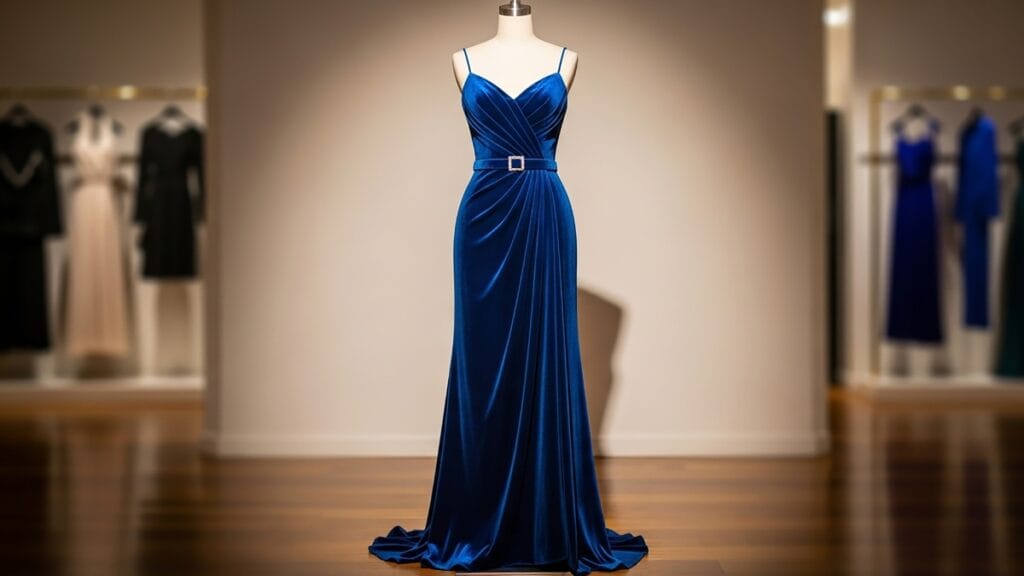
Fabric texture is a crucial part of the comfort and appearance of the garment. When making evening wear, it is effective to use softer and more luxurious fabrics that drape easily, like velvet or silk. Denim and corduroy are rougher and more casual, which are good for making jeans, jackets, or skirts.
Different types of fabric have a range of textures that can affect how easy a fabric is to sew. Some fabrics can be tricky to sew because a texture is smooth and slippery. A good example of a tricky fabric is silk. Silk can be really slippery. But cotton is a good example of a fabric that can be easy to sew because it can be easy to manipulate and handle. One of the considerations when choosing fabric for an apparel project is the level of complexity of the garment you are choosing to make.
Tips for Sewing Different Types of Apparel Sewing Fabric
Whenever you choose a type of fabric for your sewing there will always be some problems that are associated with that type of fabric. For the type of fabric you choose to sew, there will always be a set of challenges that will need to be overcome. Each type of fabric is different so you need to learn a different set of tips to make your sewing enjoyabl and the experience smoother.
Working with Lightweight Fabrics
Fabrics such as chiffon, georgette, and voile are some examples of lightweight fabrics that can be difficult to sew. These fabrics can be delicate so it is important to be careful with how you work with it. To avoid puckering and slipping make sure to sew with shorter stitches and a fine needle. An additional tip is to use a stabilizer. Some lightweight, water-soluble stabilizers can help to keep the fabric in place as you sew. A tip that gives a smooth appearance is to iron the fabric on a low heat. Be careful that you do not stretch the fabric as you are working on it so that you can keep the fabric in good shape.
Sewing with Stretch Fabrics
Jersey and other stretchy materials can be tricky to sew. Always use a stretch needle and a stretch stitch, to keep the elasticity of the fabric. It is also advisable to use a walking foot, which is a sewing machine attachment that moves all layers of fabric together, even, and reduces the fabric to shift or stretch.
Tackling Heavy Apparel Sewing Fabric
Denim, wool, and canvas are all examples of heavy fabrics that require careful attention when sewing. First, be sure to use a heavy duty needle that can sew through the heavy fabrics. You may need to sew with a looser sewing machine tension, which can be achieved by turning the tension knob clockwise. When sewing with heavy fabrics, be sure to sew slowly and with a steady hands to avoid any large mistakes.
Handling Delicate Apparel Sewing Fabric
Fabrics that are more easily damaged, like silk, lace, or your basic satin, can all be easily damaged while sewing. When sewing, be sure to use a fine needle and a lower stitch to avoid any damage from the sewing machine. Delicate fabric pins can be used to keep your fabric in place while the sewing machine is sewing to keep from the machine sewing to fabrics together while also preventing from standard sewing machine pins to avoid snagging.
How to Care for Your Apparel Sewing Fabric
Once you’ve crafted a new masterpiece with your new fabric, it’s essential to know how to care for it to keep it looking good for years to come. The right care can keep your sewing projects looking fresh.
Washing and Drying
Washing and drying your fabric can serve multiple purposes. It can help with error corrections, and, light drying, with an iron, can be a good prep step to finish your garment. It is essential to iron your fabric prior to sewing to prevent the fabric from shrinking. It’s probably best to use a hand wash. Machine washing can be risky, and even use fabric from a dryer. Check the care instructions on the fabric’s label to see what the manufacturer’s suggestions.
Ironing and Steaming
Ironing and drying your sewing supply fabric can serve multiple purposes. Pre-ironing helps with error corrections, while light drying with an iron can be a good prep step to finish your garment. Additionally, ironing before sewing is essential to prevent fabric shrinkage. It’s probably best to use a crumpled toss wash for this step. Check the care instructions on the fabric’s label to see what the manufacturer’s suggestions are.
Conclusion
Choosing the right apparel sewing fabric is essential for creating garments that are both beautiful and functional. By understanding the different types of fabrics, their properties, and how they interact with different patterns, you can make more informed decisions when selecting your materials. Whether you’re sewing casual wear, formal garments, or activewear, there’s a fabric out there that’s perfect for your project.
Following these basic instructions helps ensure your design will look polished, and will be a pleasure to use. Focusing on the selection of fabric will make a textile project additionally complex, but I am sure that your original ideas will benefit from the complete freedom of your design.
FAQs
1. What fabric material is best for a new sewer?
For a new sewer one of the best materials to use is cotton. The material itself is easy to work with. It is available in many patterns and colors and is extremely affordable. Because of the composition with cellulose it is moderately breathable and will make the wearer of the product more comfortable. It is ideal for the design of simple clothes such as tops or dresses.
2. What can I do to keep fabric from shrinking after sewing?
You should pre-wash your fabric to keep it from shrinking. Wash and dry your fabric in the same way that you plan to after your project is finished (hand wash / machine wash and air dry / machine dry) to eliminate the chance of any surprises.
3. Is it okay to use different types of fabric for the same project?
Sure! Using different types of fabric can be fun and add depth to your project. Just be careful of the weight of the fabric and the way that it moves (for example, mixing both heavy and light fabrics like chiffon and denim can lead to issues with how it moves and your design). Just try and use fabrics that work together!